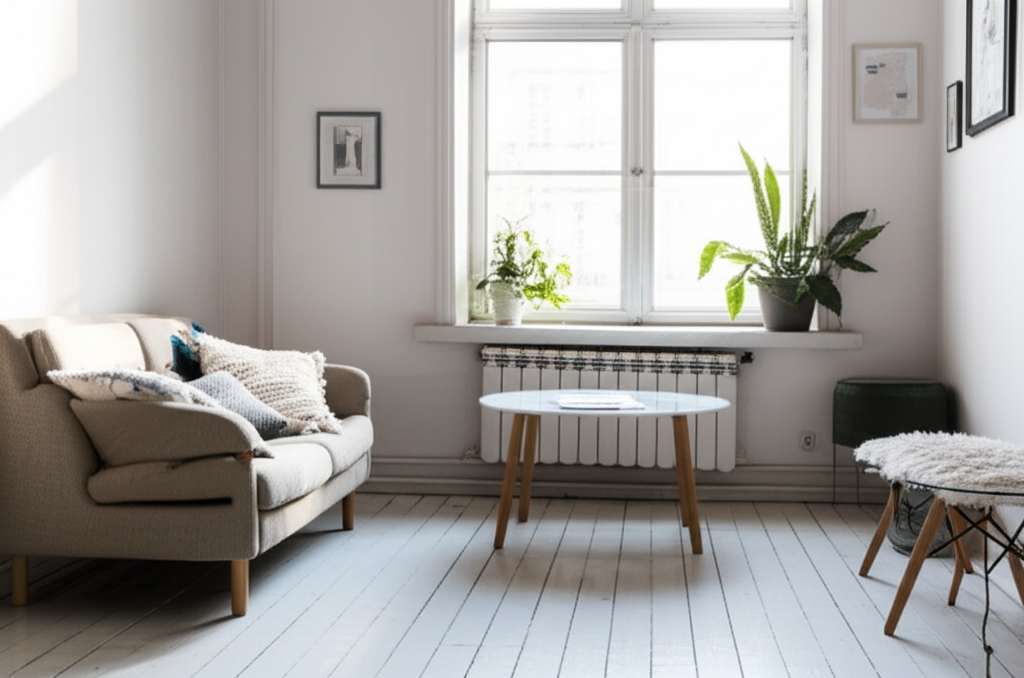
Small 1 Room Design Ideas: Effortless Solutions for Maximizing Your Space! Transform your compact living area into a stylish, functional haven with clever design tricks that make your room feel bigger and more organized. Discover smart furniture, brilliant storage, and visual illusions to create a space you’ll love.
Living in a small space, like a studio apartment or a converted room, can sometimes feel a bit cramped. It’s easy to get overwhelmed when you’re trying to fit everything you need into one room while also wanting it to look good and feel comfortable.
But don’t worry! Designing a small one-room space doesn’t have to be a challenge. With a few smart ideas and simple strategies, you can unlock your room’s full potential, making it feel spacious, organized, and totally you.
We’ll walk through easy-to-implement solutions that will help you create a beautiful and functional living area, no matter how tiny it is. Get ready to fall in love with your small space!
Unlock the Magic of Multifunctional Furniture
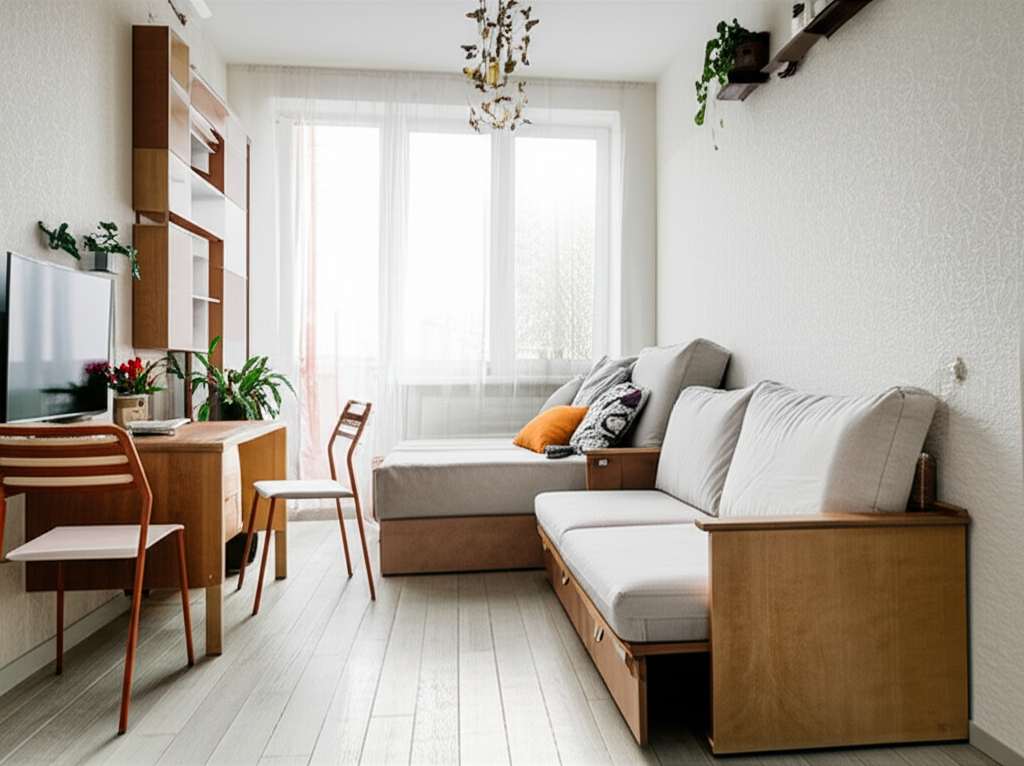
In a small one-room design, every piece of furniture needs to earn its keep. The secret weapon for small spaces is furniture that can do more than one job. Think of it as a superhero for your room, transforming from one function to another seamlessly.
This approach not only saves precious floor space but also keeps your room feeling tidy and uncluttered. When furniture has multiple uses, you need fewer items overall, which is a win-win for both style and practicality.
Sofa Beds: The Ultimate Space Saver
A sofa bed is a classic for a reason. By day, it’s a comfortable place to relax, watch TV, or read. By night, it easily transforms into a bed, perfect for sleeping without dedicating a whole separate area to a permanent bed. This is ideal for studio apartments or guest rooms.
Look for modern designs that are stylish enough to be your primary sofa and easy to operate. Many come with built-in storage for bedding, adding another layer of functionality.
Ottomans and Poufs with Storage
These versatile pieces can serve as extra seating, a footrest, or even a makeshift coffee table when topped with a tray. The real magic happens when they offer hidden storage inside. They’re perfect for stashing blankets, magazines, remotes, or even seasonal clothing.
They add a touch of texture and color to your room while keeping clutter out of sight. Choose a few in different sizes to create a dynamic look.
Nesting Tables: Flexibility at Your Fingertips
Nesting tables are a set of smaller tables that fit snugly under a larger one. You can pull them out when you need extra surface area for guests, snacks, or work, and then tuck them away neatly when they’re not in use. This is a fantastic solution for a small living area or a bedside table.
They are available in various materials, from wood to metal, allowing you to match them with your existing decor. Their ability to be used and then disappear is a true space-saving marvel.
Fold-Down Desks and Tables
A wall-mounted fold-down desk or table is a game-changer for areas that need to serve as both living and working spaces. When you need a desk, simply fold it down. When you’re done working, fold it back up, and it practically disappears, freeing up valuable floor space.
These are especially useful for creating a dedicated workspace in a studio apartment or a small bedroom without sacrificing precious room. Check out resources like IKEA’s small space ideas for inspiration on how these can be integrated.
Master the Art of Smart Storage Solutions
In a small one-room design, clutter is the enemy of space. Effective storage isn’t just about hiding things; it’s about organizing them so your room feels calm and expansive. Think vertically and cleverly!
Maximizing storage means finding homes for everything, so your surfaces stay clear and your mind stays at ease. Let’s explore some ingenious ways to store your belongings without making your room feel smaller.
Go Vertical: Utilize Wall Space
Don’t let your walls go to waste! Shelving units, wall-mounted cabinets, and floating shelves are your best friends in a small room. They draw the eye upward, creating an illusion of height, and provide ample storage without taking up floor space.
Floating shelves are particularly sleek and modern, perfect for displaying decor or storing books. Taller, narrower shelving units can fit into tight corners or alcoves, providing substantial storage capacity. For more inspiration on stylish and functional shelving, check out our guide to stylish kitchen storage accessories.
Under-Bed Storage: The Hidden Gem
The space under your bed is often overlooked but offers a huge opportunity for storage. Invest in under-bed storage bins, drawers, or even a bed frame with built-in storage. These are perfect for keeping extra bedding, off-season clothing, shoes, or less frequently used items.
Using containers with lids will protect your items from dust and keep everything looking neat and tidy. This simple solution can free up closet space and reduce overall clutter.
Behind-the-Door Organizers
The back of your doors is prime real estate! Over-the-door organizers with pockets are fantastic for storing shoes, toiletries, cleaning supplies, accessories, or craft supplies. They are inexpensive and incredibly effective at keeping items organized and out of sight.
Consider a pantry-style organizer for a small kitchen area within your room, or a shoe organizer for an entryway. It’s a simple hack that makes a big difference.
Stylish Baskets and Bins
Attractive baskets and decorative bins can serve a dual purpose: storage and decor. Use them on shelves, in cabinets, or even on the floor to corral items like blankets, magazines, toys, or electronics. They add texture and visual interest while keeping clutter contained.
Choose materials that complement your room’s style, such as woven seagrass, metal, or fabric. Grouping them together can create a cohesive look.
Create Zones for Different Activities
Even in a single room, it’s important to define distinct areas for sleeping, working, relaxing, and eating. This creates a sense of order and purpose, making the space feel larger and more functional. Think of it as mentally dividing your room into smaller, manageable zones.
Using furniture placement, rugs, and lighting can help delineate these areas without the need for permanent walls. This makes your small space feel more like a well-planned home.
Rugs as Zone Markers
Area rugs are incredibly effective at defining different zones. Place a rug under your seating area to create a cozy living room space. Use a smaller rug by your bed to anchor your sleeping zone. This visual separation helps to break up the room and give each area its own identity.
The texture and color of the rug can also add warmth and personality to your room. For example, a plush rug can make a sleeping area feel more luxurious and inviting.
Furniture Placement for Definition
Strategically placing furniture can naturally divide your room. A sofa can act as a divider between a living area and a sleeping area. A bookshelf placed perpendicular to a wall can create a subtle partition. Even the orientation of your bed can signal its purpose as the sleeping zone.
Experiment with different arrangements to see what works best for your room’s layout and your daily routine. Sometimes, a simple shift can make a world of difference.
Screens and Room Dividers
For more distinct separation, consider using a decorative screen or a stylish room divider. These can be used to visually separate your sleeping area from your living space, offering privacy and a sense of separation. They can be folded away when not needed, adding to their practicality.
Options range from lightweight, foldable screens to more permanent shelving units that act as dividers. This is a great way to create a more defined bedroom area within a studio.
Visual Tricks to Make Your Room Feel Bigger
Sometimes, the best way to make a small room feel larger is through clever visual illusions. These design tricks can fool the eye into perceiving more space than is actually there, making your room feel open and airy.
These techniques are subtle but powerful, and they can significantly impact the perceived size and atmosphere of your one-room living space. Let’s explore how to create that expansive feel.
Light Colors and Mirrors
Light paint colors, such as whites, creams, pastels, and light grays, reflect more light, making a room feel brighter and more open. Mirrors are also fantastic for creating the illusion of space. They reflect light and the view, making the room appear larger and deeper.
Placing a large mirror opposite a window can maximize natural light and create a sense of depth. You can also use a gallery wall of smaller mirrors for a similar effect.
Strategic Lighting
Good lighting is crucial for making a small room feel inviting and spacious. Avoid a single overhead light, which can create dark corners. Instead, layer your lighting with floor lamps, table lamps, and wall sconces to illuminate the space evenly.
Uplighting can draw the eye upward, making ceilings appear higher. Natural light is your best friend; keep windows unobstructed and use sheer curtains if privacy is a concern.
Declutter Ruthlessly
This is perhaps the most impactful visual trick of all. A cluttered room, no matter how well-designed, will always feel smaller. Regularly decluttering and organizing your belongings is essential. Less stuff means more visual space.
Adopt a “one in, one out” policy for new purchases. This ensures you don’t accumulate unnecessary items. A tidy room is a visually larger room.
Furniture Scale and Placement
Avoid over-furnishing your space with bulky items. Opt for furniture that is proportionate to the size of your room. Furniture with visible legs can also make a room feel more open, as it allows light and sightlines to pass underneath.
Try to keep furniture away from walls where possible; even a few inches can create a sense of breathing room. Arrange furniture to facilitate easy movement through the space.
Decorating with a Small Palette and Style
When decorating a small one-room space, it’s tempting to try to fit too much in. A cohesive color palette and a defined style can prevent your room from looking chaotic and instead make it feel intentionally designed and larger.
Choosing a few key colors and sticking to a clear design theme will create a harmonious and visually appealing space. This focus helps your room feel more curated and less cluttered.
Choose a Limited Color Palette
Stick to a few main colors for your walls, furniture, and decor. A monochromatic or analogous color scheme (colors next to each other on the color wheel) can create a calm and unified feel. Light, neutral colors are excellent for making a space feel larger.
You can introduce pops of accent color through smaller decor items like pillows, artwork, or a vase. This adds personality without overwhelming the space.
Embrace Minimalism and Clean Lines
Minimalist design often works best in small spaces. Opt for furniture with clean lines and simple silhouettes. Avoid overly ornate or bulky pieces that can visually weigh down the room. The less visual clutter, the more spacious your room will feel.
Think about multi-functional furniture that is also aesthetically pleasing and streamlined. This approach prioritizes function and simplicity, which are key for small-room success. For more minimalist inspiration, explore our collection of minimal decor ideas for kitchens.
The Power of Scale in Artwork and Decor
In a small room, one large piece of artwork can make a bigger impact and feel less cluttered than a gallery wall of many small pieces. Similarly, choose decor items that are proportionate to the space. Avoid too many small knick-knacks that can contribute to a cluttered look.
A well-chosen statement piece can draw the eye and add personality without overwhelming the room. Consider vertical artwork to emphasize height.
DIY and Budget-Friendly Hacks
You don’t need a huge budget to create a stylish and functional one-room design. Many impressive transformations can be achieved with a little creativity and some smart DIY projects. Focus on impact without breaking the bank.
These affordable solutions prove that great design is accessible to everyone, regardless of their budget. Let’s get resourceful!
Repurpose and Upcycle
Look around your home or at thrift stores for items you can repurpose. An old wooden crate can become a stylish side table or storage unit. Jars can be used for organizing small items. Painting old furniture can give it a completely new look.
Upcycling is not only budget-friendly but also a sustainable way to decorate. It adds unique character to your space that you won’t find anywhere else.
DIY Wall Art and Decor
Create your own wall art using inexpensive materials. Stretched canvas, paint, and stencils can be used to make striking abstract pieces. Pressed flowers or leaves can be framed for a natural touch. Even a beautifully arranged collection of books can serve as decor.
Pinterest and YouTube are brimming with DIY decor tutorials that are easy to follow and can yield professional-looking results. For example, check out Better Homes & Gardens DIY decorating ideas for inspiration.
Smart Paint Choices
A fresh coat of paint can dramatically transform a room for a low cost. Consider painting an accent wall in a bolder color to add depth, or use a lighter color to maximize light. Painting the ceiling a lighter shade than the walls can make the room feel taller.
Matte finishes absorb light, while satin or semi-gloss finishes reflect it. Choose a finish that suits the mood you want to create.
Consider an IKEA Hack
IKEA furniture is known for its affordability and modularity, making it a popular choice for small spaces. Many IKEA items can be customized or “hacked” to create unique and high-end-looking pieces. Think about adding new hardware, painting cabinets, or combining units in unexpected ways.
Online communities dedicated to IKEA hacks offer endless inspiration for transforming basic pieces into bespoke solutions. The possibilities are truly vast for creating custom storage and furniture.
Quick Tips for Instant Impact
Sometimes, you just need a few quick wins to make your small space feel better right away. These simple tips can be implemented in an afternoon and offer immediate improvements to both the look and feel of your room.
These are the little things that add up, making your one-room living experience more enjoyable and stylish. Let’s add some finishing touches!
- Maximize natural light: Keep windows clean and unobstructed. Use sheer curtains.
- Add plants: Greenery brings life and color, making a space feel more inviting.
- Use vertical storage: Install shelves or wall units to free up floor space.
- Mirrors are your friend: Strategically placed mirrors create an illusion of depth.
- Declutter regularly: Less stuff equals more perceived space.
- Layer lighting: Use a mix of ambient, task, and accent lighting.
- Keep surfaces clear: A tidy coffee table or nightstand makes a big difference.
FAQ: Your Small Space Design Questions Answered
Q1: How can I make my small one-room apartment feel bigger?
Use light colors on walls and ceilings, incorporate mirrors to reflect light and space, opt for multi-functional furniture, and keep clutter to a minimum. Vertical storage and strategic lighting also play a big role.
Q2: What kind of furniture is best for a small one-room design?
Choose furniture that is multi-functional, such as sofa beds, ottomans with storage, and nesting tables. Furniture with visible legs can also make the room feel more open. Prioritize pieces that are proportionate to the room size.
Q3: Is it okay to use dark colors in a small room?
While light colors generally make a space feel bigger, you can use dark colors strategically. Consider an accent wall in a deep hue or use dark colors for smaller decor items. The key is balance and ensuring enough light to prevent the room from feeling closed in.
Q4: How do I create separate zones in a studio apartment?
Use area rugs to define different functional areas like the living space and sleeping space. Furniture placement, such as using a sofa as a divider, and room screens or decorative dividers can also help establish distinct zones.
Q5: What are some budget-friendly ways to decorate a small room?
Repurpose and upcycle old items, create your own DIY wall art, use smart paint techniques, and look for affordable furniture from places like IKEA. Focus on impactful, low-cost changes like adding plants or new hardware to existing furniture.
Q6: How much clutter is too much for a small room?
Any clutter that obstructs pathways, covers surfaces, or makes it difficult to find things is too much. In a small space, visual clutter directly impacts the feeling of spaciousness. Aim for clear surfaces and organized storage for everything.
Conclusion: Embrace Your Cozy Corner
Designing a small one-room space doesn’t mean sacrificing style or functionality. By embracing multifunctional furniture, mastering smart storage, defining distinct zones, and using visual tricks, you can transform even the coziest of spaces into a comfortable, stylish, and expansive-feeling haven.
Remember, the goal is to make your room work for you, reflecting your personality and lifestyle. With these effortless solutions, you can create a space that feels larger, more organized, and truly enjoyable. So go ahead, experiment, get creative, and make your small room your favorite place to be!