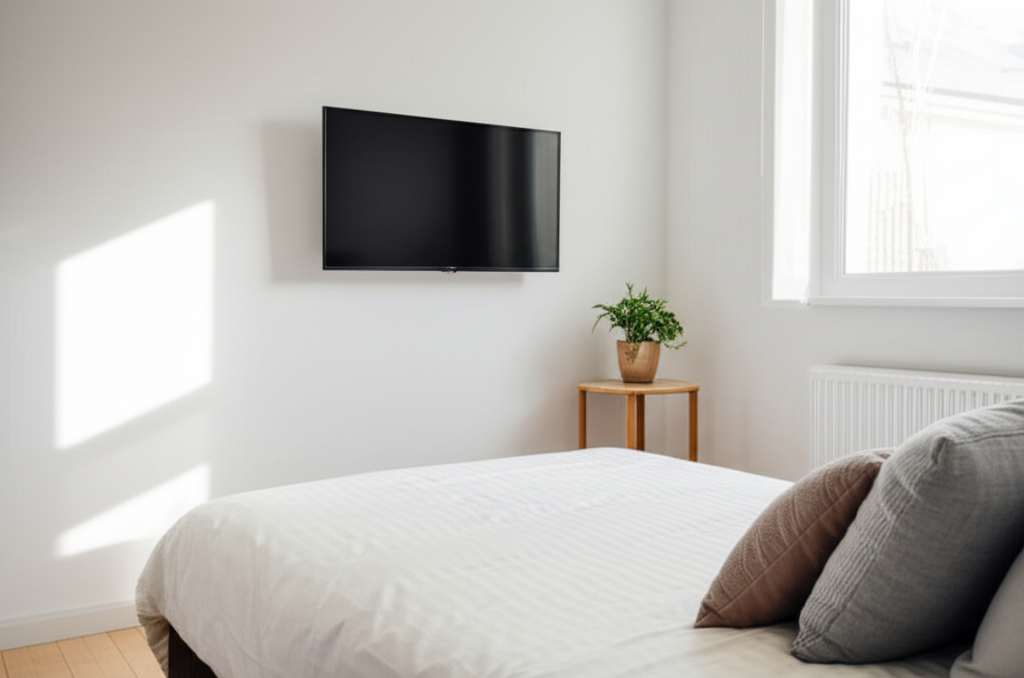
Small bedroom design ideas with a TV focus on smart placement, multi-functional furniture, and illusionary space-saving techniques. Prioritize a clutter-free look and choose a TV size that fits the room’s scale.
Feeling like your small bedroom is too cramped to even think about adding a TV? You’re not alone! Many of us struggle to fit our favorite tech into cozy spaces without making them feel even smaller. It’s a common design puzzle.
But what if I told you it’s totally possible to have a stylish, comfortable bedroom with a TV, no matter the size? With a few clever tricks and smart choices, you can create a media nook that enhances your room instead of overwhelming it.
Get ready to transform your small bedroom into a functional and relaxing retreat. We’ll cover everything from where to put your TV to choosing the right furniture. Let’s make your dream bedroom a reality!
Small Bedroom Design Ideas With TV: Essential Tips for a Cozy Space

Designing a small bedroom with a TV can feel like a balancing act. You want the comfort of entertainment without sacrificing precious space or making the room feel cluttered. The key is to be strategic and creative. We’ll explore how to integrate a TV seamlessly, making your bedroom a more enjoyable sanctuary.
Think of your TV as just another element in your room, like a piece of art or a lamp. With the right approach, it can blend in beautifully, adding to the room’s ambiance rather than detracting from it.
1. Strategic TV Placement: The Foundation of Your Design
Where you put your TV makes a huge difference in how your small bedroom feels. The goal is to position it so it’s easy to watch without dominating the room or blocking pathways. Consider how you use your bedroom most – is it for lounging, sleeping, or both?
For smaller rooms, mounting the TV on the wall is often the best solution. This frees up floor space and creates a sleek, modern look. It also keeps the TV out of the way of furniture and foot traffic, which is crucial in tight quarters. If wall mounting isn’t an option, consider placing it on a slim console or a dedicated media stand that doesn’t take up too much visual or physical space.
Wall-Mounting Magic
Mounting your TV directly onto the wall is a game-changer for small bedrooms. It eliminates the need for bulky entertainment centers and instantly makes the room feel more open. You can mount it above a dresser, a low-profile media console, or even in a corner using a swivel mount to adjust the viewing angle.
When wall-mounting, ensure you’re drilling into wall studs or using appropriate anchors for your wall type to ensure safety and stability. It’s a good idea to consult a professional if you’re unsure about the process. Check out resources like NAHB’s DIY Wall Mounting Guide for helpful tips.
Alternative Placements
If wall mounting isn’t feasible, consider a slim, floating TV stand. These can be mounted to the wall but offer a surface for your TV and maybe a few small decorative items. Another smart idea is to place the TV on top of a dresser. Ensure the dresser is sturdy and the TV is appropriately sized for the dresser’s width to prevent accidents. A corner unit can also be a space-saver, tucking the TV away neatly.
2. Choosing the Right TV Size for Your Space
In a small bedroom, the size of your TV matters significantly. A giant screen can easily overpower the room, making it feel like a home theater rather than a cozy bedroom. The aim is to find a balance between an enjoyable viewing experience and maintaining the room’s proportions.
Generally, for most small bedrooms, a TV in the 32-inch to 43-inch range is ideal. This size provides a good viewing experience without being overwhelming. If your bedroom is particularly tiny, you might even consider a smaller TV, perhaps around 24 inches.
Screen Size vs. Viewing Distance
The ideal TV size also depends on how far away you’ll be sitting from it. A general rule of thumb is that the optimal viewing distance is about 1.5 to 2.5 times the diagonal screen measurement for HD TVs, and about 1 to 1.5 times for 4K TVs. For a small bedroom where you might be sitting close, a smaller screen is usually best.
For instance, if your bed is 6 feet away from where the TV will be mounted, a 40-inch TV would be a good fit. You can use online calculators or simply measure your space to get a better idea. The Rtings.com TV Size to Distance Calculator is a great tool to help you figure this out.
Consider Smart TVs
Many modern TVs are “smart” TVs, meaning they connect to the internet and allow you to stream content directly without extra devices like streaming sticks. This can reduce clutter, as you won’t need to plug in as many accessories. Plus, many smart TVs have sleek, thin bezels that make them look more modern and less intrusive.
3. Smart Furniture Solutions: Maximizing Space and Functionality
When space is limited, every piece of furniture needs to work hard. This is especially true when incorporating a TV. Think about furniture that serves multiple purposes or is designed with space-saving in mind.
Consider a media console that also offers storage, a bed frame with built-in drawers, or even a wall unit that can house your TV along with shelving for books and decor. These items help keep your room tidy and functional.
Multi-Functional Furniture
A bed with integrated storage is a fantastic solution for small bedrooms. Drawers under the bed can hold extra linens, clothing, or even books, helping to keep the room clutter-free. This means you can potentially forgo a separate dresser, freeing up wall space for your TV.
Another option is a floating desk or shelf that can serve as a workspace during the day and a surface for your TV at night. Look for slim, minimalist designs that don’t add visual bulk.
Entertainment Units Designed for Small Spaces
If you prefer a dedicated unit for your TV, opt for slim, vertical designs. Tall, narrow media units draw the eye upward, making the room feel larger. Look for units with closed storage to hide away electronics, cables, and other items, maintaining a neat appearance.
Some units are designed specifically to be mounted on the wall, creating a floating effect that further enhances the sense of space. These can often be customized with shelving and cabinet configurations to suit your needs.
The Importance of Scale
When choosing furniture, always consider its scale relative to the room. An oversized dresser or entertainment center will make a small bedroom feel even smaller. Opt for pieces that are proportionate to the room’s dimensions. Think about the visual weight of furniture – lighter colors and leggy designs can make pieces feel less imposing.
4. Cable Management: The Secret to a Clutter-Free Look
Visible wires and cables can instantly make a small bedroom look messy and cramped. Effective cable management is crucial for achieving a clean, streamlined look, especially when you have a TV and its accompanying devices.
There are many simple and affordable ways to hide or organize cables. This can involve using cable ties, clips, sleeves, or even hiding them within furniture. A tidy setup not only looks better but also makes cleaning easier and reduces tripping hazards.
Hiding Cables
One of the most effective methods is to run cables behind the wall. This requires a bit more effort but provides the cleanest look. You can use a cord concealment kit to create a channel for your wires. If you’re not comfortable with DIY, a professional installer can do this for you.
Other methods include using cable raceways that stick to the wall or furniture, or cable sleeves that bundle multiple wires together. These are easy to install and can be painted to match your wall color for a seamless finish.
Utilizing Furniture for Concealment
If your TV is placed on a console or dresser, you can often hide cables behind it. Many modern media units come with built-in cable management ports. If yours doesn’t, you can use adhesive cable clips to route wires down the back of the unit and then along the floor or wall to the nearest outlet.
Consider furniture with built-in storage. A cabinet or a drawer can easily conceal power strips and excess wiring, keeping your entertainment area looking neat and organized.
5. Lighting and Decor: Enhancing the Atmosphere
Once your TV is in place and cables are managed, it’s time to think about the overall ambiance of your small bedroom. Lighting and decor play a significant role in making the space feel inviting and spacious, even with a TV present.
Consider how light affects your viewing experience and the room’s perceived size. Soft, layered lighting is often best for bedrooms, creating a cozy atmosphere perfect for watching movies or relaxing.
Layered Lighting Solutions
Avoid relying on a single overhead light. Instead, use a combination of lighting sources. Table lamps on nightstands, a floor lamp in a corner, and task lighting (like a reading lamp) can create depth and warmth. Dimmable lights are also excellent for adjusting the mood.
For TV viewing, consider bias lighting – a soft light placed behind the TV. This reduces eye strain by creating a more comfortable viewing environment and can make the screen appear to pop out from the wall, enhancing the viewing experience.
Mirrors and Color Palette
Mirrors are a small bedroom’s best friend! They reflect light and create the illusion of more space. Placing a mirror opposite a window or on a large wall can significantly open up the room. A mirrored wardrobe door is another excellent way to add reflectivity without taking up extra wall space.
When it comes to color, light and neutral tones tend to make a room feel larger and airier. Think whites, creams, light grays, and soft pastels. You can add pops of color with accessories like throw pillows, blankets, or artwork. If you have a dark TV, consider a light-colored accent wall behind it to make it less of a focal point when it’s off.
6. Creating a Cozy Viewing Nook
Even in a small bedroom, you can create a dedicated and comfortable space for watching TV. This involves arranging your furniture in a way that prioritizes relaxation and a good viewing angle.
Your bed will likely be the primary viewing spot. Ensure it’s positioned so you have a clear line of sight to the TV. If you have a small armchair or a comfortable floor cushion, you can add an extra seating option without taking up too much room.
Bed Placement is Key
Think about the orientation of your bed in relation to the TV. You want to be able to watch comfortably without craning your neck or feeling like you’re too close. If the TV is mounted on a wall, ensure it’s at a height that’s comfortable when you’re lying down or sitting up in bed. Generally, the center of the screen should be at eye level when you’re in your typical viewing position.
Accessorize for Comfort
Add cozy elements to your viewing area. Plush throw pillows, a soft blanket, and perhaps a small side table for drinks or snacks can elevate the experience. If space is very tight, consider a slim side table that can tuck under the bed or a wall-mounted shelf.
7. Decluttering and Organization: The Unsung Heroes
A small bedroom with a TV can quickly become a visual mess if not kept organized. Decluttering is paramount. Before you even think about furniture placement or decor, take stock of what you have and what you need.
The less you have, the more spacious your room will feel. Regularly go through your belongings and donate or discard anything you no longer use or need. This applies to everything from clothes and books to electronic accessories.
Smart Storage Solutions
Utilize vertical space with shelving units or wall-mounted shelves. These are great for books, decorative items, and even small electronics. Under-bed storage containers are excellent for stashing away seasonal items or extra bedding.
Consider multi-functional furniture that includes storage, such as ottomans with hidden compartments or beds with drawers. Wall-mounted nightstands can also save floor space and offer a bit of storage.
Keep Surfaces Clear
Try to keep surfaces like your dresser, nightstands, and any media consoles as clear as possible. This makes the room feel more open and less chaotic. Store items in drawers, baskets, or bins to maintain a tidy appearance.
For your TV area, only display essential items. A few well-chosen decorative pieces are better than a cluttered shelf. This principle is often referred to as “visual weight” in design – less visual weight equals a more spacious feel.
Frequently Asked Questions (FAQ)
Q1: Can I put a TV in a very small bedroom?
Absolutely! Even the smallest bedrooms can accommodate a TV. The key is to be strategic with placement, choose an appropriately sized TV, and use space-saving furniture and organization techniques.
Q2: What is the best way to mount a TV in a small bedroom?
Wall-mounting is usually the best option as it saves floor space and creates a sleek look. You can mount it above a dresser, a low-profile media console, or even in a corner. Ensure it’s mounted securely into studs or with appropriate anchors.
Q3: How big should my TV be for a small bedroom?
For most small bedrooms, a TV between 32 and 43 inches is ideal. Consider the viewing distance from your bed to ensure a comfortable experience without the TV overpowering the room.
Q4: How can I hide TV cables in a small bedroom?
You can hide cables using cable management kits to run them behind the wall, adhesive cable clips, cable sleeves, or by utilizing furniture with built-in cable management features. Keeping cables out of sight is crucial for a clean look.
Q5: Should I use a TV stand or mount it in a small room?
Mounting is generally preferred for space-saving. If you must use a stand, opt for a slim, wall-mounted floating unit or a narrow console that doesn’t take up much visual or physical space. Prioritize units that offer storage to reduce clutter.
Q6: How can I make my small bedroom feel bigger with a TV?
Use light colors, mirrors to reflect light and space, and furniture that is scaled appropriately for the room. Wall-mounting the TV and managing cables effectively also contribute to a less cluttered, more spacious feel.
Q7: What kind of furniture works best for a small bedroom with a TV?
Multi-functional furniture is best. Think beds with storage drawers, slim media consoles, wall-mounted shelves, and floating desks. These items provide utility without consuming excessive space.
Conclusion
Designing a small bedroom with a TV doesn’t have to be a challenge. By implementing these essential tips, you can create a functional, stylish, and comfortable space that perfectly balances your need for relaxation and entertainment. Remember to prioritize smart placement, choose the right TV size, and invest in multi-functional furniture.
Effective cable management and thoughtful decor will ensure your room feels spacious and inviting. Don’t forget the power of decluttering and organization to keep your sanctuary serene. With these strategies, your small bedroom can become your favorite place to unwind and enjoy your favorite shows or movies.
Go ahead and apply these ideas to your own space. You’ll be amazed at how much of a difference these simple, creative solutions can make. Happy decorating!
If you’re looking to extend these space-saving principles to other areas of your home, explore our guide on 10 Cozy Small Kitchen Ideas: Amazing Makeovers for more inspiration.
For those who love a clean, uncluttered aesthetic, our article on 10 Minimal Decor Ideas For Kitchens: Amazing Makeover offers practical tips that can complement your bedroom design philosophy.
Finally, if you’re upgrading your tech setup, check out 12 Modern Kitchen Gadgets 2025: Essential Upgrades to discover smart devices that blend seamlessly into compact living spaces.