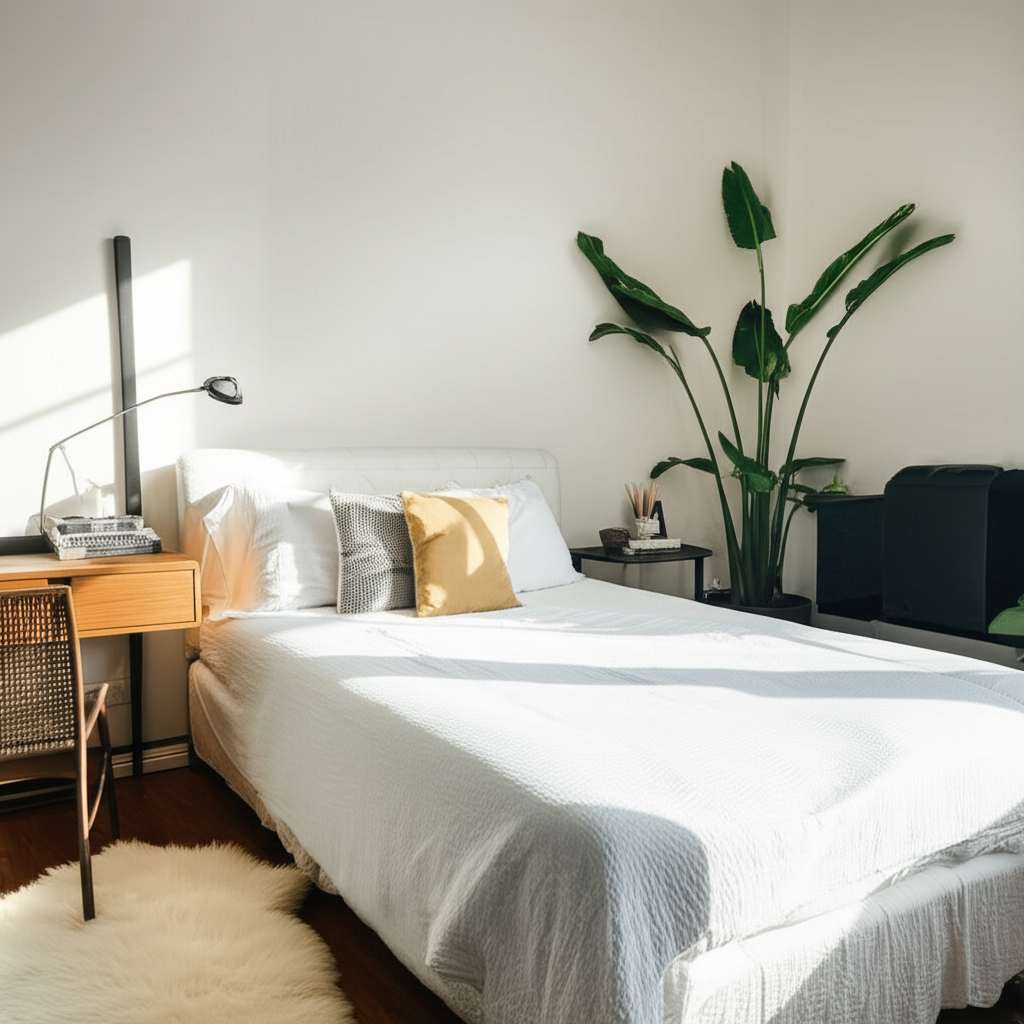
Transforming a small bedroom for adults is achievable with smart strategies like maximizing vertical space, using multi-functional furniture, and employing light-enhancing decor. These tips ensure your compact space feels spacious, organized, and stylish without feeling cramped.
Feeling a little tight on space in your adult bedroom? You’re not alone! Many of us have bedrooms that aren’t exactly palatial. It can feel frustrating when your personal sanctuary feels more like a storage closet.
But don’t worry, making a small bedroom feel bigger and more stylish is totally doable. It’s all about using smart tricks and creative ideas.
We’ll walk through simple, effective ways to maximize your space. Get ready to love your bedroom again, no matter its size!
Small Bedroom Ideas For Adults: Essential Tips
Having a small bedroom doesn’t mean you have to sacrifice style or functionality. With a few clever tricks, you can create a cozy, organized, and beautiful adult bedroom that feels much larger than it is. Let’s dive into the essential tips that will transform your space.
1. Declutter Ruthlessly: The Foundation of a Spacious Room
Before you even think about furniture or decor, the most crucial step is decluttering. A cluttered room instantly feels smaller and more chaotic.
One In, One Out Rule: For every new item you bring into your bedroom, get rid of an old one. This applies to clothes, books, decor, and anything else.
Seasonal Purge: Set aside time each season to go through your belongings. Donate or sell anything you haven’t used or worn in the last year.
Designated Zones: Assign specific places for everything. When items have a home, they are less likely to end up scattered around. This helps maintain a tidy appearance, making the room feel airier.
2. Maximize Vertical Space: Go Up, Not Out
When floor space is limited, the walls become your best friend. Utilize the height of your room to store items and draw the eye upwards.
Tall Bookshelves and Storage Units: Opt for slim, tall bookshelves or cabinets instead of wide, low ones. This draws the eye up, making the ceiling appear higher. Look for units that go all the way to the ceiling if possible.
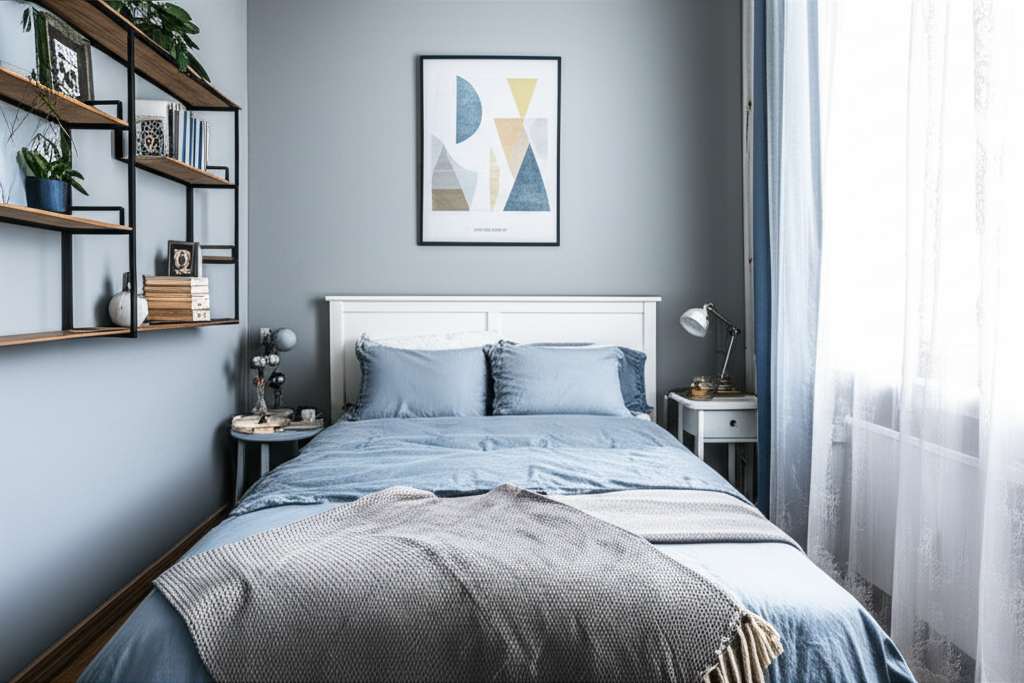
Floating Shelves: These are fantastic for displaying decor, books, or even small plants without taking up floor space. They create a clean, minimalist look.
Wall-Mounted Desks and Nightstands: Consider furniture that mounts directly to the wall. This frees up valuable floor space and contributes to a more open feel.
Over-the-Door Organizers: These are perfect for shoes, accessories, or toiletries, keeping clutter off surfaces and floors.
3. Smart Furniture Choices: Multi-functional and Scaled Right
The furniture you choose makes a huge difference in how a small bedroom feels. Opt for pieces that serve multiple purposes and are appropriately sized.
The Bed is Key:
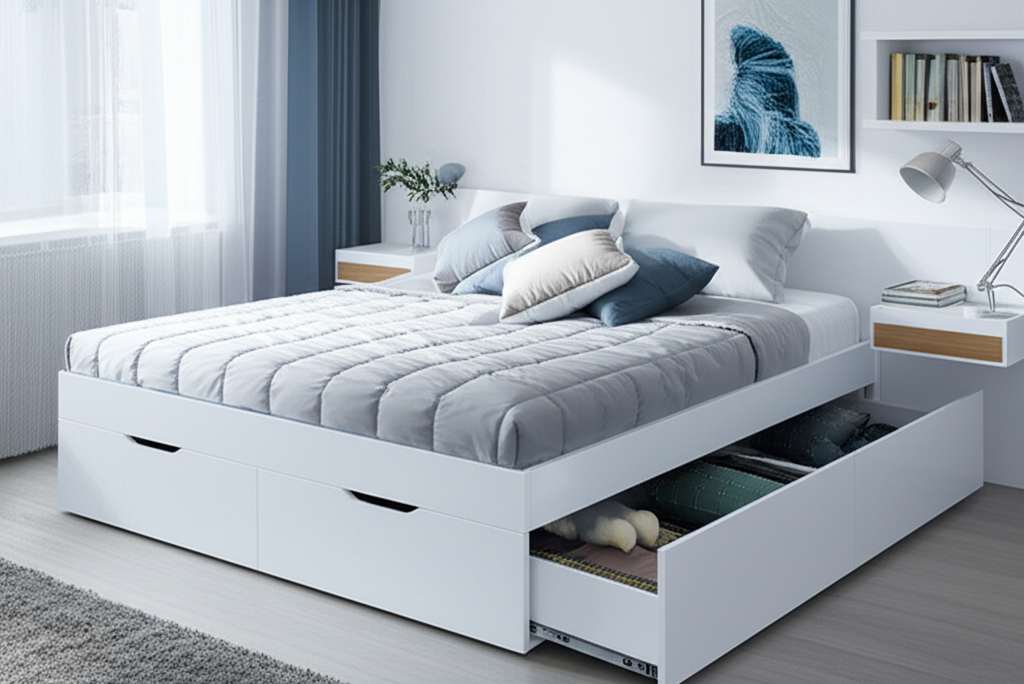
Storage Beds: Beds with built-in drawers or a lift-up mechanism are goldmines for storing linens, seasonal clothing, or extra blankets.
Platform Beds: These often have a lower profile and can make the room feel more open. Some also offer under-bed storage space.
Murphy Beds: If your bedroom doubles as a home office or living area, a Murphy bed that folds up into the wall can be a game-changer, freeing up significant floor space during the day.
Multi-functional Ottomans and Benches: A storage ottoman can serve as a footrest, extra seating, and a place to stash blankets or books. A bench at the foot of the bed can also provide storage.
Nesting Tables: Instead of a bulky side table, consider a set of nesting tables. They can be pulled out when needed and tucked away to save space.
Slim Profile Furniture: Choose furniture with slender legs and a minimalist design. This creates a sense of lightness and prevents the room from feeling visually heavy.
4. The Power of Light Colors and Mirrors
Light colors and strategic use of mirrors are classic techniques for making any space feel larger and brighter.
Light Paint Colors: Whites, creams, pastels, and light grays reflect light and make walls recede, creating an illusion of more space. Consider painting the ceiling a lighter shade than the walls to enhance this effect.
Monochromatic or Tonal Palettes: Sticking to a limited color palette, often with variations of a single color, can create a cohesive and expansive feel. This avoids visually breaking up the space with too many contrasting colors.
Mirrors, Mirrors Everywhere:
Large Wall Mirror: A large mirror, especially placed opposite a window, will reflect light and the view, instantly doubling the perceived size of the room.
Mirrored Furniture: Wardrobe doors with mirrored panels or a mirrored dresser can add depth and reflect light.
Strategic Placement: Think about what the mirror will reflect. Aim for it to reflect a window, a piece of art, or an open space, rather than a cluttered corner.
5. Smart Lighting: Brighten Up Every Corner
Adequate and well-placed lighting is essential for making a small bedroom feel inviting and spacious. Avoid relying on a single overhead light.
Layer Your Lighting: Combine ambient (general), task (reading, working), and accent (decorative) lighting.
Wall Sconces: These save precious surface space on nightstands and can provide excellent reading light.
Pendant Lights: A stylish pendant light can add a decorative element without taking up floor space. Choose one that’s appropriately scaled for the room.
Uplighting: Placing lamps that shine upwards can make the ceiling appear higher, contributing to a sense of spaciousness.
Natural Light: Maximize natural light by using sheer curtains or blinds that can be easily opened. Keep windows unobstructed.
6. Clever Storage Solutions: Tucking Away the Clutter
Effective storage is key to maintaining a serene and spacious small bedroom. Think creatively about where you can stash your belongings.
Under-Bed Storage: Use rolling bins or drawers designed to fit under the bed. This is ideal for items you don’t need daily.
Wall-Mounted Organizers: Utilize wall space with pegboards, wall grids, or mounted baskets for smaller items like accessories, toiletries, or stationery.
Inside Wardrobe Optimization: Use shelf dividers, hanging organizers, and drawer inserts to make the most of every inch within your closet.
Decorative Storage: Baskets, decorative boxes, and stylish trunks can provide hidden storage while also adding to your room’s decor.
Headboard with Storage: Some headboards come with built-in shelves or compartments, perfect for books, a phone, or a small lamp.
7. Visual Tricks to Create an Illusion of Space
Beyond color and mirrors, several other visual tricks can make your small bedroom feel larger.
Vertical Stripes: Whether in wallpaper, paint, or textiles, vertical patterns draw the eye upward, making the ceiling seem higher.
Leggy Furniture: Furniture with visible legs (like a sofa or dresser) creates an airy feel because you can see the floor underneath. This makes the room appear less cluttered and more open.
Keep Floors Clear: The more floor space you can see, the larger the room will feel. Avoid large rugs that can visually chop up the space, or opt for a lighter-colored rug.
Minimalist Decor: Avoid overcrowding surfaces with too many knick-knacks. Choose a few well-placed decorative items that have impact.
Wall-Mounted TV: Mounting your television on the wall frees up floor or dresser space.
8. Strategic Layout: Arranging Your Furniture Wisely
The way you arrange your furniture significantly impacts how spacious your room feels.
Place the Bed First: Usually, the bed is the largest piece of furniture. Place it against the longest wall or in a corner if it makes sense for traffic flow.
Traffic Flow: Ensure there’s clear space to walk around the room easily. Avoid blocking doorways or creating tight squeezes.
Consider the View: Position your bed so you can see the door. Many people find this more comforting.
Utilize Corners: Corners can be tricky. A corner shelf unit or a small corner desk can make good use of this often-underused space.
9. Choosing the Right Window Treatments
Window treatments can either enhance or detract from the feeling of space in a small bedroom.
Light and Airy Fabrics: Opt for sheer or light-colored curtains that allow natural light to filter in.
Hang Curtains High and Wide: Install curtain rods several inches above the window frame and extend them beyond the sides of the window. This makes the window appear larger and the ceiling higher.
Blinds or Shades: Simple roller shades or minimalist blinds can offer a clean look and don’t take up much visual space.
Avoid Heavy Drapes: Thick, dark, or heavily patterned curtains can make a small room feel closed in.
10. Personal Touches Without the Clutter
Your bedroom should reflect your personality, even if it’s small. The key is to be selective and intentional.
Curated Artwork: Instead of many small pieces, opt for one or two larger, impactful pieces of art.
Plants: Greenery adds life and can make a space feel fresh. Choose smaller plants or hanging varieties to save space.
Textiles: Use throws and decorative pillows to add color and texture. Choose a few that complement your color scheme.
Wall Decor: Consider wall-mounted shelves for displaying a few cherished items, or use decorative hooks for jewelry or scarves.
Aesthetic Inspiration: Small Bedroom Styles
Even with limited space, you can achieve various stylish aesthetics. Here are a few ideas:
Minimalist Haven
This style focuses on clean lines, a neutral color palette, and essential furniture. Think uncluttered surfaces, a simple platform bed, and perhaps a single piece of statement art. The emphasis is on calm and order.
Color Palette: Whites, grays, beiges, and soft natural tones.
Furniture: Sleek, low-profile pieces, often with hidden storage.
Decor: Minimal; a few carefully chosen items.
Key Feature: Emphasis on open space and tranquility.
Bohemian Retreat
Bring in warmth and personality with textures, natural materials, and a relaxed vibe. Layering rugs, adding plants, and incorporating macrame or woven elements can create a cozy bohemian feel.
Color Palette: Earthy tones, jewel tones, and pops of vibrant color.
Furniture: Natural wood, rattan, vintage pieces.
Decor: Plants, patterned textiles, eclectic art, woven baskets.
Key Feature: Cozy, eclectic, and lived-in feel.
Scandinavian Serenity
This style combines functionality with simplicity. Light colors, natural wood, and a focus on light are hallmarks. It’s about creating a bright, airy, and functional space.
Color Palette: Predominantly white and light wood tones, with accents of black or muted colors.
Furniture: Simple, functional, often with light wood finishes.
Decor: Minimal, natural elements, cozy textiles like wool or faux fur.
Key Feature: Bright, airy, functional, and cozy.
Modern Chic
Achieve a sophisticated look with clean lines, a curated color palette, and elegant finishes. This style can feel very grown-up and stylish in a small space.
Color Palette: Neutrals with bold accent colors, metallics.
Furniture: Geometric shapes, smooth finishes, often with metal accents.
Decor: Abstract art, statement lighting, sleek accessories.
* Key Feature: Sophisticated, streamlined, and polished.
Example Layout for a Small Bedroom
Let’s visualize how some of these ideas can come together. Imagine a room that is 10 feet by 12 feet.
| Furniture Item | Placement | Why it Works in a Small Space |
| :——————- | :——————————————- | :———————————————————————————————————————— |
| Bed (Queen Size) | Against the longest wall (12 ft wall), centered. | Maximizes usable floor space by consolidating the largest item. Opt for a bed with storage drawers underneath. |
| Nightstand | On one side of the bed. | A slim, wall-mounted or floating nightstand saves floor space and keeps essentials within reach. |
| Dresser/Wardrobe | On the opposite wall (10 ft wall). | Choose a tall, narrow dresser or wardrobe. Mirrored doors can enhance the sense of space. |
| Desk/Vanity | In a corner, opposite the nightstand. | A compact desk or a floating vanity can serve as a workspace or dressing area without dominating the room. Consider one with shelving above. |
| Accent Chair | In the remaining corner, near the desk. | A slim accent chair can provide extra seating without being bulky. |
| Shelving | Above the desk or bed. | Floating shelves provide display and storage without taking up floor space. |
This layout ensures clear pathways and utilizes vertical space effectively, making the room feel more open and functional for adult use.
Frequently Asked Questions (FAQ)
Here are some common questions beginners have about decorating small adult bedrooms:
Q1: What is the best color to paint a small bedroom?
A1: Light and neutral colors like white, cream, light gray, or soft pastels are best. These colors reflect light and make walls appear to recede, creating an illusion of more space.
Q2: How can I make my small bedroom feel more organized?
A2: Decluttering is the first step. Then, invest in smart storage solutions like under-bed drawers, wall-mounted shelves, and multi-functional furniture. Assign a specific place for everything to keep clutter at bay.
Q3: Is it okay to have a large bed in a small room?
A3: It depends on your priorities. If a large bed is essential for comfort, opt for a lower-profile bed frame or one with built-in storage. You’ll need to be very strategic with other furniture to compensate for the space it takes up.
Q4: What kind of lighting is best for a small bedroom?
A4: Layered lighting is ideal. Use a combination of ambient (overhead), task (reading lamps, desk lamps), and accent lighting. Wall sconces or pendant lights are great space-savers.
Q5: Should I use a lot of decor in a small bedroom?
A5: Less is more in a small space. Focus on a few meaningful decorative pieces rather than many small items. Curate your decor to add personality without creating visual clutter.
Q6: How can I make my small bedroom feel taller?
A6: Use vertical elements! Paint walls in light colors, hang curtains high and wide, use vertical stripe patterns, and opt for tall, slim furniture. Mirrors also help by reflecting light and drawing the eye upward.
Q7: What’s the most important piece of furniture for a small bedroom?
A7: The bed is usually the focal point. Choosing a bed with built-in storage, like drawers or a lift-up frame, is incredibly beneficial for maximizing space in a small adult bedroom.
Conclusion
Creating a beautiful, functional, and spacious-feeling adult bedroom from a small footprint is absolutely within reach. It’s not about having a huge room; it’s about being smart with your choices.
By embracing decluttering, maximizing vertical space, choosing multi-functional furniture, and using light and mirrors to your advantage, you can transform your compact sanctuary. Remember to focus on clever storage solutions and strategic layouts that prioritize flow and airiness.
Don’t be afraid to experiment with different styles, keeping in mind that simplicity and intention are your best allies. Your small bedroom can be a stylish retreat that perfectly suits your adult needs and reflects your personal taste. For more inspiration on minimalist design principles, check out our guide to 10 Minimal Decor Ideas For Kitchens: Amazing Makeover. Happy decorating!