
Transforming a small bedroom doesn’t require a big budget. With smart planning and creative touches, you can achieve a stylish, functional, and cozy space you’ll love. This guide offers practical, budget-friendly ideas for every beginner.
Feeling cramped in your small bedroom? You’re not alone! Many of us dream of a beautifully designed sanctuary, but the thought of expensive furniture and decor can be daunting, especially on a tight budget.
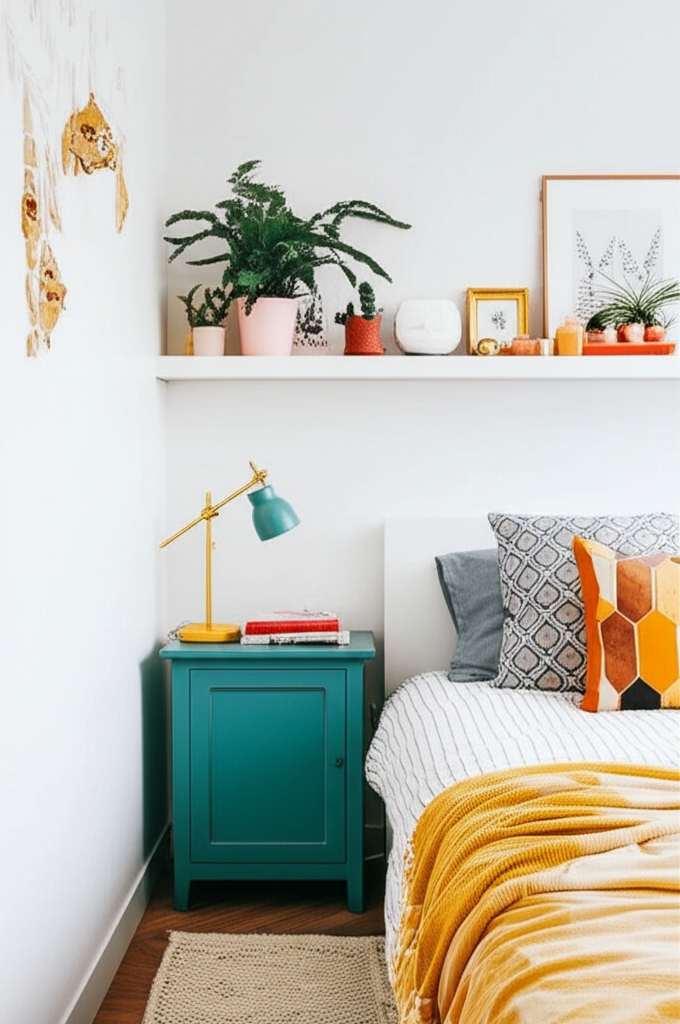
It’s easy to feel overwhelmed when you see magazine spreads and Pinterest boards. But I’m here to tell you that creating a stylish and functional small bedroom is totally achievable without breaking the bank.
We’ll walk through easy, affordable ideas step-by-step. Get ready to discover how to maximize your space and inject your personality into your room. For inspiration on small-space solutions in other areas of the home, check out these 10 Cozy Small Kitchen Ideas that prove compact spaces can be both stylish and functional.
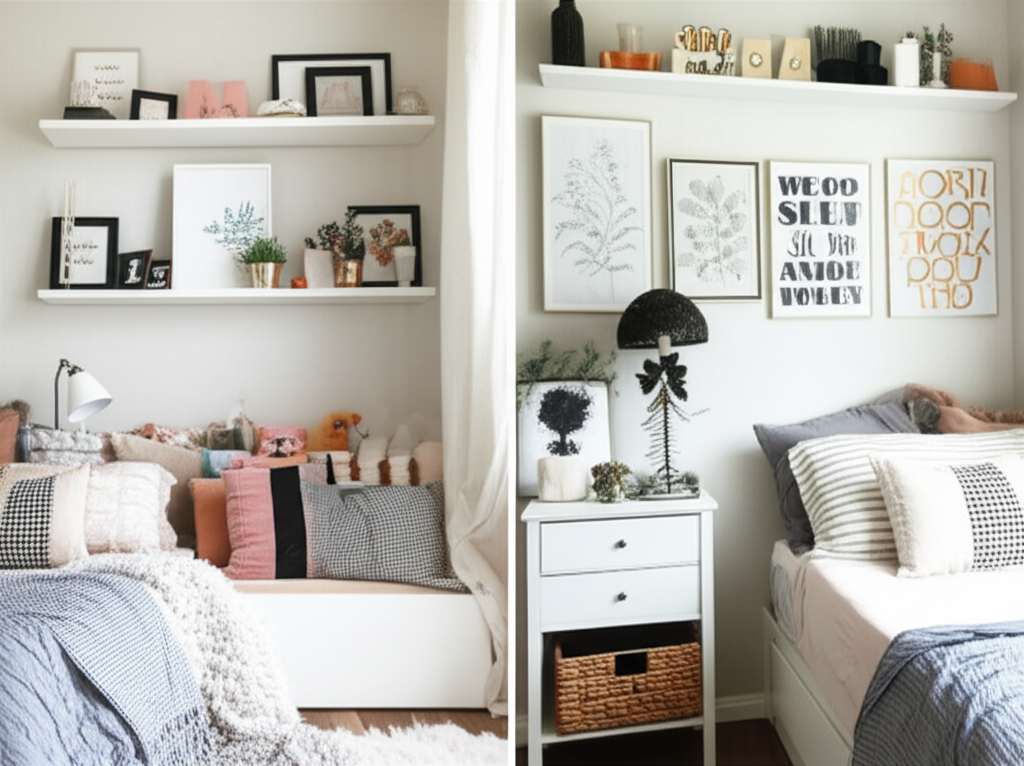
Let’s dive into making your small bedroom your favorite place to be!
Small Bedroom Interior Design Ideas: Amazing Budget Tips
Designing a small bedroom can feel like a puzzle, but it’s also an incredible opportunity for creativity. The goal is to make every inch count, ensuring your room feels spacious, organized, and reflects your personal style, all without spending a fortune.
We’ll focus on smart strategies that make a big impact. Think clever storage, multi-functional furniture, and styling tricks that create an illusion of more space. These tips are perfect for renters, students, or anyone looking to refresh their room affordably.
1. Declutter Ruthlessly: The Foundation of a Spacious Room
Before you even think about paint colors or furniture, the most crucial step for any small bedroom is decluttering. Less stuff equals more perceived space. This is the ultimate budget-friendly design tip because it costs nothing but a little time and effort.
Go through everything in your room. If you haven’t used it in a year, or if it doesn’t bring you joy or serve a purpose, it’s time to let it go. Consider selling items you no longer need to make a little extra cash for your decor budget!
- Categorize: Sort items into Keep, Donate, Sell, and Trash piles.
- Be Honest: Ask yourself if you truly need each item.
- One Area at a Time: Tackle your closet, then your dresser, then your desk. This makes the process less overwhelming.
2. Smart Storage Solutions: Maximize Every Inch
In a small bedroom, storage is king. When everything has its place, your room automatically looks bigger and more organized. Budget-friendly storage doesn’t mean sacrificing style.
Look for items that serve double duty or are designed for small spaces. Think vertically and utilize often-forgotten areas. For more clever organization hacks, explore these 10 Stylish Kitchen Storage Accessories that showcase creative ways to maximize limited space.
Floating Shelves: Wall Wonders
Floating shelves are fantastic for adding storage without taking up floor space. They’re perfect for displaying decor, books, or even holding small essentials like your phone and keys.
You can find affordable options at home improvement stores or even DIY them with a bit of wood and some brackets. Install them above your bed, desk, or dresser to draw the eye upward and utilize vertical space.
Under-Bed Storage: Hidden Treasures
The space under your bed is prime real estate! Invest in shallow storage bins or drawers that can slide neatly underneath. These are perfect for storing seasonal clothing, extra bedding, or shoes.
Look for bins with lids to keep dust out. You can often find these at discount stores or online retailers for a reasonable price. If your bed frame is high enough, consider a bed skirt to hide less attractive storage solutions.
Vertical Organizers: Reach for the Sky
Over-the-door organizers, wall-mounted caddies, and tiered shelving units are excellent for maximizing vertical space. Use them in closets, on the back of doors, or even on empty wall sections.
These are great for smaller items like toiletries, accessories, or craft supplies. They keep clutter off surfaces and make it easy to find what you need.
3. Multi-Functional Furniture: The Space-Saving Heroes
When space is limited, every piece of furniture should work hard. Multi-functional items are a small bedroom’s best friend, offering versatility and reducing the need for multiple pieces.
Think creatively about how furniture can serve more than one purpose. This is where you can invest a little more if your budget allows, as these pieces can be long-lasting and incredibly practical.
Ottomans and Benches with Storage
An ottoman at the foot of your bed or a bench by the window can provide extra seating, a place to put on shoes, and valuable hidden storage for blankets, books, or pillows. They add a touch of style while being incredibly functional.
Sofa Beds or Daybeds
If your bedroom also doubles as a guest room, a sofa bed or a daybed can be a game-changer. During the day, it functions as a sofa or seating area, and at night, it transforms into a comfortable bed for guests.
Nesting Tables
Instead of one large coffee table or side table, consider nesting tables. They can be pulled out when you need more surface area and tucked away neatly when not in use, saving precious floor space.
4. The Magic of Mirrors: Create an Illusion of Space
Mirrors are one of the oldest and most effective tricks in interior design for making a room feel larger. They reflect light and create depth, making even the smallest space feel more expansive.
Don’t underestimate the power of a well-placed mirror. It’s a simple yet impactful addition that can transform the feel of your bedroom.
Strategic Placement
Hang a large mirror opposite a window to bounce natural light around the room. This will make the space feel brighter and airier. A full-length mirror is also a practical addition for checking your outfit before you head out.
Mirrored Furniture Accents
Consider furniture with mirrored accents, such as a mirrored dresser or nightstand. These pieces can add a touch of glamour and help to visually expand the room.
While new mirrored furniture can be pricey, keep an eye out at thrift stores or flea markets for unique finds. Sometimes, a good cleaning and a new handle can revive a tired piece.
5. Lighten Up: The Power of Color and Light
Color and light play a huge role in how a space feels. Light colors and good lighting can make a small room feel open, airy, and inviting. This is where you can make a big aesthetic impact on a small budget.
Light Paint Colors
Opt for light, neutral paint colors on your walls. Whites, creams, soft grays, and pastels reflect light and make walls appear to recede, creating a sense of spaciousness. Avoid dark, heavy colors that can make a room feel closed in.
If you’re renting and can’t paint, consider removable wallpaper in a light, subtle pattern or focus on lighter-colored bedding and curtains.
Layered Lighting
Don’t rely on a single overhead light. Layer your lighting to create ambiance and functionality. Use a combination of overhead lighting, task lighting (like a bedside lamp), and accent lighting.
Wall sconces are a great space-saving option for bedside lighting, as they don’t take up precious surface area on your nightstand. You can find stylish, affordable plug-in sconces that don’t require any complex wiring.
6. Verticality is Your Friend: Draw the Eye Upward
In small spaces, it’s essential to use the full height of your walls. Drawing the eye upward creates an illusion of more vertical space, making the room feel grander.
Think about how you can utilize the walls from floor to ceiling. This is a fantastic way to add personality and storage without cluttering the floor.
Tall, Narrow Furniture
Instead of wide, bulky furniture, opt for tall and narrow pieces. A tall bookshelf or a slim dresser can provide ample storage while maximizing vertical space. This also helps to anchor the room and make it feel more grounded.
Curtains Hung High and Wide
Hang your curtains as close to the ceiling as possible and extend them beyond the width of the window frame. This makes your windows appear larger and your ceilings higher. Use lightweight, sheer fabrics in light colors to allow natural light to filter through.
You can find affordable curtain rods and panels at most home goods stores. For DIYers, consider using fabric panels to create custom, budget-friendly drapes.
Artwork and Decor Placement
Hang artwork or a gallery wall slightly higher than you might in a larger room. This draws the eye up. Consider a tall, slender mirror or a floor-to-ceiling tapestry to enhance the vertical effect.
7. Smart Furniture Choices: Scale and Placement Matter
The furniture you choose and how you arrange it can drastically impact the perceived size of your bedroom. Choosing the right scale and placing it strategically is key.
Avoid oversized, bulky furniture that will dominate the room. Instead, opt for pieces that are proportionate to the size of your space.
Leggy Furniture
Furniture with exposed legs, like a bed frame or a nightstand, creates a sense of openness because you can see the floor underneath. This visual trick makes the room feel less cluttered and more airy.
Wall-Mounted Furniture
Consider wall-mounted nightstands or desks. These free up floor space and give the room a cleaner, more streamlined look. They are also excellent for small apartments where every square foot counts.
Bed Placement
The bed is usually the largest piece of furniture. Try placing it against the longest wall, but consider other options if it blocks a doorway or window. Pushing the bed into a corner can sometimes free up more usable floor space in the center of the room.
8. Reflective Surfaces and Metallics: Bouncing Light and Adding Glamour
Similar to mirrors, reflective surfaces and metallic accents can help bounce light around the room, making it feel brighter and more open. They also add a touch of sophistication without costing a lot.
Look for opportunities to incorporate these elements in small doses.
Metallic Accents
Incorporate metallic finishes in your decor. Think picture frames, lamp bases, drawer pulls, or decorative trays in gold, silver, or brass. These elements catch the light and add a subtle sparkle.
Glass and Acrylics
Furniture or decor made from glass or acrylic can create a visually light feel. A glass-top nightstand or an acrylic chair can make a room feel less crowded because you can see through them.
9. Create Zones: Define Areas for Functionality
Even in a small room, you can create distinct zones for sleeping, working, or relaxing. This helps the space feel more organized and intentional, making it more functional.
Use furniture arrangement, rugs, or even different lighting to subtly define these areas.
Rugs as Dividers
A rug can visually separate the sleeping area from a small desk or vanity space. Choose a rug that is appropriately sized for the zone you’re defining.
Furniture Arrangement
A small bookshelf or a strategically placed chair can act as a visual divider. For example, placing a comfortable armchair in a corner can create a cozy reading nook.
10. DIY and Upcycling: Budget Decorating at Its Best
Don’t underestimate the power of a DIY project or a bit of upcycling to save money and add unique character to your small bedroom. Many budget-friendly decor items can be made or refreshed with a little effort.
Get creative and see what you can transform!
Painting Old Furniture
That old dresser from your parents or a thrift store find can be given a new lease on life with a coat of paint. Light colors will help it blend into a small space, or a bold color can become a statement piece.
Creating Your Own Art
Instead of buying expensive art, create your own! This could be a simple abstract painting, a collection of pressed flowers, or a framed quote that inspires you. Use affordable frames from discount stores.
Thrift Store Treasures
Thrift stores, flea markets, and online marketplaces are goldmines for affordable decor. Look for unique lamps, mirrors, decorative boxes, or even furniture pieces that you can refinish or repurpose.
11. Textiles and Texture: Adding Warmth and Style
The right textiles can make a small bedroom feel incredibly cozy and stylish without adding bulk. Focus on layering textures and patterns to add depth and personality.
This is an easy way to update your room seasonally or as your style evolves.
Bedding is Key
Your bed is often the focal point of the room. Invest in comfortable bedding in a light, appealing color. Layering with throw pillows and a cozy blanket adds texture and warmth.
Curtains and Rugs
As mentioned, curtains can dramatically impact the feel of the room. A soft rug underfoot adds comfort and can define a space. Choose textures that add visual interest without being too busy.
Decorative Throws and Pillows
Add a few decorative throw pillows and a soft throw blanket to your bed or an armchair. These are relatively inexpensive ways to introduce color, pattern, and texture, making the room feel more inviting.
12. Plants and Greenery: Bringing Life In
Plants are a fantastic addition to any room, especially a small bedroom. They add color, life, and can even improve air quality. Plus, they don’t take up much space!
Choose low-maintenance plants that are suitable for indoor conditions.
Small Potted Plants
Place small potted plants on your nightstand, windowsill, or desk. They add a touch of nature and can make the space feel more vibrant.
Hanging Plants
Hanging plants are a brilliant space-saving solution. They add greenery without using up precious surface area. Consider a macrame plant hanger for a bohemian touch.
For more on indoor plant care, the Royal Horticultural Society offers excellent, reliable guidance.
Budget Breakdown: Where to Save and Where to Splurge
When decorating on a budget, it’s wise to know where your money is best spent. Prioritizing can help you get the most impact for your investment.
Here’s a simple guide to help you allocate your funds:
| Area | Budget Strategy | Why it Matters |
|---|---|---|
| Paint | Save: DIY painting, choose affordable brands, use sample pots for accent walls. | Light colors create a sense of space and are inexpensive to apply. |
| Bedding | Splurge (Smartly): Invest in good quality sheets and a duvet cover that fits your style. Look for sales. | The bed is a focal point; comfortable, stylish bedding enhances the room’s feel. |
| Storage Solutions | Save: DIY shelves, upcycle containers, shop discount stores, use under-bed bins. | Organization is crucial for small spaces; clever storage prevents clutter. |
| Lighting | Save/Moderate: DIY lampshades, plug-in sconces, smart bulbs for ambiance. | Layered lighting creates atmosphere and functionality without high cost. |
| Multi-Functional Furniture | Moderate/Splurge: Consider investing in one or two key pieces (e.g., storage ottoman, compact desk). | These pieces maximize utility and reduce the need for multiple items. |
| Decor & Accessories | Save: DIY art, thrift store finds, plants, reflective surfaces, textiles. | Adds personality and style without significant expense. |
Frequently Asked Questions (FAQ)
Q1: How can I make my small bedroom look bigger without spending a lot of money?
Focus on light paint colors, mirrors, and smart storage. Decluttering is free and has a huge impact. Utilizing vertical space with shelves and tall, narrow furniture also helps create an illusion of more space.
Q2: What are the best colors for a small bedroom on a budget?
Light, neutral colors like white, cream, soft gray, and pastels are best. They reflect light and make walls appear to recede, making the room feel more open and airy. These colors are also widely available and affordable.
Q3: Is it worth investing in multi-functional furniture for a small bedroom?
Yes, absolutely! While it might cost a bit more upfront, multi-functional furniture like storage ottomans, daybeds, or nesting tables saves space and reduces the need to buy multiple pieces. They offer great value and practicality in the long run.
Q4: How can I improve lighting in my small bedroom on a budget?
Layer your lighting. Use an overhead light, add a bedside lamp, and consider affordable plug-in wall sconces to save table space. Maximize natural light by using sheer curtains. Adding reflective surfaces also bounces light around.
Q5: What’s the most important first step for designing a small bedroom?
The most important first step is decluttering. Before buying anything, thoroughly go through your belongings and get rid of anything you don’t need or use. This creates a clean slate and makes the space feel instantly larger and more manageable.
Q6: Are dark colors ever a good choice for a small bedroom?
While light colors are generally recommended, a dark accent wall can sometimes add depth and coziness to a small room, especially if it’s a deep, rich color. However, use this sparingly and ensure the rest of the room is well-lit and has reflective elements to balance it out.
Conclusion
Designing a small bedroom doesn’t have to be a budget-breaking, stressful ordeal. By focusing on smart strategies like decluttering, utilizing vertical space, and choosing multi-functional furniture, you can create a stylish, organized, and inviting sanctuary.
Remember, it’s about making intentional choices that maximize your space and reflect your personality. From clever storage hacks to the magic of mirrors and light colors, these budget-friendly tips are your roadmap to transforming your small bedroom.
So, start with a good declutter, get creative with your storage, and don’t be afraid to experiment with DIY and upcycling. Your dream small bedroom is within reach, proving that great style truly comes from smart design, not just a big budget.