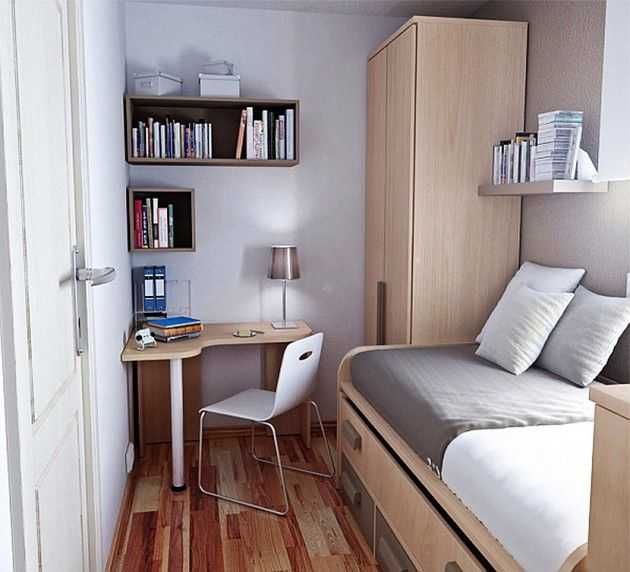
Looking to turn a tiny bedroom into a cozy, functional space? The secret is clever layout ideas that maximize every inch without sacrificing style. With the right approach, even the smallest bedrooms can feel spacious and inviting.
In a nutshell, effective small bedroom layouts for one person focus on smart storage solutions, space-saving furniture, and strategic use of vertical space. By choosing multi-functional pieces and keeping clutter at bay, you can create a comfortable sanctuary regardless of limited square footage.
When dealing with a small bedroom for one person, the challenge is balancing comfort with practicality. The key is to optimize the layout by selecting furniture that fits perfectly, using vertical storage options to free up floor space, and employing light colors and mirrors to create an airy feel. With just a few strategic adjustments, your compact bedroom can become both a cozy retreat and a highly functional space.

Small Bedroom Layout Ideas for One Person
Designing a small bedroom for one person can be both fun and challenging. The key is to make clever choices that maximize space while keeping the room cozy and functional. With the right layout ideas, even the tiniest rooms can feel spacious and inviting.
Start with the Bed Placement
The bed is the focal point of any bedroom. For small rooms, placing the bed strategically is essential to free up space. Consider positioning the bed against the longest wall to leave room for other furniture.
If space is limited, choose a twin or a loft bed. Loft beds create extra space underneath for a desk or seating. Placement near the corner can give more open area in the center of the room.
Optimizing Storage Solutions
Smart storage helps keep the room clutter-free. Use under-bed storage boxes or drawers to store clothes, shoes, or extra linens. Multi-functional furniture also adds value.
Multi-purpose Furniture Ideas
- Bed with built-in drawers or shelves underneath
- Storage ottomans that double as seating
- Desk with drawers or shelves for books and supplies
Wall-mounted shelves maximize vertical space and provide space for decorative items or essentials. Avoid bulky furniture that takes up unnecessary space.
Choosing the Right Furniture
In small bedrooms, furniture size matters. Opt for slim-profile pieces that fit comfortably. Consider multi-functional furniture to serve more than one purpose.
Essential Items to Include
- Compact wardrobe or wardrobe with sliding doors
- A small desk or workspace that doesn’t dominate the room
- Foldable or stackable chairs
Fold-away or Murphy beds are excellent options for saving space for daytime activities or guests. Keep furniture proportions in scale with room size for a balanced look.
Creating the Illusion of Space
A small room can feel larger with the right design tricks. Lighter colors, strategic lighting, and mirror placement can make a big difference.
Color Tips
- Use light and neutral shades like whites, creams, and pastels to open up the space
- Add pops of color through accessories to keep the room lively
Lighting Ideas
- Maximize natural light by using sheer curtains
- Incorporate multiple light sources such as lamps and wall-mounted lights
Mirror Placement
Position a large mirror opposite the window to reflect natural light. Use mirrors on closet doors or walls to create depth and an illusion of space.
Maximizing Wall Space
The walls can hold more than just artwork. Use vertical space for storage and decoration to free up floor area.
Vertical Storage Options
- Wall-mounted shelves for books, plants, or decor
- Hanging organizers inside closet doors
- Hooks for accessories or daily use items
Opt for floating desks or fold-down desks that can be tucked away when not in use. These save space and keep the room looking tidy.
Designing for Comfort and Style
Even small bedrooms need personality. Choose a simple, cohesive color palette and add personal touches with accessories.
Decor Tips
- Use cozy bedding in soft textures and calming colors
- Add a small area rug to anchor the space
- Incorporate plants for freshness and a touch of nature
Keep clutter to a minimum to maintain a calm atmosphere. Select decor that enhances the room’s function and aesthetic.
Open Space and Flexibility
Design the room so it can adapt to different needs. For example, a foldable desk can be used during the day and tucked away at night.
Tips for Flexibility
- Choose furniture that can be moved easily
- Maintain clear pathways for easy movement
- Use curtains or room dividers to create zones within the small space
This approach keeps the room feeling open and allows it to serve multiple purposes like sleeping, studying, or relaxing.
Incorporating Personal Touches
A small bedroom should reflect your personality. Use artwork, photos, and favorite colors to make it feel truly yours.
Display your souvenirs or collections tastefully without overcrowding. Minimalism combined with personal accents creates a balanced, inviting space.
Final Tips for Small Bedroom Layouts
The key to a successful small bedroom layout is to prioritize functionality without sacrificing style. Plan carefully to utilize every inch wisely.
Regularly declutter and reorganize to keep the space fresh and comfortable. Small rooms can be charming with the right ideas and choices.
Frequently Asked Questions
What are the best space-saving furniture options for a small bedroom?
Opt for multi-functional furniture pieces such as a bed with built-in storage drawers or a foldable desk that can be tucked away when not in use. Using vertical storage like wall-mounted shelves and tall wardrobes helps maximize floor space, making the room feel less crowded.
How can I organize a small bedroom to make it appear more spacious?
Keep clutter to a minimum by organizing belongings in storage bins and utilizing under-bed storage. Use light-colored walls and furniture to create an airy feeling, and position furniture strategically to leave enough walking space. Mirrors can also reflect light and make the room seem larger.
What color schemes are ideal for small bedrooms to enhance their look?
Choose light and neutral colors such as whites, pastels, or soft grays to make the room feel more open. Adding small pops of color through accessories or textiles can add personality without overwhelming the space. Avoid dark hues that can make the room appear smaller.
How can lighting improve the feel of a small bedroom?
Incorporate a mix of lighting sources, including a combination of natural light, ceiling lights, and table lamps. Using warm-toned bulbs creates a cozy atmosphere, while installing wall-mounted lights or fairy lights can save space and add charm.
What layout tips should I keep in mind to maximize space in a small bedroom?
Position your bed against a wall to free up central space and consider placing furniture along the room’s edges. Leave clear pathways to make the room feel more open, and use furniture that fits snugly into corners or under windows to utilize every inch efficiently.
Final Thoughts
Small bedroom layout ideas for one person offer practical solutions to maximize space and comfort. Use multi-functional furniture like foldable beds or desks to save room. Keep the color scheme light to create an open, airy feel. Incorporate vertical storage options to reduce clutter and maintain a tidy environment.
Choosing the right layout enhances both functionality and style. Focus on simplicity and smart organization to make the most of limited space. Small bedroom layout ideas for one person provide a cozy, efficient retreat without sacrificing comfort.