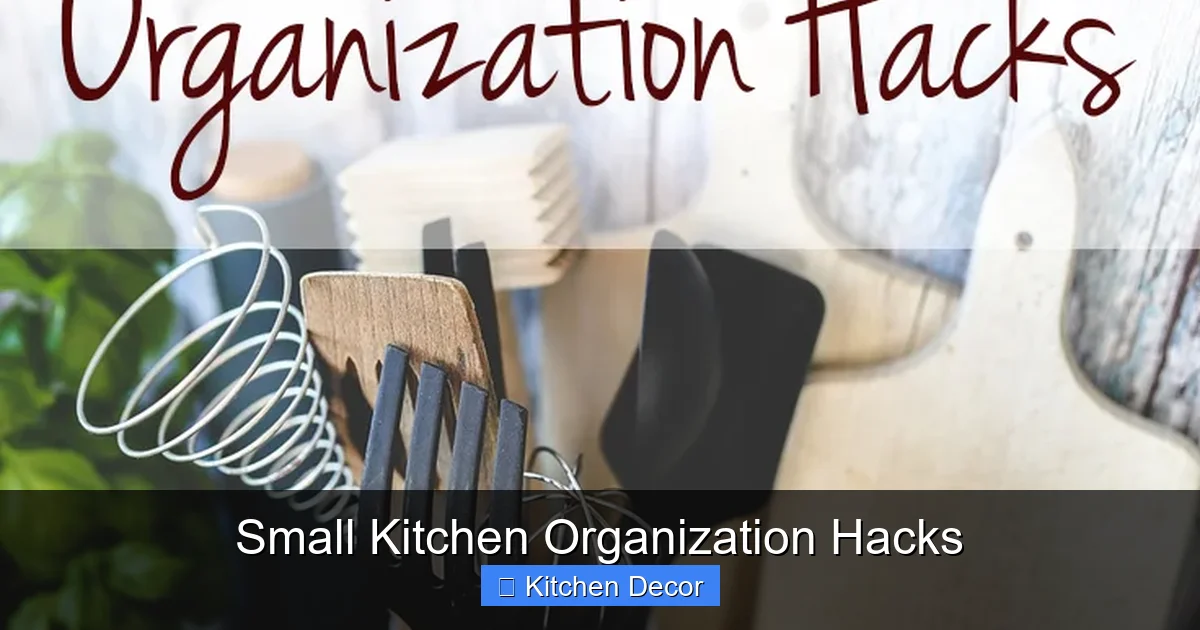
Tired of your cramped kitchen? Discover brilliant small kitchen organization hacks that will transform your culinary space. Learn to declutter, utilize every inch, and implement smart storage solutions to create an efficient, enjoyable kitchen, even if it’s tiny. With these practical tips, you can reclaim your countertops and make every cooking experience a delight.
Small Kitchen Organization Hacks
Welcome to the ultimate guide for conquering your cramped culinary quarters! If you’ve ever felt frustrated by overflowing cabinets, disappearing utensils, or a lack of counter space, you’re not alone. Small kitchens can be challenging, but they don’t have to be a source of constant stress. In fact, with the right small kitchen organization hacks, your tiny kitchen can become a surprisingly efficient, functional, and even stylish hub of your home.
This guide will walk you through practical, actionable steps to declutter, maximize space, and implement smart storage solutions. We’ll explore ingenious ways to rethink your kitchen layout and habits, proving that size truly doesn’t matter when it comes to excellent organization. Get ready to transform your small kitchen into a space you genuinely love to cook and spend time in!
Key Takeaways
- Decluttering is Your Starting Line: Before buying any organizers, ruthlessly remove unused items, duplicates, and expired goods. Less stuff means more space and a clearer vision for organization.
- Vertical Space is Your Best Friend: Look up! Walls, the inside of cabinet doors, and the space between shelves are often underutilized. Implement shelf risers, wall shelves, and hanging racks to multiply your storage capacity.
- Optimize Every Interior: Don’t just stack items in cabinets and drawers. Use dividers, pull-out shelves, and turntables (Lazy Susans) to make every inch accessible and prevent items from getting lost or forgotten.
- Countertops Are Sacred Ground: Keep only the absolute essentials on your countertops. Group items in trays, choose multi-functional appliances, and utilize wall space for items that would otherwise clutter your prep areas.
- Embrace Smart, Adaptable Solutions: Rolling carts, slim storage units, and over-the-sink accessories can provide flexible storage for awkward spaces or items you need to move frequently.
- Maintain with Mindfulness: Organization isn’t a one-time event. Adopt habits like the “one in, one out” rule and regular mini-decluttering sessions to keep your small kitchen tidy and functional long-term.
Step 1: Declutter Ruthlessly – The Foundation of Small Kitchen Organization
Before you buy a single organizer or rearrange anything, the first and most crucial step in small kitchen organization is to get rid of what you don’t need. Think of it as creating a blank canvas. This is often the hardest part, but it’s essential for long-term success.
Evaluate Every Item
Go through every single item in your kitchen – yes, *every single one*. Open all your cabinets, drawers, and pantry shelves. Take everything out. Hold each item and ask yourself:
- When was the last time I used this? (The “one year rule” is a great guideline – if you haven’t used it in a year, chances are you don’t need it.)
- Do I truly love it or use it regularly?
- Do I have duplicates?
- Is it broken or chipped?
- Does it serve a real purpose in my cooking life?
Be honest with yourself. Sentimental value is fine for a few select items, but a small kitchen simply cannot afford to house things “just in case.”
Remove Duplicates and Seldom-Used Gadgets
It’s common to accumulate duplicates – extra spatulas, three potato peelers, or five measuring cup sets. Keep only the best one (or two, if you genuinely need them for frequent cooking). The same goes for single-use gadgets. Do you really need a specialized avocado slicer, or can a regular knife do the job just as well? These items gobble up valuable drawer and cabinet space. Donate or sell items that are still in good condition. Discard anything broken or expired. This decluttering process is a core small kitchen organization hack.
Organize Pantry Items by Expiry and Use
While everything is out, check expiry dates. Toss anything past its prime. Group similar items together (baking supplies, pasta, canned goods). Consider decanting dry goods like flour, sugar, and grains into clear, airtight containers. This not only keeps them fresh but also makes it easy to see what you have, takes up less space than irregularly shaped bags, and looks much tidier, making your small kitchen feel more organized.
Step 2: Maximize Vertical Space – The Golden Rule of Small Kitchen Organization
Once you’ve decluttered, it’s time to look up! Vertical space is gold in a small kitchen. Every unused inch from counter to cabinet ceiling, or within your cabinets, is a missed storage opportunity.
Embrace Shelf Risers and Expandable Shelves
These simple tools are game-changers. In tall cabinets, use shelf risers to create an additional layer of storage for plates, bowls, mugs, or even spices. Expandable shelves can adapt to various cabinet widths, offering flexible storage. This instantly doubles or triples your usable space without adding new furniture. It’s one of the most effective small kitchen organization hacks.
Utilize the Back of Cabinet Doors
Don’t let the inside of your cabinet doors go to waste. Install thin organizers for cutting boards, foil, plastic wrap, or even a small rack for spice jars. You can find options that screw in or simply hook over the top of the door, making them renter-friendly. This keeps frequently used items accessible without cluttering shelves or drawers.
Consider Stackable Containers
For dry goods, produce, or even small kitchen towels, stackable containers are a must. Look for uniform, modular sets that fit together neatly. This prevents wasted space between items and creates a streamlined, tidy look, which is particularly important for small kitchen organization. Clear containers are ideal because they allow you to see contents at a glance.
Step 3: Optimize Cabinet and Drawer Interiors
It’s not enough to just put things *into* your cabinets and drawers; how you organize them *inside* makes all the difference. This step is about making every reach efficient and every item easy to find.
Implement Drawer Dividers and Organizers
Untamed drawers quickly become junk drawers. Invest in drawer dividers for cutlery, cooking utensils, and small gadgets. You can find adjustable dividers, bamboo trays, or even custom-fit solutions. Group similar items together – all measuring spoons in one section, whisks in another. This prevents items from sliding around and creates designated homes for everything, a crucial small kitchen organization hack.
Use Pull-Out Shelves and Turntables (Lazy Susans)
Deep cabinets, especially corner ones, can be black holes where items disappear. Pull-out shelves bring items to you, eliminating the need to rummage. Turntables (Lazy Susans) are excellent for corner cabinets, spice jars, oils, vinegars, or cleaning supplies under the sink. A quick spin brings everything within reach.
Smart Pot and Pan Storage
Pots and pans are notorious space hogs. Instead of stacking them precariously, consider:
- Vertical Racks: Place pots and pans on their sides in a rack within a deep cabinet.
- Lid Organizers: Mount lid organizers on the inside of cabinet doors or use a freestanding rack to keep lids from sliding around.
- Nesting Sets: If you’re buying new, look for pot and pan sets designed to nest perfectly inside each other.
These strategies significantly reduce the footprint of your cookware, a key to effective small kitchen organization.
Step 4: Utilize Wall Space Creatively
Your walls aren’t just for art; they are prime real estate for small kitchen organization. Thinking outside the cabinets can free up valuable counter and drawer space.
Install Wall-Mounted Shelves and Racks
Open shelving can make a small kitchen feel more open and airy than traditional closed cabinets. Use them for frequently accessed items like spices, cookbooks, or attractive dishes. Alternatively, closed wall-mounted cabinets can provide discreet storage. Floating shelves are a minimalist’s dream, perfect for displaying a few decorative items or stowing away essentials.
Hang Pot Racks and Utensil Rails
A ceiling-mounted pot rack can be a stunning focal point and a fantastic space-saver, especially for larger pots and pans. If ceiling space is an issue, a wall-mounted rail with S-hooks can hold spatulas, ladles, measuring cups, and even small frying pans. This frees up drawer space and keeps frequently used tools within arm’s reach.
Magnetic Knife Strips
Say goodbye to bulky knife blocks that take up precious countertop space. A magnetic knife strip mounted on a wall keeps your knives safely stored, visible, and easily accessible. It’s a sleek, modern solution that exemplifies smart small kitchen organization.
Step 5: Master Countertop Management
In a small kitchen, countertops are precious. They are your primary workspace, so keeping them clear is paramount for efficient cooking and a sense of calm.
Keep Only Essentials on Display
Resist the urge to clutter your countertops. Only keep items you use daily and truly cannot store elsewhere. This might include your coffee maker, toaster, or a small fruit bowl. Everything else should have a home in a cabinet, drawer, or on a wall rack. Group similar items together on a small tray for a tidier look and easy movement for cleaning.
Choose Multi-Functional Appliances
When every inch counts, multi-functional appliances are your best friends. Think of an air fryer that also toasts and bakes, or a food processor that can also be a blender. Consolidating gadgets means fewer items hogging your limited counter or storage space.
Use Trays and Baskets to Corral Items
Even essentials can look messy if scattered. Use decorative trays or small baskets to corral items like salt and pepper shakers, oils, or a small collection of herbs. This keeps things tidy, makes it easy to move items when cleaning, and adds a touch of style to your small kitchen organization efforts.
Step 6: Employ Creative Storage Solutions for Awkward Spaces
Small kitchens often come with awkward nooks and crannies. Don’t see them as unusable; see them as opportunities for clever small kitchen organization hacks!
Rolling Carts and Slim Storage Units
A slim rolling cart can fit into tight spaces, like between your refrigerator and a wall, or tucked into an empty corner. Use it for spices, canned goods, cleaning supplies, or even extra utensils. Its mobility means you can pull it out when needed and tuck it away when not, making it incredibly versatile for small spaces.
Under-Sink Solutions
The area under the sink is often neglected due to pipes, but it’s valuable storage. Use tiered organizers, stackable bins, or pull-out drawers that can work around the plumbing. This space is ideal for cleaning supplies, sponges, and dish soap, keeping them out of sight.
Over-the-Sink Drying Racks and Boards
Free up counter space with an over-the-sink drying rack that rolls up or an expandable cutting board that sits directly over your sink. These multi-purpose items allow you to use air space above the sink for practical tasks, then easily store them away when not in use.
Step 7: Maintain Your Organized Small Kitchen
Organization isn’t a one-time project; it’s an ongoing process. To keep your small kitchen functional and beautiful, establish habits that support your new, organized system.
Establish a “One In, One Out” Rule
To prevent new clutter from creeping in, adopt the “one in, one out” rule. If you buy a new pot, get rid of an old one. If you get a new gadget, let go of an existing one. This simple rule helps maintain balance and prevents your small kitchen from becoming overwhelmed again.
Schedule Regular Mini-Decluttering Sessions
Instead of waiting for your kitchen to become chaotic, schedule short, regular decluttering sessions. Spend 10-15 minutes once a month to quickly check expiry dates, tidy drawers, and put things back in their proper homes. This proactive approach makes maintenance much easier than large, infrequent overhauls.
Be Flexible and Adapt
Your cooking needs might change over time, and so should your kitchen’s organization system. If something isn’t working, don’t be afraid to adjust it. Experiment with different layouts or storage solutions until you find what truly suits your lifestyle. The goal of small kitchen organization hacks is to create a space that works for *you*.
Troubleshooting Common Small Kitchen Challenges
Even with the best intentions, you might run into common hiccups. Here’s how to address them:
“My Countertops Still Feel Cluttered!”
If your countertops are still feeling overwhelmed, revisit Step 5. Are there any appliances you only use once a week that could be stored in a cabinet? Do you have too many decorative items? Consider a wall-mounted organizer for items like paper towels or cooking utensils to free up surface area. Sometimes, the solution is simply to be even more ruthless about what earns a spot on the counter.
Visual guide about Small Kitchen Organization Hacks
Image source: i.pinimg.com
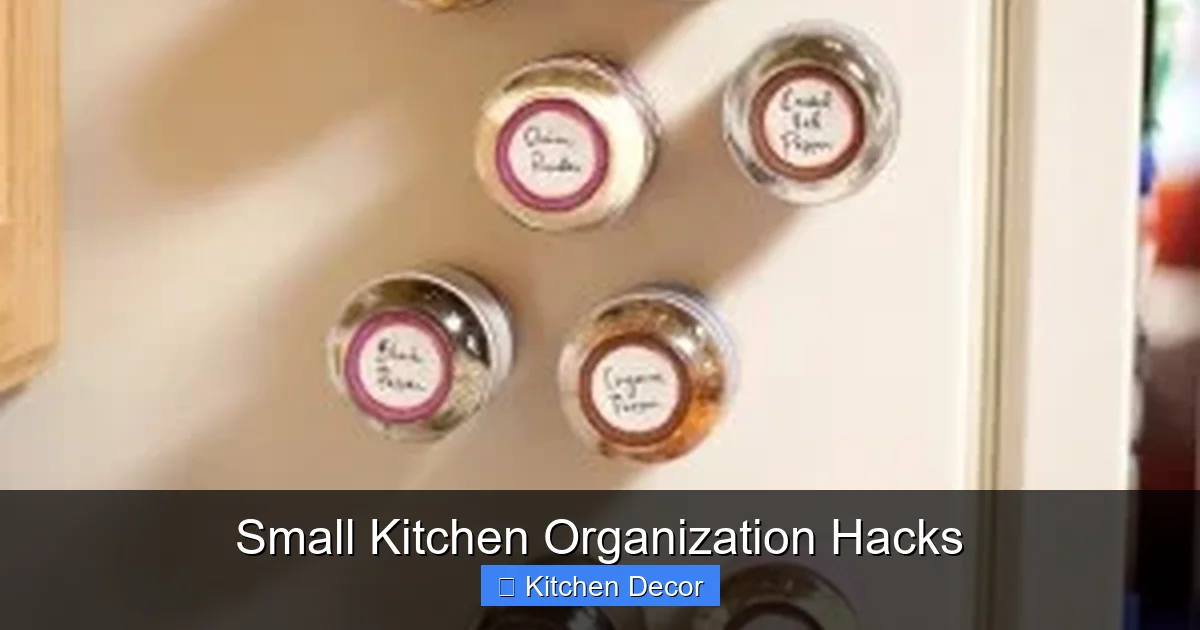
Visual guide about Small Kitchen Organization Hacks
Image source: stylemotivation.com
Visual guide about Small Kitchen Organization Hacks
Image source: creatingmyhappiness.com
“I Can’t Find Anything in My Pantry!”
This usually points to a need for better containment and labeling. Use clear, airtight containers for dry goods and label everything clearly, including expiry dates. Group similar items in bins or baskets, and label those too (e.g., “Baking Supplies,” “Snacks”). Turntables are also excellent for deep pantry shelves, ensuring nothing gets lost at the back.
“What About Those Awkward Items?”
Every kitchen has them – tall vases, bulky serving platters, or oddly shaped mixers. For these, dedicated zones are key. Can the tall vase fit in the back of an upper cabinet that’s rarely accessed? Can the mixer live in a lower cabinet on a pull-out shelf? Sometimes, a seldom-used item might need to be stored outside the kitchen in a nearby closet or utility area, especially in a truly tiny space. Don’t force an awkward fit if it compromises overall organization.
Conclusion
Transforming a small kitchen into an organized, efficient, and enjoyable space is entirely achievable with these small kitchen organization hacks. It requires a commitment to decluttering, a creative eye for maximizing every inch, and a willingness to adopt new habits. By implementing these strategies, you’ll not only free up physical space but also reduce stress and enhance your cooking experience. Embrace the challenge, enjoy the process, and discover the true potential of your beautifully organized small kitchen!