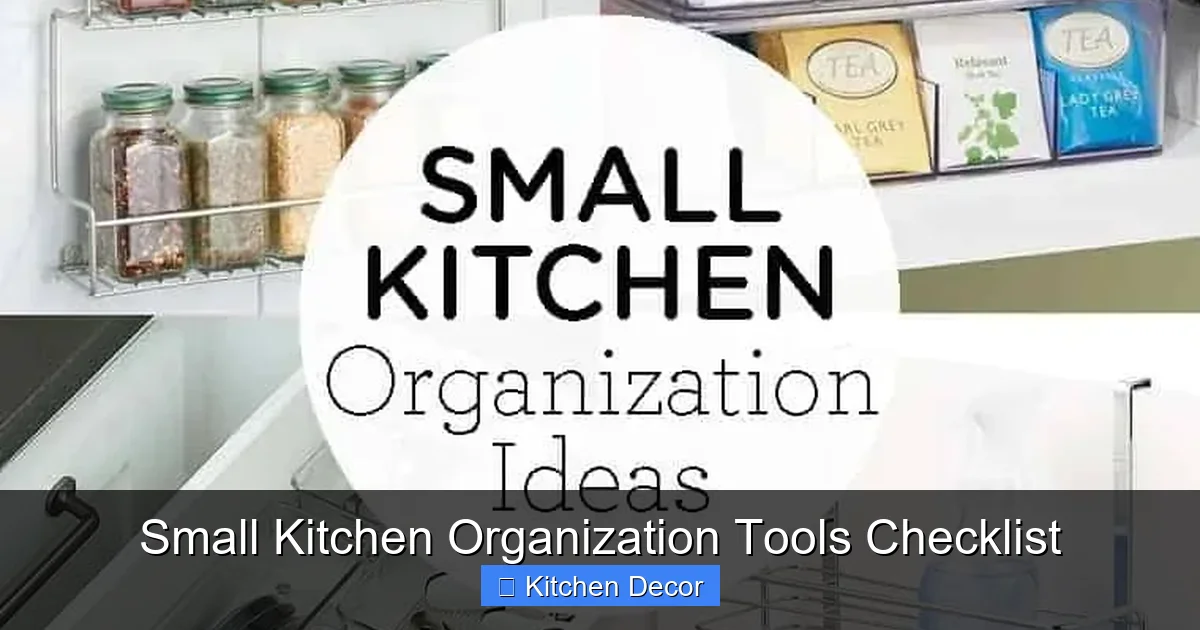
Struggling with a cramped kitchen? Our Small Kitchen Organization Tools Checklist is your ultimate guide to reclaiming space. Learn how the right organizers can transform even the tiniest kitchens, making them functional and enjoyable. Discover essential tools for every nook and cranny, from cabinets to countertops, and create a tidy, efficient culinary haven with smart, space-saving solutions.
Small Kitchen Organization Tools Checklist
Welcome, fellow kitchen adventurers! If you’re reading this, chances are you’re battling the universal challenge of a small kitchen. You know the drill: limited counter space, overflowing drawers, and cabinets that seem to swallow items whole. It can feel like an impossible task to keep everything tidy, functional, and easily accessible. But what if we told you that even the tiniest kitchen has untapped potential? It’s true!
This comprehensive guide is your secret weapon. We’re going to walk you through a detailed small kitchen organization tools checklist designed to transform your cramped culinary corner into an efficient, enjoyable, and surprisingly spacious hub. We’ll cover everything from clever cabinet solutions to ingenious wall storage, ensuring you can find a place for every pot, pan, and pantry item. Get ready to declutter, optimize, and revolutionize your small kitchen space!
Key Takeaways
- Start with Decluttering: Before buying any tools, thoroughly declutter your kitchen. Get rid of unused, broken, or duplicate items to create a clean slate and understand your true storage needs.
- Embrace Vertical Space: In small kitchens, going up is essential. Utilize wall-mounted shelves, pegboards, tiered organizers, and stackable containers to maximize every inch of vertical space in cabinets, pantries, and on walls.
- Optimize Every Nook: Don’t overlook the inside of cabinet doors, under-sink areas, and drawers. These often-neglected spaces can be transformed with door organizers, pull-out shelves, and drawer dividers.
- Choose Multi-functional Tools: Opt for items that serve more than one purpose or are collapsible/stackable when not in use. This maximizes utility and minimizes the footprint of your small kitchen organization tools.
- Maintain Countertop Clarity: Keep countertops as clear as possible by using compact, strategically placed organizers for frequently used items. This creates a sense of spaciousness and improves workflow.
- Invest in the Right Tools: The right small kitchen organization tools are an investment in your sanity and efficiency. A comprehensive checklist helps you identify exactly what you need to create a highly functional and organized small kitchen.
Step 1: Assess Your Kitchen’s Needs – The Foundation of Organization
Before you dive into buying any small kitchen organization tools, the very first step is to understand your current situation. This initial assessment is crucial for making smart purchasing decisions and avoiding tools that don’t truly solve your unique problems.
Declutter First, Organize Second
This is arguably the most important step. Organizing clutter only gives you organized clutter. Take everything out of your cabinets, drawers, and off your countertops. Be ruthless! Ask yourself these questions for each item:
- Have I used this in the last six months? If not, consider letting it go.
- Is it broken or chipped? Toss it.
- Do I have duplicates? Keep only what you truly need.
- Does it bring me joy or serve a vital purpose? If not, donate, sell, or discard.
This process will significantly reduce the number of items you need to store, making the subsequent organization much simpler and more effective. You’ll be amazed at how much space you “find” just by decluttering!
Measure Your Space
Knowledge is power, especially in a small kitchen. Grab a tape measure and note down the dimensions of:
- Inside your cabinets (height, width, depth).
- Inside your drawers (height, width, depth).
- Your pantry shelves.
- Available wall space.
- Under-sink area.
Having these measurements handy will prevent you from buying small kitchen organization tools that don’t fit, saving you time and frustration.
Identify Your Kitchen’s Pain Points
What are the biggest frustrations in your kitchen? Is it:
- Pots and pans tumbling out of cabinets?
- A mountain of food storage containers with missing lids?
- Spices scattered everywhere?
- No clear counter space for prep?
Pinpointing these issues will guide your selection of organization tools, ensuring you invest in solutions that directly address your specific challenges.
Step 2: Maximize Cabinet & Pantry Space – Vertical & Hidden Storage
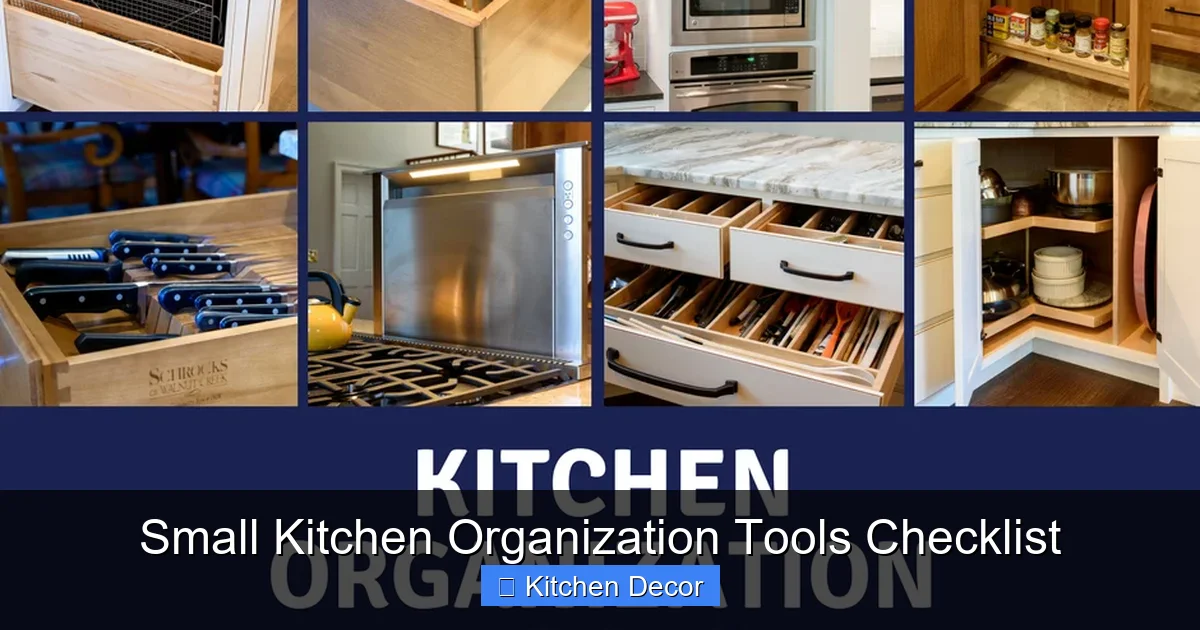
Cabinets and pantries are often deep and wide, leading to wasted vertical space or items getting lost in the back. These small kitchen organization tools are designed to make the most of every inch.
Visual guide about Small Kitchen Organization Tools Checklist
Image source: mcadamsremodeling.com
Tiered Shelving and Risers
These simple but effective tools allow you to stack items, essentially creating new shelves within your existing cabinets. They’re perfect for plates, bowls, mugs, or canned goods in a pantry. Look for sturdy metal or clear acrylic options.
- Example: A two-tier shelf can double the storage for your dinner plates, freeing up space for bowls underneath.
Pull-Out Organizers
No more digging! Pull-out shelves or baskets bring the back of your cabinets to you. They are especially useful for lower cabinets where reaching can be difficult, making them ideal for heavy pots, cleaning supplies, or pantry staples.
- Considerations: Measure carefully to ensure they fit around plumbing or cabinet door hinges.
Stackable Bins and Containers
From airtight food storage for pantry items to clear bins for small snacks, stackable containers are a small kitchen organization essential. They create uniformity, prevent spills, and make it easy to see what you have, reducing food waste.
- Tip: Choose square or rectangular containers to maximize space efficiency; round ones waste corner space.
Door Organizers (Cabinet & Pantry)
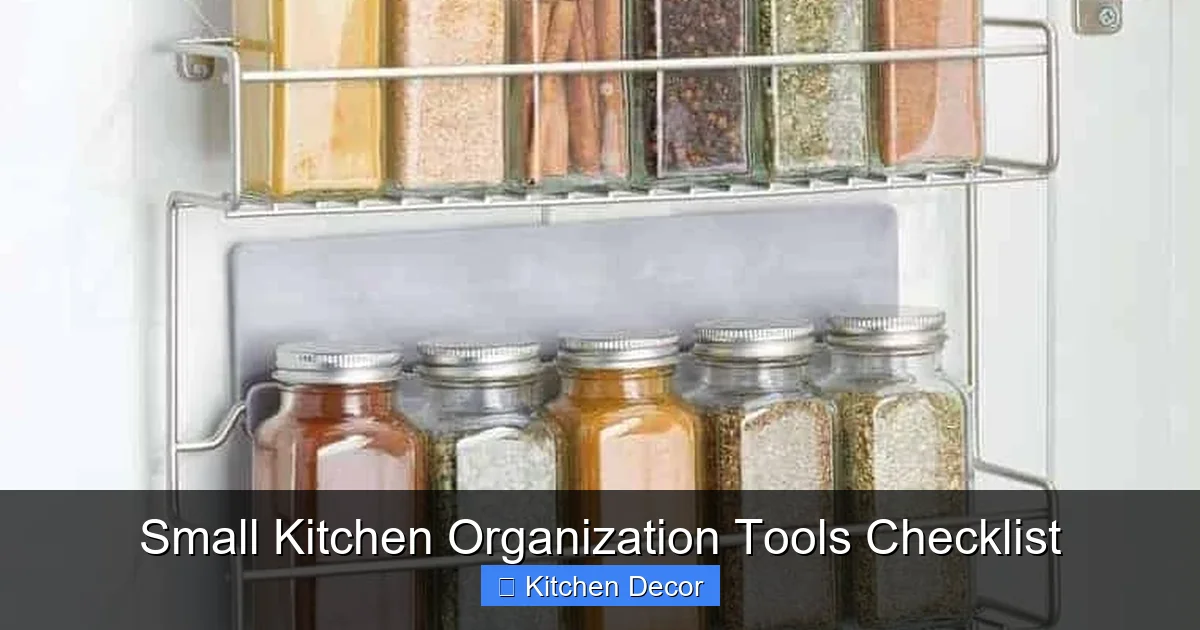
The inside of your cabinet and pantry doors are prime real estate for small kitchen organization. Look for racks that hang over the door or screw into it. They’re perfect for:
- Spice jars.
- Foil, plastic wrap, and parchment paper rolls.
- Small cleaning supplies.
- Lids for food storage containers.
Under-Shelf Baskets
These clever baskets hook onto existing shelves, utilizing the often-unused space underneath. They’re great for lightweight items like dish towels, wraps, or extra snacks, adding an extra layer of storage without permanent installation.
- Practical use: Use them in your pantry for bread or snacks, or in a cabinet for paper plates.
Step 3: Optimize Drawer Functionality – Taming the Chaos
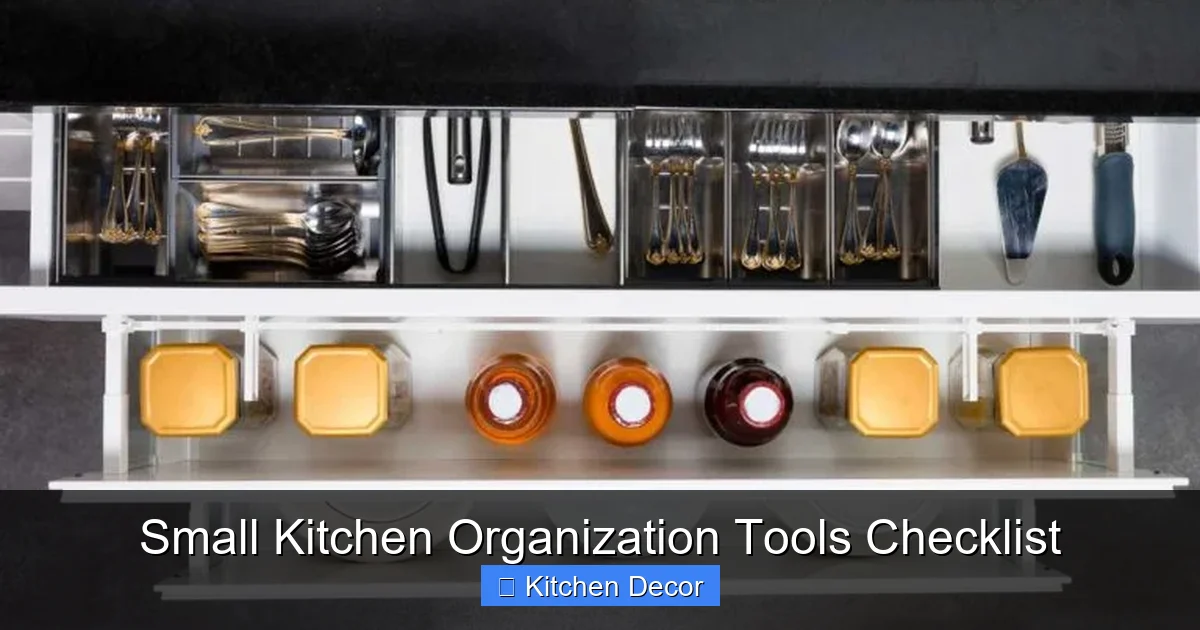
Drawers can quickly become a catch-all for kitchen gadgets, making it impossible to find anything. The right small kitchen organization tools bring order to this common chaotic zone.
Visual guide about Small Kitchen Organization Tools Checklist
Image source: alaskacountertops.com
Drawer Dividers and Inserts
The simplest way to organize drawers is with dividers. These can be adjustable, spring-loaded dividers that create sections, or pre-formed inserts with compartments for specific items. They keep items from sliding around and create dedicated homes for everything.
- Consider: Bamboo, plastic, or expandable options depending on your aesthetic and needs.
Knife Blocks (In-Drawer)
Free up precious counter space by storing your knives safely in a dedicated in-drawer block. This keeps sharp blades secure and out of sight, reducing clutter and improving safety.
- Benefit: Protects your knife blades better than simply tossing them in a drawer.
Spice Racks (In-Drawer)
Flat, angled spice racks designed for drawers allow you to lay your spice jars flat, making it easy to read labels and grab what you need without rummaging through a cabinet.
- Space-saver: Ideal if you lack cabinet door space or pantry width for traditional spice racks.
Utensil Trays
A classic for a reason. Utensil trays with compartments for forks, spoons, knives, and other small tools are essential. Look for expandable options to fit your drawer perfectly, or modular pieces that you can arrange to suit your specific utensil collection.
- Tip: Consider trays with deeper compartments for larger serving utensils.
Step 4: Harness Wall Space – Go Vertical!
When floor and cabinet space are limited, walls become your best friends. These small kitchen organization tools allow you to utilize vertical surfaces creatively and effectively.
Visual guide about Small Kitchen Organization Tools Checklist
Image source: simplyquinoa.com
Magnetic Knife Strips
Not only do these free up drawer or counter space, but they also keep your most-used knives visible and easily accessible. Plus, a good knife strip can add a touch of modern design to your kitchen.
- Safety note: Ensure it’s mounted securely and out of reach of small children.
Wall-Mounted Shelves
Floating shelves can add both storage and decorative flair. Use them for cookbooks, frequently used spices, small plants, or display pieces. They add personality while providing functional storage for your small kitchen organization efforts.
- Placement: Install them above windows, sinks, or in any awkward wall nooks.
Pegboards and Hooks
A pegboard system is incredibly versatile for small kitchens. You can customize it with various hooks, baskets, and small shelves to hang pots, pans, utensils, cutting boards, or even small appliances. It’s dynamic and can be rearranged as your needs change.
- Creative idea: Paint your pegboard to match your kitchen decor for a cohesive look.
Pot and Pan Racks (Wall or Ceiling Mounted)
Hanging your pots and pans can be a huge space-saver, especially if you have limited cabinet space. Wall-mounted racks are perfect for smaller collections, while ceiling-mounted options work well over an island or stovetop if you have the clearance.
- Aesthetic bonus: Displaying attractive cookware can be part of your kitchen’s decor.
Over-the-Door Organizers
Similar to inside-cabinet door organizers, but for the main kitchen door or a pantry door if applicable. These can hold a surprising amount of lightweight items like snacks, cleaning supplies, or extra dish towels.
- Check: Ensure the door can still close properly with the organizer in place.
Step 5: Countertop Clarity – Strategic Organization
Countertops are often the first place to get cluttered in a small kitchen. The goal here is to keep them as clear as possible while still having essential items within reach. These small kitchen organization tools help achieve that balance.
Small Appliance Caddies/Trays
If you have small appliances you use daily (coffee maker, toaster), place them on a tray or caddy. This makes them easier to move for cleaning and keeps their cords tidy. For less frequently used items, consider appliance lifts if your cabinets allow, or simply storing them away when not in use.
- Consider: A rolling cart can also serve as an appliance hub that can be tucked away.
Fruit Baskets (Tiered)
A tiered fruit basket takes advantage of vertical space on your counter. It keeps fruits and vegetables off the counter surface, allowing for better air circulation and reducing clutter in one compact footprint.
- Style: Choose one that complements your kitchen’s aesthetic, like wire, ceramic, or bamboo.
Utensil Crocks
For your most-used cooking utensils (spatulas, whisks, ladles), a stylish crock keeps them upright and handy next to the stove. This frees up drawer space and makes cooking more efficient.
- Tip: Don’t overfill it; only keep truly essential tools there.
Dish Drying Racks (Compact or Roll-Up)
Large, bulky dish racks can eat up precious counter space. Opt for compact designs, roll-up racks that sit over your sink, or collapsible options that can be stowed away when not in use. Some small kitchen organization setups even integrate drying racks into the sink itself.
- Eco-friendly: Air drying saves energy compared to a dishwasher’s drying cycle.
Step 6: Under-Sink Solutions – Tidy Up the Plumbing Area
The cabinet under the sink is notoriously tricky due to pipes and garbage disposals. However, with the right small kitchen organization tools, it can become a functional storage area.
Under-Sink Organizers
These are often U-shaped or modular shelves designed to fit around plumbing. They help organize cleaning supplies, sponges, and dish soap, keeping everything contained and easily accessible.
- Look for: Adjustable heights and sliding drawers for maximum flexibility.
Small Bins for Cleaning Supplies
Use small, waterproof bins or caddies to hold individual cleaning products. This prevents spills, makes it easy to grab exactly what you need, and keeps items from toppling over.
- Bonus: A caddy can easily transport all your cleaning supplies from room to room.
Step 7: Specialty Organizers – Solving Specific Problems
Sometimes, it’s those niche items that cause the most clutter. These specialized small kitchen organization tools target common pain points.
Food Storage Container Lids Organizers
A dedicated organizer for container lids is a game-changer. These can be adjustable dividers in a drawer or vertical racks that keep lids upright and separated, ending the frustrating search for a matching lid.
- Invest in: A system that keeps lids visible and easy to grab.
Ziploc Bag/Wrap Dispensers
These sleek dispensers fit various sizes of plastic wrap, foil, parchment paper, and sandwich bags. They tidy up messy boxes and make it effortless to pull out what you need, either in a drawer or mounted on a wall/door.
- Clean look: Eliminates the visual clutter of cardboard boxes.
Bakeware Racks
Cookie sheets, cutting boards, and muffin tins often lean precariously in cabinets. Vertical bakeware racks keep them upright and separated, making it easy to pull out just one item without the rest clattering down.
- Choose: Expandable or fixed racks depending on your cabinet size and bakeware collection.
Coffee Pod Holders
If you’re a coffee lover with a pod machine, a compact pod holder is essential. Options include drawer inserts, carousel spinners, or slim stackable designs that fit neatly next to your machine, keeping pods organized and accessible.
- Space-saving: A drawer-style holder can even double as a base for your coffee machine.
Step 8: Maintenance & Personalization – Keeping It Up
Getting organized is one thing; staying organized is another. These final steps ensure your small kitchen organization system remains effective and enjoyable.
Regular Decluttering
Make it a habit to do a quick declutter every few months. Review your small kitchen organization tools and your items. Are you still using everything? Do the tools still serve their purpose? This prevents new clutter from accumulating.
- Golden rule: One in, one out. When you buy a new item, try to get rid of an old one.
Labeling Systems
Labels are your best friend, especially for opaque bins and containers in the pantry or refrigerator. They help everyone in the household know where things belong and where to find them, making cleanup and meal prep a breeze.
- Options: A label maker, chalkboard labels, or simple handwritten tags.
Choosing Aesthetics
Organization doesn’t have to be purely functional. In a small kitchen, where everything is often on display, choose small kitchen organization tools that are visually appealing and complement your decor. Cohesive colors, materials, and styles can make your organized space feel even more harmonious and intentional.
- Consider: Matching sets of containers, natural wood elements, or sleek metal finishes.
Troubleshooting Common Small Kitchen Organization Hurdles
Even with the best tools, you might encounter some bumps. Here’s how to troubleshoot common issues:
What if a Tool Doesn’t Fit?
Always double-check your measurements before purchasing. If you’ve already bought it, most retailers have a return policy. If returning isn’t an option, get creative! Can it be used in another cabinet, a bathroom, or a utility closet? Sometimes a tool just needs a different home.
What if I Still Don’t Have Enough Space?
This is where ruthless decluttering comes back into play. Revisit Step 1. Are there seasonal items you can store elsewhere (e.g., holiday platters in a basement)? Do you really need that specific gadget? Consider multi-functional items. If you’ve truly maximized every inch, you might need to think about off-site storage for very rarely used items or consider a portable kitchen island with added storage.
How to Prevent Re-cluttering?
Consistency is key. Implement the “one in, one out” rule. Train everyone in the household to put items back where they belong. The initial effort of setting up your small kitchen organization system should make it easier to maintain. If an area consistently becomes messy, re-evaluate the organization solution for that spot; perhaps the tool isn’t right, or the designated “home” isn’t intuitive enough.
Conclusion
Congratulations! You now have a comprehensive small kitchen organization tools checklist at your fingertips. Transforming a small kitchen from a source of frustration to a hub of efficiency and joy is entirely possible with the right mindset and the right tools. Remember, it’s not about magic; it’s about smart design, clever storage, and making every inch count.
Start small, tackle one area at a time, and celebrate each little victory. By investing in these essential small kitchen organization tools, you’re not just buying containers and racks; you’re investing in peace of mind, improved cooking experiences, and a kitchen that truly feels like home, no matter its size. Go forth and organize – your tiny kitchen awaits its magnificent transformation!