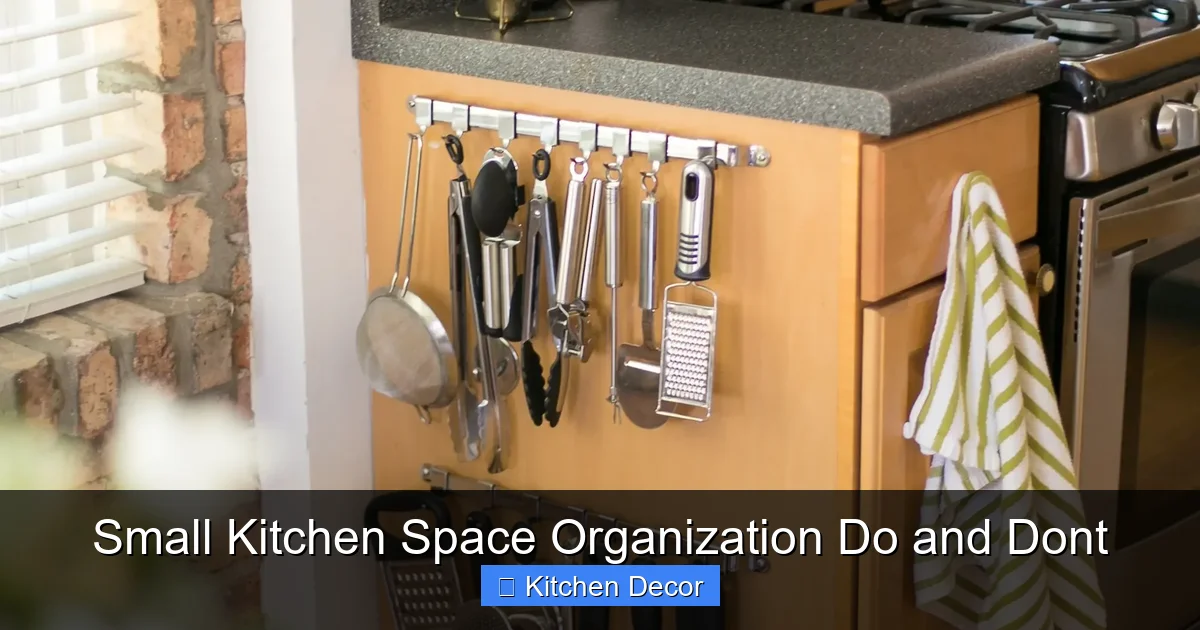
Unlock the full potential of your compact cooking area with smart strategies for small kitchen space organization. This guide offers practical do’s and don’ts to help you declutter, maximize vertical space, and choose clever storage solutions. Learn to create a functional, enjoyable kitchen, no matter its size, by implementing easy-to-follow tips and maintaining new habits.
Small Kitchen Space Organization Do and Dont
Welcome to the world of small kitchens! If your cooking space feels more cramped than cozy, you’re not alone. Many of us dream of expansive countertops and endless storage, but the reality is often quite different. A small kitchen doesn’t have to be a source of frustration. In fact, it can be incredibly efficient and charming with the right approach to small kitchen space organization.
This comprehensive guide will walk you through the essential do’s and don’ts of organizing your compact kitchen. We’ll explore practical strategies, clever solutions, and actionable steps to transform your tiny culinary corner into a highly functional, enjoyable, and beautiful space. Get ready to declutter, strategize, and fall back in love with your kitchen!
Key Takeaways
- Declutter Relentlessly: Be honest about what you truly use. Get rid of duplicates, broken items, and things that don’t serve a purpose in your small kitchen.
- Utilize Vertical Space: Look beyond your countertops. Walls, the insides of cabinet doors, and the space above your cabinets are prime real estate for shelves, racks, and hooks.
- Invest in Smart Storage Solutions: Drawer dividers, pull-out shelves, tiered organizers, and clear containers can transform chaotic spaces into orderly, accessible storage.
- Keep Countertops Clear: Prioritize functionality. Only display items you use daily. Store everything else away to create more prep space and a cleaner look.
- Create Functional Zones: Group similar items together. Designate areas for cooking, prepping, and cleaning. This makes your workflow smoother and more efficient in your small kitchen.
- Choose Compact, Multi-Purpose Appliances: When buying new items, think small and versatile. Opt for appliances that can perform multiple functions to save valuable space.
- Maintain Consistency: Organization is an ongoing process. Develop daily habits like putting things away immediately and schedule regular mini-decluttering sessions to prevent clutter from creeping back in.
Do a Kitchen Audit: Know Your Space and Needs
Before you start buying organizers or pulling things out, take a good, honest look at your kitchen. Understanding its limitations and your daily habits is the first crucial step in effective small kitchen space organization.
Do: Evaluate What You Have and How You Use It
- Take everything out: Start by completely emptying one cabinet or drawer at a time. This helps you see exactly what you own.
- Assess usage: As you handle each item, ask yourself: When was the last time I used this? Do I use it at least once a month? Does it bring me joy?
- Identify dead space: Look for areas that are currently unused or underutilized. Think about corners, gaps between appliances, or the space above your refrigerator.
- Consider your workflow: Where do you usually prep food? Where do you store groceries? Thinking about your natural movements helps you place items strategically.
Don’t: Ignore Problem Areas or Procrastinate
- Don’t avoid the “junk drawer”: Everyone has one! Tackle it head-on. These drawers often hold a surprising amount of useful space.
- Don’t assume you can’t improve it: It’s easy to get overwhelmed by a small kitchen. Remind yourself that even minor changes can make a big difference in small kitchen space organization.
- Don’t rush the assessment: Take your time with this initial phase. A thorough audit prevents you from organizing clutter.
Declutter Relentlessly: Embrace the “Less is More” Mantra
Decluttering is perhaps the most impactful step in small kitchen space organization. The fewer items you have, the easier it is to organize what remains.
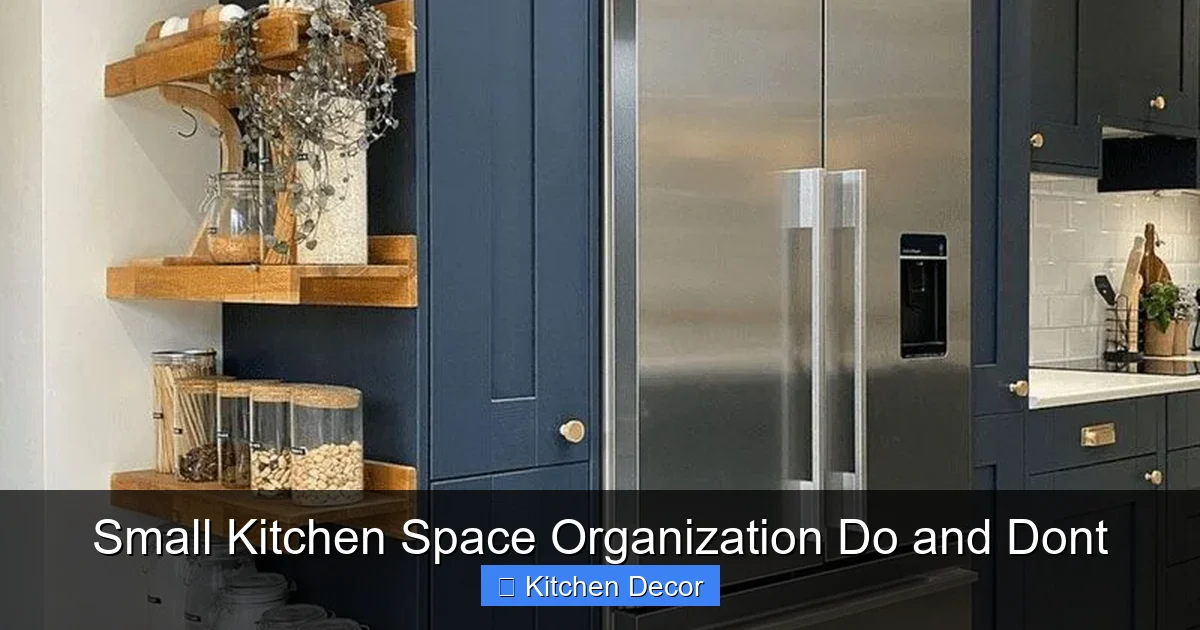
Visual guide about Small Kitchen Space Organization Do and Dont
Image source: mydomaine.com
Do: Sort, Purge, and Donate
- Create three piles: “Keep,” “Donate/Sell,” and “Trash/Recycle.” Be firm with yourself.
- Discard duplicates: Do you really need three spatulas or five mismatched mugs? Keep only the best and most functional.
- Get rid of broken or chipped items: There’s no point keeping things that are unusable or unsafe.
- Donate unused appliances and gadgets: If that bread maker or specialty gadget hasn’t been touched in a year, it’s time for it to go to a new home.
- Check expiration dates: Go through your pantry and spices. Toss anything past its prime.
Don’t: Keep Duplicates or “Just in Case” Items
- Don’t keep items “just in case”: This phrase is often an excuse for holding onto clutter. If you haven’t used it recently, chances are you won’t.
- Don’t keep gifts you don’t love or use: Sentimental value is important, but not at the expense of functionality in a small kitchen.
- Don’t let clutter migrate: When decluttering one area, ensure that the “donate” or “trash” items leave your home promptly, rather than moving to another room.
Maximize Vertical Space: Look Up, Not Out
When horizontal space is limited, the only way to go is up! Vertical space is your best friend for small kitchen space organization.
Do: Install Shelves, Racks, and Hooks
- Utilize wall space: Install open shelving for frequently used items, cookbooks, or decorative pieces. Floating shelves can be sleek and unobtrusive.
- Add a pegboard: A pegboard can be customized with hooks and small shelves to hold pots, pans, utensils, and even small cutting boards.
- Use magnetic knife strips: Free up drawer space and keep knives safely within reach.
- Hang pot racks: If you have high ceilings, a hanging pot rack can be a stylish way to store cookware. Otherwise, wall-mounted versions work too.
- Over-the-door organizers: The back of your pantry or kitchen door can hold spices, wraps, or cleaning supplies.
Don’t: Overlook the Backs of Doors or High Cabinets
- Don’t forget cabinet risers and stackable shelves: Double the storage capacity inside your cabinets.
- Don’t ignore the space above your cabinets: This can be perfect for less frequently used items like seasonal serveware, provided they are stored in attractive bins.
- Don’t block natural light or ventilation: While maximizing space, ensure you’re not obstructing windows or vents.
Implement Smart Storage Solutions: Every Inch Counts
Once you’ve decluttered and identified your vertical potential, it’s time to invest in smart tools that optimize every square inch for small kitchen space organization.
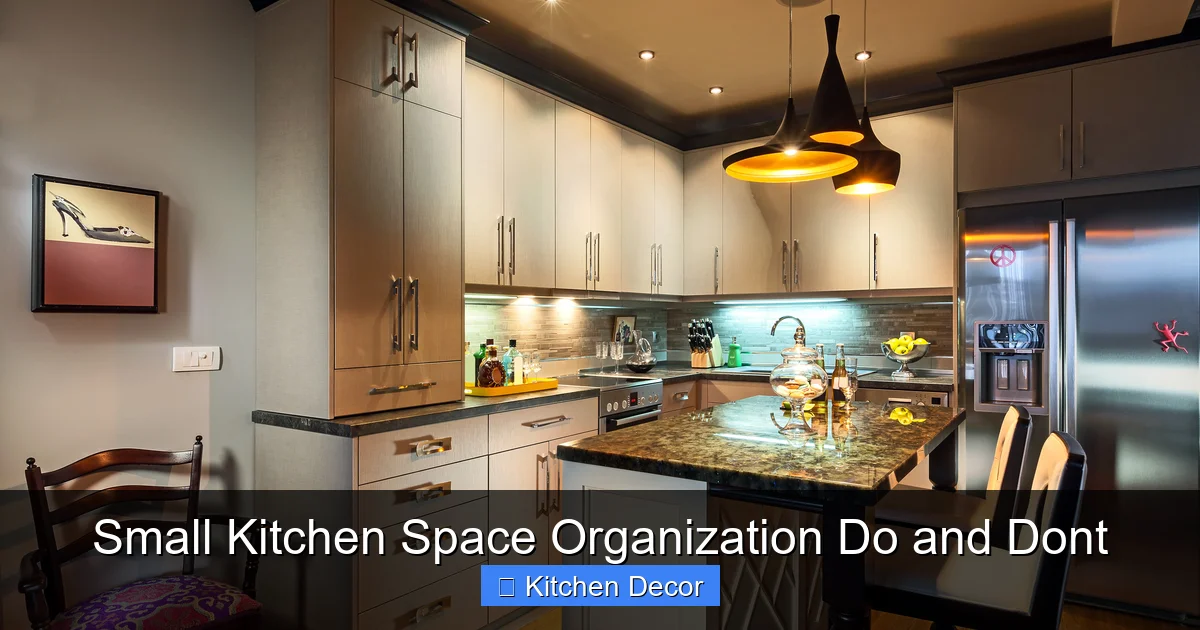
Visual guide about Small Kitchen Space Organization Do and Dont
Image source: stlouiskitchendesign.xyz
Do: Use Drawer Dividers, Pull-Outs, and Corner Organizers
- Drawer dividers: Keep cutlery, utensils, and small gadgets neatly separated and easy to find.
- Pull-out shelves/drawers: Convert deep, dark cabinets into accessible storage. No more losing items at the back!
- Tiered spice racks: Keep your spices visible and organized, either in a drawer or cabinet.
- Lazy Susans: Perfect for corner cabinets or pantries to make condiments and oils easily reachable.
- Stackable containers: Use clear, airtight containers for dry goods in your pantry. They maximize space and keep food fresh.
- Under-sink organizers: A tiered shelf or basket system can tame cleaning supplies.
Don’t: Create Piles or Leave Gaps
- Don’t stack plates and bowls too high: This makes it difficult to access items and can lead to breakage. Use vertical plate racks instead.
- Don’t leave empty vertical space in cabinets: If you have tall cabinets with short items, add shelves or risers.
- Don’t just shove items in: Every item should have a designated “home.” This is critical for maintaining small kitchen space organization.
Keep Countertops Clear: Prioritize Functionality
In a small kitchen, every inch of counter space is precious. A cluttered countertop can make your entire kitchen feel smaller and less functional.
Do: Store Appliances Off-Counter When Possible
- Keep only daily essentials out: Think coffee maker, toaster (if used daily), or a small knife block.
- Store small appliances in cabinets: If you don’t use your stand mixer or food processor every day, tuck it away in a lower cabinet or pantry.
- Use multi-functional items: A cutting board that fits over your sink can instantly expand prep space.
- Embrace compact designs: When buying new, choose slim profile appliances that take up less counter footprint.
Don’t: Use Countertops as General Storage
- Don’t let mail or random items accumulate: Your kitchen counter is not a landing strip for papers, keys, or non-kitchen items.
- Don’t display rarely used gadgets: If it’s more decorative than functional, find it a home elsewhere or reconsider keeping it.
- Don’t store dirty dishes there: Wash dishes promptly or load them into the dishwasher to keep counters clear.
Organize Inside Cabinets and Pantry: Create Order
The inside of your cabinets and pantry can quickly become a chaotic mess without a system. Proper small kitchen space organization here means everything is visible and accessible.
Do: Use Risers, Bins, and Clear Containers
- Categorize items: Group similar items together (e.g., baking supplies, breakfast items, snacks).
- Use clear containers for dry goods: This allows you to see what you have and how much is left, preventing over-purchasing.
- Label everything: Especially if using opaque bins or containers. This saves time and keeps items in their correct spots.
- Implement vertical storage for lids: A lid organizer or a simple dish rack can keep pot and pan lids from scattering.
- Store heavy items lower: Keep cast iron pans and large mixing bowls on bottom shelves for safety and ease of access.
Don’t: Stuff Cabinets Until They Overflow
- Don’t create “black holes”: Avoid stacking so many items that things get lost or forgotten in the back of cabinets.
- Don’t mix categories: Resist the urge to put baking soda next to light bulbs. Stick to your categories for efficient small kitchen space organization.
- Don’t forget about cabinet doors: Attach small shelves or hooks to the inside of cabinet doors for spices, measuring cups, or foil.
Choose Smart Appliances and Cookware: Size and Versatility Matter
When living with limited space, every item you bring into your kitchen should earn its place.
Do: Opt for Compact and Multi-Functional Tools
- Invest in multi-purpose appliances: A slow cooker that’s also a pressure cooker and air fryer can save tons of space.
- Choose nesting cookware and bakeware: Sets that stack neatly inside each other are ideal for small cabinets.
- Buy compact versions: Look for mini food processors, slim blenders, or small countertop ovens if they fit your needs.
- Prioritize quality over quantity: A few good, versatile pieces of cookware are better than a dozen mismatched, rarely used ones.
Don’t: Buy Redundant or Oversized Items
- Don’t buy single-purpose gadgets: Unless you use it extremely frequently, avoid items like banana slicers or avocado tools that only do one thing.
- Don’t purchase oversized appliances for a small space: A huge stand mixer might be lovely, but if it takes up half your counter, it’s not practical.
- Don’t keep mismatched containers without lids: Recycle or dispose of containers that have lost their mate.
Establish Zones: Everything in Its Place
Creating zones helps streamline your workflow and ensures everything is stored logically within your small kitchen, improving overall small kitchen space organization.
Do: Group Similar Items by Function
- The “Prep Zone”: Store cutting boards, knives, mixing bowls, and frequently used spices near your primary counter space.
- The “Cooking Zone”: Keep pots, pans, cooking utensils, oils, and oven mitts close to your stove and oven.
- The “Cleaning Zone”: Store dish soap, sponges, cleaning supplies, and dish towels under the sink or near the dishwasher.
- The “Pantry Zone”: Consolidate all food items in one designated area, whether it’s a full pantry, a few shelves, or a cabinet.
- The “Drink Zone”: If space allows, keep mugs, coffee, tea, and a kettle together.
Don’t: Store Items Randomly Across the Kitchen
- Don’t scatter items: Avoid storing baking ingredients in one cabinet and baking pans in another. Keep them together.
- Don’t force zones: If your kitchen layout truly prevents a perfect zone, adapt. The goal is logical storage that makes sense for you.
Maintain Your Organized Small Kitchen: Habits for Success
Organization isn’t a one-time event; it’s a continuous process. Developing good habits is key to long-term small kitchen space organization.
Do: Implement Daily Tidy-Ups and Regular Reviews
- Clean as you go: Wipe down counters, put away ingredients, and load dishes immediately after use.
- Daily reset: Take 5-10 minutes each evening to return everything to its designated spot.
- Weekly mini-declutter: Quickly scan shelves and counters for anything that’s crept out of place or needs to be purged.
- Seasonal deep clean/declutter: Every few months, dedicate an hour to a more thorough review of your cabinets and pantry.
Don’t: Let Clutter Creep Back In
- Don’t allow “just set it down for a minute” to become permanent: If an item doesn’t have a home, create one or get rid of it.
- Don’t ignore new purchases: When you bring new items into your kitchen, ensure they have a place. If not, consider what you can remove to make room.
Troubleshooting Common Small Kitchen Challenges
Even with the best intentions, small kitchens present unique hurdles. Here are solutions to common problems:
Problem: No Pantry Space?
Solution: Get creative! Utilize a rolling utility cart for extra food storage. Use an over-the-door organizer for canned goods or snacks. A shallow bookshelf against an unused wall can become a “pantry shelf.” Clear containers and labels are vital for whatever space you designate.
Problem: Awkward Corners?
Solution: Lazy Susans are your best friend here. Consider pull-out corner cabinet organizers (though these can be an investment). For counter corners, a small corner shelf unit can hold spices or frequently used oils without taking up too much prime space.
Problem: Too Many Spices?
Solution: Downsize to small containers if you buy in bulk. Use a tiered spice rack in a drawer, a magnetic spice rack on the fridge, or wall-mounted spice shelves. If you have many obscure spices, consider storing them elsewhere (e.g., an overflow box in a closet) and only keeping everyday spices in the kitchen.
Problem: Limited Drawer Space?
Solution: Go vertical. Hang utensils on a rail with S-hooks. Use a magnetic knife strip. Store cutting boards and cookie sheets vertically in a cabinet using tension rods or dividers. Re-evaluate what truly needs to be in a drawer; perhaps some items can live in a jar on the counter or in a wall-mounted holder.
Conclusion
Organizing a small kitchen can feel like a daunting task, but by following these do’s and don’ts for small kitchen space organization, you’re well on your way to a more functional, efficient, and enjoyable cooking environment. Remember, the goal isn’t perfection, but rather creating a system that works for you and makes your daily life easier. Embrace decluttering, utilize every inch of space, and build habits that keep your kitchen tidy. Soon, you’ll discover that even the smallest kitchen can be a mighty and welcoming heart of your home.