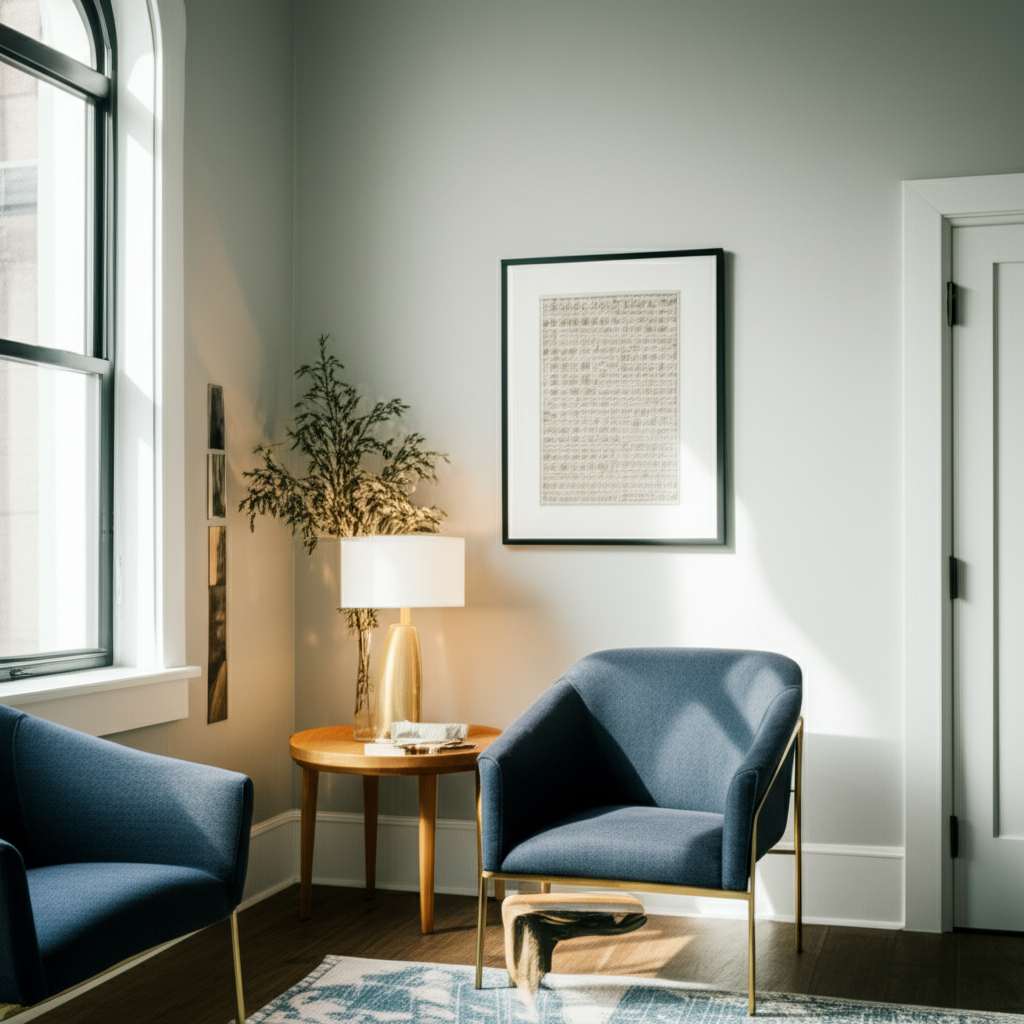
Small reception room design ideas focus on smart layouts that maximize space, create a welcoming atmosphere, and enhance functionality. By choosing the right furniture placement, utilizing vertical space, and employing clever storage, even the tiniest reception area can feel spacious and inviting.
Feeling a bit squeezed in your reception area? You’re not alone! Many businesses struggle with making their entrance feel grand and functional, especially when space is limited. It’s easy to feel overwhelmed, thinking you need a huge room to make a good first impression.
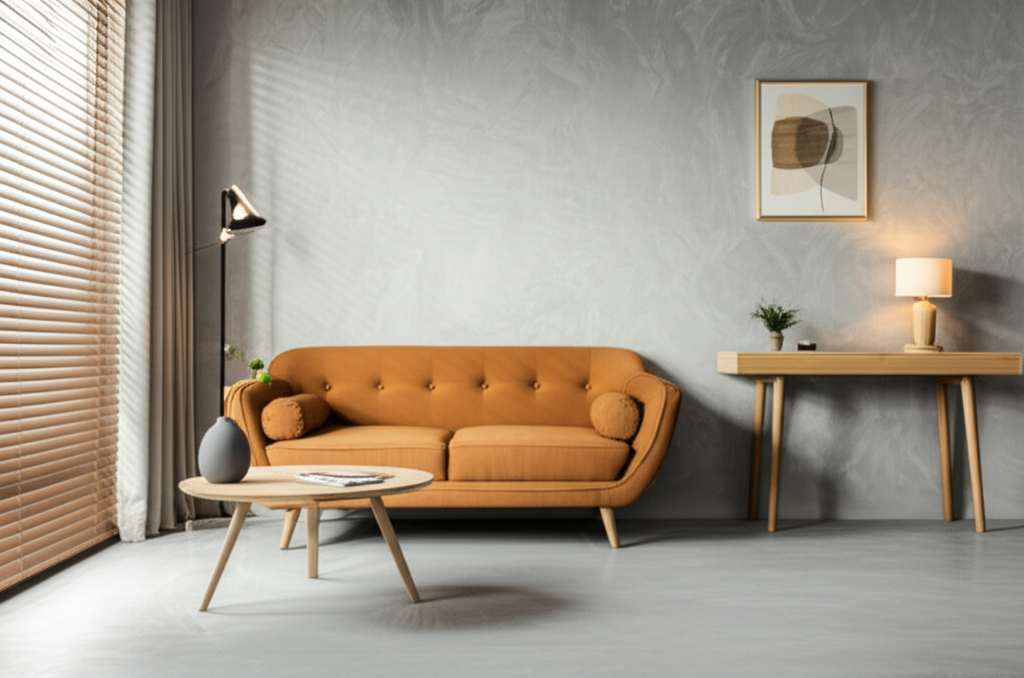
But here’s a little secret: genius design isn’t about size; it’s about smart choices. We’re going to explore simple, budget-friendly ways to transform your small reception room into a space that’s both stylish and super practical.
Get ready to discover layout ideas that will make your reception area feel bigger, brighter, and more welcoming than ever before. Let’s dive in!
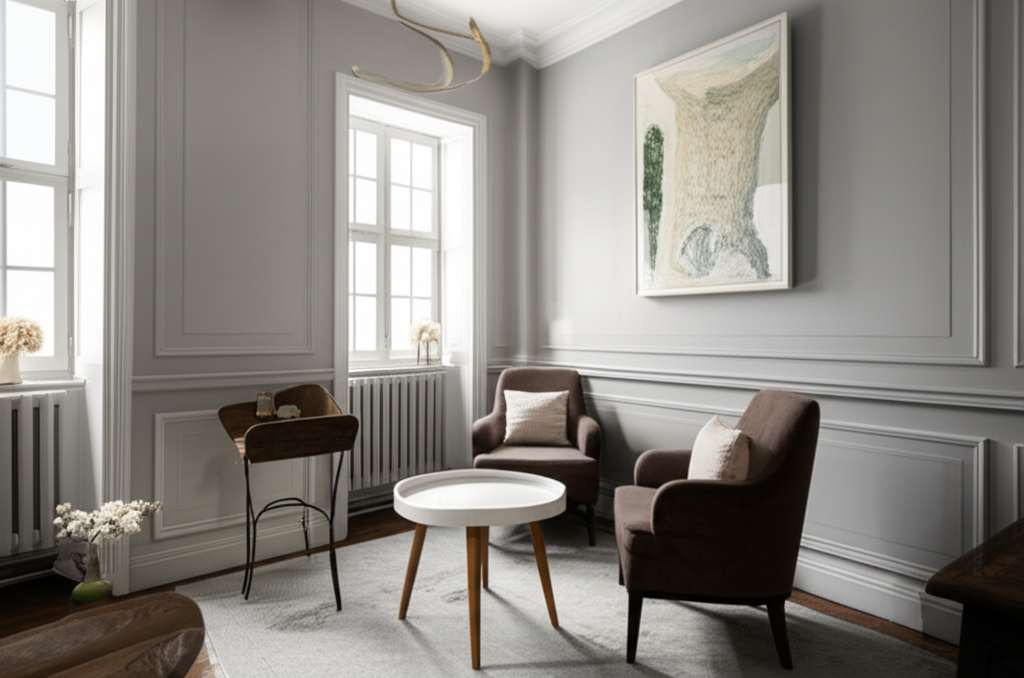
Why Small Reception Room Design Matters
Your reception room is the first handshake your business offers. It’s where clients, customers, and visitors form their initial impression of your brand. A well-designed space, no matter its size, communicates professionalism, attention to detail, and thoughtfulness.
Conversely, a cramped, cluttered, or poorly arranged reception can send the opposite message. It might suggest disorganization or a lack of care, which can subtly impact how people perceive your services or products. Making the most of a small reception area is therefore crucial for setting a positive tone right from the start.
Key Principles for Small Reception Room Layouts
Designing a small reception room is all about strategic thinking. The goal is to create an illusion of space while ensuring everything is functional and comfortable. We’ll break down the core ideas that make these layouts work.
1. Declutter Ruthlessly
This is the golden rule for any small space. Before you even think about furniture, clear out anything that doesn’t serve a purpose or add to the aesthetic. Less is truly more when you have limited square footage.
Consider what items are essential for daily operations and what can be stored elsewhere or eliminated. A clean slate makes planning your layout much easier and more effective.
2. Define Zones
Even in a small room, creating distinct zones helps with organization and flow. You might need a waiting area, a reception desk area, and perhaps a small space for marketing materials or a coat rack.
Using furniture arrangement, rugs, or even different paint colors can subtly delineate these areas. This visual separation prevents the room from feeling like one chaotic jumble.
3. Maximize Vertical Space
When floor space is limited, look up! Walls are your best friends in small rooms. Utilize them for storage, display, and even visual interest.
Think about tall, slim bookshelves, wall-mounted shelves, or attractive shelving units that draw the eye upward. This technique can make the room feel taller and more expansive. For inspiration on smart vertical storage, check out our guide to stylish kitchen storage accessories that apply to any compact space.
4. Choose Furniture Wisely
The type and size of furniture are critical. Opt for pieces that are proportionate to the room. Avoid bulky, oversized items that will eat up valuable floor space.
Consider multi-functional furniture, like ottomans with hidden storage or a reception desk with integrated shelving. Streamlined, leggy furniture can also create a sense of openness by allowing light and sightlines to pass underneath.
5. Smart Lighting is Key
Good lighting can dramatically change the perception of a room’s size. Bright, well-lit spaces feel larger and more welcoming. Conversely, dim or poorly lit areas can feel cramped and unwelcoming.
Layer your lighting by combining ambient (general), task (for specific activities like at the desk), and accent lighting. Natural light is also a huge asset; ensure windows aren’t blocked.
Genius Layout Ideas for Small Reception Rooms
Now let’s get into the practical layouts that make a big impact in small spaces. These ideas are designed to be adaptable to various room shapes and business needs.
Layout 1: The “Open & Airy” Minimalist
This layout focuses on creating a sense of spaciousness through minimal furniture and clear pathways. It’s perfect for businesses that want to project a modern, clean image.
- Reception Desk: Opt for a slim, wall-mounted desk or a sleek, modern reception counter. Place it strategically against a wall, ideally near the entrance but not directly blocking it.
- Seating: Use a small, stylish sofa or two compact armchairs. Arrange them facing each other or perpendicular to the desk to encourage conversation without blocking the main walkway.
- Decor: Keep decor minimal. A large piece of art on a prominent wall can serve as a focal point. Use plants sparingly to add life without clutter.
- Flooring: A large, light-colored rug can help define the seating area and make the space feel more cohesive.
This layout works best when you have a relatively square or rectangular room. The emphasis is on creating a clear path from the door to the desk and seating area, making it easy for visitors to navigate.
Layout 2: The “Cozy & Productive” Hub
This approach maximizes functionality by integrating a small work area or display space within the reception. It’s ideal for businesses that might need to showcase products or have a slightly more hands-on interaction.
- Reception Desk: A slightly larger, L-shaped desk can offer more workspace and storage. Position it in a corner to tuck away equipment and create a more defined work zone.
- Seating: A small loveseat or two chairs can be placed opposite the desk. If space allows, a small side table between them is useful.
- Display/Work Area: Utilize wall space next to the desk for shelves displaying brochures, products, or awards. A small, sleek console table can also serve as a secondary surface.
- Flow: Ensure there’s enough space (at least 3 feet) between the desk and seating for easy movement.
This layout is great for reception rooms that are more rectangular. By using the corners effectively, you can create distinct functional areas without making the room feel cramped. Consider incorporating built-in shelving to keep things tidy and integrated.
Layout 3: The “Inviting Nook”
This layout focuses on creating a warm and welcoming waiting area, even if it’s small. It’s about making guests feel comfortable and cared for from the moment they enter.
- Reception Desk: A simple, clean-lined desk that doesn’t dominate the space. It could be a console-style desk or a small counter.
- Seating: Arrange a comfortable bench with cushions or a pair of snug armchairs in a corner or against a wall. Adding a small coffee table in front of the seating is a nice touch.
- Aambiance: Use softer lighting, perhaps a floor lamp, and incorporate elements like a small bookshelf with magazines or a piece of local art.
- Traffic Flow: Place the seating so it doesn’t obstruct the main path to the desk or any other doors.
This layout is particularly effective in rooms that are slightly wider than they are deep. It carves out a dedicated, comfortable zone for waiting guests, making the most of otherwise underutilized corners.
Furniture Selection: Small Space Savvy
Choosing the right furniture is more than just picking out a desk and chairs. It’s about selecting pieces that are scaled appropriately and serve a purpose without overwhelming the room.
Reception Desks for Tight Spots
- Wall-mounted desks: These save floor space and create a floating effect, making the room feel more open.
- Corner desks: Utilize awkward corners and maximize usable space.
- Console tables: A stylish console table can function as a minimalist reception desk, especially if you only need a laptop and phone.
- Slim reception counters: Look for counters with integrated storage that are not too deep.
Seating Solutions
- Compact armchairs: Choose chairs with a smaller footprint but good cushioning.
- Loveseats or small sofas: Opt for designs with clean lines and visible legs, which make them appear less bulky.
- Benches: A stylish bench can offer seating for two and often tucks neatly against a wall.
- Ottomans or poufs: These are versatile, can be tucked away, and some offer hidden storage.
Tables and Storage
- Nesting tables: These can be pulled out when needed and stacked away to save space.
- Slim side tables: Perfect for placing next to seating for a guest’s drink or book.
- Wall shelves: Install floating shelves for books, plants, or decorative items.
- Vertical storage units: Tall, narrow cabinets or shelving units draw the eye upward and offer ample storage.
When selecting furniture, always measure your space first and consider the traffic flow. Websites like IKEA’s Small Space Solutions offer great inspiration for compact furniture and clever storage ideas.
Maximizing Space with Color, Light, and Decor
Beyond the layout and furniture, these elements play a huge role in how a small reception room feels. They can make a world of difference.
Color Palette
- Whites, creams, and light grays: These are classic choices that create a clean, airy feel.
- Pastel shades: Soft blues, greens, or pinks can add a touch of personality without making the space feel smaller.
- Accent walls: If you want a bolder color, use it on one wall sparingly as an accent. A lighter shade on the other walls will keep the space feeling open.
Lighting Strategies
- Natural Light: Maximize any natural light by keeping windows unobstructed. Use sheer curtains if privacy is needed.
- Ambient Lighting: Install ceiling lights that provide overall illumination. Consider recessed lighting or a stylish flush-mount fixture.
- Task Lighting: A desk lamp for the reception area is crucial.
- Accent Lighting: Use wall sconces or small table lamps to create warmth and highlight specific areas or decor.
According to the U.S. Department of Energy, proper lighting can not only improve aesthetics but also enhance energy efficiency. Learn more about effective lighting strategies at Energy.gov’s Lighting Choices.
Decor and Accessories
- Mirrors: Strategically placed mirrors can reflect light and create the illusion of depth. A large mirror on a key wall can be transformative.
- Vertical Art: Hang artwork that draws the eye upwards.
- Plants: A few well-chosen plants can add life and color. Opt for tall, slim varieties or hanging plants to save floor space.
- Flooring: A well-placed rug can define zones and add warmth. Lighter colors or subtle patterns work best.
- Wall-mounted features: Consider wall-mounted coat hooks, brochure holders, or even a small digital display to keep surfaces clear.
For more inspiration on using plants to enhance small spaces, explore our article on kitchen plant decor ideas that can easily translate to reception areas.
Making the Most of Your Reception Desk Area
The reception desk is often the focal point. Here’s how to make it work in a small space.
Strategic Placement
Avoid placing the desk directly in front of the door, which can create an immediate bottleneck. Instead, position it to the side, allowing for a clear entry path.
If possible, place it near a window to benefit from natural light, which can make the workspace feel less confined.
Storage Solutions at the Desk
- Drawer units: Use slim, rolling drawer units that can fit under the desk.
- Vertical organizers: Keep pens, notepads, and other essentials in upright holders.
- Cable management: Invest in cable ties, clips, or a cable management box to keep wires tidy and out of sight. A clean desk surface makes a big difference.
- Wall-mounted shelving: If space allows, install a shelf above the desk for frequently used items or decorative pieces.
Good cable management is essential for a professional look. Resources like The Home Depot’s guide to organizing cables offers practical tips.
Creating a Welcoming Touchpoint
- A small, attractive plant.
- A branded notepad and pen set.
- A small, discreet sign with the business name.
- A hand sanitizer dispenser.
Budget-Friendly Tips for Small Reception Room Design
You don’t need a huge budget to create a stylish and functional small reception room. Here are some cost-effective ideas:
| Strategy | Description | Budget Impact |
|---|---|---|
| DIY Paint Refresh | A fresh coat of light-colored paint can dramatically brighten and enlarge a space. | Low |
| Smart Furniture Sourcing | Look for gently used furniture from consignment shops, online marketplaces (like Facebook Marketplace or Craigslist), or consider budget-friendly retailers. | Low to Medium |
| Upcycle and Repurpose | Can an old bookshelf be painted and repurposed as a stylish display unit? Can a console table serve as a reception desk? | Very Low |
| Focus on Lighting | Install affordable LED bulbs and consider stylish but inexpensive floor or table lamps. | Low |
| Strategic Decor | Invest in one or two impactful pieces like a large mirror or a striking piece of art, rather than many small items that can look cluttered. | Medium |
| Decluttering | The most budget-friendly tip! Removing unnecessary items instantly makes a space feel larger and more organized. | Free! |
Remember, the goal is to create an impression of quality and care, not necessarily to spend a fortune. Thoughtful design choices often have a bigger impact than expensive items.
Common Mistakes to Avoid
- Over-furnishing: Trying to fit too much into the space. Less is definitely more.
- Bulky furniture: Choosing oversized pieces that dwarf the room.
- Poor lighting: Relying on a single overhead light or having dark, shadowy corners.
- Clutter: Allowing papers, personal items, or excessive decor to accumulate.
- Blocking pathways: Placing furniture or decor in a way that obstructs easy movement.
- Ignoring vertical space: Focusing only on floor space and missing opportunities on the walls.
- Dark color palettes: Using deep, heavy colors that absorb light and make the room feel smaller.
By being mindful of these common mistakes, you can ensure your design efforts create a positive and spacious-feeling reception area.
Frequently Asked Questions (FAQ)
Q1: How can I make a tiny reception room look bigger?
Use light colors on walls and furniture, incorporate mirrors to reflect light and space, choose furniture with visible legs to create an illusion of more floor space, and ensure the room is well-lit with multiple light sources. Keeping the area clutter-free is paramount.
Q2: What’s the best type of desk for a small reception area?
Opt for slim, streamlined desks. Wall-mounted desks, console tables, or compact reception counters with integrated storage are excellent choices. Avoid deep or wide desks that can dominate the space.
Q3: How much seating do I need in a small reception room?
Assess your typical visitor volume. Often, two to four comfortable seats are sufficient. Consider a small sofa or two compact armchairs arranged to encourage conversation without blocking walkways. Multi-functional seating like ottomans with storage can also be useful.
Q4: Is it okay to have plants in a small reception room?
Yes, plants can add life and a welcoming touch! Choose smaller potted plants or tall, slim varieties that don’t take up much floor space. Hanging plants are also a great way to add greenery without sacrificing surface area.
Q5: How can I manage clutter in a small reception space?
Implement smart storage solutions like wall shelves, cabinets with doors, and desk organizers. Regularly declutter and only keep essential items. Consider a designated spot for coats and bags that is out of the main line of sight.
Q6: What kind of lighting is best for a small reception room?
Layered lighting is ideal. Combine ambient overhead lighting with task lighting at the desk and accent lighting (like a floor lamp) to create warmth. Maximize natural light and use mirrors to help it bounce around the room.
Q7: Should I use a rug in a small reception room?
Yes, a rug can be very effective! It helps define the waiting area and adds warmth and texture. Choose a rug that is appropriately sized for the seating area – not too small that it looks lost, and not so large that it encroaches on walkways. Lighter colors or subtle patterns tend to work best.
Conclusion
Designing a small reception room doesn’t have to be a challenge. By focusing on smart layouts, choosing the right furniture, and utilizing color, light, and decor effectively, you can create a space that is both beautiful and highly functional.
Remember the core principles: declutter, define zones, maximize vertical space, select furniture wisely, and pay attention to lighting. These strategies, combined with budget-friendly tips, empower you to transform even the most compact reception area into a welcoming and impressive entryway for your business.
Your reception room is your business’s first impression – make it a great one, no matter the size. Happy designing!