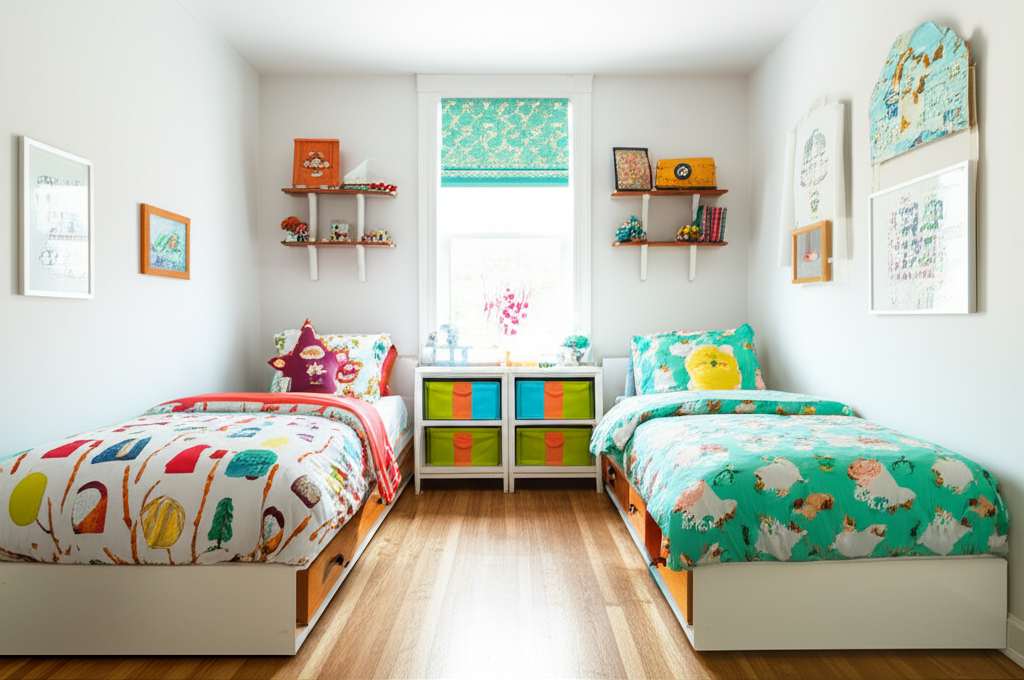
Transforming a small room for two children involves smart storage, space-saving furniture, and creating distinct zones. Maximize vertical space, use multi-functional pieces, and personalize each child’s area to foster independence and harmony, making even the coziest room feel spacious and organized.
Sharing a room can be a challenge, especially when space is tight. It’s a common puzzle for many families, and the thought of fitting two kids’ belongings, sleeping areas, and play zones into a small space can feel overwhelming.
But don’t worry! With a few clever design tricks and a focus on practicality, you can create a functional, fun, and comfortable shared room for your little ones.
This guide will walk you through essential tips and ideas to make the most of every inch, turning a small room into a happy haven for both children. If you’re also looking for inspiration in other compact spaces, check out our article on 10 Cozy Small Kitchen Ideas: Amazing Makeovers for space-saving strategies that can translate beautifully into kids’ rooms.
Small Room Design for 2 Children: Essential Tips
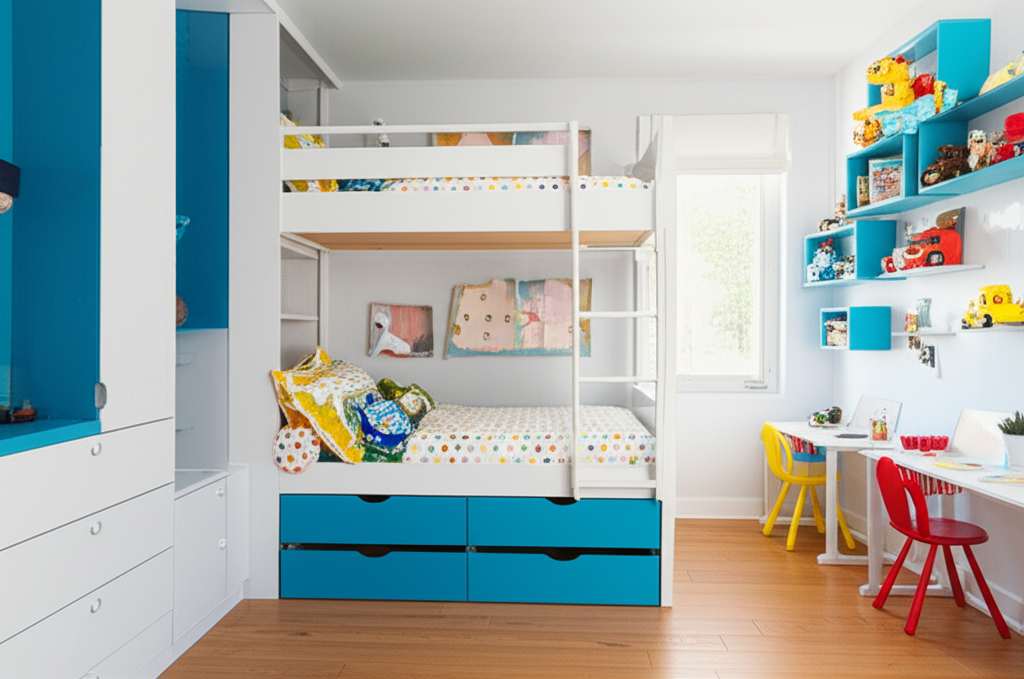
Designing a small room for two children is all about maximizing every square foot. It requires a thoughtful approach to furniture, storage, and layout. The goal is to create individual spaces within a shared environment, ensuring both children feel comfortable and have their own sense of territory.
1. Smart Storage Solutions are Key
When it comes to small spaces, storage is your best friend. For two children, this becomes even more crucial. Think vertically, horizontally, and even underfoot!
- Vertical Storage: Utilize wall space with tall bookshelves, wall-mounted shelves, and pegboards. These keep items off the floor and within reach.
- Under-Bed Storage: Drawers or bins that fit under the beds are perfect for stashing toys, extra bedding, or seasonal clothes.
- Over-the-Door Organizers: These are fantastic for shoes, small toys, or craft supplies.
- Cube Storage Units: These are versatile and can be used to store toys, books, or folded clothes. You can even use them as room dividers.
Consider a sturdy, tall bookshelf that reaches close to the ceiling. It provides ample space for books and decorative items while taking up minimal floor space. Ensure it’s securely anchored to the wall to prevent tipping, especially with active children around. For more on childproofing, the U.S. Consumer Product Safety Commission (CPSC) offers excellent guidance on furniture tip-overs.
2. Space-Saving Furniture Choices
The right furniture can make a world of difference. Opt for pieces that serve multiple purposes or are designed for smaller spaces.
- Bunk Beds or Loft Beds: This is often the go-to solution for sharing a small room. Bunk beds allow two children to sleep in the footprint of one bed. Loft beds free up space underneath for a desk, play area, or additional storage.
- Trundle Beds: If bunk beds aren’t an option, a trundle bed can provide a second sleeping surface that tucks away neatly during the day.
- Wall-Mounted Desks: Instead of a bulky desk, consider folding or wall-mounted options that can be put away when not in use.
- Ottomans with Storage: These provide extra seating and a place to hide toys or blankets.
When choosing beds, look for options with built-in drawers or shelving. This eliminates the need for separate dressers or nightstands, further consolidating your furniture needs. For a guide on selecting safe and functional furniture, explore resources from organizations like the Furniture Fair’s Child Safety Guide. For additional storage inspiration, our post on 10 Stylish Kitchen Storage Accessories: Chic Solutions showcases clever organizational ideas that can be adapted for kids’ rooms.
3. Creating Individual Zones
Even in a small shared room, giving each child a sense of personal space is important for harmony. This doesn’t require physical walls, but rather subtle distinctions.
- Bed Area: Personalize each child’s bed with their favorite bedding, pillows, and a small bedside shelf or lamp.
- Study/Activity Zone: If space allows, designate a small area for homework or creative activities. This could be a shared desk or two smaller, individual workspaces.
- Play Zone: Clear a small area for toys and games. A soft rug can help define this space.
- Storage Zones: Assign specific shelves or bins to each child for their belongings. Labels can be very helpful here.
Consider using a tall bookshelf or a modular storage unit as a subtle divider between the beds or play areas. This provides a visual separation without completely closing off the room. You can also use different colored rugs or mats to define distinct zones.
4. Light and Color: Making the Room Feel Bigger
The right colors and lighting can dramatically impact how spacious a room feels. Lighter colors tend to reflect light and make a room appear larger and airier.
- Light Paint Colors: Opt for soft whites, pastels, or light neutrals for the walls. These create a bright and open atmosphere.
- Mirrors: Strategically placed mirrors can create the illusion of more space by reflecting light and the room itself.
- Adequate Lighting: Ensure the room has good overhead lighting. Supplement with task lighting, such as desk lamps or bedside reading lights.
- Window Treatments: Use light, airy curtains or blinds that allow natural light to filter in. Avoid heavy, dark drapes.
A large mirror placed opposite a window can work wonders in bouncing natural light around the room. When painting, consider a matte finish as it can absorb light, while a satin or eggshell finish reflects it, making the space feel brighter. For tips on choosing safe, low-VOC paints, the Environmental Protection Agency (EPA) offers valuable information. To explore more light-enhancing design strategies, see our guide on 12 White Kitchen Decor Ideas: Amazing Style, which highlights how light colors and reflective surfaces open up small spaces.
5. Decluttering and Organization Strategies
Regular decluttering is essential in a small shared space. Involve your children in the process to teach them valuable organizational skills.
- Regular Purges: Schedule times to go through toys and clothes with your children. Donate or discard items that are no longer used or loved.
- Categorize and Contain: Use bins, baskets, and drawer dividers to keep similar items together. This makes it easier to find things and put them away.
- “One In, One Out” Rule: For new toys or clothes, encourage the “one in, one out” rule to prevent clutter from accumulating.
- Digital Organization: For older children, consider digital storage for games and media to reduce physical clutter.
A good rule of thumb is to declutter at least every six months. Make it a fun activity with your kids, perhaps turning it into a game. This not only helps manage space but also teaches children about responsibility and mindfulness regarding their possessions.
6. Personal Touches and Decor
While functionality is key, don’t forget to make the room feel personal and inviting for both children.
- Personalized Wall Art: Allow each child to choose a piece of art or photos to display in their area.
- Color Themes: You can use a neutral base and then add pops of color that appeal to both children, or have subtle variations in decor for each side.
- Comfortable Bedding: Invest in comfortable bedding that reflects their personalities.
- Fun Accessories: Small, decorative items like stuffed animals, growth charts, or themed lamps can add personality without taking up much space.
Consider a shared bulletin board or magnetic whiteboard where both children can pin drawings, photos, or notes. This becomes a collaborative space that celebrates their individuality and shared experiences. When selecting decor, think about durability and ease of cleaning, especially for younger children.
7. Bedding Strategies for Shared Rooms
The beds themselves can be a source of space-saving innovation and personal expression.
- Bunk Bed Safety: Ensure bunk beds meet current safety standards. Use guardrails on the top bunk and ensure the ladder is secure.
- Loft Bed Functionality: A loft bed with a desk underneath is perfect for older children needing a study space.
- Trundle Bed Convenience: A trundle bed is ideal for sleepovers or occasional use, easily sliding away when not needed.
- Personalized Bedding: Allow each child to choose their own duvet cover or comforter to express their style.
When selecting bedding, consider materials that are breathable and easy to wash. For bunk beds, ensure the mattresses are the correct thickness as specified by the manufacturer to maintain safety. Resources from the CPSC provide crucial safety guidelines for bunk beds.
8. Creating a Play and Study Nook
Even in a compact room, carving out dedicated areas for play and study can improve the room’s overall functionality and reduce clutter.
- Shared Desk Space: If possible, a single, long desk can accommodate two children. Add separate drawers or caddies for each child’s supplies.
- Vertical Study Stations: Mount shelves above each child’s bed or in a corner for books, art supplies, and a small lamp.
- Floor Cushions and Beanbags: These are great for comfortable reading or playing on the floor and can be easily moved or stacked when not in use.
- Toy Storage Solutions: Use cube organizers with fabric bins, wall-mounted shelves, or under-bed drawers specifically for toys.
Consider a fold-down desk that attaches to the wall. When open, it provides a workspace, and when folded up, it frees up valuable floor space. For younger children, a low table and chairs can create a dedicated art or building zone.
9. Lighting and Ambiance
Good lighting is crucial for a small room, both for functionality and to make it feel larger.
- Layered Lighting: Combine overhead ambient lighting with task lighting (desk lamps, reading lights) and accent lighting (string lights, nightlights).
- Natural Light Maximization: Keep windows clear of heavy drapes. Use sheer curtains or blinds that can be easily adjusted.
- Dimmable Options: Consider dimmable lights for bedtime routines to create a calming atmosphere.
- Nightlights: Small, plug-in nightlights can provide comfort and a little guidance in the dark without being too bright.
Hanging string lights can add a touch of magic and warmth to the room, especially above beds or along shelves. Ensure all electrical cords are safely managed and out of reach of children. For electrical safety tips, check out resources from the National Fire Protection Association (NFPA).
10. Wall Decor and Personalization
Walls are prime real estate in a small room. Use them wisely for both decoration and practical storage.
- Gallery Wall: Create a shared gallery wall with artwork from both children, family photos, or inspirational prints.
- Pegboards: These are incredibly versatile for hanging small items, displaying artwork, or organizing craft supplies.
- Growth Charts: A wall-mounted growth chart is both decorative and functional, tracking your children’s progress.
- Removable Wall Decals: These are a great way to add personality without permanent changes, perfect for renters.
Consider a chalkboard or whiteboard paint section on one wall. This provides a dynamic space for drawing, learning, and messages, encouraging creativity and interaction. Ensure any wall-mounted items are securely fastened.
11. Floor Space Management
Keeping the floor as clear as possible makes a small room feel much bigger and safer.
- Multi-Functional Furniture: As mentioned, beds with built-in storage, ottomans, and modular units help keep items off the floor.
- Vertical Storage: Prioritize wall-mounted shelves, bookcases, and cabinets to reclaim floor space.
- Toy Rotation: Keep only a selection of toys out at a time. Store the rest in bins and rotate them regularly to keep things fresh and manageable.
- Rugs: A well-placed rug can define areas and add comfort, but avoid overly large or cluttered arrangements.
Think about the traffic flow in the room. Ensure there are clear paths from the door to the beds and any study or play areas. This not only makes the room easier to navigate but also enhances safety.
12. Maintaining Order: The Ongoing Process
Keeping a shared small room tidy requires ongoing effort and consistency.
- Establish Routines: Implement daily or weekly tidy-up routines with your children. Even 10-15 minutes can make a big difference.
- Involve Children: Teach children where items belong and encourage them to put things away after use.
- Regular Decluttering: As discussed, periodic purges are essential to prevent clutter buildup.
- Designated Spots: Ensure every item has a designated home. This makes tidying up much easier.
Make tidying up a positive experience. You can use timers, play music, or offer small rewards for consistent effort. The goal is to foster good habits that will benefit them throughout their lives.
Small Room Design for 2 Children: A Quick Comparison
Here’s a look at common furniture choices and their impact on small shared rooms:
| Furniture Type | Pros for Small Rooms | Cons for Small Rooms | Best For |
|---|---|---|---|
| Bunk Beds | Maximizes sleeping space, frees up floor area. | Safety concerns for younger children, requires ceiling height. | Maximizing sleeping capacity. |
| Loft Beds | Creates usable space underneath for desk/play. | Requires climbing, potential for falls. | Creating multi-functional zones. |
| Trundle Beds | Provides extra sleeping space on demand. | Requires storage space for the trundle when not in use. | Occasional sleepovers. |
| Modular Storage Units | Versatile, customizable, can act as dividers. | Can become cluttered if not managed. | Flexible storage and organization. |
| Wall-Mounted Furniture (Desks, Shelves) | Saves significant floor space. | Requires secure installation, less flexibility. | Optimizing vertical space. |
Choosing the right combination of these pieces will depend on the specific dimensions of your room and the ages and needs of your children. Always prioritize safety and ease of use.
Frequently Asked Questions (FAQ)
Q1: How do I divide a small room for two children without building walls?
A1: You can create visual separation using furniture like tall bookshelves or modular storage units. Rugs can also define individual zones, and distinct bedding or wall decor can give each child their own feel within the shared space.
Q2: What are the best types of beds for a small shared room?
A2: Bunk beds are excellent for saving floor space. Loft beds are also great, as they create usable space underneath for a desk or play area. Trundle beds are a good option if you need a second bed occasionally but want it out of the way most of the time.
Q3: How can I maximize storage in a tiny room for two kids?
A3: Focus on vertical storage by using tall shelves and wall-mounted units. Utilize under-bed storage with drawers or bins. Over-the-door organizers and multi-functional furniture like storage ottomans are also very helpful.
Q4: What colors are best for a small bedroom shared by children?
A4: Lighter, neutral colors like soft whites, pastels, or light grays tend to make a room feel more spacious and airy. You can then add pops of color through bedding, accessories, and artwork that appeal to both children.
Q5: How do I handle personal belongings and prevent arguments over space?
A5: Assign each child specific shelves, drawers, or bins for their belongings. Clearly label these areas. Creating distinct zones for sleeping, playing, and studying can also help manage individual space and reduce conflict.
Q6: Is it okay for siblings of different ages to share a room?
A6: Yes, siblings of different ages can share a room, but it requires more careful planning. You’ll need to consider the needs of both the older and younger child, such as providing a safe sleeping environment for the younger one and a study space for the older one. Adapt the design to accommodate their differing age-related needs.
Q7: How can I make the room feel less cluttered?
A7: Regular decluttering is key. Involve your children in sorting toys and clothes. Implement a toy rotation system, keeping only a selection of items out at a time. Use closed storage solutions like bins and drawers to hide away less-used items.
Conclusion
Designing a small room for two children doesn’t have to be a daunting task. By focusing on smart storage, space-saving furniture, and creating distinct zones, you can transform a compact space into a comfortable and functional haven for both your children.
Remember to involve your children in the process, allowing them to contribute to the decor and organization. This not only makes the room more personal but also teaches them valuable lessons about respecting shared spaces and taking care of their belongings.
With these essential tips, you’re well on your way to creating a room that fosters peace, creativity, and happy memories for your little ones, no matter the size of the space.