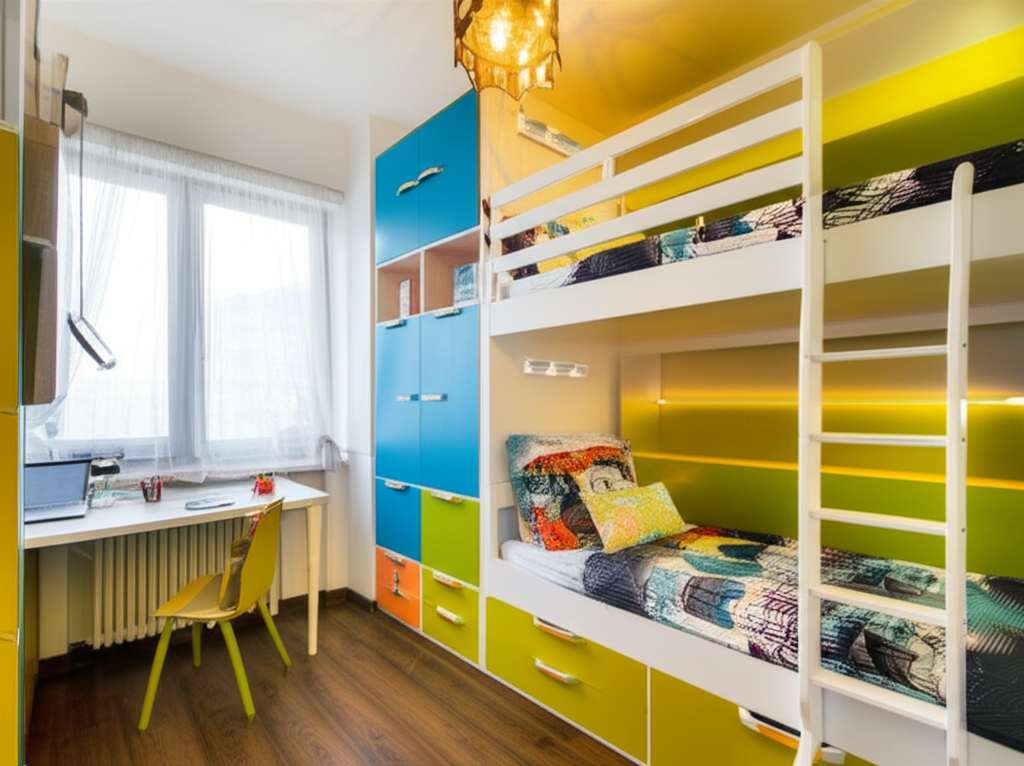
Quick Summary
Designing a small room for two kids is all about smart space planning, multi-functional furniture, and creating distinct zones. Focus on vertical storage, bunk beds or loft beds, and a shared color palette that appeals to both children. With these essential tips, you can transform any compact space into a functional and fun haven for your little ones.
Sharing a bedroom can be a big adjustment for kids, especially when the room itself isn’t exactly spacious. It’s a common challenge for many families, leading to clutter, squabbles over space, and a general feeling of being cramped.
But don’t worry! Creating a comfortable and organized small room for two children is totally achievable. You don’t need a huge budget or professional designer to make it work.
We’ll walk through simple, effective strategies to maximize your space, keep things tidy, and make sure both kids feel like they have their own special corner. Get ready to transform that small room into a happy, functional shared space!
Small Room Design for 2 Kids: Essential Tips
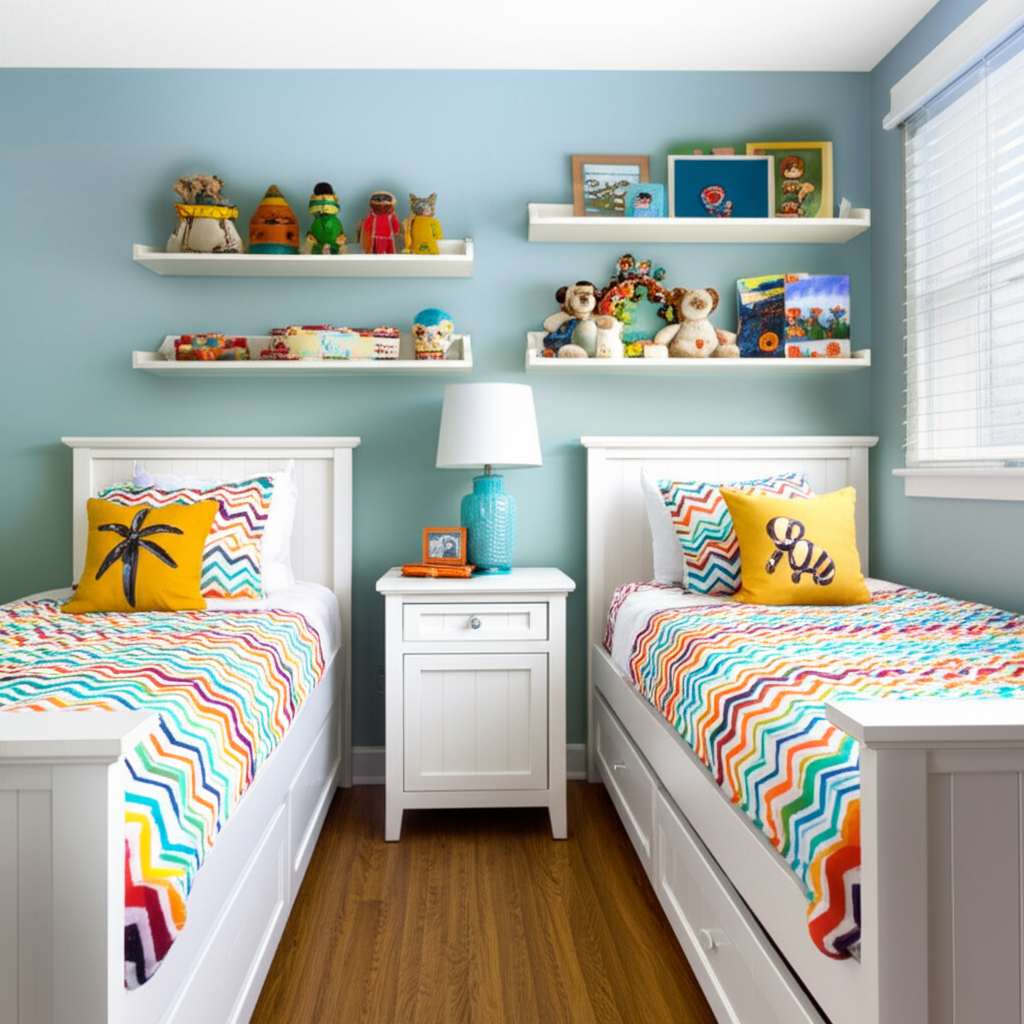
When you’re working with a smaller footprint for your children’s shared bedroom, every inch counts. The goal is to create a space that feels open, organized, and personal for both kids, even if they have different tastes or needs. It’s about clever planning and making the most of what you have.
This guide will break down the essentials, offering practical ideas that are easy to implement. We’ll cover everything from choosing the right beds to clever storage solutions and decorating tips that foster harmony.
1. Maximize Vertical Space: Go Up!
In a small room, looking up is your best friend. Walls are prime real estate for storage and even sleeping arrangements. Think about how you can utilize the height of the room to keep the floor clear and create more usable space.
This is where shelves, tall dressers, and vertical storage units shine. They help declutter the floor, making the room feel bigger and easier to keep tidy. Plus, kids often love having their own shelves for displaying treasures.
Smart Vertical Storage Ideas:
- Tall, Narrow Bookshelves: Opt for bookshelves that are tall and slim rather than wide and short. This draws the eye upward and holds a lot of books and decorative items without taking up much floor space.
- Wall-Mounted Shelving: Floating shelves can be installed above beds, desks, or dressers. They provide storage without visually closing in the room.
- Over-the-Door Organizers: These are fantastic for shoes, toys, or small accessories. They use often-forgotten space effectively.
- Pegboards: A versatile option for hanging small toys, art supplies, or even decorative items. You can customize them to fit your needs.
2. The Bedding Solution: Bunk Beds or Loft Beds
When two kids share a small room, the beds are the biggest space consumers. Choosing the right type of bed is crucial for maximizing floor space. Bunk beds and loft beds are classic solutions for a reason.
Bunk beds stack sleeping areas, freeing up floor space below. Loft beds lift one bed, creating an open area underneath for play, study, or additional storage. Both are excellent for small rooms.
Bunk Bed vs. Loft Bed: Which is Right?
| Feature | Bunk Bed | Loft Bed |
|---|---|---|
| Space Saving | Excellent; offers two sleeping spots in the footprint of one. | Excellent; frees up significant floor space underneath for other uses. |
| Versatility | Primarily for sleeping. | Can be configured with a desk, play area, or storage underneath. |
| Child Comfort | Top bunk can feel enclosed; lower bunk can be dark. | The space underneath can be open or enclosed; sleeping area is more open. |
| Safety | Requires guardrails; ensure proper assembly. | Requires guardrails; ensure proper assembly and clear space below. |
When selecting bunk or loft beds, always prioritize safety. Ensure they meet current safety standards, have sturdy guardrails, and are assembled correctly. For a shared room, consider models with built-in ladders or steps that can also serve as storage.
3. Create Distinct Zones: Personal Space Matters
Even in a shared small room, giving each child a sense of their own personal space is important for harmony. This doesn’t mean building walls, but rather using clever design to define areas.
Think about creating zones for sleeping, playing, studying, and storage. This helps keep the room organized and reduces potential conflicts over shared items or activities.
Zone Ideas for Shared Rooms:
- Sleeping Zone: This is straightforward – the beds themselves. You can differentiate them with bedding choices.
- Study Zone: If space allows, a small desk or even a fold-down desk mounted on the wall can serve as a dedicated study area. Position them near a window for natural light if possible.
- Play Zone: This might be the space under a loft bed, a corner with a rug, or a designated spot for toys.
- Storage Zone: Each child should have their own designated storage for clothes and personal items.
Using different colored rugs, small partitions (like a bookshelf placed between beds), or even distinct bedding can help visually separate each child’s area within the room.
4. Smart Storage Solutions: Tame the Clutter
Clutter is the enemy of small spaces, especially when you have two kids’ worth of toys, clothes, and books to manage. Invest in smart storage that hides items away and keeps surfaces clear.
The key is to have a place for everything. This makes tidying up easier for both kids and parents, and it dramatically improves the feel of the room.
Clever Storage Hacks:
- Under-Bed Storage: Use rolling bins or drawers that fit snugly under the beds. This is perfect for seasonal clothes, extra bedding, or toys that aren’t used daily.
- Drawer Units and Dressers: Choose dressers that are tall and narrow to save floor space. If using bunk beds, consider models with built-in drawers.
- Wall-Mounted Organizers: Think beyond shelves. Wall-mounted cubbies, baskets, or even simple hooks can hold a surprising amount of items.
- Toy Chests with Lids: These are great for stuffing away toys quickly. Ensure they have a soft-close lid for safety.
- Closet Organizers: Maximize closet space with hanging shelves, drawer units, and shoe racks.
Consider using clear bins or labeling opaque bins so kids can easily see what’s inside. This encourages them to put things away in the right spot. For more inspiration on maximizing small spaces, check out our guide to cozy small kitchen ideas—many of the same principles apply to shared bedrooms.
5. Color Palette & Decor: Harmony and Personality
Choosing a color scheme and decor for a shared room can be tricky, especially if the kids have different preferences. The trick is to find a balance that works for both of them and makes the room feel cohesive.
A neutral base with pops of color is often the easiest approach. This allows for individual touches without overwhelming the small space.
Decorating Tips for Shared Rooms:
- Neutral Base: Paint the walls in a neutral color like soft grey, beige, or a pale blue. This makes the room feel larger and provides a calm backdrop.
- Incorporate Both Kids’ Favorites: Let each child choose a favorite color to be used as an accent. This could be through bedding, throw pillows, artwork, or a small rug.
- Shared Themes (Optional): If they have a shared interest, like animals or space, a subtle theme can tie the room together.
- Personalized Touches: Each child can have their own picture frames, a special shelf for their items, or a personalized name sign.
- Mirrors: Strategically placed mirrors can make the room feel much larger and brighter by reflecting light.
Involving the kids in the decorating process, within reason, can make them feel more invested in the space and help them appreciate the compromises made. Websites like Houzz offer endless inspiration for shared kids’ room designs.
6. Lighting is Key: Brighten Up
Good lighting can make a small room feel much more welcoming and spacious. Relying solely on one overhead light can leave corners dark and the room feeling a bit dingy.
Layering light sources is essential for functionality and ambiance. This means having ambient light, task lighting, and perhaps accent lighting.
Lighting Strategies for Small Rooms:
- Ambient Lighting: A central ceiling fixture provides general illumination. Consider a flush-mount or semi-flush mount fixture that doesn’t hang too low.
- Task Lighting: Desk lamps for studying or reading lights mounted near the beds are crucial. Bedside lamps can also save precious surface space.
- Natural Light: Maximize natural light by keeping window treatments simple and light. Avoid heavy, dark curtains.
- Night Lights: Gentle night lights can make the room feel safer and more comforting for young children.
Think about the type of bulbs you use. Cooler, brighter bulbs can make a room feel more awake and alert, while warmer bulbs create a cozier atmosphere. For kids’ rooms, a good balance is often best.
7. Keep it Flexible and Adaptable
Children grow quickly, and their needs and interests change. Designing a small room that can adapt over time is a smart investment.
This means choosing furniture that isn’t too childish and decor that can be easily updated. Think about furniture that can serve multiple purposes or grow with your kids.
Adaptable Design Elements:
- Modular Furniture: Pieces that can be reconfigured or added to as needed.
- Neutral Furniture Base: A neutral-colored bed frame or dresser can be easily updated with new bedding or accessories.
- Adjustable Shelving: Shelves that can be moved up or down to accommodate different-sized items.
- Removable Wall Decals: A fun way to add personality without permanent changes.
For example, a loft bed can transition from a play space underneath to a desk area as the child gets older. Similarly, bedding and wall art can be easily swapped out to reflect evolving tastes.
8. Floor Space Management: Keep it Clear
The floor is where most of the action happens in a kids’ room, and it’s the first place to feel cluttered. Keeping the floor as clear as possible is paramount in a small space.
This goes hand-in-hand with good storage, but it’s also about furniture placement and mindful toy management.
Tips for Clear Floor Space:
- Furniture Placement: Arrange furniture against the walls to create a more open central area.
- Wall-Mounted Desks/Tables: These take up no floor space and can be folded away when not in use.
- Regular Purges: Periodically go through toys and clothes with your children and donate or discard items that are no longer used or loved.
- Designated Play Mat/Rug: Having a specific area for play can help contain toys and encourage cleanup.
A clean floor makes the room feel instantly larger and safer for playing. It also reduces tripping hazards, which is always a win!
9. Consider Safety First
When designing any room for children, safety should always be the top priority. In a small, shared space, this becomes even more important due to the proximity of furniture and potential for bumps and falls.
From furniture choices to decor, think about potential hazards and how to mitigate them.
Key Safety Considerations:
- Secure Furniture: Anchor all tall furniture, like dressers and bookshelves, to the wall to prevent tipping. The U.S. Consumer Product Safety Commission (CPSC) offers excellent guidance on furniture tip-over prevention.
- Rounded Corners: Opt for furniture with rounded edges where possible to minimize injuries from bumps.
- Safe Bedding: Ensure bunk beds have sturdy guardrails and that children are of appropriate age to use the top bunk.
- Cord Management: Keep electrical cords tidy and out of reach.
- Non-Toxic Materials: Use paints and materials that are safe for children and free from harmful chemicals.
Double-check that any toys or decor are age-appropriate and do not pose choking hazards for younger children.
Frequently Asked Questions (FAQ)
Q1: How can I make a small shared kids’ room feel less cramped?
A: Use light paint colors, maximize vertical storage, opt for multi-functional furniture like bunk or loft beds, and keep the floor as clear as possible. Mirrors can also create an illusion of more space.
Q2: How do I divide a small room fairly for two kids with different interests?
A: Create distinct zones for sleeping, playing, and studying. Use individual bedding, personal decor items on shelves, and allow each child to choose an accent color. A neutral base color scheme helps tie everything together.
Q3: What are the best bed options for a small room shared by two kids?
A: Bunk beds and loft beds are ideal as they stack sleeping areas or lift one bed, freeing up significant floor space. Consider models with built-in storage drawers.
Q4: How much storage is enough for two kids in a small room?
A: You can never have too much! Focus on vertical storage (tall shelves, wall units), under-bed bins, and closet organizers. Regular decluttering is also key.
Q5: Can I use bunk beds if my kids are very young?
A: It’s generally recommended that children be at least 6 years old before sleeping on the top bunk due to safety concerns. Always ensure sturdy guardrails are in place.
Q6: How can I encourage my kids to keep their small shared room tidy?
A: Implement a “a place for everything” system with clear labeling. Make tidying a routine, and involve them in the process. Keep storage accessible and easy to use.
Q7: What if my kids fight over space in their small room?
A: Clearly define personal zones and storage areas for each child. Establish room rules together, focusing on respecting each other’s belongings and space. A neutral, calming color palette can also help reduce sensory overload.
Conclusion
Designing a small room for two kids doesn’t have to be a headache. By implementing these essential tips, you can create a functional, organized, and enjoyable space that fosters both individuality and togetherness.
Remember to focus on maximizing vertical space, choosing smart furniture like bunk or loft beds, and creating distinct zones. With clever storage solutions and a balanced approach to decor, you can transform even the most compact room into a haven your children will love.
Embrace the challenge, involve your kids, and have fun with the process. You’ve got this! For more home organization inspiration, explore our tips on stylish kitchen storage accessories—great for keeping any space tidy and efficient.