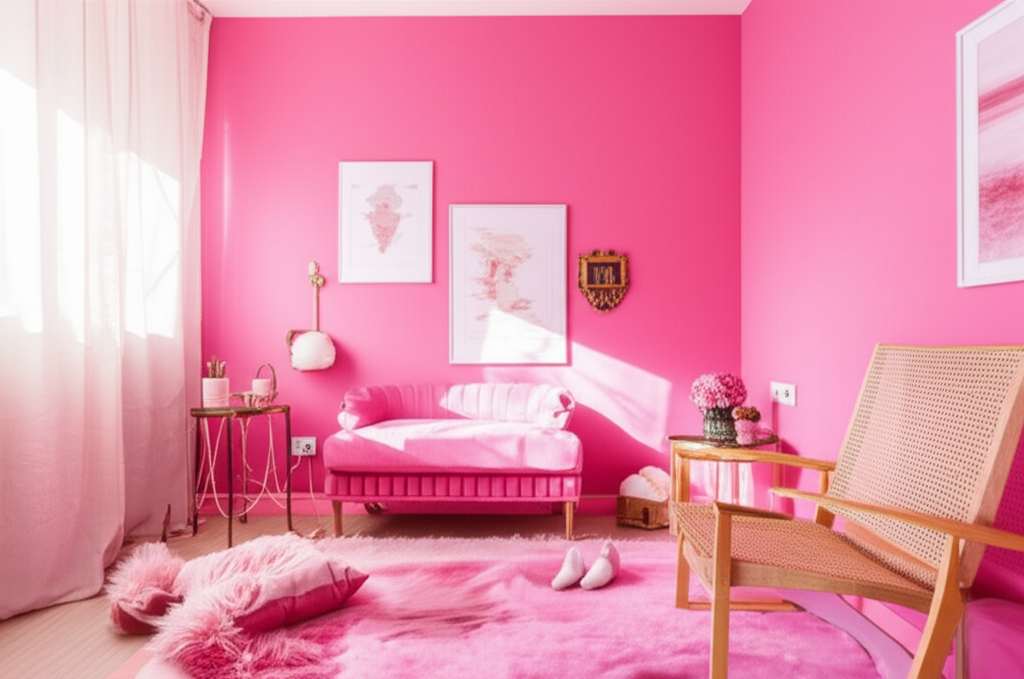
Transform small rooms into bold, beautiful pink sanctuaries with these beginner-friendly design ideas. Discover how to use pink strategically for a stylish, inviting, and spacious feel.
Feeling like your small room is a little… well, small? You’re not alone! Many of us have cozy nooks or compact spaces that feel a bit cramped or uninspired. It can be tough to figure out how to make them feel bigger, brighter, and more like you.
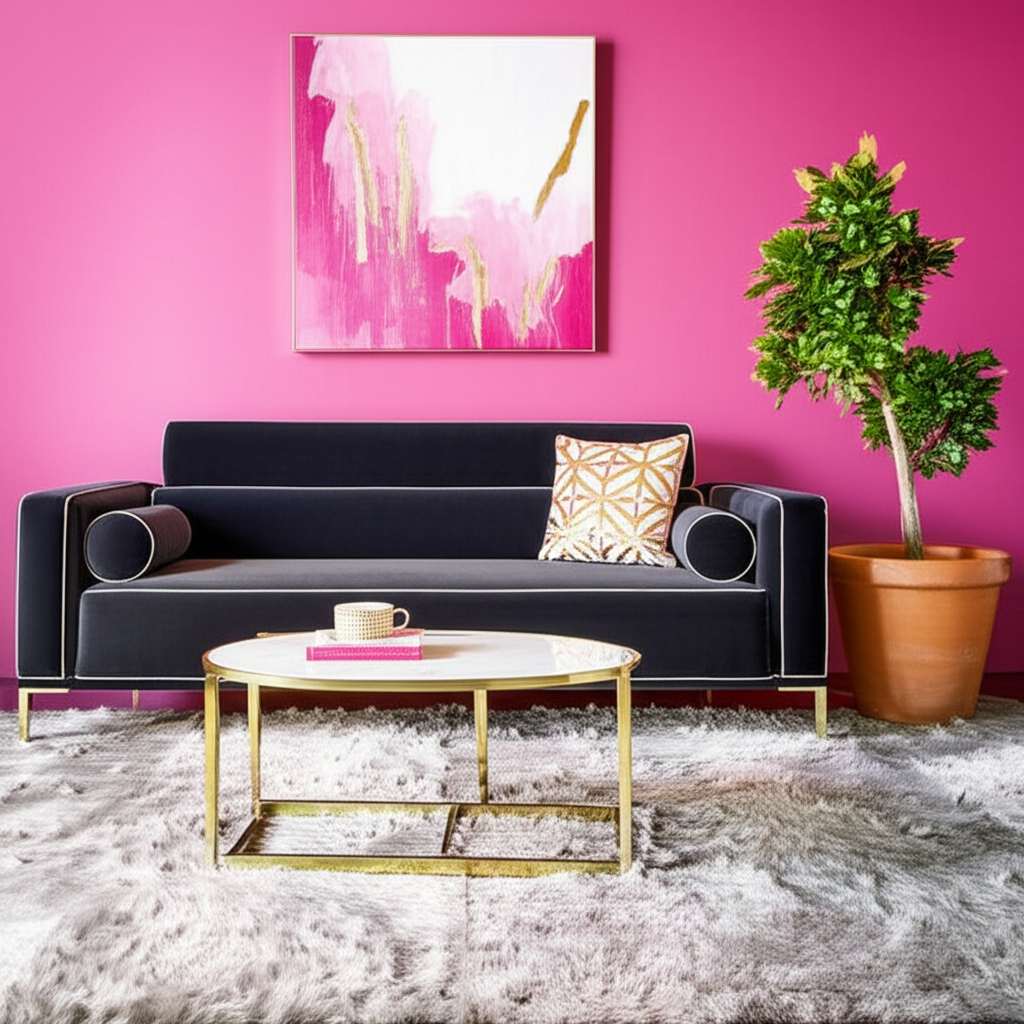
But what if I told you a splash of pink could be your secret weapon? Pink isn’t just for nurseries anymore; it’s a surprisingly versatile color that can make a small room feel both bold and beautifully expansive. Don’t worry if you’re new to decorating – we’ll walk through simple, creative ways to bring this gorgeous hue into your space.
Get ready to discover how to use pink to create a room that’s full of personality and feels wonderfully open. Let’s dive in and make your small space shine!
Why Pink Works Wonders in Small Spaces
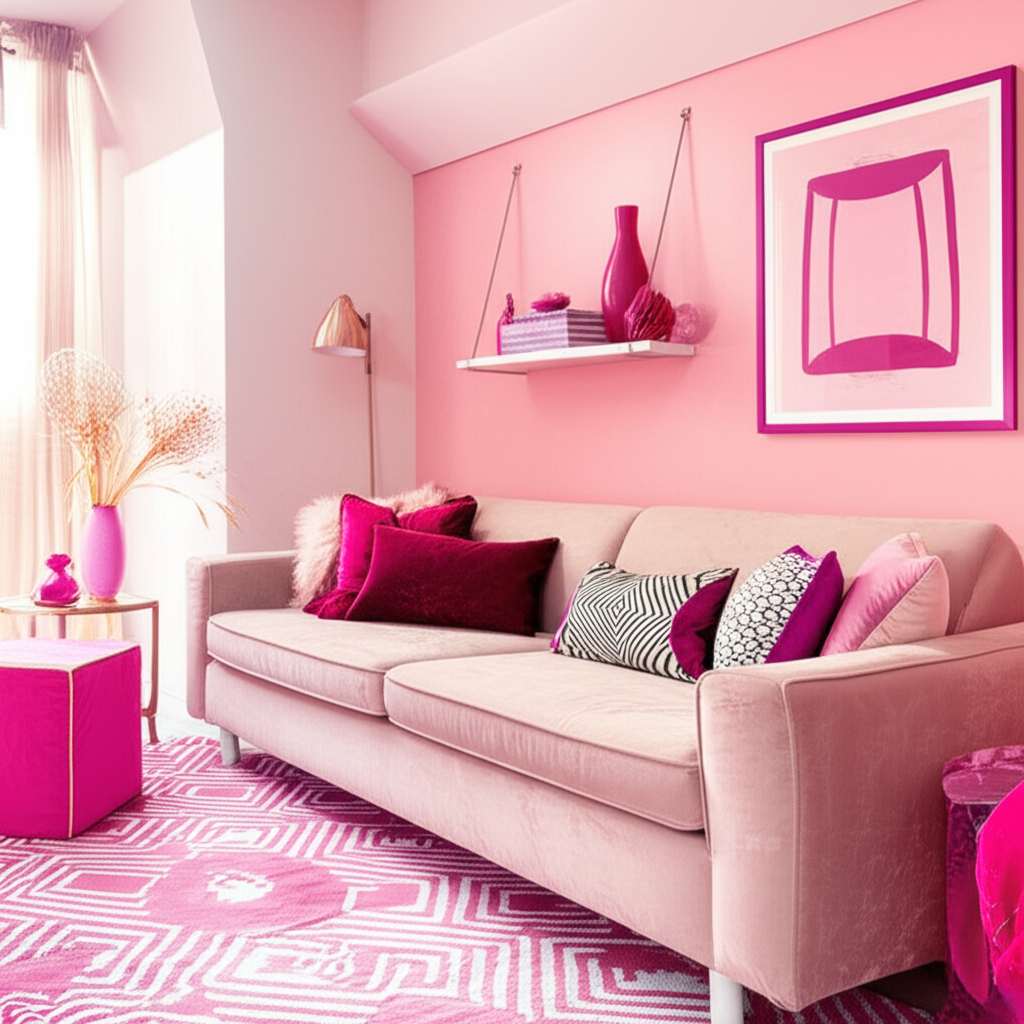
Pink might seem like a bold choice for a small room, but it’s actually one of the best colors to play with! Think of it as a cheerful, sophisticated cousin to white or beige. Lighter shades of pink can reflect light, making a room feel airier and more open, almost like a soft, flattering natural light. Deeper or brighter pinks can add a cozy, inviting vibe without making the space feel closed in, especially when used thoughtfully.
The magic of pink lies in its adaptability. It can be romantic, playful, modern, or elegant, depending on the shade and how you use it. This means you can tailor the look to your personal style, whether you’re dreaming of a serene escape or a vibrant, energetic hub. It’s all about finding the right pink and the right approach for your specific room.
Choosing Your Perfect Pink Palette
The first step to a fabulous pink-enhanced small room is selecting the right shade. Not all pinks are created equal, and the one you choose will dramatically affect the room’s mood and perceived size. Let’s explore some popular options:
- Blush Pink: This soft, muted pink is incredibly versatile. It’s light enough to bounce light around, making small rooms feel more spacious. It pairs beautifully with neutrals like white, cream, and light grey, creating a calm and elegant atmosphere. Think of it as a sophisticated alternative to beige.
- Dusty Rose: A bit deeper and more muted than blush, dusty rose adds warmth and a touch of vintage charm. It feels cozy and inviting, perfect for bedrooms or reading nooks. It works well with natural wood tones and deeper greens.
- Coral Pink: For a bit more energy, coral pink offers a warmer, more vibrant feel. It’s a cheerful and welcoming shade that can add personality without being overwhelming. It’s great for living areas or home offices that need a little pep.
- Bold Magenta/Fuchsia: If you’re feeling daring, these vibrant pinks can be stunning in small doses. Use them as accent colors to create a focal point and add a dramatic flair. They bring a sense of luxury and fun.
- Pastel Pink: Lighter than blush, pastel pink is soft and dreamy. It’s excellent for creating a light and airy feel, similar to pale blues or greens, but with a warmer undertone.
Consider the natural light in your room. Rooms with lots of natural light can handle deeper or brighter pinks, while rooms with less light might benefit more from lighter, more reflective shades.
Small Room Design Ideas Pink: Strategic Application
Now, let’s get to the fun part – how to actually use pink in your small space. The key is to be strategic, so you enhance the room’s feel rather than overwhelm it.
1. The Power of Pink Walls
Painting your walls is one of the most impactful ways to introduce color. For small rooms, lighter shades of pink are your best friend.
- All Walls: Painting all four walls in a soft blush or pastel pink can make the room feel like a warm embrace. It creates a cohesive look that can actually make the space feel larger because there are no harsh color breaks.
- Accent Wall: If you love a bolder pink but are hesitant, paint just one wall. This adds a pop of color and personality without making the room feel small. Position this wall strategically, perhaps the one behind your bed or a feature wall in your living area.
- Ceiling Accent: A less common but very effective trick is to paint the ceiling a light pink. This draws the eye upward, creating a sense of height and airiness. It’s unexpected and adds a unique touch.
Pro Tip: Use a matte or eggshell finish for walls. These finishes are less reflective than gloss, which can sometimes highlight imperfections or make a small space feel too stark. A softer finish blends better.
2. Pink Through Furniture and Decor
You don’t have to paint everything pink to enjoy its benefits! Furniture and decor are fantastic ways to weave pink into your design.
- Statement Sofa or Armchair: A blush pink sofa or a fuchsia accent chair can be the stunning centerpiece of your living room. It adds color and comfort while acting as a stylish focal point.
- Bedding and Textiles: For bedrooms, think pink bedding, throw pillows, or a cozy quilt. These are easy to swap out if you want to change your decor seasonally or simply refresh the look.
- Curtains and Rugs: A pair of soft pink curtains can soften the light and add a touch of elegance. A pink rug can anchor your furniture and bring warmth to the floor. Choose lighter pinks for rugs to help reflect light.
- Smaller Accents: If you prefer just a hint of pink, opt for smaller items like vases, picture frames, lamps, or decorative bowls. These little touches add personality without dominating the space.
Consider the scale of your furniture. In a small room, opt for pieces with clean lines and slightly slimmer profiles to avoid making the space feel cluttered.
3. Pink Accents and Accessories: The Finishing Touches
Accessories are where you can really have fun and inject your personality. They’re also the easiest and most budget-friendly way to try out pink!
- Art and Wall Decor: Hang up artwork that features pink hues, or choose a gallery wall with pink frames. A large abstract piece with pink tones can be a fantastic conversation starter.
- Cushions and Throws: Layering different shades of pink cushions on a neutral sofa or armchair adds texture and depth. A soft pink throw draped over a chair invites relaxation.
- Plants with Pink Pots: Even your greenery can get a pink makeover! A bright pink planter for your favorite houseplant adds a vibrant pop of color.
- Lighting: Look for lamps with pink lampshades or bases. The soft glow through a pink shade can create a warm, inviting ambiance.
- Tableware and Kitchenware: If you’re decorating a small kitchen or dining nook, pink mugs, plates, or a kettle can add a cheerful touch to everyday items. For more inspiration on kitchen styling, check out our guide to 10 Best Kitchen Decor Themes.
These small additions can make a big difference in how a room feels, adding character and style without requiring a major overhaul.
Combining Pink with Other Colors for Small Spaces
Pink is incredibly versatile and pairs well with many colors. Here’s how to create harmonious combinations for your small room:
Pink and Neutrals: The Classic Combo
This is the safest and often most effective way to use pink in a small space. Neutrals help to balance the warmth of pink and prevent it from feeling overwhelming, while pink adds personality to otherwise plain palettes.
- Pink and White/Cream: This is a timeless pairing that feels fresh, airy, and sophisticated. White or cream walls with pink accents, or vice-versa, will make a small room feel larger and brighter.
- Pink and Grey: A soft grey creates a modern and chic backdrop for pink. Lighter greys will keep the space feeling open, while charcoal grey can be used as a dramatic accent with softer pinks.
- Pink and Beige/Tan: For a warmer, earthier feel, pair pink with beige or tan. This combination is cozy and inviting, especially with dusty rose or muted coral pinks.
Pink and Earth Tones: Natural Warmth
For a grounded and organic feel, combine pink with natural earth tones.
- Pink and Green: Think of the natural beauty of a rose garden! Soft pinks paired with sage green, olive green, or even deeper forest greens create a sophisticated, nature-inspired palette. Greenery from plants also works wonderfully here.
- Pink and Brown: Wood tones are a natural fit for pink. Natural wood furniture or accents in light oak or walnut can ground a pink scheme and add warmth.
Pink and Metallics: A Touch of Glamour
Adding metallic accents can elevate a pink scheme and add a touch of luxury, making the space feel more special.
- Pink and Gold/Brass: This combination exudes elegance and warmth. Gold or brass hardware, picture frames, or lighting fixtures will make pink hues feel richer and more sophisticated.
- Pink and Silver/Chrome: For a cooler, more contemporary look, pair pink with silver or chrome. This is a great option if you want a modern, sleek aesthetic.
Tip: When using bolder pinks or combining pink with other strong colors, it’s often best to use the bolder color as an accent. Keep larger surfaces like walls and sofas in more neutral or lighter shades.
Creating the Illusion of More Space with Pink
Beyond just color choice, how you apply pink can help a small room feel bigger. Here are some tricks:
- Light Reflectivity: Lighter and brighter shades of pink will reflect more light, making the room feel more open. Consider satin or eggshell finishes on walls for a subtle sheen that bounces light.
- Vertical Lines: Use pink in ways that draw the eye upward. Tall, narrow bookcases painted in a soft pink, or striped wallpaper with pink elements, can create a sense of height.
- Mirrors: Place mirrors opposite or adjacent to pink elements. The reflection will amplify the color and light, making the room feel more expansive. A mirror with a subtle pink frame can tie into your decor.
- Monochromatic Schemes: Using different shades and tints of the same pink color throughout the room can create a seamless look that avoids visual clutter and makes the space feel more unified and thus, larger.
- Strategic Placement of Bold Colors: If using a bold pink, place it strategically. For example, a bright pink rug can anchor a seating area, drawing attention downwards and making the perimeter of the room feel more open.
The goal is to use pink to guide the eye and create a sense of depth and openness, rather than making the room feel enclosed.
DIY Pink Decor Projects for Beginners
Don’t want to break the bank? These simple DIY projects are perfect for adding pink touches to your small space:
- Painted Vases: Grab some old glass or ceramic vases. Clean them thoroughly and spray paint them in your chosen pink shade. You can create a gradient effect by using lighter pink at the top and darker at the bottom, or add simple stripes.
- Upcycled Furniture: Find an old side table, stool, or chair. Sand it down, prime it, and give it a fresh coat of pink paint. This is a fantastic way to add a bold piece of furniture without buying new.
- Fabric Wall Art: Stretch a piece of fabric with a beautiful pink pattern or a solid pink color over a canvas or wooden frame. This is a quick and easy way to add large-scale art.
- Customized Throw Pillows: Buy plain cushion covers and use fabric paint to stencil a design, create a pattern, or even write a word in pink.
- DIY Pink Garland: Cut out shapes (hearts, circles, triangles) from pink cardstock or felt and string them together to create a festive garland.
These projects are not only budget-friendly but also a great way to personalize your space and get a feel for how you like using pink.
Considerations for Different Room Types
The way you use pink can vary depending on the room’s function.
Small Living Room Pink Ideas
In a living room, pink can create a welcoming and sociable atmosphere. Consider:
- A blush pink sofa or accent chairs.
- A gallery wall with artwork featuring pink elements.
- Pink cushions and throws on a neutral sofa.
- A soft pink rug to define the seating area.
Small Bedroom Pink Ideas
Bedrooms are perfect for softer, more calming shades of pink. Think about:
- Pale pink walls for a serene retreat.
- Pink bedding, duvet covers, or a comforter.
- Dusty rose curtains to add warmth.
- Small pink decorative items like lamps or vases.
Small Home Office Pink Ideas
A touch of pink can boost creativity and positivity in a home office. Try:
- A coral pink accent wall to energize the space.
- Pink desk accessories like a pen holder or stapler.
- A framed inspirational quote with pink lettering.
- Pink upholstery on an office chair for a stylish touch.
Small Kitchen or Dining Nook Pink Ideas
Inject some fun into these spaces with:
- Pink ceramic tiles for a backsplash.
- Pink mugs, plates, or serving dishes.
- A small pink rug under a dining table.
- Pink-painted cabinets or an island for a bolder statement. For more kitchen-specific ideas, explore our collection of 10 Cozy Small Kitchen Ideas.
No matter the room, the principle remains the same: use pink to enhance the mood and function of the space.
Maintaining a Sense of Balance
While we love pink, it’s important to maintain balance so your small room doesn’t feel overwhelmingly feminine or monotonous. Here’s how:
- Mix with Neutrals: As discussed, neutrals are your best friend. They provide breathing room and prevent pink from taking over.
- Incorporate Texture: Use different textures like wood, metal, rattan, or natural fabrics alongside pink. This adds depth and visual interest, making the space feel more dynamic.
- Add Contrast: Introduce a contrasting color sparingly. For example, a small amount of deep green, navy blue, or even black can ground a pink scheme and add sophistication.
- Vary the Shades: Don’t stick to just one shade of pink. Mixing lighter and deeper or brighter pinks can create a more complex and interesting palette.
- Balance with Other Colors: If you have existing colors in your room (like furniture you can’t change), work pink in as an accent that complements them.
A well-balanced room feels curated and intentional, no matter the color palette.
The Psychology of Pink in Design
Did you know pink has psychological effects? It’s not just a pretty color!
Pink is often associated with compassion, nurturing, and calmness. Lighter shades can evoke feelings of serenity and peace, making them excellent for relaxation spaces like bedrooms. Brighter or warmer pinks can stimulate energy and enthusiasm, perfect for spaces where you want to feel more vibrant.
Interestingly, certain shades of pink, particularly a specific muted rose, have even been used in correctional facilities and sports locker rooms (in a shade known as Baker-Miller pink) to promote a calming effect. While you might not be aiming for that specific effect, it highlights pink’s potential to influence mood. For your home, this means pink can help create the exact atmosphere you desire, whether it’s a tranquil haven or a cheerful gathering spot.
Frequently Asked Questions About Pink in Small Rooms
Q1: Will pink make my small room feel smaller?
Not at all! Lighter shades of pink, like blush or pastel pink, actually reflect light and can make a small room feel brighter and more spacious. Bolder pinks can be used strategically as accents without shrinking the space.
Q2: Is pink too feminine for a shared space or a man’s room?
Pink can be for anyone! Modern design embraces pink beyond traditional gender roles. Think of dusty rose, coral, or even deep magenta. Paired with strong neutrals, wood tones, or industrial elements, pink can create a sophisticated and gender-neutral space.
Q3: How can I use pink if I’m afraid of it looking too childish?
Choose sophisticated shades like blush, dusty rose, or rose gold. Pair them with mature colors like grey, navy, or deep green. Use pink in more adult-friendly items like a velvet armchair, a sophisticated art piece, or elegant drapery rather than cartoon characters.
Q4: What colors go best with pink in a small room?
Neutrals like white, cream, grey, and beige are excellent. Earth tones such as green and brown also work beautifully. Metallics like gold, brass, or silver add a touch of glam. For a bolder look, consider navy blue or deep teal.
Q5: Can I use pink paint on all the walls in a small room?
Yes, especially if you choose a lighter, softer shade of pink. This can create a cohesive and warm atmosphere. If you opt for a bolder pink, consider using it on just one accent wall to avoid overwhelming the space.
Q6: What’s the easiest way to add pink to a room without painting?
Start with accessories! Pink throw pillows, blankets, vases, picture frames, or a rug are easy and budget-friendly ways to introduce the color. You can also swap out artwork or add a new set of curtains.
Q7: How can I make pink feel modern and not dated?
Combine pink with modern furniture styles, clean lines, and contemporary materials like metal or concrete. Avoid overly floral or frilly patterns. Opt for geometric designs or abstract art. Pair with on-trend colors and textures for a fresh feel. For a curated look, consider browsing our 10 Kitchen Decor Trends for 2025 for modern inspiration.
Conclusion
Designing a small room with pink doesn’t have to be daunting. By choosing the right shades and applying them strategically, you can transform your compact space into a bold, beautiful, and inviting sanctuary. Remember, pink is incredibly versatile – it can be calming, energizing, sophisticated, and playful, all at once.
Whether you opt for a full pink makeover on the walls or simply add a few well-placed accessories, the impact can be remarkable. Focus on light-reflecting hues for an airy feel, use textures and contrasting colors for depth, and don’t be afraid to let your personality shine through. With these ideas, you’re well on your way to creating a small room that feels anything but small – a space that’s uniquely yours and bursting with charm.