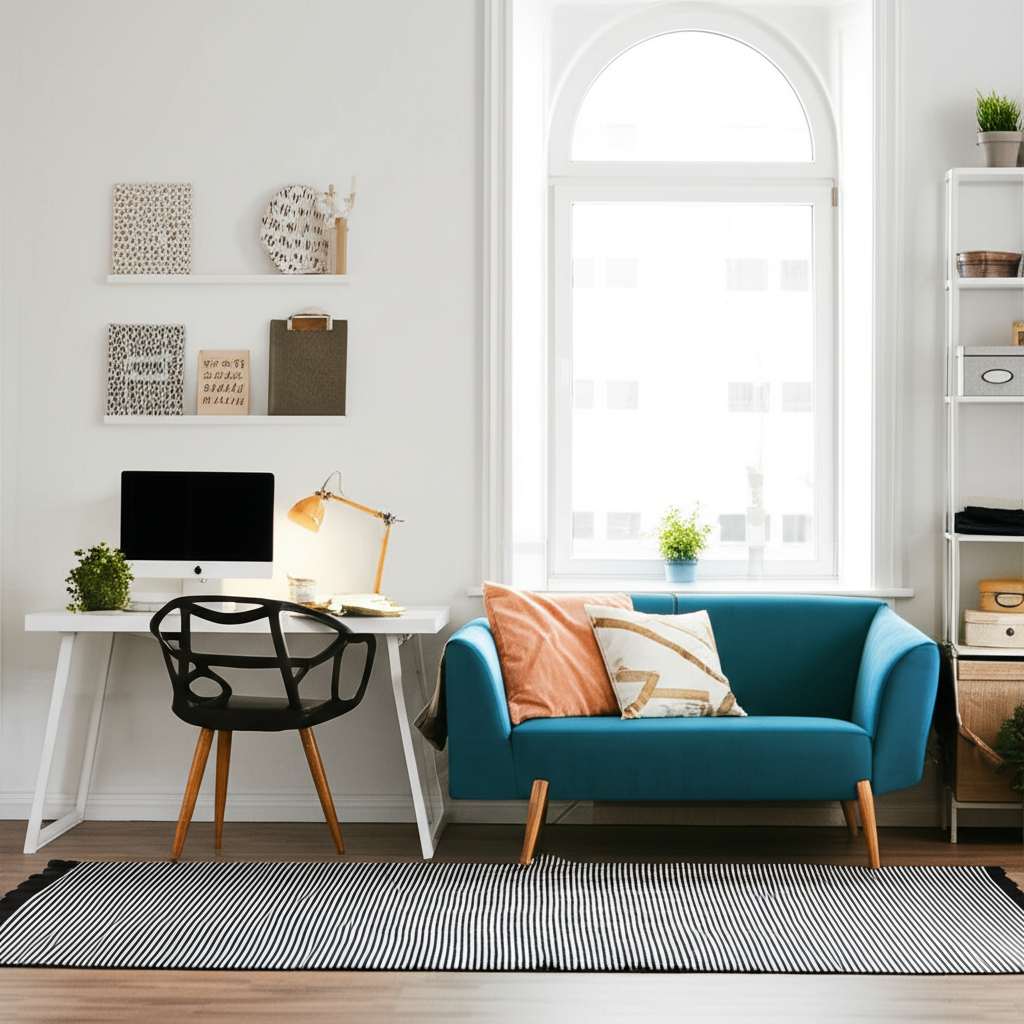
Transform your small rental room into a stylish and functional haven with smart design ideas that maximize every inch. Discover practical, budget-friendly solutions to make your compact space feel spacious and personalized.
Living in a small room for rent can feel like a puzzle, especially when you want to make it feel like home. It’s easy to get frustrated when furniture seems too big or when every corner feels cluttered. But don’t worry, transforming a tiny space into something amazing is totally achievable!
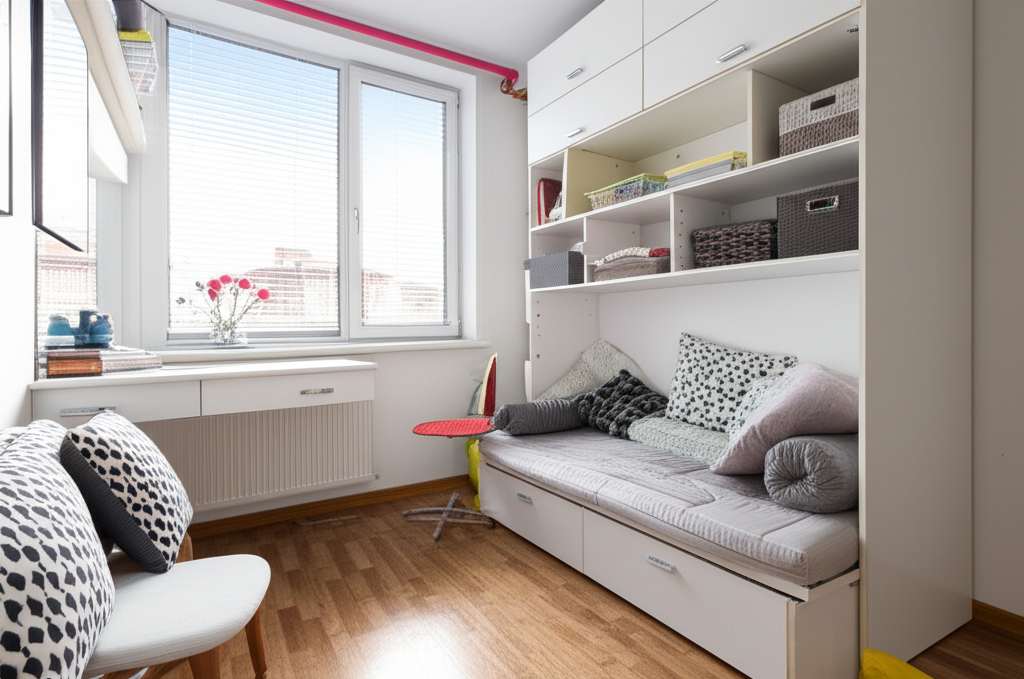
You don’t need a huge budget or professional designer to make your small room shine. With a few clever tricks and smart choices, you can create a comfortable, stylish, and functional living area that feels much bigger than it is.
This guide is packed with easy-to-follow tips and creative ideas to help you make the most of your rental. Get ready to unlock your room’s potential and create a space you’ll love.
Small Room for Rent Design Ideas: Make Your Space Feel Bigger and Better
Feeling cramped in your rental? You’re not alone! Many of us are working with limited square footage, but that doesn’t mean you have to sacrifice style or comfort. Small room design is all about working smarter, not harder, to create a space that feels open, organized, and uniquely yours.
We’ll explore how to choose the right furniture, use color and light effectively, and get creative with storage to make your small room feel like a spacious sanctuary. Let’s dive into some amazing space-saving ideas!
1. Smart Furniture Choices: The Foundation of a Spacious Room
The furniture you pick is key. In a small room, every piece needs to work hard. Think multi-functional, slim, and elevated.
Multi-functional Furniture: This is your best friend. A sofa bed can serve as a couch during the day and a bed at night. An ottoman with storage can double as a coffee table or extra seating. Look for pieces that do more than one job.
Vertical Space is Your Friend: Don’t forget about the walls! Tall, narrow bookshelves or wall-mounted shelves draw the eye upward, making the room feel taller. They also provide ample storage without taking up precious floor space.
Slim and Sleek Designs: Avoid bulky, oversized furniture. Opt for pieces with clean lines and a slim profile. Furniture with exposed legs can also create a sense of openness, as it allows light and air to flow underneath.
Floating Furniture: Wall-mounted desks, nightstands, or shelves create a minimalist look and free up floor space, making the room feel larger.
Consider Scale: Always measure your room and your furniture before buying. A piece that looks great in a showroom might overwhelm a small space.
2. The Power of Color and Light: Creating an Illusion of Space
Colors and lighting play a massive role in how spacious a room feels. Light and bright is usually the way to go.
Light Color Palette: Pale colors like white, cream, light gray, pastels, and soft blues reflect light, making a room appear larger and airier. Use these for walls, large furniture pieces, and curtains.
Monochromatic Scheme: Using different shades of the same color can create a cohesive and expansive feel. This creates a visual flow that makes the room seem less broken up.
Strategic Pops of Color: While keeping the base light, you can add personality with vibrant accents in pillows, artwork, or decorative items. These small touches won’t make the room feel smaller.
Maximize Natural Light: Keep windows unobstructed. Use sheer curtains or blinds that can be easily opened wide. Natural light is the best way to make a space feel open and inviting.
Layered Artificial Lighting: Don’t rely on a single overhead light. Use a combination of floor lamps, table lamps, and wall sconces to create different light zones. This adds depth and warmth. Uplighting can also make ceilings appear higher.
3. Clever Storage Solutions: Declutter for a Bigger Feel
Clutter is the enemy of small spaces. Smart storage is essential for keeping your room tidy and feeling spacious.
Hidden Storage: Ottomans, beds with built-in drawers, and storage benches are perfect for hiding everyday items, blankets, or seasonal clothes.
Vertical Shelving: As mentioned before, shelves are fantastic. Use them for books, decorative items, and even storage bins. Wall-mounted options are excellent for keeping the floor clear.
Behind-the-Door Organizers: The back of your door is prime real estate for shoe racks, accessory organizers, or even small shelving units.
Pegboards and Wall Grids: These are versatile and can be used in kitchens, workspaces, or entryways to hang keys, tools, small plants, or art supplies.
Under-Bed Storage: Use shallow bins or drawers that slide easily under your bed. This is ideal for storing extra bedding, clothes, or shoes.
Declutter Regularly: The best storage solution is often to have less stuff. Regularly go through your belongings and donate or discard anything you no longer need or use.
4. Layout and Flow: Arranging Your Space for Maximum Impact
How you arrange your furniture can dramatically change the perception of space.
Create Zones: Even in a small room, you can define different areas for sleeping, working, and relaxing. Use rugs, furniture placement, or even screens to delineate these zones.
Keep Pathways Clear: Ensure there are clear, unobstructed pathways to move around the room. Avoid placing furniture in the main traffic flow.
Float Furniture: Instead of pushing all furniture against the walls, try floating some pieces away from the walls. This can create a more dynamic and open layout. A sofa floating in the middle of the room, for instance, can help define living areas.
Consider the View: Arrange your furniture so that the best views are prominent. If you have a nice window, position your seating to take advantage of it.
5. Mirrors: The Illusionist’s Tool
Mirrors are magical in small spaces. They bounce light around and create the illusion of depth.
Large Statement Mirror: A large mirror hung strategically can make a significant difference. Place it opposite a window to reflect natural light and the view outside.
Mirrored Furniture: Pieces with mirrored surfaces can add a touch of glamour and help the room feel more expansive.
Gallery Wall of Mirrors: Instead of one large mirror, consider a collection of smaller mirrors arranged artfully.
6. Window Treatments: Light and Airy Solutions
What you hang at your windows impacts the room’s feel.
Lightweight, Sheer Curtains: Opt for light fabrics in pale colors. They allow natural light to filter through while providing a touch of privacy.
Hang Curtains High and Wide: Install curtain rods several inches above the window frame and extend them beyond the width of the window. This makes the window appear larger and the ceiling higher.
Blinds or Shades: Roller blinds or Roman shades in neutral colors are a sleek, space-saving option that can be fully retracted.
7. Decorative Touches: Personality Without the Clutter
Adding personality is important, but it needs to be done thoughtfully in a small space.
Artwork: Choose one or two larger pieces of art rather than many small ones, which can make walls feel cluttered.
Plants: Greenery adds life and can make a space feel fresh. Opt for smaller potted plants or hanging plants to save floor space.
Textiles: Use throw pillows, blankets, and rugs to add color, texture, and warmth. Choose wisely to avoid overwhelming the space.
Personal Items: Display meaningful items, but be selective. Group similar items together or use shelves to keep them organized.
Small Room for Rent Design: Furniture and Storage Comparison
Here’s a quick look at how different furniture and storage choices can impact your small room.
| Feature | Impact on Small Room | Recommendation |
|---|---|---|
| Bulky Sofa | Takes up significant floor space, can make room feel crowded. | Opt for a loveseat, futon, or a sofa with slim arms and legs. |
| Large, Heavy Coffee Table | Dominates the seating area, obstructs movement. | Use an ottoman with storage, nesting tables, or a wall-mounted console. |
| Open Shelving with Clutter | Visually messy, makes the room feel disorganized and smaller. | Use decorative bins and baskets to contain items, or opt for closed storage. |
| Multi-functional Bed | Maximizes utility, saving space for other activities. | Consider a daybed with storage drawers or a murphy bed if feasible. |
| Wall-mounted Desk | Frees up floor space, creates a dedicated workspace without bulk. | Ideal for small rooms where a traditional desk won’t fit. |
DIY Space-Saving Hacks for Renters
As a renter, you often can’t make permanent changes, but DIY solutions can be a lifesaver.
Command Hooks and Strips: These are a renter’s best friend. Use them to hang art, mirrors, plants, towels, or even lightweight shelving without damaging walls. Check out Command™ Brand’s official guide on how to use their products correctly.
Over-the-Door Organizers: These are fantastic for closets, bathrooms, or even pantry doors, providing instant storage for shoes, toiletries, or cleaning supplies.
Floating Shelves: Many floating shelves are designed to be installed with minimal damage and can be easily removed when you move. They offer great storage and display options.
Contact Paper: Want to update a drab countertop or shelf? Peel-and-stick contact paper can give surfaces a fresh new look without permanent changes.
Pegboards: Mount a pegboard on the wall and customize it with hooks, shelves, and containers to organize anything from craft supplies to kitchen utensils.
Maximizing Awkward Corners
Don’t let awkward corners go to waste!
Corner Shelving Units: These are designed to fit snugly into corners, providing valuable vertical storage.
Small Accent Chair or Plant Stand: A small, stylish chair or a plant stand can make a neglected corner feel intentional and inviting.
Floor Lamp: A slim floor lamp can illuminate a dark corner and add ambiance.
Making a Small Rental Bedroom Feel Larger
The bedroom is often the most personal space. Here’s how to optimize it:
Bed Placement: Position your bed against the longest wall, or if space allows, float it away from the wall to create a sense of depth.
Under-Bed Storage: Utilize under-bed storage bins or drawers for linens, out-of-season clothes, or personal items.
Wall-Mounted Nightstands: These save floor space and keep essentials within reach.
Wardrobe Solutions: If you lack closet space, consider a stylish open wardrobe or a slim freestanding closet. Use uniform hangers and storage boxes to keep it tidy. For guidance on closet organization, the 10 Stylish Kitchen Storage Accessories article offers clever ideas that can be adapted to any small space.
Designing a Small Rental Living Area
Even a small living area can be cozy and functional.
Compact Seating: Choose a loveseat or a streamlined sofa that fits the scale of your room.
Nesting Tables: These are perfect for a coffee table as they can be expanded when needed and tucked away when not.
Wall-Mounted TV: Mounting your TV on the wall frees up surface space and makes the area feel less cluttered.
Vertical Storage for Media: Use tall, narrow bookshelves or media consoles to store electronics, books, and decorative items.
FAQ: Your Small Room Design Questions Answered
Q1: What is the best color to paint a small room?
A: Light, cool colors like white, pale gray, light blue, or soft pastels are best. They reflect light and make the room feel more open and airy. You can add pops of color with accessories.
Q2: How can I make my small room look bigger without spending a lot of money?
A: Focus on decluttering, using mirrors strategically, maximizing natural light, and choosing furniture with a slim profile. Rearranging your existing furniture can also make a big difference.
Q3: What kind of furniture should I avoid in a small room?
A: Avoid bulky, oversized furniture with dark colors or heavy frames. Pieces that take up too much floor space or block natural light should also be avoided.
Q4: Are floating shelves good for small rooms?
A: Yes, floating shelves are excellent! They provide storage and display space without taking up floor space, and they create a clean, minimalist look that can make the room feel larger.
Q5: How do I arrange furniture in a very narrow room?
A: Try placing furniture along one long wall to keep the other side open, creating a clear walkway. Consider using multi-functional furniture and vertical storage. You can also use rugs to define zones.
Q6: Can I use dark colors in a small room?
A: Yes, but sparingly! Dark colors can create a cozy atmosphere, but they tend to absorb light. Use them as accent colors in small doses, like on a single wall, pillows, or decorative items, and balance them with plenty of light colors and good lighting.
Conclusion: Your Small Room, Your Style
Designing a small room for rent doesn’t have to be a daunting task. With these space-saving ideas, you can transform your compact living area into a functional, stylish, and comfortable home. Remember, it’s all about making smart choices with furniture, leveraging light and color, and getting creative with storage.
By implementing these tips, you can create a space that feels larger, more organized, and truly reflects your personal style. Don’t be afraid to experiment and find what works best for you. Your small room has big potential – enjoy making it your own! For more inspiration on maximizing compact spaces, check out our guide on 10 Cozy Small Kitchen Ideas.