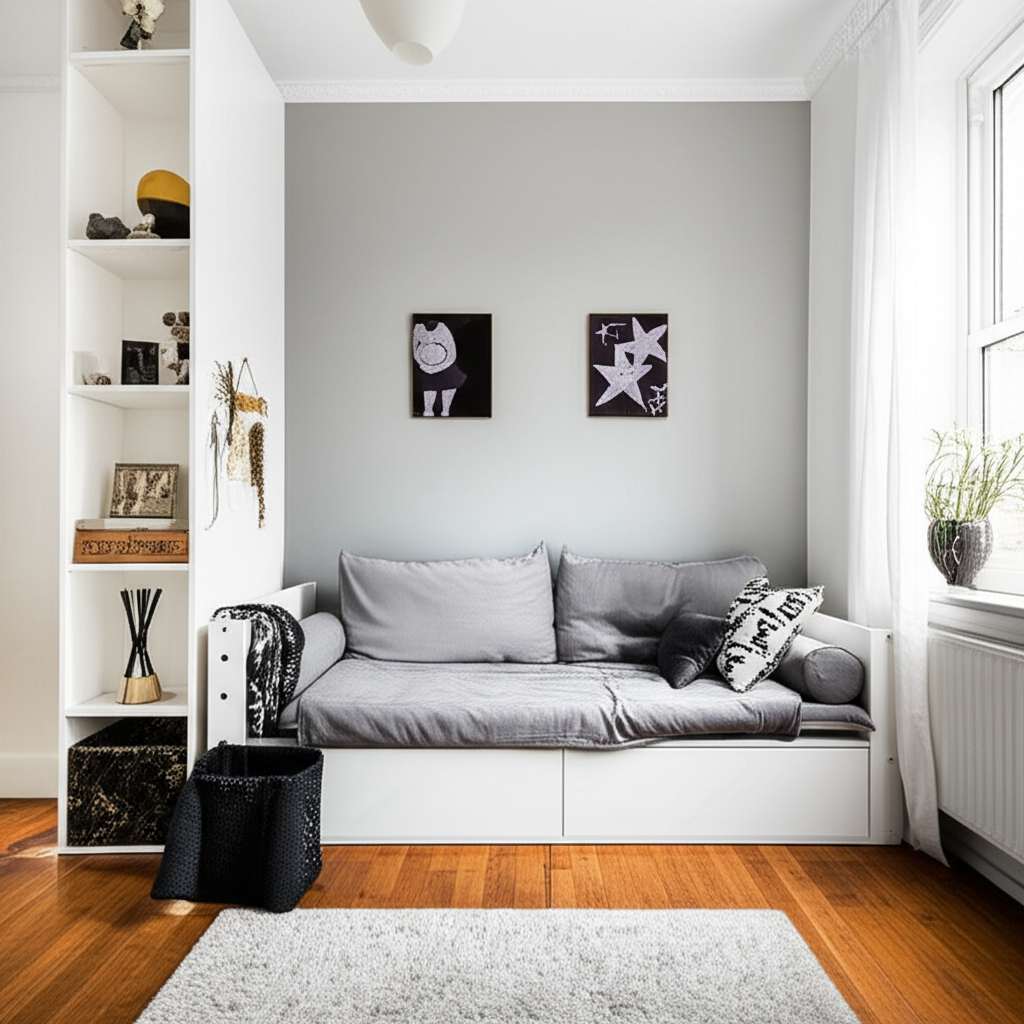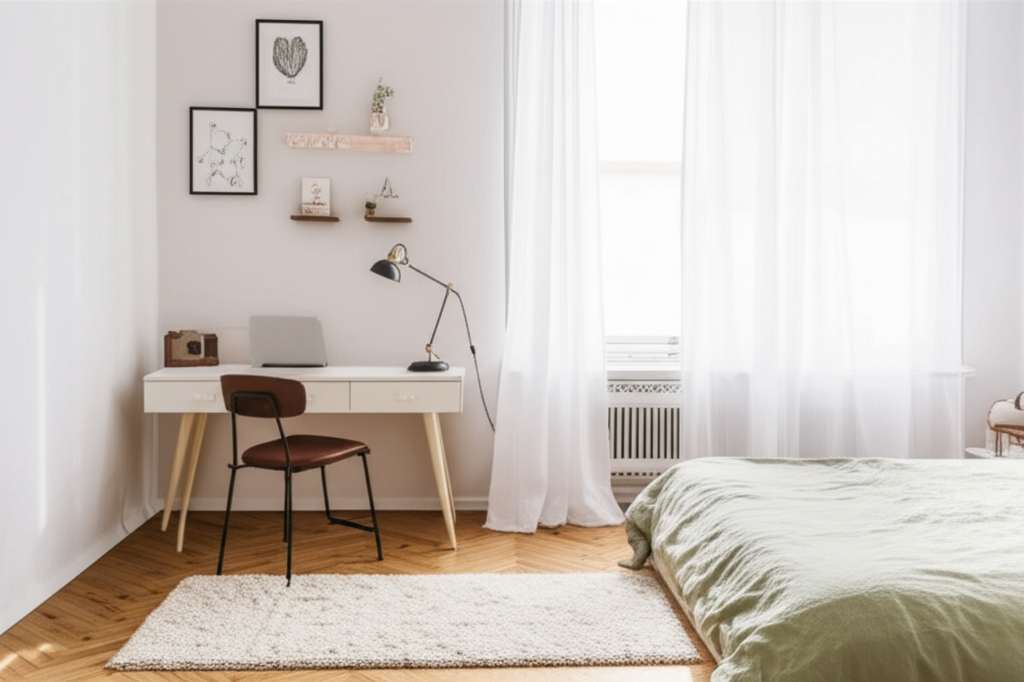
Small room layout ideas can transform cramped spaces into functional, stylish havens with clever furniture placement, multi-functional pieces, and smart storage. Optimize every inch for comfort and flow, proving that even the smallest room can feel spacious and inviting with the right design approach.
Feeling like your room is more of a box than a sanctuary? You’re not alone! Many of us face the challenge of decorating smaller spaces. It can feel like a puzzle, trying to fit everything you need and love without making it feel cluttered or cramped. But don’t worry, making a small room feel bigger and work better is totally achievable.
This guide is here to help you unlock the potential of your compact space. We’ll explore simple, genius layout ideas that will make your room feel open, organized, and oh-so-stylish. Get ready to see your small room in a whole new light!
Small Room Layout Ideas: Genius, Inspiring Solutions for Every Space
Living in a small space doesn’t mean you have to sacrifice style or functionality. In fact, it can be a fantastic opportunity to get creative and make every square foot count! With a few smart layout ideas, you can transform even the tiniest room into a comfortable, inviting, and visually appealing area. Let’s dive into some inspiring solutions that will make your small room feel like a spacious dream.
The Power of Smart Furniture Arrangement
How you place your furniture is the absolute key to making a small room feel larger and more functional. It’s all about creating clear pathways and defining zones without boxing yourself in. Think about how you use the room and arrange your pieces to support those activities.
1. Embrace Vertical Space
When floor space is limited, look up! Using vertical space is a game-changer for small rooms. Think tall bookshelves, wall-mounted cabinets, and floating shelves. These draw the eye upwards, creating an illusion of height and freeing up valuable floor area.
- Tall Bookcases: Perfect for storing books, decorative items, and even some folded clothes. Opt for slim designs.
- Wall-Mounted Shelving: Great for displaying art, plants, or keeping essentials like keys and mail organized near an entryway.
- Hanging Storage: Over-the-door organizers or wall-mounted hooks can add significant storage without taking up floor space.
2. Floating Furniture is Your Friend
Furniture that appears to float can make a room feel airier. This includes pieces mounted on the wall, like floating shelves or wall-mounted desks. Even furniture with legs that allow you to see the floor underneath can create a sense of openness.
- Floating Nightstands: These keep your bedside essentials handy while making the floor beneath visible.
- Wall-Mounted TV Units: Eliminate the need for a bulky TV stand.
- Leggy Furniture: Sofas, chairs, and tables with visible legs allow light and air to pass through, making the space feel less heavy.
3. Create Zones with Rugs and Furniture Placement
Even in a small room, you can define different areas for different activities. Use rugs to visually separate a living area from a dining nook or a workspace. Arranging furniture can also help delineate zones. For example, placing a sofa with its back to a desk can create a subtle division.
Imagine a small living room. A rug under the sofa and coffee table clearly marks the seating area. A slim console table behind the sofa can act as a visual divider from a small dining space or entryway.
4. The Importance of Scale
Choosing furniture that is appropriately sized for your room is crucial. Oversized pieces will overwhelm a small space, making it feel even smaller. Opt for more streamlined, compact furniture. Think apartment-sized sofas, slim armchairs, and nesting tables.
Pro Tip: Before buying furniture, measure your space and create a simple floor plan. This will help you visualize how pieces will fit and prevent costly mistakes.
Multi-Functional Furniture: The Ultimate Small Room Hack
When space is at a premium, every piece of furniture should ideally serve more than one purpose. Multi-functional furniture is the superhero of small-space living, offering clever solutions to maximize utility and minimize clutter.
1. The Versatile Sofa Bed
A sofa bed is a classic for a reason. It functions as a comfortable sofa for lounging during the day and easily transforms into a bed for overnight guests. This is a lifesaver for studio apartments or rooms that double as guest rooms.
2. Storage Ottomans and Benches
These are incredibly versatile. Use them as footrests, extra seating, or even as a coffee table (with a tray on top). The best part? They often have hidden storage inside, perfect for stashing blankets, magazines, or remotes.
3. Nesting Tables
Nesting tables are a set of smaller tables that tuck neatly under a larger one. You can pull them out when you need extra surface area for drinks, snacks, or laptops, and then slide them back in to save space when not in use. They are perfect for small living rooms or as bedside tables.
4. Extendable or Drop-Leaf Dining Tables
A dining table that can be extended or has drop-leaf sides is ideal for small dining areas or kitchens. You can keep it compact for everyday use and extend it when you have guests. Some can even be mounted to a wall and folded down when not needed.
5. Storage Beds
Beds with built-in drawers or a lift-up mattress base offer a huge amount of hidden storage. This is perfect for keeping extra bedding, seasonal clothing, or less frequently used items out of sight.
Clever Storage Solutions to Keep Clutter at Bay
Clutter is the enemy of small spaces. Effective storage is not just about hiding things away; it’s about smart organization that makes your room feel calm and spacious. Think about the items you need to store and find solutions that integrate seamlessly into your layout.
1. Built-in or Freestanding Shelving Units
As mentioned earlier, shelving is your best friend. Tall, narrow bookshelves draw the eye upward and provide ample storage. Freestanding units can be moved if needed, while built-in options can look very polished and maximize every inch.
2. Wall-Mounted Everything
Utilize wall space as much as possible. Wall-mounted desks, nightstands, media consoles, and even plant shelves can keep surfaces clear and floors open. This creates a feeling of spaciousness.
3. Under-Bed Storage
Don’t forget the space under your bed! Use rolling storage bins or drawers designed to fit under the bed frame. This is prime real estate for storing out-of-season clothes, extra linens, or sentimental items.
4. Decorative Baskets and Bins
These are not only functional but can also add to your room’s decor. Use them on shelves, in cabinets, or on the floor to corral smaller items like toiletries, craft supplies, or electronics. Choose ones that match your style.
5. Utilize Door Space
The back of doors is often overlooked storage real estate. Over-the-door organizers with pockets are great for shoes, cleaning supplies, toiletries, or accessories. You can also install hooks for coats, bags, or robes.
6. Corner Shelving Units
Corners are often dead space. A slim, corner shelving unit can make use of these awkward areas for plants, books, or decorative items without taking up much room.
Visual Tricks to Make Your Small Room Feel Bigger
Beyond furniture and storage, several visual tricks can trick the eye into perceiving a room as larger than it is. These are simple but effective ways to enhance the sense of space.
1. Light Colors are Your Best Friend
Pale, light colors reflect light, making a room feel brighter and more open. Think whites, creams, soft grays, and pastels for walls, ceilings, and even large furniture pieces. A monochromatic color scheme can also create a cohesive and expansive feel.
Consider painting your ceiling a shade lighter than your walls to make it appear higher. For inspiration on color palettes, the Sherwin-Williams color trends can offer great ideas.
2. Mirrors, Mirrors Everywhere!
Mirrors are magical for small spaces. They reflect light and create the illusion of depth. Place a large mirror opposite a window to bounce natural light around the room and create a feeling of looking into another space.
A floor-length mirror leaned against a wall can also make the ceiling seem higher. Grouping smaller mirrors can also work as a decorative feature while adding light.
3. Strategic Lighting
Good lighting is essential. Avoid relying on a single overhead light. Instead, layer your lighting with floor lamps, table lamps, and wall sconces. This creates pools of light, making the room feel warmer and more expansive. Natural light is also key, so keep window treatments light and airy.
4. Transparent or Lucite Furniture
Furniture made of clear materials, like acrylic or glass, takes up less visual space. A glass coffee table or acrylic chairs can make a room feel less cluttered and more open because you can see through them.
5. Keep it Tidy and Uncluttered
This is perhaps the simplest yet most effective trick. A tidy room always feels larger than a messy one. Regularly declutter and put things away. Clear surfaces make a huge difference in how spacious a room feels.
Small Room Layout Examples for Different Spaces
Let’s look at how these ideas can be applied to specific types of small rooms. These examples should spark your imagination!
Small Bedroom Layout Ideas
In a small bedroom, the bed is usually the largest piece of furniture. Placing it strategically is key. Consider:
- Against the longest wall: This is a common and effective placement.
- In a corner: This can free up more floor space in the center of the room.
- Floating Bed: If space allows, a bed frame that appears to float (low profile with hidden legs) can make the room feel more open.
Use wall-mounted nightstands to save floor space. Opt for a tall dresser or wardrobe that goes up to the ceiling. Consider a slim bench at the foot of the bed that can also offer storage.
Small Living Room Layout Ideas
The goal here is to create a cozy yet functional seating area. Consider:
- Facing the longest wall: Place your sofa against it.
- Creating a conversation area: Arrange seating pieces (sofa, armchairs) so they face each other, perhaps around a coffee table.
- Using a corner: A sectional sofa can sometimes fit snugly into a corner, maximizing seating without taking up too much central space.
Opt for a loveseat or a sofa with slim arms. Nesting coffee tables are perfect. Use wall-mounted shelves for media and decor.
Small Home Office Layout Ideas
Functionality is paramount in a small home office. Consider:
- Desk Placement: Facing a window can be inspiring. Facing a wall can help with focus. A corner desk can maximize space.
- Vertical Storage: Wall shelves above the desk are essential for books, supplies, and organizers.
- Multi-functional Furniture: A small desk that can fold away or a console table that doubles as a desk can work well.
The Occupational Safety and Health Administration (OSHA) provides excellent guidance on setting up ergonomic and functional workspaces, which is crucial even in small spaces.
Small Dining Area Layout Ideas
If you have a dedicated small dining nook:
- Round Table: A round table can be more forgiving in terms of space and can encourage conversation.
- Banquette Seating: Built-in banquette seating can save space and add a cozy feel. You can even add storage underneath.
- Wall-Mounted Table: A table that folds down from the wall is a fantastic space-saver.
Consider benches or slim chairs that can be tucked under the table when not in use. For even more compact solutions, explore our guide on cozy small kitchen ideas that maximize every inch.
DIY Projects and Budget-Friendly Tips
Decorating a small space doesn’t have to break the bank. Many stylish and functional solutions can be achieved with a little DIY spirit and smart shopping.
1. Paint it Bright!
A fresh coat of paint is one of the most affordable and impactful ways to transform a room. Light colors can make a small room feel much larger. Consider a DIY painting guide from resources like Lowe’s How-To Guides for best practices.
2. Upcycle and Repurpose
Look at existing furniture with new eyes. Can an old dresser be repainted and used as a TV stand? Can crates be stacked and used as shelving? Get creative with items you already own.
3. DIY Floating Shelves
Floating shelves are relatively easy and inexpensive to make yourself. You’ll need some wood, brackets, and basic tools. They offer stylish, space-saving storage.
4. Secondhand Finds
Thrift stores, flea markets, and online marketplaces are treasure troves for affordable furniture and decor. Look for pieces with good bones that you can repaint or reupholster.
5. Smart Furniture Choices
When buying new, look for sales, compare prices, and focus on multi-functional pieces. IKEA is well-known for its space-saving solutions for small homes. For kitchen-specific storage hacks, check out our roundup of stylish kitchen storage accessories that blend form and function.
Table: Small Room Layout Checklist
Here’s a quick checklist to help you plan your small room layout:
| Element | Considerations for Small Rooms | Example Solutions |
|---|---|---|
| Furniture Scale | Choose appropriately sized pieces. Avoid bulky items. | Loveseats, slim armchairs, nesting tables, apartment sofas. |
| Multi-functionality | Every piece should ideally serve more than one purpose. | Sofa beds, storage ottomans, drop-leaf tables. |
| Vertical Space | Utilize walls to free up floor space. | Tall bookshelves, wall-mounted shelves, hanging storage. |
| Light & Color | Use light, reflective colors to create an airy feel. | Whites, creams, pastels; mirrors; good lighting. |
| Storage | Keep clutter at bay with smart, integrated solutions. | Under-bed storage, decorative baskets, door organizers. |
| Flow & Pathways | Ensure clear paths for easy movement. | Arrange furniture to avoid blocking doorways or natural walkways. |
Frequently Asked Questions (FAQ) About Small Room Layouts
What is the most important rule for small room layouts?
The most important rule is to maximize functionality and minimize clutter. Every item and piece of furniture should serve a purpose or bring you joy, without overwhelming the space.
How can I make a small bedroom feel bigger?
Use light colors on walls and ceilings, incorporate mirrors, choose furniture with legs to create a sense of openness, and utilize vertical storage like tall wardrobes or wall shelves.
What kind of furniture should I avoid in a small room?
Avoid oversized, bulky furniture, dark and heavy pieces, and too many small, cluttered items. Opt for streamlined, multi-functional, and appropriately scaled pieces.
Are dark colors okay for small rooms?
While light colors are generally recommended, dark colors can be used strategically to create a cozy, dramatic, or intimate feel. Use them on accent walls or for smaller furniture pieces, and ensure you have ample lighting to balance the effect.
How do I arrange furniture in a small living room with a TV?
Consider placing the TV on a wall-mounted unit or a slim console table. Arrange your sofa and chairs to face the TV without blocking walkways. A sectional can sometimes fit well in a corner, maximizing seating.
Can I use rugs in a small room?
Yes, rugs are great for defining zones in small rooms! A rug under your seating area can make it feel more cohesive and intentional. Ensure the rug is appropriately sized – not too small that it looks lost, and not so large that it overwhelms the room.
Conclusion: Your Small Space, Your Style
Decorating a small room is an exciting opportunity to be creative and intentional with your space. By focusing on smart furniture arrangement, embracing multi-functional pieces, employing clever storage solutions, and using visual tricks, you can absolutely transform your compact area into a stylish, functional, and comfortable home. Remember, it’s not about the size of the room, but how you use it!
Don’t be afraid to experiment and find what works best for your lifestyle and your personal style. With these genius ideas, you’re well on your way to creating a small space that feels anything but small. For even more inspiration, discover how minimalist principles can elevate your design in our post on minimal decor ideas for kitchens. Happy decorating!