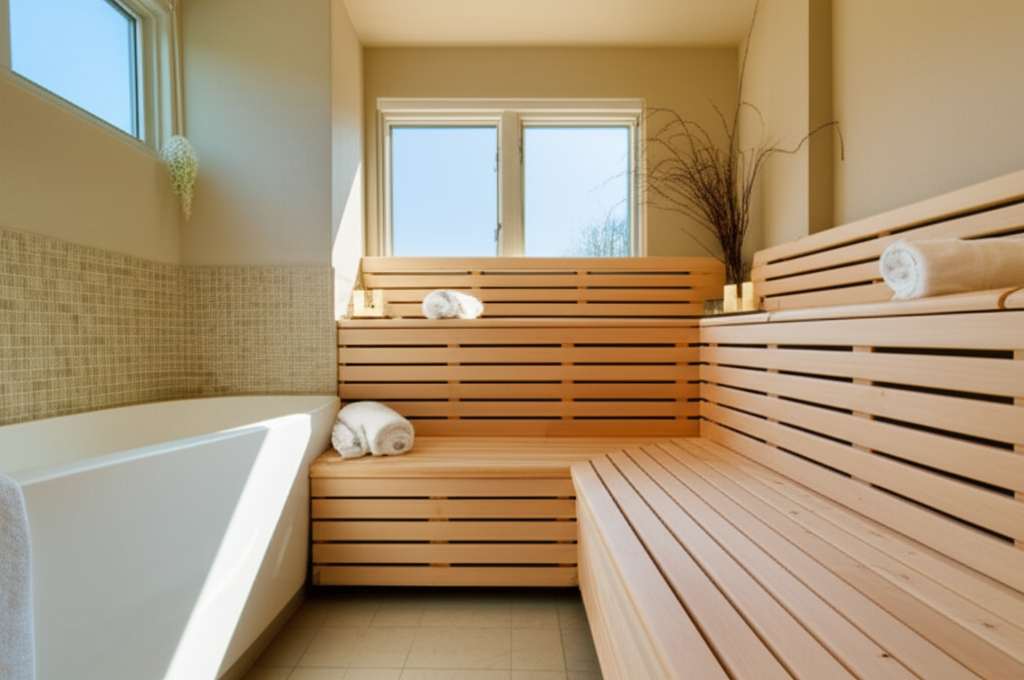
Transforming any small space into a serene spa sanctuary is achievable with smart design choices. Focus on decluttering, choosing calming colors, incorporating soothing textures, and maximizing natural light. Even the tiniest room can become your personal oasis with these essential tips.
Dreaming of a home spa but think you don’t have enough space? Many of us picture luxurious, expansive rooms when we imagine a spa. But the truth is, you don’t need a huge area to create a peaceful, rejuvenating escape.
Small spa rooms can feel a bit tricky to design. It’s easy to feel overwhelmed, wondering where to even begin. You might worry about making it feel cramped or cluttered.
But don’t you worry! I’m here to show you how to turn even the smallest nook into your personal haven of calm. We’ll walk through simple, effective ideas that make a big difference.
Get ready to discover how to design a small spa room that’s both beautiful and functional, bringing a touch of tranquility right into your home.
Small Spa Room Design Ideas: Your Ultimate Beginner’s Guide
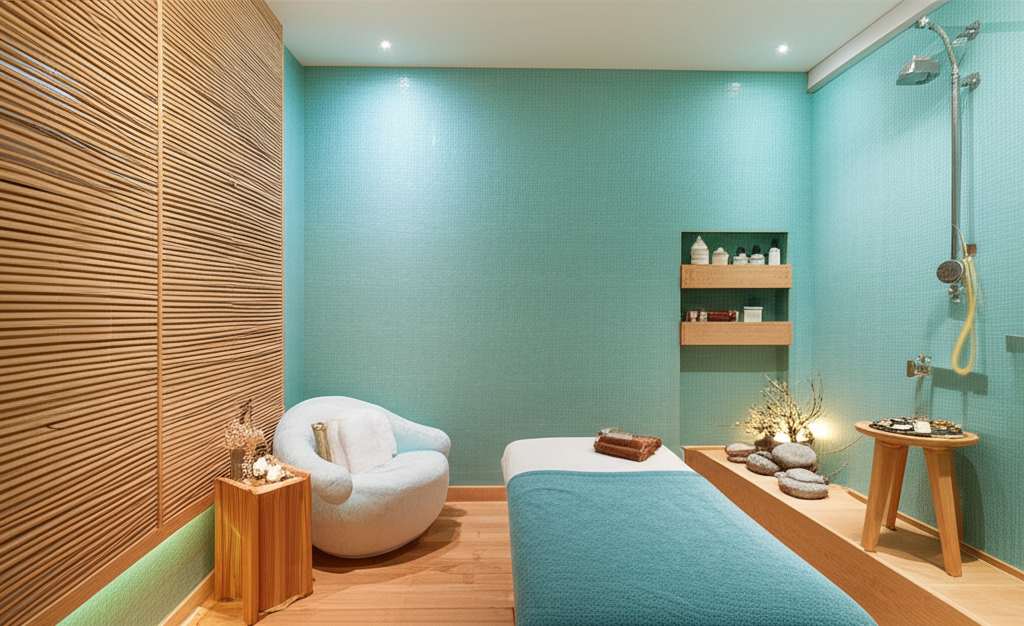
Creating a spa-like atmosphere at home is all about tapping into what makes you feel relaxed and recharged. It’s less about the size of the room and more about the feeling it evokes. Think soothing colors, soft textures, and a sense of calm order.
This guide is packed with practical, budget-friendly ideas to help you design your dream small spa room. We’ll cover everything from choosing the right colors to picking out the perfect accessories. Let’s dive in and make your space a peaceful retreat!
1. Declutter and Simplify: The Foundation of Serenity
Before you even think about paint colors or decor, the most crucial step is to declutter. A cluttered space can’t feel like a sanctuary. Think of it as clearing the air, both literally and figuratively.
Go through everything in the room. What do you absolutely need for your spa experience? What can be stored away? Aim for a minimalist approach where every item has a purpose and a place.
- Essential Items Only: Keep only what you use regularly for your spa rituals.
- Hidden Storage: Invest in attractive baskets, bins, or cabinets to tuck away less-used items.
- Clean Surfaces: Ensure countertops and shelves are clear to create a sense of spaciousness and calm.
2. Color Palette: Setting the Mood
Color has a powerful impact on our emotions. For a spa room, you want colors that promote relaxation and peace. Think soft, muted tones that mimic nature.
Blues and greens are known for their calming properties. Soft grays and warm neutrals also create a serene backdrop. Avoid bright, jarring colors that can be stimulating rather than soothing.
Consider these popular spa-inspired color schemes:
| Color Family | Mood/Effect | Examples |
|---|---|---|
| Blues | Calming, peaceful, serene | Aqua, sky blue, dusty blue, teal |
| Greens | Natural, refreshing, balancing | Mint green, sage green, olive green, seafoam green |
| Neutrals | Grounding, sophisticated, tranquil | Soft gray, beige, cream, taupe, off-white |
| Earth Tones | Warm, grounding, comforting | Terracotta, muted browns, sandy beige |
Even a fresh coat of paint can dramatically transform your small spa room. If painting isn’t an option, consider removable wallpaper or large art pieces in calming hues.
3. Lighting: The Key to Ambiance
Lighting is one of the most effective tools for creating a spa atmosphere. Harsh overhead lights can feel clinical. Instead, opt for softer, layered lighting options.
Think about dimmer switches so you can control the intensity. Scented candles are a classic spa element that also provide warm, flickering light. String lights can add a magical, ethereal glow.
- Dimmer Switches: Allow you to adjust the brightness to suit your mood.
- Task Lighting: Use subtle lights for specific areas, like a vanity or reading nook.
- Ambient Lighting: Soft lamps, string lights, or even a beautiful salt lamp can create a gentle glow.
- Candles: Use flameless LED candles for safety or real ones sparingly in well-ventilated areas.
Natural light is also a spa designer’s best friend. If your room has a window, keep the treatments simple. Sheer curtains can diffuse light beautifully without blocking it entirely. For privacy, consider frosted window film, which you can find at most hardware stores.
4. Textures and Materials: Tactile Comfort
A spa experience is not just visual; it’s also tactile. Incorporating soft, natural textures makes your space feel more inviting and luxurious.
Think about plush towels, soft bathrobes, and comfortable seating. Natural materials like wood, bamboo, and stone can add an earthy, grounding element. Even small touches can make a big difference.
- Soft Linens: High-quality towels and a cozy robe are a must.
- Natural Wood Accents: Wooden shelves, trays, or decorative items add warmth.
- Plants: Live or faux plants bring life and a touch of nature indoors.
- Smooth Stones: Decorative stones or a stone bath mat can add a spa-like feel.
- Woven Baskets: Perfect for storing towels, toiletries, or other essentials.
Consider a comfortable rug or mat. A soft, plush rug underfoot can make the room feel more grounded and luxurious. Materials like cotton, bamboo, or even a natural jute rug can work well depending on the aesthetic you’re going for.
5. Incorporate Natural Elements
Bringing the outdoors in is a fundamental principle of spa design. Nature has a way of calming us and reducing stress. You don’t need a large garden; simple elements will suffice.
Plants are the easiest way to add a touch of nature. Choose low-maintenance plants that thrive in bathroom conditions if you have a bathroom spa. If not, any plant that fits your room’s light conditions will work.
- Water Features: A small tabletop fountain can add a soothing sound.
- Wood Accents: As mentioned, wood adds warmth and a natural feel.
- Stones and Pebbles: Use decorative stones in bowls or as part of your decor.
- Natural Scents: Essential oils, dried flowers, or potpourri.
The sound of trickling water from a small indoor fountain can be incredibly relaxing. You can find compact, electric fountains designed for tabletops that don’t require much space.
6. Scent: The Invisible Spa Element
Aromatherapy is a powerful tool in creating a spa atmosphere. The right scents can transform your mood and enhance relaxation. Essential oils are a popular choice for their therapeutic benefits.
Lavender is known for its calming and sleep-inducing properties. Eucalyptus can be invigorating and help clear the senses. Citrus scents like lemon or grapefruit can be uplifting.
- Essential Oil Diffusers: These are highly effective and can be used with various oils.
- Scented Candles: Choose natural waxes and subtle, relaxing scents.
- Room Sprays: A quick spritz can instantly refresh the space.
- Potpourri or Dried Flowers: A more subtle, visual and aromatic addition.
Be mindful of the strength of the scent. You want it to be pleasant and relaxing, not overpowering. Start with a small amount and adjust as needed.
7. Sound: The Soundtrack to Serenity
Sound plays a significant role in creating a tranquil environment. In a spa, you typically hear soft, calming music or the gentle sounds of nature. Replicating this at home can enhance your relaxation.
Consider a small Bluetooth speaker to play calming playlists. Nature sounds like rain, ocean waves, or birdsong can be incredibly soothing.
- Calming Music: Ambient, classical, or instrumental music.
- Nature Sounds: Apps or playlists with rain, ocean waves, or forest sounds.
- Quiet: If your home is noisy, consider soundproofing measures or simply closing the door to create a sound barrier.
The absence of jarring noises is just as important as the presence of calming ones. Turn off notifications on your phone and any other devices that might interrupt your peace.
8. Functional Furniture and Fixtures (Even Small Ones!)
Even in a small spa room, you need functional pieces. The key is to choose items that are appropriately sized and serve a purpose without overwhelming the space.
For a bathroom spa, consider a small floating shelf for toiletries or a narrow, tall storage unit. If it’s a dedicated relaxation room, a comfortable, compact chair or floor cushion is ideal.
- Compact Seating: A small ottoman, floor cushion, or a narrow bench.
- Wall-Mounted Shelving: Saves floor space and provides storage.
- Multi-functional Items: A storage ottoman that doubles as seating, for example.
- Spa Trolleys: Small rolling carts can hold your spa essentials and be moved easily.
Look for furniture with clean lines and a simple design. Avoid bulky pieces that will make the room feel smaller. For example, instead of a large armchair, consider a stylish beanbag chair or a sleek, minimalist bench.
9. Greenery: Plants for Life and Air
Plants are fantastic for any room, but they are especially beneficial in a spa setting. They purify the air, add a touch of natural beauty, and can create a calming atmosphere. You don’t need a lot of space for them!
Consider hanging plants, small potted plants on shelves, or even a vertical garden if you’re feeling ambitious. Plants that thrive in humid environments are perfect for bathrooms.
- Snake Plant (Sansevieria): Easy to care for, air-purifying, and visually striking.
- ZZ Plant (Zamioculcas zamiifolia): Tolerates low light and infrequent watering.
- Spider Plant (Chlorophytum comosum): Air-purifying and produces “babies” that can be propagated.
- Peace Lily (Spathiphyllum): Elegant white flowers and good at purifying air.
- Bamboo: Can be grown in water or soil, offering a minimalist, zen feel.
For a bathroom spa, look into plants that love humidity. Many ferns, like the Boston Fern, or even orchids can thrive with the extra moisture. Remember to research the specific needs of any plant you choose to ensure it flourishes.
10. Mirrors: The Illusion of Space
Mirrors are a classic design trick for making any small space feel larger and brighter. In a spa room, a well-placed mirror can enhance the natural light and create a sense of openness.
Consider a large mirror above a vanity or sink. You could also use a decorative mirror to reflect light from a window or a soft lamp.
- Opposite a Window: Reflects natural light, making the room feel brighter and bigger.
- Above a Focal Point: Such as a sink or a decorative shelf.
- Large Mirrors: Create the most impact in making a space feel expansive.
- Frameless Mirrors: Can contribute to a cleaner, more minimalist aesthetic.
Beyond functionality, mirrors can also be decorative elements. Look for mirrors with interesting frames that complement your spa’s aesthetic, or opt for a frameless design for a sleek, modern look.
11. Small Details That Make a Big Difference
Once the main elements are in place, it’s time to focus on the little things that elevate your space from just nice to truly spa-like. These details are often what create that immersive, luxurious feeling.
- High-Quality Towels: Soft, plush towels are a must.
- A Cozy Robe: For ultimate comfort after treatments.
- Spa Slippers: Keep a pair handy for a soft step.
- Aromatic Water: Infuse water with cucumber, mint, or lemon for a refreshing drink.
- A Small Tray: For organizing toiletries or holding a candle and a book.
- Artwork: Calming prints or nature photography.
Even a small vase with a single fresh flower can add a touch of elegance and natural beauty. These thoughtful touches show you’ve considered every aspect of your relaxation experience.
12. Maintaining Your Small Spa Room
A spa room is meant to be a place of calm, so maintaining its tidiness is key. Regular, small clean-ups will prevent clutter from accumulating and keep the serene atmosphere intact.
- Wipe Down Surfaces: After each use, especially in a bathroom setting.
- Put Items Away: Immediately after you’ve finished using them.
- Dust Regularly: To keep the air clean and the space feeling fresh.
- Change Linens: Wash towels and robes frequently to maintain hygiene and softness.
A good system for storing items will make this much easier. Utilize those baskets and shelves you invested in. The less time you spend tidying, the more time you have to relax!
Frequently Asked Questions About Small Spa Room Design
Q1: What are the best colors for a small spa room?
The best colors are calming and serene. Think soft blues, greens, grays, and neutral tones like beige or cream. These colors create a peaceful atmosphere and make the space feel more expansive.
Q2: How can I make a small spa room feel bigger?
Use mirrors to reflect light and create an illusion of space. Opt for light paint colors and keep clutter to a minimum. Wall-mounted shelves also help free up floor space.
Q3: Do I need a lot of natural light for a spa room?
While natural light is wonderful, it’s not essential. You can create a spa ambiance with strategic artificial lighting. Use soft, dimmable lights, candles, and string lights to achieve a warm, inviting glow.
Q4: What kind of furniture works best in a small spa room?
Choose compact, multi-functional furniture. Think small ottomans, wall shelves, narrow benches, or a sleek spa trolley. Prioritize pieces that serve a purpose without taking up too much visual or physical space.
Q5: How important are scents and sounds in a spa room?
Very important! Scents like lavender or eucalyptus from diffusers or candles, and calming sounds like nature recordings or soft music, are key to creating a truly immersive and relaxing spa experience.
Q6: Can I incorporate plants into a tiny spa room?
Absolutely! Small potted plants, hanging plants, or even a few stems in a vase can bring life and freshness. Choose low-maintenance varieties that suit your room’s light conditions. Plants like snake plants or ZZ plants are excellent choices. For more greenery inspiration, explore our 8 Kitchen Plant Decor Ideas.
Conclusion: Your Personal Oasis Awaits
Designing a small spa room is all about creating an intentional space for relaxation and self-care. You don’t need a vast area or a big budget to achieve a luxurious, tranquil feel.
By focusing on decluttering, choosing a soothing color palette, utilizing soft lighting, and incorporating natural elements and textures, you can transform any small room into your personal sanctuary. Remember to engage all your senses with calming scents and sounds.
Start with one or two ideas that resonate with you and build from there. Even the smallest changes can make a significant difference. Your peaceful retreat is within reach! For more minimalist design inspiration, check out our guide on 10 Minimal Decor Ideas for Kitchens.