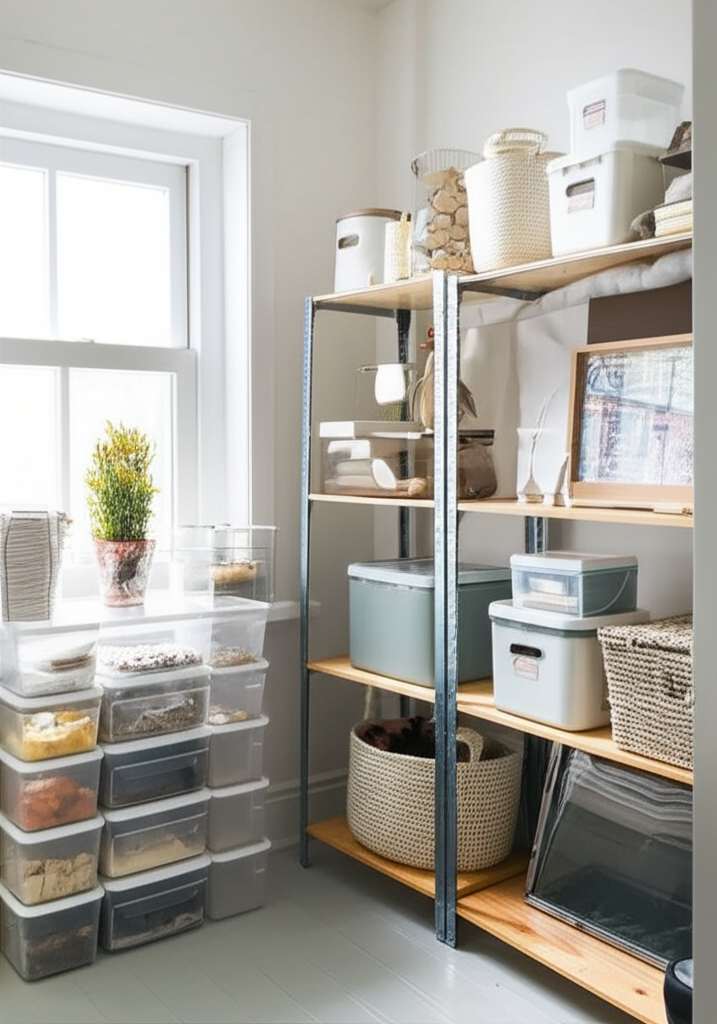
Transform your cramped store room into an organized, functional, and stylish space with these essential and affordable design ideas. Discover smart storage solutions and clever layouts perfect for any small room, making clutter a thing of the past.
Feeling overwhelmed by clutter in your small store room? You’re not alone! Many of us struggle to make the most of these often-neglected spaces. It’s easy for a store room to become a dumping ground, leading to frustration and wasted time searching for things.
But what if we told you that transforming your small store room is totally achievable, even on a budget? With a few smart strategies and creative ideas, you can turn that chaotic corner into a well-organized haven.
Get ready to discover simple, affordable ways to maximize every inch of your store room. We’ll guide you through making it functional, stylish, and a joy to use! For even more inspiration on efficient small-space design, check out our guide to 10 Cozy Small Kitchen Ideas that prove great organization starts with smart layouts.
Why Small Store Room Design Matters
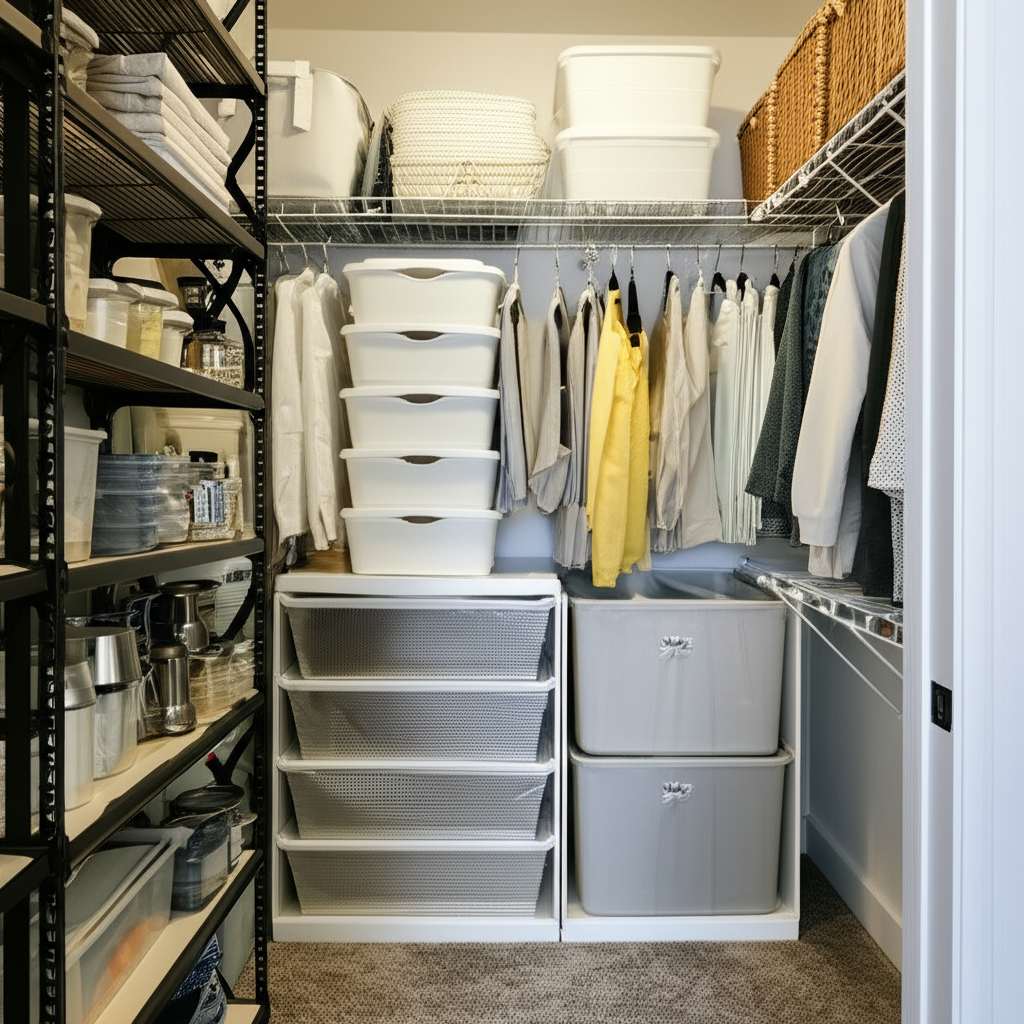
A well-designed store room isn’t just about looking tidy; it’s about making your life easier. When everything has its place, you save time, reduce stress, and protect your belongings. For small spaces, this efficiency is even more critical.
Think of your store room as a mini-warehouse for your home. Whether it’s for pantry items, cleaning supplies, seasonal decorations, or sports equipment, its primary job is to store things safely and accessibly. A disorganized store room can lead to duplicate purchases, damaged goods, and a general feeling of overwhelm.
Making smart design choices for your small store room means you’re investing in your home’s overall functionality and peace of mind. It’s about creating order from chaos, no matter how limited your square footage.
Step 1: Declutter and Assess
Before you even think about shelves or bins, the most important step is to tackle the clutter. This is where the magic truly begins. Grab some boxes and start sorting everything you find in your store room.
Be ruthless! Ask yourself: Do I use this? Do I need this? When was the last time I used this? If the answer is “no” or “I don’t remember,” it might be time to let it go. Consider donating items in good condition, recycling what you can, and discarding the rest.
Once you’ve decluttered, take a good look at what’s left. Group similar items together. This will help you understand what kind of storage solutions you’ll need. For example, if you have a lot of cleaning supplies, you’ll need space for bottles and tools. If it’s pantry items, think about food storage.
Categorizing Your Items
Sorting your belongings into categories is a game-changer for store room organization. It helps you see exactly what needs to be stored and how. Here are some common categories:
- Cleaning Supplies: Sprays, wipes, mops, brooms, vacuums, laundry detergent.
- Pantry Items: Canned goods, dry foods, spices, snacks, beverages.
- Linens & Textiles: Extra towels, bedding, blankets, tablecloths.
- Tools & Hardware: Small tools, screws, nails, DIY supplies.
- Seasonal Decor: Holiday decorations, outdoor gear, sports equipment.
- Personal Items: Luggage, hobby supplies, sentimental items.
This initial sorting helps you visualize the space requirements for each type of item, paving the way for effective storage planning.
Step 2: Maximize Vertical Space
In small store rooms, the walls are your best friends! Think upwards. Utilizing vertical space is key to fitting more in without making the room feel cramped. This means going beyond just floor-level storage.
Shelving is your go-to solution here. Adjustable shelves are fantastic because you can customize them to fit different-sized items. Think about how high you can realistically reach and how often you need to access items on higher shelves.
Don’t forget about the space above doors and windows. Small, shallow shelves or hooks can be perfect for storing lighter, less frequently used items. This clever use of unused areas can significantly increase your storage capacity.
Smart Vertical Storage Solutions
- Adjustable Shelving Units: These are incredibly versatile and can be adapted as your storage needs change. Look for sturdy options that can hold a good amount of weight.
- Wall-Mounted Shelves: Simple floating shelves or bracketed shelves can be installed at various heights. They are great for lighter items like decorative boxes or smaller supplies.
- Over-the-Door Organizers: These are a lifesaver for small spaces. They can hold shoes, cleaning supplies, toiletries, or even small snacks.
- Pegboards: Ideal for tools, craft supplies, or kitchen gadgets. You can hang items, add small shelves, and customize it to your heart’s content.
- Stackable Bins and Containers: Use clear, stackable bins so you can easily see what’s inside. Label them for extra clarity.
Step 3: Choose the Right Storage Furniture & Accessories
Now that you know what you need to store and how to go vertical, it’s time to pick the right tools. For small store rooms, functionality and affordability are paramount. You don’t need fancy, expensive furniture; smart choices are key.
Consider the dimensions of your store room carefully. Measure the width, depth, and height available before you buy anything. This prevents you from purchasing items that won’t fit or will make the space feel even smaller.
Think about multi-functional pieces. For example, a rolling cart can serve as extra shelving and can be moved out of the way when needed. Baskets and bins are excellent for corralling smaller items and keeping them organized on shelves. For stylish and practical storage options that blend form and function, explore our roundup of 10 Stylish Kitchen Storage Accessories—many of which work beautifully in store rooms too.
Affordable & Essential Store Room Accessories
Here are some budget-friendly storage solutions that make a big difference:
| Item | Description & Benefits | Affordable Options |
|---|---|---|
| Wire Shelving Units | Open design allows for good air circulation, preventing musty smells. Easily adjustable shelves. Great for heavier items like paint cans or large boxes. | Available at home improvement stores and online retailers. Look for basic, sturdy models. |
| Plastic Bins & Totes | Durable, lightweight, and easy to clean. Clear bins help you see contents at a glance. Stackable designs save space. | Supermarkets, discount stores (like Dollar Tree or Walmart), and online marketplaces. |
| Woven Baskets | Adds a touch of style while organizing. Good for softer items like blankets, scarves, or pantry goods. | Craft stores, IKEA, home decor sections of department stores. |
| Drawer Organizers | Keep small items like screws, craft supplies, or toiletries tidy within larger bins or drawers. | Often found in kitchen or office supply sections. |
| S-Hooks & Carabiners | Versatile for hanging tools, bags, or even lightweight decorations from shelves or pegboards. | Hardware stores, dollar stores. |
Remember to measure your space before buying. A tape measure is one of the most essential (and cheapest!) tools for any design project. You can find great resources on measuring techniques from the U.S. General Services Administration (GSA) for space planning.
Step 4: Smart Layout and Accessibility
How you arrange your store room makes a huge impact on its usability. Think about what you use most often and make those items the easiest to grab. This is the golden rule of efficient storage.
Place frequently used items at eye level or within easy reach. Less frequently used items can go on higher shelves or in the back. For heavy items, store them on lower shelves to make them easier to lift and prevent accidents.
Consider the flow of the room. Can you easily walk in and out? Can you reach items without having to move a mountain of other things? If your store room is a walk-in, ensure there’s enough clearance to move around comfortably.
Zone Your Store Room
Creating zones within your store room helps keep things organized and easy to find. Dedicate specific areas for different categories of items. This can be done with shelving, labels, or even just by grouping items together.
For example, you might have a “cleaning zone,” a “pantry zone,” and a “seasonal zone.” This makes it intuitive to put things away and find them later. You can even use different colored bins or baskets for each zone to add a visual cue.
If your store room is very small, you might only have space for a couple of zones, but the principle remains the same: group like with like. This strategy is often recommended in professional organization guides for its effectiveness.
Step 5: Lighting and Ventilation
Don’t underestimate the importance of good lighting and ventilation in a store room. A dark, stuffy space can feel uninviting and make it harder to find things. Proper lighting makes a huge difference.
Consider battery-operated LED lights if you don’t have a built-in light fixture. These are easy to install and can be placed strategically to illuminate dark corners. Motion-sensor lights are also a great option; they turn on automatically when you enter, saving energy and hassle.
Good ventilation is also crucial, especially if you store food items or linens. It helps prevent mold, mildew, and musty odors. If your store room has a window, keep it open when possible. If not, consider a small, battery-operated fan or a moisture absorber.
Tips for Better Lighting & Airflow
- LED Strip Lights: Stick-on LED strips are inexpensive and can be placed under shelves to light up the contents.
- Battery-Operated Puck Lights: Easy to install anywhere you need a little extra light.
- Motion-Sensor Lights: Convenient and energy-saving for an “on-demand” glow.
- Ventilation Fans: Small, portable fans can help circulate air.
- Moisture Absorbers: Products like DampRid can help control humidity and odors.
- Dehumidifiers: For persistent moisture issues, a small dehumidifier can be a worthwhile investment.
Step 6: Label Everything!
This is perhaps the simplest yet most effective organization hack. Labeling your bins, boxes, and shelves takes the guesswork out of finding things. It’s especially helpful for opaque containers or when multiple people use the store room.
You don’t need fancy label makers. Simple masking tape and a marker work wonders. You can also print labels or use chalkboard labels for a more stylish look that allows for easy updates. Make sure the labels are clear and easy to read.
When you label, be specific. Instead of “Kitchen Stuff,” try “Baking Supplies” or “Canned Vegetables.” This level of detail saves time and prevents you from opening multiple containers to find what you need.
Creative Labeling Ideas
- Handwritten Labels: Use a bold marker on masking tape, painter’s tape, or cardstock.
- Chalkboard Labels: Reusable and stylish, perfect for items that might change contents.
- Printable Labels: Many free templates are available online.
- Label Maker: For a neat, uniform look.
- Color-Coded Labels: Assign a color to each category for a quick visual cue.
Consistent labeling is a cornerstone of maintaining an organized space long-term. It’s a small step that yields big rewards in terms of efficiency and stress reduction.
Small Store Room Design Ideas: Inspiration & Budget Tips
Let’s dive into some specific design ideas that are both inspiring and budget-friendly. The goal is to make your store room functional without breaking the bank.
1. The Pantry Powerhouse
If your store room doubles as a pantry, focus on maximizing food storage. Use tiered shelving for cans so you can see everything. Consider a lazy Susan for spices or oils to easily access them. Clear, airtight containers are great for dry goods like pasta, rice, and flour, keeping them fresh and organized.
Budget Tip: Buy food storage containers in bulk from discount stores or look for sales at home goods retailers. Repurpose old glass jars for smaller items like nuts or seeds.
2. The Cleaning Central
For cleaning supplies, think vertical again. A tall, narrow shelving unit can hold bottles, sprays, and detergents. Use hooks on the back of the door or on the wall for mops, brooms, and dustpans. Small bins can hold cleaning cloths, sponges, and brushes.
Budget Tip: Install a simple tension rod inside the store room door to hang spray bottles by their triggers, freeing up shelf space.
3. The Seasonal Stash Spot
Seasonal items like holiday decorations or outdoor gear often take up a lot of space. Store them in clear, stackable bins. Label them clearly with the contents and the season (e.g., “Christmas Decorations – Lights,” “Summer Gear – Beach Towels”). Keep these on higher shelves as they are accessed less frequently.
Budget Tip: Collect old cardboard boxes from grocery stores. Reinforce them with packing tape and use them as temporary, free storage bins. Just make sure to label them well!
4. The Multi-Purpose Marvel
If your store room needs to serve multiple purposes, use modular storage solutions. A rolling cart can be a versatile addition, acting as a temporary shelf or a mobile station for projects. Wall-mounted baskets or bins can be rearranged as needed.
Budget Tip: Check thrift stores or online marketplaces for used shelving units or cabinets that you can refurbish with a coat of paint.
DIY Store Room Upgrades
You don’t need to be a DIY expert to make significant improvements to your store room. Many upgrades are simple and can be done over a weekend.
Painting the Walls
A fresh coat of paint can instantly brighten a dull store room. Lighter colors make the space feel larger and more airy. Consider a durable, washable paint finish, as store rooms can sometimes be prone to scuffs.
Budget Tip: Look for “oops” paint at hardware stores. These are mis-tinted paints sold at a significant discount.
Adding Hooks and Holders
Simple wall hooks, magnetic strips, or adhesive holders can add a surprising amount of storage. Use them for tools, keys, cleaning brushes, or even lightweight bags. Installation is usually straightforward and requires minimal tools.
Budget Tip: Buy multi-packs of basic hooks from discount stores. They are incredibly versatile.
Creating Custom Dividers
If you have large bins, you might find items getting jumbled inside. You can create simple dividers using sturdy cardboard or thin plywood to compartmentalize these bins, keeping smaller items separate and organized.
Budget Tip: Repurpose sturdy cardboard from product packaging. Cut it to size and secure it with strong tape or glue.
Maintaining Your Organized Store Room
The hardest part is often getting organized, but the real victory is staying that way! Regular maintenance is key to ensuring your store room remains a functional space and doesn’t revert to chaos.
Schedule a quick tidy-up session once a month. This involves putting stray items back in their designated places and wiping down shelves. It takes just a few minutes but prevents clutter from building up.
When you bring new items into your home, consider where they will live in your store room before you even put them away. If there’s no clear spot, you might need to declutter something else to make room.
The “One In, One Out” Rule
For items like pantry goods or cleaning supplies, consider the “one in, one out” rule. When you buy a new bottle of dish soap, try to use up or discard an old one first. This helps manage inventory and prevent overstocking.
This simple habit, combined with regular tidying, will ensure your store room stays organized and efficient for years to come. Resources on sustainable living and mindful consumption often highlight such practical tips. For more eco-conscious organization ideas, see our 15 Eco-Friendly Kitchen Decor Tips, which include reusable storage and waste-reducing strategies.
Frequently Asked Questions (FAQs)
Q1: What is the most affordable way to organize a small store room?
A1: The most affordable way is to declutter thoroughly first, then utilize items you already own like shoeboxes or repurposed containers. Invest in affordable essentials like basic shelving units, plastic bins, and labels from discount stores or thrift shops. Maximizing vertical space with inexpensive solutions is also key.
Q2: How can I make a small store room feel bigger?
A2: Use light colors for walls and storage containers to create an airy feel. Maximize vertical space so the floor appears less cluttered. Ensure good lighting, as dark corners make a space feel smaller. Keep the layout open and accessible.
Q3: What are the best storage solutions for a walk-in store room?
A3: For walk-in store rooms, focus on maximizing every wall. Install deep shelving units, consider a narrow freestanding cabinet, and utilize over-the-door organizers. Think about creating zones for different items to keep them easily accessible. Pegboards are also excellent for wall storage.
Q4: Should I use open shelves or closed cabinets in a small store room?
A4: Open shelves are often more budget-friendly and make items easily accessible, but they can look cluttered if not maintained. Closed cabinets hide the mess but can be more expensive and make the space feel smaller. A good compromise is to use a mix of open shelving for frequently used items and bins or baskets on open shelves to hide less attractive items.
Q5: How do I deal with bad smells in a store room?
A5: Ensure good ventilation by opening the door regularly or using a small fan. Store items in airtight containers. Use moisture absorbers like baking soda or activated charcoal to neutralize odors. Clean up any spills immediately.
Q6: Can I use furniture from other rooms in my store room?
A6: Absolutely! Repurposing furniture can be a very budget-friendly option. A small bookshelf, an old dresser, or even a sturdy table can be adapted for store room use. Just ensure it fits the space and serves your storage needs.
Q7: What are the essential tools needed for store room organization?
A7: The most essential tools are a tape measure for accurate planning, a level for ensuring shelves are straight, a screwdriver (if assembling furniture), and a marker for labeling. A step stool can also be very useful for reaching higher shelves.
Conclusion
Transforming a small store room from a source of clutter to a model of organization is entirely within your reach. By focusing on decluttering, maximizing vertical space, choosing smart and affordable storage solutions, and implementing a clear labeling system, you can create a highly functional and visually appealing space.
Remember, it’s not about spending a lot of money, but about spending it wisely on solutions that fit your needs and your space. The steps outlined – from assessing your belongings to maintaining order – are designed to be practical and easy to follow, even for beginners.
With a little effort and creativity, your small store room can become a well-oiled machine, making your home more efficient and your life a little bit easier. Happy organizing!