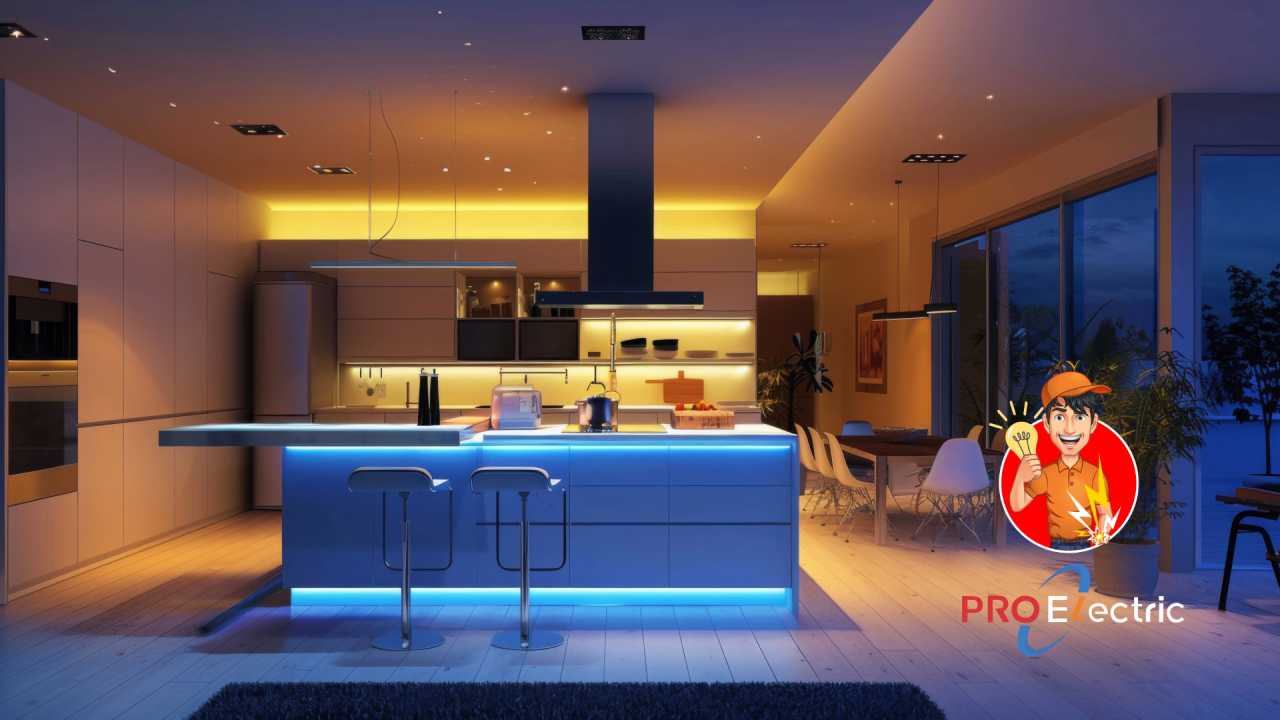
Task lighting is crucial for focused activities like chopping and cooking, while ambient lighting creates a warm and inviting atmosphere. The key is balancing both to ensure your kitchen is both functional and cozy. Proper placement and choice of lighting fixtures can make a huge difference in how your space looks and works.
For a practical and well-lit kitchen, use task lighting to brighten work areas and ambient lighting to set the mood. This combination enhances safety, efficiency, and comfort. Understanding the differences helps you design a kitchen that is both beautiful and practical.
In a busy kitchen, task lighting provides bright, concentrated light for specific work zones, whereas ambient lighting offers a softer, overall glow that makes the space inviting. By integrating both types thoughtfully, you ensure your kitchen is a perfect blend of style and functionality.
When it comes to lighting in the kitchen, task and ambient lights serve different purposes but work best when combined. Task lighting ensures visibility for cooking and prep work, while ambient lighting adds warmth and atmosphere. Striking the right balance means your kitchen remains practical for daily chores and welcoming for gatherings.

Task lighting vs ambient lighting in the kitchen
Understanding the Basics of Kitchen Lighting
Lighting plays a crucial role in making your kitchen both functional and inviting. It influences how you see tasks clearly and how warm or cozy the space feels. Typically, a combination of different lighting types is used for the best results.
What Is Task Lighting?
Task lighting provides focused light on specific work areas. It helps you see details clearly, making cooking, chopping, and cleaning safer and easier. Common sources include under-cabinet lights, pendant lights over islands, and track lighting.
Key Features of Task Lighting
- Bright and concentrated
- Directed at work surfaces
- Enhances visibility for detailed tasks
Task lighting should be adjustable and easily accessible to adapt to different activities and times of day.
Examples of Effective Task Lighting
- Under-cabinet LED strips above countertops
- Pendant lights over kitchen islands
- Recessed lights illuminating specific work zones
These sources minimize shadows and provide sufficient brightness for detailed chores.
What Is Ambient Lighting?
Ambient lighting creates a general glow that illuminates the entire kitchen evenly. It sets the mood and makes the space feel warm and welcoming. It is usually softer and less direct than task lighting.
Characteristics of Ambient Lighting
- Soft and dispersed
- Provides overall brightness
- Fills the room uniformly without shadows
It often comes from ceiling fixtures, chandeliers, or wall-mounted lights.
Types of Ambient Lighting
- Ceiling-mounted fixtures such as flush mounts or semi-flush mounts
- Recessed ceiling lights
- Small sconces or wall-mounted fixtures
Using dimmers can help adjust the intensity to match different occasions.
Comparing Task and Ambient Lighting
Understanding how these two types of lighting work together helps create a balanced kitchen environment. Each serves a separate purpose but complements the other.
Functionality vs. Atmosphere
Task lighting focuses on providing clear, bright light where you work. Ambient lighting offers a relaxed atmosphere that fills the room softly. Combining both ensures your kitchen is both practical and inviting.
Placement Strategies
| Task Lighting | Ambient Lighting |
|---|---|
| Directly over countertops or work areas | Centered on the ceiling for overall illumination |
| Under cabinets or spotlights | Chandeliers or flush mounts in the middle of the room |
Choosing the Right Balance for Your Kitchen
Finding the ideal combination depends on your cooking habits, kitchen size, and personal style. Larger kitchens typically need more task lighting, whereas smaller ones may rely on ambient lighting more.
Tips for an Effective Lighting Layout
- Ensure task lighting is brighter than ambient lighting for detailed work.
- Use dimmable fixtures to adjust brightness as needed.
- Layer lighting to avoid shadows and dark corners.
Design Considerations
Consider the color scheme and finishes in your kitchen to select lighting that enhances aesthetics. Warm light bulbs make the room cozy, while cooler tones help in task areas.
Energy Efficiency and Maintenance
Modern LED lighting provides energy-efficient solutions that last longer and consume less power. Choose fixtures that are easy to maintain for convenience.
LED Lights for Both Types
- Offer high brightness with low energy use
- Come in adjustable temperatures from warm to cool
- Are durable and require minimal maintenance
Innovations in Kitchen Lighting
Smart lighting systems let you control brightness and color temperature via apps or voice commands. Motion sensors can automatically turn on task lights when needed, adding convenience.
Smart and Automated Lighting
– Adjust brightness based on time or activity
– Program whole lighting scenes for cooking, dining, or relaxing
– Incorporate voice commands for easy control
Safety and Practical Tips
Proper lighting reduces accidents and makes cleaning easier. Always ensure task lights are bright enough and positioned correctly.
Installation Tips
– Mount task lighting at suitable heights for optimal illumination
– Use diffusers or shades to prevent glare
– Keep electrical connections safe and accessible for maintenance
Summary
Combining task lighting and ambient lighting creates a kitchen that is both functional and inviting. Focused task lights make daily chores safer, while ambient lighting sets the mood and enhances the design. Proper placement, adjustable features, and energy-efficient options contribute to a well-lit kitchen tailored to your needs.
Interior Design Tips: Dining & Kitchen LIGHTING Do’s and Don’ts!
Frequently Asked Questions
How does task lighting improve safety in the kitchen?
Task lighting provides focused illumination on specific work areas, such as countertops and stove tops. This clear visibility helps prevent accidents, cuts, or burns by allowing you to see exactly where you’re cutting, chopping, or cooking. Proper task lighting also ensures you can easily locate utensils and ingredients, making your kitchen activities safer and more efficient.
In what ways can ambient lighting influence the overall mood of the kitchen?
Ambient lighting sets the general tone and atmosphere of the kitchen. It creates a warm, inviting environment that encourages relaxation and social interaction. By adjusting the level and color temperature of ambient lights, you can make the space feel brighter and energetic or softer and cozier, depending on your preferences and the occasion.
What are some effective combinations of task and ambient lighting in a modern kitchen?
Combining bright, focused task lights over work zones with softer ambient lights enhances both functionality and ambiance. For example, installing under-cabinet LED strips for task lighting paired with ceiling-mounted fixtures or dimmable pendant lights for overall illumination creates a balanced and adaptable lighting scheme. This setup ensures clear visibility while maintaining a pleasant atmosphere.
How does the placement of lighting fixtures affect kitchen usability?
Strategic placement of lighting fixtures ensures that each work area receives adequate light without creating shadows or glare. Placing task lights directly above countertops, sinks, and cooking surfaces improves visibility, while ambient lights positioned to evenly illuminate the entire space prevent dark corners. Proper placement enhances usability, reduces eye strain, and simplifies meal preparation.
What should homeowners consider when choosing between task and ambient lighting options?
Homeowners should consider the specific functions of each area within the kitchen. Prioritize task lighting for areas where detailed work occurs and opt for ambient lighting to fill the space with a comfortable glow. Additionally, think about the control options, such as dimmers, to adjust brightness levels easily, and select fixtures that complement the overall design aesthetic of the kitchen.
Final Thoughts
Task lighting vs ambient lighting in the kitchen highlight their unique roles. Task lighting focuses on specific areas like countertops and stove, providing bright illumination for cooking and preparation. Ambient lighting creates a warm, welcoming atmosphere that helps set the overall mood of the space.
Balancing both lighting types ensures functionality and comfort. Effective task lighting prevents accidents, while ambient lighting enhances the kitchen’s aesthetic appeal. Combining these elements makes the space more practical and inviting.
In conclusion, understanding the differences between task lighting vs ambient lighting in the kitchen helps optimize your setup. Use targeted task lights for clarity and ambient lights for ambiance, creating a harmonious environment.