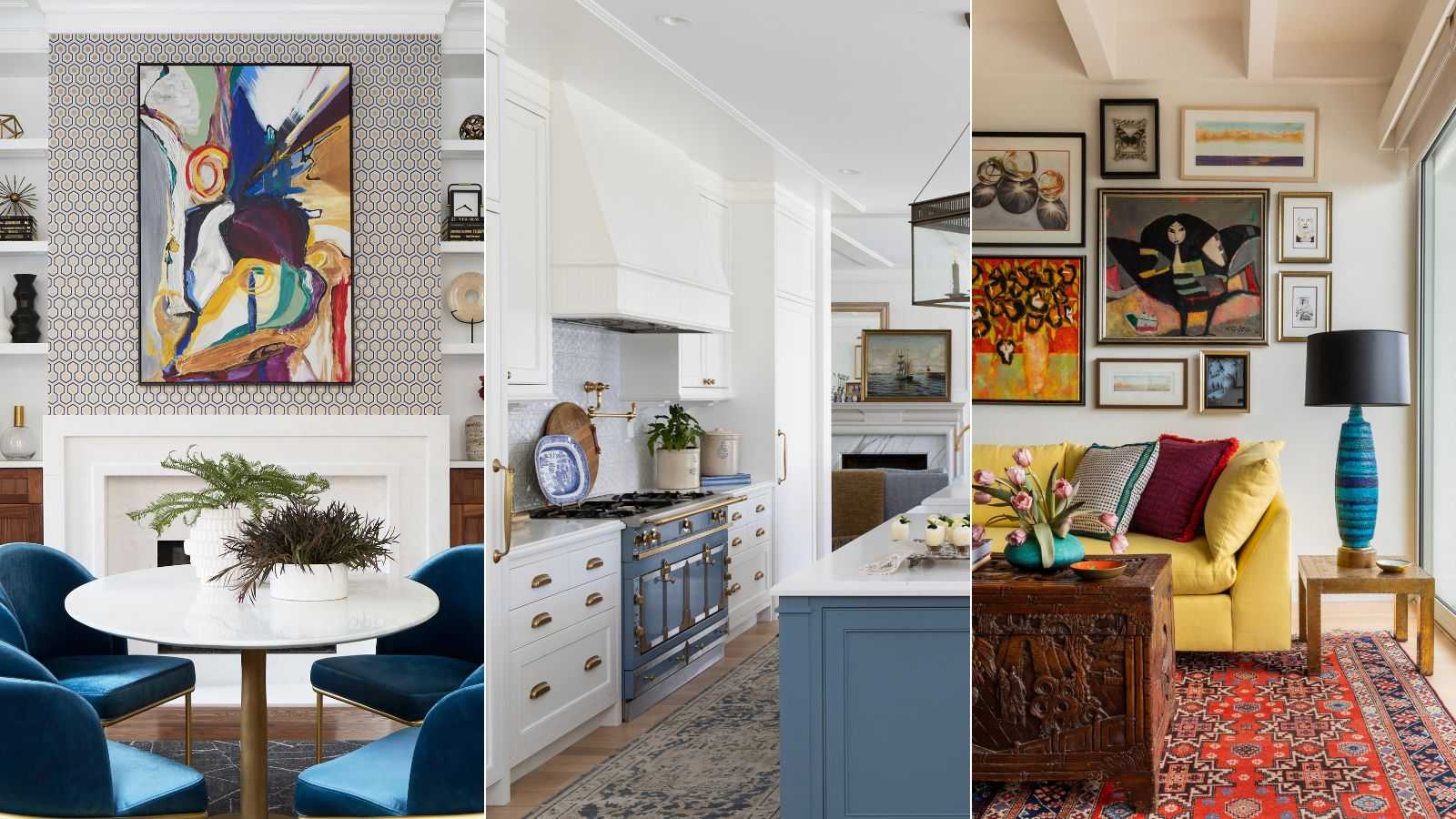
A transitional kitchen layout masterfully combines the charm of traditional design with modern functionality, creating a timeless space that feels both familiar and fresh. To achieve this blend, incorporate classic elements like ornate cabinets or vintage accents alongside sleek, minimalist appliances to create a harmonious balance. Use neutral color palettes and layered textures to unify diverse styles, ensuring the space feels cohesive rather than cluttered.
In short, a transitional kitchen effortlessly marries old-world warmth with contemporary clean lines by blending vintage details with modern features through thoughtful design choices. This approach results in a versatile, inviting kitchen that stands the test of time and trends.
Blending old and new in a kitchen can seem challenging, but a transitional layout makes it achievable with the right design principles. It involves carefully mixing vintage charm with sleek contemporary elements while maintaining a balanced color scheme and cohesive flow. This style creates a warm and inviting space that respects tradition while embracing modern convenience, ideal for homeowners who appreciate classic beauty but want modern functionality. Whether through furniture, fixtures, or accents, a transitional kitchen offers the perfect harmony of history and innovation, making it both stylish and practical.

Transitional Kitchen Layout for Blending Old and New
Creating a transitional kitchen layout means carefully combining traditional and modern styles. This blend results in a space that feels both timeless and current. The goal is to balance old-world charm with contemporary function and aesthetics.
Understanding the Transitional Style
Transitional design blends classic elegance with fresh, sleek elements. It avoids extremes, combining the warmth of traditional features with the clean lines of modern design. This style offers flexibility, making it suitable for many homes.
Key Features of a Transitional Kitchen
- Neutral colors: Use soft beige, gray, or white as base colors for walls and cabinets.
- Mix of materials: Combine wood, stone, and metal for textures and visual interest.
- Simple hardware: Opt for understated handles and knobs that complement both styles.
- Balanced proportions: Use furniture and fixtures that are neither too ornate nor too minimalist.
Design Principles for Blending Old and New
Successful transitional kitchens carefully balance elements from different eras. Focus on harmony through color schemes, material choices, and layout. The idea is to create a space that feels cohesive and inviting.
Choosing Color Palettes for a Transitional Kitchen
Start with a neutral palette to serve as a background. Add accent colors sparingly to bring personality. Soft gray and warm beige work well as main colors. Use darker or bolder hues for accessories or small features.
Material Selection and Combination
Mix traditional materials like natural wood and stone with modern materials such as glass and stainless steel. For example, a wood island paired with sleek quartz countertops creates balance. Metal fixtures and hardware add a contemporary touch to classic cabinetry.
Cabinetry: Classic Meets Contemporary
Choose cabinetry with clean lines and minimal ornamentation. Use shaker-style doors or flat-panel cabinets for a modern look. Incorporate glass-front cabinets to display vintage dishware, adding a traditional flair.
Countertop and Backsplash Options
Opt for quartz or granite countertops with subtle patterns and colors. Backsplashes can feature subway tiles for a classic look or glass tiles for a more modern feel. Combining different materials can add visual interest.
Lighting Design in a Transitional Kitchen
Lighting plays a crucial role in blending styles. Use pendant lights with simple shapes or vintage-inspired fixtures. Incorporate recessed lighting for a clean, modern appearance while highlighting key areas.
Choosing Furniture and Fixtures
Mix traditional furniture, like a farmhouse sink, with sleek, modern appliances. Use bar stools with classic wood or metal finishes. Balance is key to avoid overwhelming the space with one style.
Flooring Options for a Transitional Look
Hardwood floors in medium tones work well, providing warmth and flexibility. Alternatively, large-format tiles with neutral colors can anchor the space with a contemporary touch. Area rugs can add softness and define zones within the kitchen.
Incorporating Storage Solutions
Opt for open shelving combined with closed cabinets for both style and practicality. Vintage open shelves can display antique dishes, while modern cabinets keep clutter out of sight. Use innovative storage baskets and organizers to maximize space.
Creating a Cohesive Layout
Arrange the kitchen to ensure easy movement and functionality. The work triangle—sink, stove, refrigerator—should be optimized for efficiency. Avoid cluttered layouts by planning sufficient storage and counter space.
Enhancing the Transitional Style with Decor
- Artwork and accessories: Use vintage prints or modern abstract art to add personality.
- Textiles: Incorporate neutral or patterned textiles through curtains, cushions, or rugs.
- Decorative accents: Use antique vases, modern sculptures, or a mix of both to create visual interest.
Lighting and Color Accents for Balance
Use lighting fixtures and colors as accents to unify the space. For example, a modern pendant light can highlight traditional cabinetry. Colorful accessories or small furniture pieces can add vibrancy without overwhelming the overall style.
How to Personalize Your Transitional Kitchen
Add personal touches that reflect your taste. Display family heirlooms alongside contemporary art. Mix vintage and modern appliances to create a unique, welcoming environment. Remember, the key is harmony and comfort.
Maintenance and Longevity
Choose durable materials that age well. Wood cabinets with protective finishes, stone countertops, and stainless steel appliances are practical. Regular cleaning and care will keep your kitchen looking stylish and fresh over time.
Budgeting for Your Transitional Kitchen Project
Plan your budget carefully. Invest in quality materials for key features like countertops and cabinetry. Consider cost-effective ways to incorporate style, such as repainting existing cabinets or using affordable decor accessories. Prioritize elements that will have the most impact.
Trends in Transitional Kitchen Design
Popular trends include open-concept layouts, eco-friendly materials, and smart technology integration. Vintage lighting fixtures and mixed-metal hardware continue to be favorites. Staying updated helps keep your kitchen both stylish and functional.
A well-designed transitional kitchen blends the best of both worlds, offering a space that feels timeless yet current. Focus on balanced colors, mixing textures, and combining traditional and modern elements thoughtfully. With attention to detail, your kitchen can become a beautiful and functional heart of your home.
Our 5 favourite essential design features in our kitchen!
Frequently Asked Questions
How can I balance traditional and contemporary elements in a transitional kitchen?
To achieve a balanced look, incorporate classic materials like subway tiles or wooden accents alongside modern appliances and sleek cabinetry. Use a neutral color palette that complements both styles, and select lighting fixtures that blend vintage charm with contemporary design to create a harmonious space.
What are effective ways to unify different design styles in a transitional kitchen?
Unify your kitchen by choosing a consistent color scheme and mixing textures thoughtfully. For example, pair rustic wood cabinets with smooth quartz countertops and use hardware that has a vintage feel but with modern finishes. These subtle links help different styles coexist seamlessly.
How do I incorporate vintage pieces without making the kitchen look outdated?
Integrate vintage elements as accent features, such as antique pendant lights or a retro-inspired backsplash. Keep the overall layout clean and modern, allowing these pieces to stand out without overwhelming the space. This approach adds character while maintaining a fresh atmosphere.
What lighting options work well in a transitional kitchen?
Combine different types of lighting to highlight various areas—use pendant lights with vintage details above the island and recessed lighting for overall brightness. Incorporate warm-toned fixtures to add coziness, blending traditional charm with contemporary functionality.
How can I choose the right color palette for a transitional kitchen?
Opt for neutral shades like whites, grays, or beiges as your base. Add subtle accents with muted blues or greens to create visual interest. This neutral foundation allows you to introduce both vintage and modern elements effortlessly, making the design feel balanced and inviting.
Final Thoughts
A transitional kitchen layout for blending old and new creates a balanced, inviting space. It combines vintage charm with modern features, allowing seamless interaction between different styles. This approach emphasizes harmony, making old elements feel refreshed and new elements feel rooted. In conclusion, adopting a transitional kitchen layout for blending old and new achieves a cohesive and timeless aesthetic that complements any home.