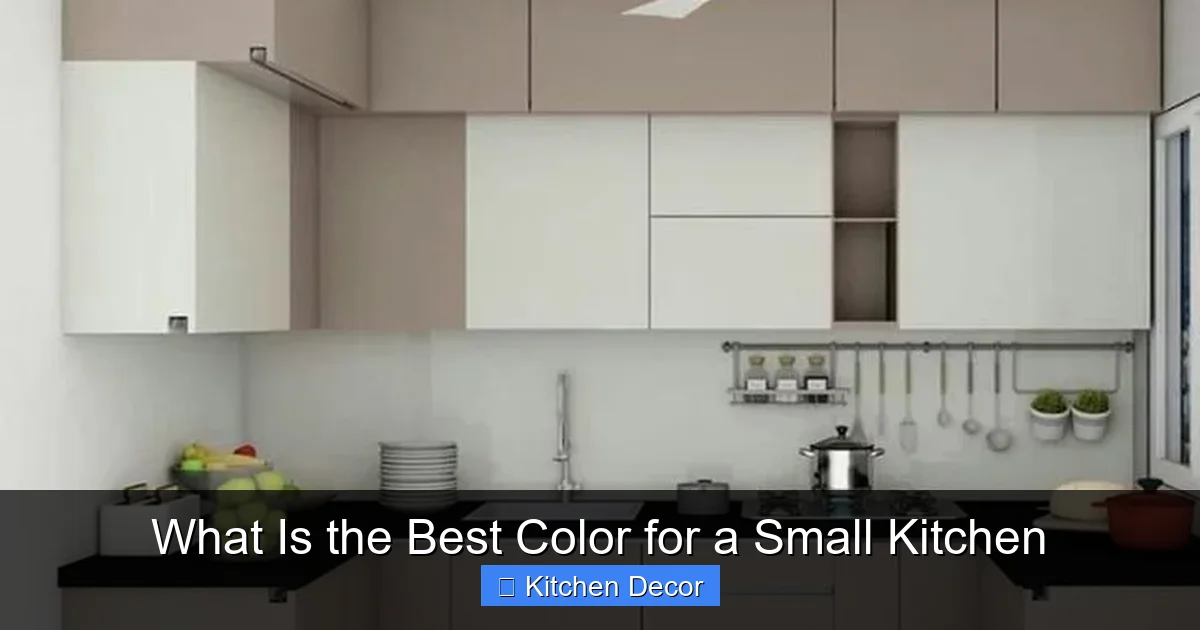
Choosing the best color for a small kitchen is crucial for creating an illusion of space and brightness. Focus on light, reflective hues like whites, pale grays, and soft blues to expand your kitchen visually. Strategic use of accent colors and smart lighting can further enhance the perceived size, making your small kitchen feel welcoming and airy and helping you pick the ideal color for a small kitchen.
What Is the Best Color for a Small Kitchen
Ah, the small kitchen! It’s often the heart of the home, even if it feels a little cramped. You love cooking in it, entertaining in it, and simply being in it. But sometimes, you wish it felt a bit bigger, brighter, and more inviting. One of the most powerful tools you have to transform a small kitchen is color. Choosing the right paint, cabinet, or accent color can dramatically change how you perceive the space, making it feel larger, airier, and more functional.
If you’re wondering, “what is the best color for a small kitchen?”, you’re in the right place! This comprehensive guide will walk you through everything you need to know about selecting the best color for a small kitchen. We’ll dive into color psychology, practical considerations, specific color recommendations, and clever tricks to make your compact cooking haven truly shine. Get ready to turn your small kitchen dreams into a vibrant reality!
Key Takeaways
- Embrace Light Colors: The fundamental rule for small kitchens is to use light, cool, and neutral colors such as whites, pale grays, soft blues, and mint greens, as they reflect light and make the space feel larger and more open.
- Consider Natural Light: Before choosing any color, assess your kitchen’s natural light. North-facing kitchens benefit from warmer undertones, while south-facing ones can handle cooler hues. This helps determine the best color for a small kitchen specific to your space.
- Strategic Use of Accents: While light colors dominate, don’t shy away from small pops of accent color in backsplashes, accessories, or a single feature wall to add personality without overwhelming the space.
- Reflectivity is Key: Opt for paints with an eggshell, satin, or semi-gloss finish, and incorporate reflective surfaces like stainless steel, glass, or mirrors to bounce light around and enhance the feeling of spaciousness.
- Consistency is Your Friend: Maintain a cohesive color palette across walls, cabinets, and even flooring. A seamless transition minimizes visual breaks, making the kitchen appear more expansive.
- Don’t Forget the Ceiling: Painting the ceiling the same light color as the walls, or even a slightly lighter shade, can visually raise it and contribute to an airier feel.
- Test Before Committing: Always test paint swatches on your walls and observe them at different times of day to see how the lighting affects the chosen hue before painting the entire kitchen.
Understanding How Color Works in Small Spaces
Before we dive into specific shades, it’s helpful to understand the basic principles of how color affects perception, especially in a limited footprint. The goal for a small kitchen is almost always to create an illusion of greater space and light.
The Illusion of Space: Light vs. Dark
This is perhaps the most fundamental rule for small spaces. Light colors reflect light, while dark colors absorb it. When light is reflected, it makes a room feel more open, spacious, and bright. Dark colors, conversely, tend to make walls appear to recede, creating a cozier, more enclosed feeling. While a dark, dramatic kitchen can be stunning, it’s generally not the best color for a small kitchen if your primary goal is to make it feel bigger.
Think of it this way: a vast, open field appears boundless because of the clear sky above. A small, dimly lit cave feels confined. We’re aiming for the open field effect in your small kitchen.
Warm vs. Cool Tones: Impact on Perception
Colors are generally categorized as warm or cool. Warm colors (reds, oranges, yellows) tend to advance, meaning they appear closer to the viewer. This can make a small room feel even smaller. Cool colors (blues, greens, purples), on the other hand, tend to recede, making walls appear further away and thus expanding the perceived space. This makes cool tones often the best color for a small kitchen.
- Warm colors: Can create a cozy, inviting atmosphere but might make a small kitchen feel more enclosed.
- Cool colors: Promote a sense of calm, freshness, and openness, making them ideal for creating spaciousness.
However, there’s a nuance: very pale warm colors can still work, especially in kitchens lacking natural light. It’s all about the intensity and undertone.
The Role of Reflectivity and Sheen
It’s not just the hue, but also how much light the paint finish reflects. Paint sheens range from flat (matte) to high-gloss. Higher sheens are more reflective. For a small kitchen, opting for an eggshell, satin, or semi-gloss finish is generally recommended. These finishes bounce more light around the room, enhancing the spacious feel without being overly shiny or difficult to clean (as flat paints are in a kitchen).
- Flat/Matte: Absorbs light, makes walls look smooth, but hard to clean. Not ideal for a high-traffic kitchen.
- Eggshell/Satin: Moderate sheen, good durability, easier to clean. A popular choice for walls.
- Semi-Gloss/High-Gloss: Very reflective, highly durable, and easy to clean. Excellent for trim, cabinets, or even walls if you want maximum light reflection and can handle potential imperfections showing.
Step 1: Evaluate Your Kitchen’s Natural Light and Layout
Before you even pick up a paint swatch, take a good, honest look at your kitchen. The existing conditions play a huge role in determining the best color for a small kitchen.
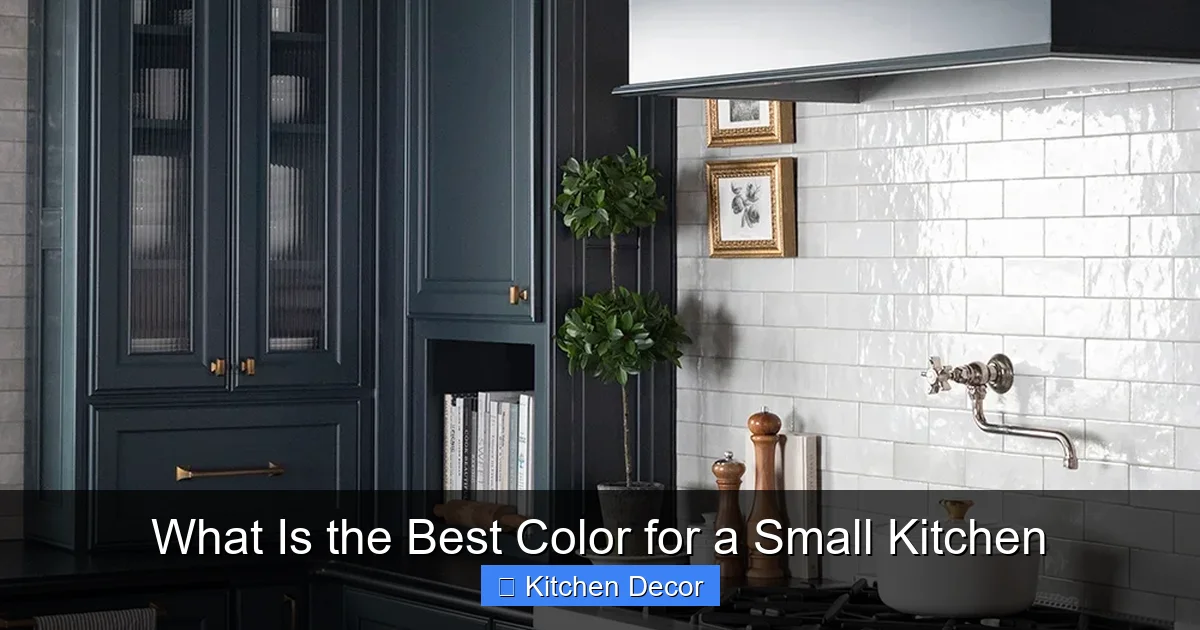
Visual guide about What Is the Best Color for a Small Kitchen
Image source: roomfortuesday.com
Assess Light Direction and Amount
How much natural light does your kitchen receive? From which direction? This is critical because light changes how colors appear throughout the day.
- North-facing kitchens: Tend to receive cooler, indirect light. Warmer whites, pale yellows, or greens with yellow undertones can counteract the coolness and prevent the space from feeling dim.
- South-facing kitchens: Bathed in bright, warm light. These kitchens can handle cooler colors (blues, grays, greens) without feeling cold, as the natural light will warm them up.
- East-facing kitchens: Get beautiful morning light (warm), then cooler light in the afternoon. Colors will look different depending on the time of day.
- West-facing kitchens: Receive cool morning light and strong, warm afternoon light. Again, colors will shift dramatically.
Also, consider the amount of light. Is there one small window or ample natural light? Less natural light means you’ll lean even more heavily on light, reflective colors to make the room feel open.
Consider Existing Elements (Cabinets, Flooring, Countertops)
Unless you’re planning a full gut renovation, your kitchen likely has existing fixed elements like cabinets, flooring, and countertops. These items have their own colors and undertones that need to be considered when selecting the best color for a small kitchen. You want your chosen paint color to harmonize with these elements, not clash.
Take samples of your existing materials with you when looking at paint swatches. If your cabinets are a warm wood tone, a cool gray wall color might feel jarring unless carefully chosen.
Identify Your Kitchen’s Style
Is your kitchen modern, traditional, farmhouse, or somewhere in between? The overall aesthetic should guide your color choices. A vibrant, bold accent color might work well in a modern kitchen, while a soft, muted palette might be more appropriate for a classic farmhouse look.
Step 2: Embrace Light and Bright Hues
Now, let’s talk about specific color families that consistently prove to be the best color for a small kitchen. The key here is “light and bright.”
Visual guide about What Is the Best Color for a Small Kitchen
Image source: smallroomdecor.com
Classic Whites: Timeless and Expansive
White is the go-to color for making any small space feel bigger, and it’s truly the best color for a small kitchen that needs an open feel. It reflects nearly all light, creating an airy and clean aesthetic. But “white” isn’t just one color; there are countless variations:
- Crisp Whites: Pure whites with no strong undertones are excellent for a modern, minimalist look. They provide maximum reflection.
- Warm Whites: Whites with a hint of yellow, cream, or beige undertone (e.g., Benjamin Moore’s “White Dove” or Sherwin-Williams’ “Alabaster”). These are less stark than pure white and can add a cozy touch without sacrificing openness, especially in north-facing kitchens.
- Cool Whites: Whites with a touch of gray or blue undertone (e.g., Sherwin-Williams’ “Extra White” or Benjamin Moore’s “Chantilly Lace”). These can make a space feel very clean and crisp, particularly effective in south-facing kitchens.
The beauty of white is its versatility. It provides a perfect backdrop for any accent colors or textures you might want to introduce.
Soft Grays: Modern Neutrality
Gray has been a popular neutral for years, and for good reason. Light, soft grays can offer the spaciousness of white but with a bit more depth and sophistication. They are often the best color for a small kitchen looking for a contemporary feel.
- Light Cool Grays: Grays with blue or purple undertones create a calm, sophisticated, and expansive feel.
- Light Warm Grays (Greige): Grays with beige or brown undertones offer a softer, cozier neutrality while still keeping the space feeling open.
Ensure your chosen gray isn’t too dark or too saturated, or it will start to absorb light rather than reflect it.
Pale Blues and Greens: Serene and Refreshing
As cool colors, pale blues and greens are excellent at making a room feel more expansive and tranquil. These can be the best color for a small kitchen if you want to introduce a subtle touch of color while maximizing perceived space.
- Sky Blue/Pale Aqua: Evokes the feeling of the open sky or ocean. Very calming and refreshing.
- Mint Green/Pale Sage: Brings a touch of nature indoors, feeling fresh and clean. It’s also a surprisingly versatile neutral.
Stick to very desaturated versions of these colors. The paler they are, the more light they’ll reflect and the more expansive your kitchen will feel.
Creams and Off-Whites: Warmth Without Weight
If pure white feels too stark, or your kitchen lacks warmth, creams and off-whites are fantastic alternatives. These shades offer the light-reflecting qualities of white but with a softer, inviting glow. They contain hints of yellow, beige, or even a touch of pink or peach, making them feel instantly welcoming. For a small kitchen that feels a bit cold, a creamy off-white can be the perfect solution.
Light Yellows: Cheerful and Inviting
A very pale, buttery yellow can bring immense cheer and warmth to a small kitchen, especially one that doesn’t get much natural light. It mimics sunlight, making the space feel brighter and more optimistic. However, caution is advised: too much yellow can be overwhelming and make a room feel smaller. Stick to the absolute palest, most desaturated yellows you can find—almost a yellow-tinted white.
Step 3: Strategic Use of Accent Colors
Just because your main wall color is light doesn’t mean your kitchen has to be boring! Strategic pops of accent color can add personality and depth without overwhelming the space, and are important even when considering the best color for a small kitchen.
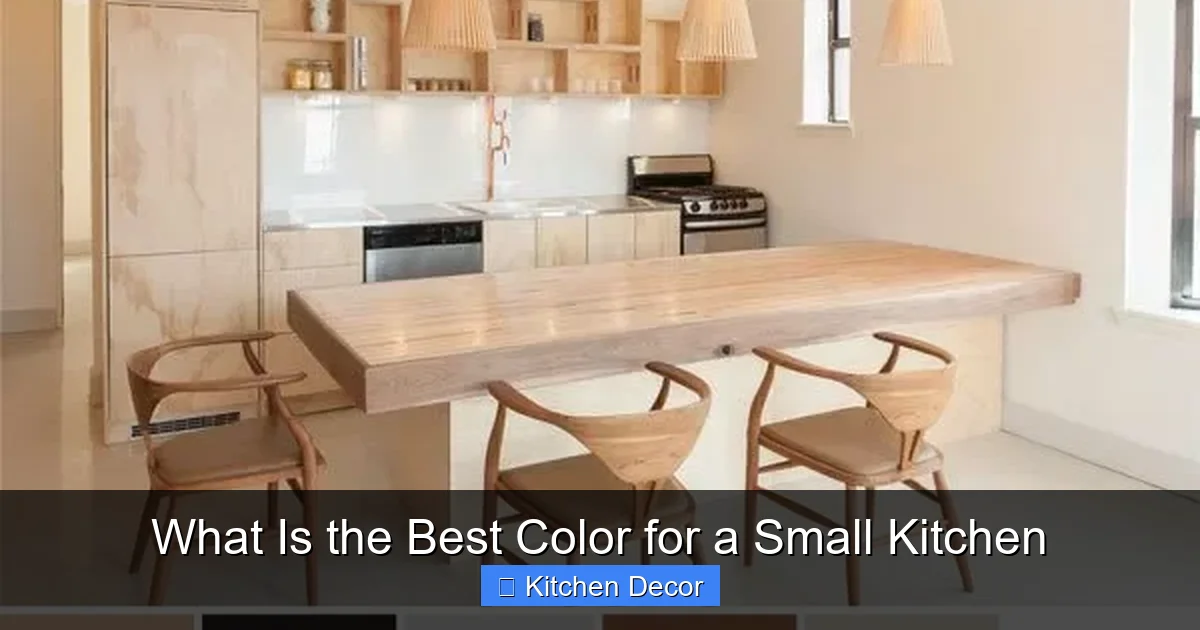
Visual guide about What Is the Best Color for a Small Kitchen
Image source: eatwell101.com
Pop of Color: Backsplashes and Accessories
This is where you can have fun! Introduce bolder colors in smaller doses. Consider:
- Backsplash: A colorful tile backsplash can be a stunning focal point. Choose a color that complements your main wall color.
- Kitchen Accessories: Brightly colored appliances (think a stand mixer), dish towels, artwork, small rugs, or even a vase of fresh flowers can inject personality. These are easy to change if you want to update your look.
- Open Shelving: Display colorful dishes or decorative items on open shelves.
The key is restraint. A little goes a long way in a small kitchen. You don’t want too many competing colors.
The Power of Monochromatic Schemes
A monochromatic color scheme involves using different shades, tints, and tones of a single base color. For a small kitchen, this can be incredibly effective. Imagine a pale blue-gray on the walls, a slightly darker blue on the lower cabinets, and a crisp white on the trim and upper cabinets. This creates visual interest through variation in depth, but because all colors are related, the space feels cohesive and expansive.
Vertical Stripes or Patterns for Height
If you’re feeling adventurous, consider subtle vertical stripes on one wall. This can visually draw the eye upwards, making the ceiling appear higher. Similarly, a wallpaper with a delicate, vertical pattern can have the same effect. Just ensure the colors in the pattern are light and not too busy, so it doesn’t overwhelm your small space.
Step 4: Beyond the Walls – Cabinets, Countertops, and Flooring
The walls are just one piece of the puzzle. Other large surfaces in your kitchen also contribute significantly to the overall feel and color palette, helping you find the best color for a small kitchen.
Cabinet Colors: Light is Key
Cabinets occupy a large visual footprint. For a small kitchen, light-colored cabinets are almost always the best choice. White cabinets are incredibly popular for a reason – they brighten, reflect light, and create a sense of spaciousness. Pale grays, light blues, or mint greens can also work beautifully for cabinets, offering a touch more color while maintaining an open feel.
If you have existing dark wood cabinets and replacing them isn’t an option, consider painting them. It’s a transformative project that can make a dramatic difference.
Countertop Choices: Reflective Surfaces
Like walls and cabinets, lighter countertops contribute to an expansive feel. White, light gray, or marble-patterned countertops reflect light effectively. Materials like quartz or granite with a polished finish will also add a touch of reflectivity. Avoid very dark or highly patterned countertops that can visually chop up the space and make it feel heavy.
Flooring: Keeping it Consistent
For flooring, consistency can make a small kitchen feel larger. If possible, extending the same flooring from an adjacent room into the kitchen minimizes visual breaks. Light-colored flooring (light wood, pale tiles, or light vinyl) will also help reflect light upwards, adding to the overall brightness. Avoid very dark or highly contrasting flooring in a small kitchen, as this can make the space feel smaller and more enclosed.
Step 5: Incorporate Reflective Elements and Smart Lighting
Color works best when supported by intelligent design choices. Reflective elements and good lighting are crucial allies in making your small kitchen feel larger, no matter what is the best color for a small kitchen.
Mirrors and Metallic Accents
Mirrors aren’t just for bathrooms and bedrooms! A strategically placed mirror can reflect light and create the illusion of depth. Consider a mirrored backsplash or a decorative mirror on an empty wall. Stainless steel appliances, chrome fixtures, and other metallic accents (like pot racks or cabinet hardware) also bounce light around the room, contributing to a brighter, more open feel.
Task and Ambient Lighting
Even the best color for a small kitchen won’t work its magic in poor lighting. Good lighting is paramount. Ensure you have:
- Task Lighting: Under-cabinet lighting is essential for illuminating your countertops and making food prep easier. It also brightens the working surfaces.
- Ambient Lighting: Overhead lighting (flush mounts, recessed lights) should provide overall brightness.
- Dimmers: Install dimmers on your lights to adjust the mood and intensity.
Aim for brighter, cooler-temperature bulbs (around 3500K-4000K) to enhance the clean, open feel during the day, reserving warmer tones for evening ambiance if desired.
Common Pitfalls to Avoid in Small Kitchens
Even with the best intentions, it’s easy to make mistakes that undermine your efforts to make a small kitchen feel larger and brighter. Knowing what to avoid is as important as knowing what to do when choosing the best color for a small kitchen.
Overwhelming Dark Colors
While a dark accent wall can work in some larger spaces, a small kitchen is generally not the place for vast expanses of deep, rich colors. They will absorb light and make the walls appear to close in, making the space feel even smaller and potentially claustrophobic. If you love dark colors, use them sparingly in accents.
Too Many Clashing Colors
A riot of different, unrelated colors might be fun in a child’s playroom, but in a small kitchen, it creates visual chaos. This makes the space feel busy and even smaller. Stick to a cohesive palette of 2-3 main colors, mostly light and neutral, with maybe one carefully chosen accent color.
Ignoring Undertones
This is a subtle but critical mistake. Every color has an undertone (a hint of another color, like a gray with a blue undertone or a white with a yellow undertone). If your chosen wall color has a cool undertone and your cabinets have a strong warm undertone, they can clash, making the space feel “off.” Always check how your potential paint color looks against your existing fixtures.
Forgetting the Ceiling
Often, the ceiling is painted a standard flat white. However, painting the ceiling the same light color as your walls (or even a slightly lighter shade) can create a seamless transition, visually blurring the line where the wall ends and the ceiling begins. This makes the walls appear taller and the room feel airier. Using a different, darker color on the ceiling can visually lower it, making the room feel more enclosed.
Testing Your Color Choices
You’ve done your research, considered your kitchen’s unique characteristics, and narrowed down your options. Now comes the crucial step before committing.
Paint Swatches are Your Best Friend
Never, ever choose a paint color based solely on a tiny chip from the store. Colors look dramatically different on a large surface. Buy small sample pots of your top 2-3 choices. Paint large swatches (at least 2×2 feet) directly onto your kitchen walls. If you can, paint swatches on different walls to see how they react to varying light conditions.
Observe Colors at Different Times of Day
Live with your swatches for a few days. Observe them in morning light, afternoon light, and evening light (both natural and artificial). A color that looks perfect at noon might appear too cool or too warm under your kitchen’s task lighting at night. This step is non-negotiable for finding the best color for a small kitchen.
Troubleshooting Common Small Kitchen Color Dilemmas
Even with the best intentions, you might encounter some common challenges. Here’s how to troubleshoot them:
“My Kitchen Still Feels Small!”
If you’ve painted with light colors but your kitchen still feels cramped, re-evaluate these factors:
- Lighting: Is your lighting adequate? Add more task or ambient lighting. Consider cooler temperature bulbs.
- Clutter: Even the most perfectly painted kitchen will feel small if it’s cluttered. Clear countertops, use vertical storage, and embrace minimalist decor.
- Reflective Surfaces: Do you have enough reflective elements? Add stainless steel, glass, or even a small mirror.
- Ceiling Color: Did you paint your ceiling a light color? A dark ceiling can negate light wall colors.
“How Do I Add Personality Without Overwhelming It?”
You want your kitchen to reflect you, but not at the expense of its perceived size. Focus on:
- Small, Bold Accents: Use one or two vibrant colors in small doses: a colorful fruit bowl, a patterned hand towel, a striking piece of artwork, or a bright backsplash strip.
- Texture: Instead of more color, introduce different textures. Woven baskets, a textured rug, or unique hardware can add interest without adding visual weight.
- Plants: Greenery adds life and freshness without making the space feel smaller.
“What if My Cabinets are Dark?”
Dark cabinets can be a challenge in a small kitchen. If painting them isn’t an option:
- Go Super Light on Walls and Backsplash: Choose the absolute lightest whites or pale grays for your walls to maximize contrast and light reflection.
- Brighten Countertops: Opt for very light, reflective countertops.
- Enhance Lighting: Ensure your kitchen is exceptionally well-lit with plenty of overhead and under-cabinet lighting.
- Hardware: Change cabinet hardware to a lighter, more reflective finish (e.g., brushed nickel, chrome).
Conclusion
Choosing the best color for a small kitchen is an art and a science, but it doesn’t have to be intimidating. By understanding how colors work, embracing light and reflective hues, and applying strategic design principles, you can transform your compact kitchen into a space that feels expansive, bright, and incredibly inviting. Remember to evaluate your unique kitchen, test your choices, and trust your instincts.
Whether you opt for a crisp white, a calming pale blue, or a sophisticated soft gray, the perfect color is waiting to unlock your small kitchen’s full potential. Go forth, experiment, and enjoy the amazing transformation!