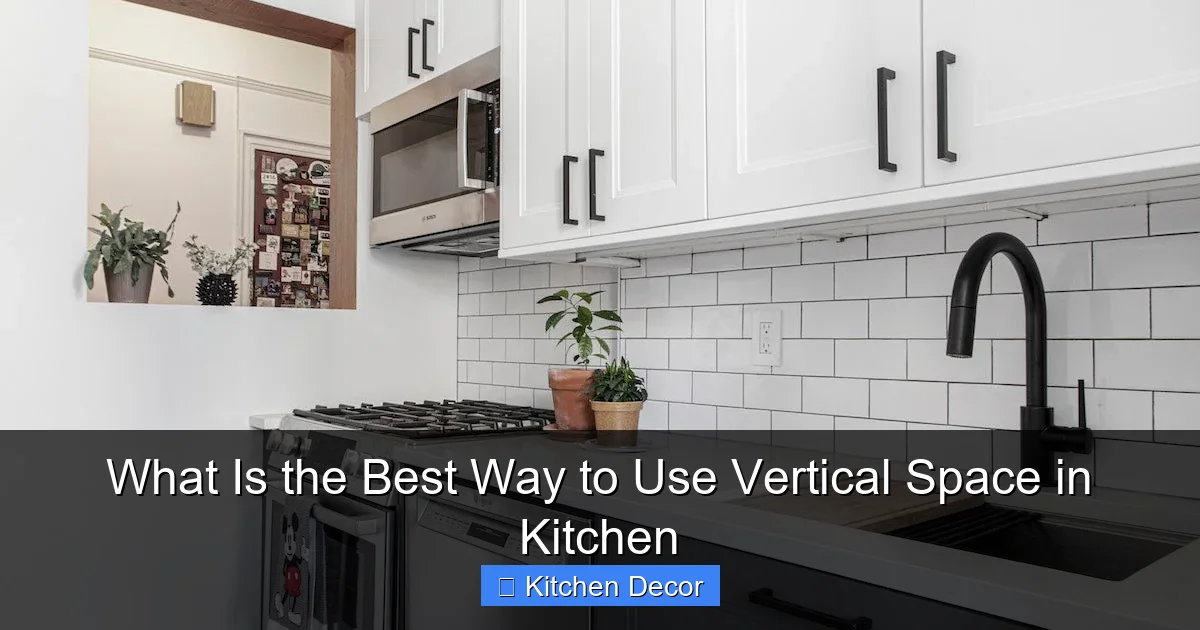
Transform your kitchen by mastering the art of vertical space utilization. This guide offers practical strategies, from smart cabinet organizers to wall-mounted solutions, helping you maximize storage and keep your kitchen tidy. Discover how to reclaim counter space and create a more functional, organized cooking environment, no matter its size. Learning to use vertical space in kitchen efficiently is key to a happy home.
What Is the Best Way to Use Vertical Space in Kitchen
Welcome to the ultimate guide on how to truly transform your kitchen! If you often feel like your countertops are cluttered, your cabinets are overflowing, or you just don’t have enough storage, you’re in the right place. Many kitchens, regardless of their size, have untapped potential hidden in their vertical dimensions. Learning to effectively use vertical space in your kitchen is like discovering a secret expansion pack for your home.
This guide will walk you through practical, step-by-step strategies to maximize every inch from floor to ceiling. We’ll explore clever organizing solutions, smart installations, and creative hacks that will help you reclaim counter space, streamline your cooking process, and create a kitchen that’s not only more functional but also more beautiful. Get ready to look up, down, and all around to unlock your kitchen’s full potential!
Key Takeaways
- Assess & Declutter First: Before adding new storage, take stock of your existing items and declutter. Understanding what you have and where it needs to go is the first step to effectively use vertical space in your kitchen.
- Maximize Cabinet Interiors: Don’t just stack! Use adjustable shelves, stackable organizers, pull-out drawers, and door-mounted racks to double or triple your usable space inside cabinets.
- Utilize Walls Strategically: Walls are prime real estate. Install open shelving, pegboards, magnetic knife strips, or wall-mounted racks to keep frequently used items accessible and free up counter space.
- Exploit Overlooked Areas: Think beyond the obvious. Spaces above cabinets, over doors, in narrow gaps, and even refrigerator sides offer hidden potential to use vertical space in your kitchen.
- Incorporate Flexible Storage: Rolling carts, freestanding units, and ceiling-mounted pot racks add versatile storage that can adapt to your needs and keep items organized and within reach.
- Prioritize Safety & Aesthetics: Ensure all installations are secure and can handle the weight of your items. Integrate storage solutions seamlessly with your kitchen’s style to maintain a cohesive and attractive look.
Understanding Your Kitchen’s Vertical Potential
Before you start buying organizers or drilling holes, it’s important to understand what “vertical space” truly means in your kitchen. It’s not just about what’s high up. It’s about every unused or underused area that isn’t horizontal counter space. This includes the inside of cabinets, walls, above doors, narrow gaps, and even the ceiling.
Look Up, Down, and Around
Start by doing a visual audit of your kitchen. Look at everything with fresh eyes.
- Above Cabinets: Is there a dusty gap between the top of your wall cabinets and the ceiling?
- Inside Cabinets: Are your shelves widely spaced, leaving empty air above your stacks of plates?
- Walls: Do you have bare wall space that isn’t currently holding anything?
- Doors: Are the inside of your cabinet doors or your pantry door completely blank?
- Gaps: Are there narrow spaces next to your refrigerator, stove, or cabinets that are too small for standard furniture but too big to ignore?
These are all prime candidates for vertical storage solutions. Identifying these spots is the first big step to properly use vertical space in your kitchen.
Declutter First
Before you reorganize, declutter. This step is crucial. There’s no point in finding new homes for things you don’t use or need.
- Take everything out of your cabinets and off your counters.
- Go through each item: Do you use it regularly? Do you love it? Is it broken?
- Sort items into “Keep,” “Donate/Sell,” and “Toss.”
- Only put back the “Keep” items. This makes the entire process of how to use vertical space in your kitchen much more effective.
Step 1: Maximize Cabinet Interiors

Visual guide about What Is the Best Way to Use Vertical Space in Kitchen
Image source: wallpapers.com
Your existing cabinets are often the easiest and most impactful place to start. Don’t let precious vertical space go to waste inside them.
Adjustable Shelving
If your cabinets don’t have adjustable shelves, consider adding them. You can buy extra shelves or have them custom-cut. This allows you to tailor shelf heights to your specific items, eliminating wasted space above short stacks of dishes or small appliances. For example, if your plates only take up 4 inches, why have a 12-inch gap above them? Adjusting shelves is a simple way to optimize how you use vertical space in kitchen cabinets.
Stackable Organizers & Risers
These are game-changers for plates, bowls, and even spices.
- Shelf Risers: Create a second level inside a cabinet. Perfect for stacking mugs, smaller plates, or storing cutting boards vertically.
- Stackable Bins/Drawers: Ideal for pantry items, spices, or small tools. They allow you to build upward without everything becoming a jumbled mess. Look for clear ones so you can see contents easily.
- Plate Dividers: These help store plates and platters on their sides, making them easier to access and preventing chipping.
Using these tools helps you make the most of every inch of internal cabinet height, greatly improving how you use vertical space in your kitchen.
Pull-Out Solutions
While they require installation, pull-out drawers and shelving units make accessing items at the back of deep cabinets much easier. No more rummaging!
- Pull-Out Shelves: These are great for pots, pans, or small appliances in lower cabinets.
- Waste Bin Pull-Outs: Keep trash and recycling hidden and tidy.
- Narrow Pull-Out Pantry Units: If you have a thin gap, a custom pull-out unit can hold spices, oils, or canned goods.
These solutions not only organize but also improve accessibility, which is vital when you use vertical space in your kitchen for storage.
Door Organizers
The inside of cabinet doors is often overlooked.
- Spice Racks: Mount slim racks on the inside of pantry or upper cabinet doors.
- Foil/Wrap Holders: A simple holder can keep rolls of foil, plastic wrap, and parchment paper tidy and accessible.
- Towel Bars: Use a small bar for dish towels or to hang spray bottles.
These small additions can free up valuable shelf space and are a smart way to use vertical space in your kitchen that is literally right in front of you.
Step 2: Utilize Walls for Storage
Visual guide about What Is the Best Way to Use Vertical Space in Kitchen
Image source: itsmynest.com
Your kitchen walls are an extension of your storage potential. Think beyond just hanging a picture; think functional decor!
Open Shelving
Open shelves are incredibly popular for a reason. They keep frequently used items accessible and can add a decorative touch.
- Placement: Install them above your sink, stove, or in an empty wall section.
- What to Store: Display attractive dishware, cookbooks, spices in pretty jars, or frequently used glasses. Avoid cluttering them with too many items.
- Material: Choose materials that complement your kitchen’s style – wood, metal, or glass.
Open shelving is a fantastic way to visually and functionally use vertical space in kitchen areas that are otherwise blank.
Pegboards
Pegboards are incredibly versatile and customizable.
- Installation: Mount a pegboard panel on an empty wall.
- Accessories: Use various hooks, small shelves, and bins to hold anything from pots and pans to utensils, mugs, and cutting boards.
- Flexibility: The beauty of a pegboard is that you can rearrange it as your needs change.
It’s an organized, accessible, and often stylish way to use vertical space in your kitchen, keeping items off your counters.
Magnetic Knife Strips
Free up drawer space and keep your knives safely and conveniently accessible.
- Location: Install near your prep area, but out of reach of small children.
- Beyond Knives: Some strips are strong enough to hold other metal utensils like whisks or spatulas.
This is a sleek and efficient method to use vertical space in your kitchen for essential tools.
Wall-Mounted Racks
There’s a rack for almost everything.
- Spice Racks: Dedicated wall-mounted spice racks keep your seasonings organized and visible.
- Pot Lid Holders: Mount these on the inside of cabinet doors or directly on a wall.
- Wine Racks: If you enjoy cooking with wine, a wall-mounted rack keeps bottles off the counter.
- Utility Rails: These come with hooks and can hold cooking utensils, dish towels, or even small baskets.
When you use vertical space in kitchen areas for these racks, you free up drawers and cabinets for other items.
Step 3: Exploit Awkward & Overlooked Spaces
Visual guide about What Is the Best Way to Use Vertical Space in Kitchen
Image source: yorkavenueblog.com
Don’t underestimate the power of seemingly insignificant nooks and crannies. Every gap and corner can potentially offer valuable storage.
Above Cabinets
That gap between the top of your wall cabinets and the ceiling is often a forgotten zone.
- Storage Boxes: Place decorative bins or baskets here to store seasonal items, rarely used large appliances (like a turkey roaster), or extra bulk pantry items.
- Display: You can also use this space for decorative items if storage isn’t a primary concern.
Utilizing this high-up area is a smart way to use vertical space in your kitchen for long-term storage, keeping daily essentials at eye level.
Over the Door/Window
Consider installing a shelf or a small rack above a kitchen door or window.
- Small Shelves: Perfect for cookbooks, small decorative items, or seldom-used glassware.
- Over-the-Door Organizers: For a pantry or utility closet door, these instantly add hooks or pockets for cleaning supplies, snacks, or small gadgets.
These areas are often overlooked, yet they can be perfect for extending how you use vertical space in kitchen spaces without feeling intrusive.
Corner Solutions
Corners can be tricky, but they offer significant vertical potential.
- Corner Shelving: Install floating corner shelves to hold cookbooks, small plants, or decorative items.
- Lazy Susans: While often used inside base cabinets, a multi-tiered lazy Susan can sit on a counter in a corner, organizing spices, oils, or condiments and making them easily accessible.
- Corner Cabinet Organizers: If you have a corner cabinet, consider specific pull-out or rotating solutions designed to maximize that awkward shape.
Smart corner solutions are crucial when you want to thoroughly use vertical space in kitchen layouts.
Side of Refrigerators/Cabinets
The often-bare side of a refrigerator or the exterior side of a cabinet can be a fantastic canvas for storage.
- Magnetic Organizers: For the fridge, use magnetic spice racks, paper towel holders, or small bins for notes and pens.
- Narrow Shelving Units: If there’s a small gap (4-6 inches) between your fridge and a wall or cabinet, a slim, roll-out pantry unit can hold an astonishing amount of canned goods, spices, or bottled items.
- Command Hooks: On the side of a cabinet, use hooks for pot holders, aprons, or dishcloths.
These hidden spots are perfect for extending how you use vertical space in your kitchen.
Step 4: Incorporate Portable & Freestanding Units
Sometimes, built-in solutions aren’t enough, or you need more flexibility. Portable and freestanding units are excellent for adding adaptable vertical storage.
Rolling Carts
A rolling cart is incredibly versatile.
- Extra Counter Space: Use it as a mobile island for prep work or as a serving cart.
- Storage: Its shelves can hold appliances, pantry staples, or even a bar setup.
- Flexibility: Roll it out when needed, tuck it away when not.
A well-placed rolling cart is an effective way to dynamically use vertical space in your kitchen, offering both storage and utility.
Freestanding Shelving Units
If you have an unused wall or a large open space, a freestanding shelving unit can provide substantial storage.
- Pantry Extension: Ideal for overflow pantry items, bulk goods, or small appliances that don’t fit in cabinets.
- Material: Choose units that complement your kitchen decor, from sleek metal to rustic wood.
These units are straightforward to set up and are a powerful tool to immediately use vertical space in your kitchen.
Step 5: Smart Use of Ceiling Space
Don’t forget the very top of your kitchen – the ceiling! This area is fantastic for items that are bulky or decorative.
Ceiling-Mounted Pot Racks
A classic solution for freeing up valuable cabinet space.
- Functionality: Hang pots, pans, and even some utensils from a ceiling-mounted rack.
- Aesthetics: Choose a style that matches your kitchen. It can become a focal point.
- Accessibility: Keeps your cookware within easy reach while cooking.
When you use vertical space in kitchen ceilings for pot racks, ensure they are securely installed into ceiling joists to support the weight.
Step 6: Don’t Forget the Pantry
If you’re lucky enough to have a dedicated pantry, ensure you’re maximizing its vertical potential too.
Pantry Door Organizers
Just like cabinet doors, a pantry door can hold a surprising amount.
- Spice Racks: Keep your spices visible and organized.
- Small Baskets/Shelves: Perfect for small packages, snacks, or condiment bottles.
- Cleaning Supplies: Hang spray bottles or a small broom on the inside of the door.
This quick fix immediately enhances how you use vertical space in kitchen pantries.
Tiered Shelving
Within your pantry shelves, use tiered organizers for canned goods and spices. This allows you to see everything at a glance, preventing items from getting lost at the back and expiring. Maximizing every shelf’s height is key to fully use vertical space in kitchen pantries.
Troubleshooting & Common Mistakes to Avoid
While making the most of your kitchen’s vertical space is excellent, there are a few pitfalls to avoid.
Overdoing It
The goal is organization and efficiency, not just more stuff. Over-cluttering shelves or walls can make your kitchen feel smaller and more chaotic. Less is often more. Be selective about what you display and what you store. When you use vertical space in kitchen design, remember that visual calm is important.
Ignoring Weight Limits
Always check the weight capacity of shelves, racks, and hooks before loading them up. Heavy items like cast iron pans or large stacks of plates require sturdy installations, often drilled directly into wall studs. A falling shelf isn’t just a mess; it’s a safety hazard.
Obstructing Workflow or Access
While placing items high up frees counter space, ensure you can still safely and easily access what you store there. Don’t put frequently used items on the very top shelf if you need a step stool every time. Similarly, ensure new installations don’t block light, obstruct opening doors/drawers, or impede movement. The point is to improve flow when you use vertical space in kitchen areas.
Neglecting Aesthetics
Vertical storage can be beautiful! Try to match the style of your kitchen. Use attractive containers, coordinate colors, and ensure your storage solutions look intentional, not just like an afterthought. Your kitchen should feel cohesive.
Conclusion
Mastering how to use vertical space in your kitchen is one of the most impactful ways to enhance its functionality and appearance. By thinking creatively and strategically, you can transform a cramped, cluttered kitchen into an organized, efficient, and enjoyable space.
From the inside of your cabinets to the bare walls and even the ceiling, every inch holds potential. Start with decluttering, then systematically work through maximizing your existing cabinets, utilizing wall space, exploiting overlooked nooks, and finally, incorporating flexible storage solutions. Remember to prioritize safety and aesthetics to create a kitchen that truly works for you. So go ahead, look up, and unleash your kitchen’s hidden potential! Happy organizing!