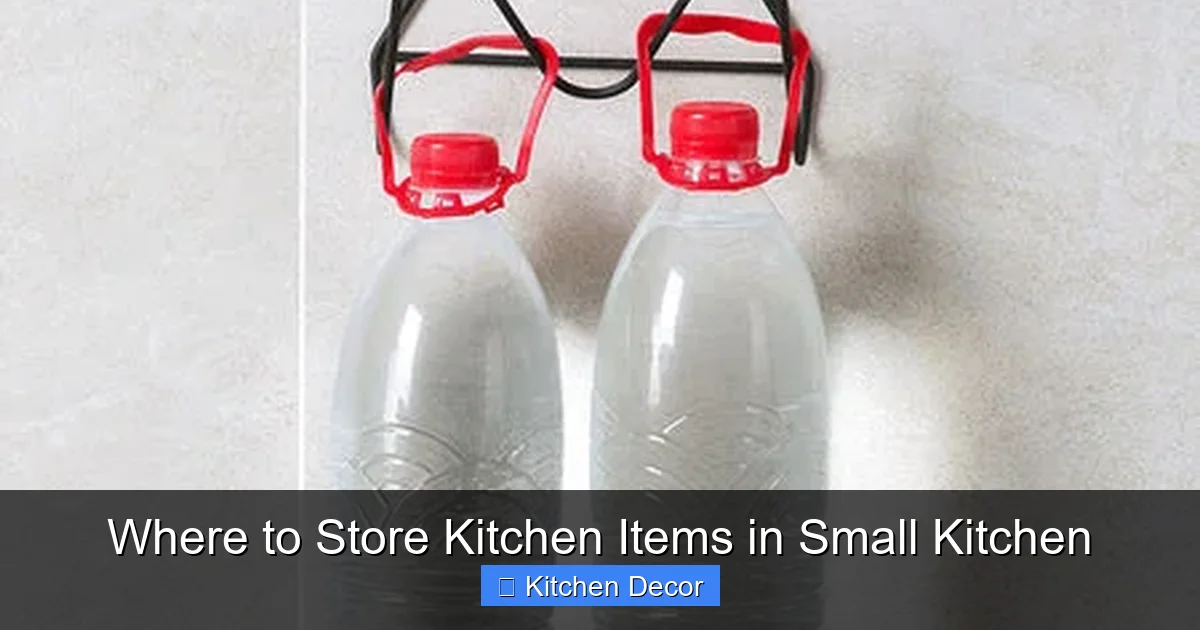
Struggling with a cramped kitchen? This guide shows you where to store kitchen items in small kitchen spaces effectively. Learn to declutter, maximize vertical and interior cabinet space, and implement creative solutions. Transform your tiny kitchen into an organized, functional, and enjoyable cooking haven, making the most of every inch, and discovering clever ways to keep everything neat and accessible.
Where to Store Kitchen Items in Small Kitchen
Welcome to the world of small kitchens! If you’ve ever felt like your culinary dreams are bigger than your kitchen’s footprint, you’re certainly not alone. A small kitchen can be a cozy and charming space, but it also presents a unique challenge: where do you store everything without making it feel like a cluttered obstacle course? From pots and pans to spices and serving dishes, every item seems to demand its own precious spot.
The good news is that living with a small kitchen doesn’t mean sacrificing functionality or style. In fact, it’s an exciting opportunity to get creative, think strategically, and discover ingenious ways to maximize every single inch. This comprehensive guide will walk you through practical, step-by-step strategies on where to store kitchen items in small kitchen spaces, helping you transform your compact cooking area into an organized, efficient, and enjoyable haven. We’ll cover everything from ruthless decluttering to smart storage solutions, ensuring your small kitchen works for you, not against you. Let’s dive in and unlock your small kitchen’s full potential!
Key Takeaways
- Declutter Ruthlessly: Before organizing, remove all unused, duplicate, or broken items. This is the foundation for efficient small kitchen storage.
- Maximize Vertical Space: Look up! Install shelves, use pot racks, and hang items on walls or inside cabinet doors to free up valuable counter and cabinet space.
- Optimize Cabinet & Drawer Interiors: Utilize dividers, pull-out organizers, and Lazy Susans to make every inch inside your cabinets and drawers work harder.
- Embrace Multi-functional & Mobile Items: Choose furniture and tools that serve multiple purposes or can be easily moved, like kitchen carts, to adapt to your needs.
- Strategize Countertop Use: Keep only essential, frequently used items on your countertops to maintain a clear, functional workspace and prevent a cluttered look.
- Decant and Contain: Transfer dry goods and pantry staples into uniform, clear containers to save space, reduce visual clutter, and make inventory easy.
- Implement Maintenance Habits: A small kitchen requires consistent effort. Adopt a “one in, one out” rule and perform regular mini-decluttering sessions to keep things organized long-term.
Step 1: Declutter Ruthlessly – The Foundation of Small Kitchen Organization
Before you even think about buying a single organizer, the absolute first step for storing kitchen items in a small kitchen is to declutter. This is non-negotiable. Trying to organize too many items in a small space is like trying to fit a square peg in a round hole – it just won’t work, and you’ll end up with a perpetually messy kitchen.
Empty Everything Out
Start by taking everything out of your cabinets, drawers, pantry, and off your countertops. Yes, everything. This might seem daunting, but it gives you a clear picture of what you actually own and how much space you truly have. Seeing it all laid out can be an eye-opening experience.
Sort into Keep, Donate/Sell, Toss
Now, go through each item with a critical eye. Ask yourself these questions:
- Do I use this regularly (at least once a month)? If not, does it serve a special, indispensable purpose (e.g., a holiday platter)?
- Do I love this item? Sometimes, sentimental value counts, but be honest about truly loving it versus just “having it.”
- Is it broken, chipped, or missing parts? If so, toss it.
- Do I have duplicates? You probably don’t need three vegetable peelers or five spatulas. Keep the best one or two.
Create three piles: “Keep,” “Donate/Sell,” and “Toss.” Be honest and brave. Remember, less is truly more when it comes to storing kitchen items in small kitchen environments.
Only Keep What You Truly Use and Love
This is the golden rule for small spaces. Every item you keep needs to earn its place. If you haven’t used that specialty gadget in a year, or if that set of mismatched mugs is taking up valuable cabinet real estate, it’s time for them to go. Be particular about your cookware, bakeware, and small appliances. If you only bake twice a year, consider if you truly need that bulky stand mixer taking up prime space. This crucial step will significantly reduce the number of items you need to find a home for.
Step 2: Maximize Vertical Space – Look Up!
When horizontal space is limited, the only way to go is up! Vertical storage is a game-changer for where to store kitchen items in small kitchen layouts. Don’t let your walls or the unused air above your countertops go to waste.
Install Wall Shelves and Racks
Floating shelves, open shelving units, or even simple wall-mounted racks can provide invaluable storage for often-used items like spices, cookbooks, mugs, or even small plates. They add visual interest and keep essentials within easy reach. Pot racks, either ceiling-mounted or wall-mounted, are excellent for hanging pots and pans, freeing up significant cabinet space.
Use Over-the-Door Organizers
The back of your pantry door or even a cabinet door can become a hidden storage gem. Over-the-door organizers with pockets or shelves are perfect for spices, foil, plastic wrap, cleaning supplies, or even lightweight snacks. This is a brilliant, often overlooked solution for where to store kitchen items in small kitchen spaces without taking up primary real estate.
Stack Smartly with Shelf Risers
Inside your cabinets, shelf risers or stackable shelves can double or even triple your storage capacity. Use them to create new levels for plates, bowls, or cans, preventing items from being hidden or crushed at the bottom of a tall stack. This makes items much more accessible.
Hang Utensils and Pots
Install a sturdy rail with S-hooks above your stove or along an empty wall to hang frequently used utensils, oven mitts, or even small pots and pans. A magnetic knife strip is another fantastic vertical solution for knives, keeping them safely off the counter and out of drawers.
Step 3: Utilize Cabinet and Drawer Interiors Efficiently
Your cabinets and drawers are prime real estate in a small kitchen. Don’t just toss things in; make them work harder by organizing the interior. Effective use of these spaces is key when considering where to store kitchen items in small kitchen designs.
Employ Drawer Dividers and Organizers
Messy drawers are inefficient drawers. Use expandable drawer dividers or dedicated organizers for cutlery, cooking utensils, and gadgets. This keeps everything neatly in its place and prevents items from sliding around and getting tangled.
Install Pull-Out Organizers and Lazy Susans
Deep, dark cabinets are notorious for becoming black holes of forgotten items. Pull-out drawers or sliding shelves can bring the back of the cabinet to you, making every item accessible. For corner cabinets, a Lazy Susan (turntable) is indispensable for spices, oils, or small appliances, allowing you to easily rotate and find what you need without rummaging.
Use the Back of Cabinet Doors
Just like pantry doors, the inside of regular cabinet doors can be fitted with shallow racks or hooks. These are perfect for storing cutting boards, pot lids, aluminum foil, plastic wrap, or even small spray bottles of cleaning supplies. It’s a clever way to utilize previously dead space.
Store Vertically Inside Cabinets
Instead of stacking flat, store items like baking sheets, cutting boards, and platters vertically in a cabinet using a simple tension rod or a specialized rack. This makes them much easier to grab without having to unstack a pile. This is a vital strategy when figuring out where to store kitchen items in small kitchen cabinets.
Step 4: Think Outside the Box – Creative Storage Solutions
Sometimes, the best small kitchen storage solutions aren’t traditional. Getting creative with multi-functional items and overlooked spaces can open up a world of possibilities for where to store kitchen items in small kitchen layouts.
Utilize Unused Corners
Corner shelves, either freestanding or wall-mounted, can turn an awkward corner into functional storage for cookbooks, small decorative items, or even a small plant. A corner cabinet with a Lazy Susan or pull-out system is also extremely efficient.
Invest in Multi-Functional Furniture
Consider a kitchen island or cart with built-in shelves, drawers, or hooks. This provides extra prep space *and* storage. A small bench with storage under the seat can be a seating solution that also hides items. A small dining table with drawers underneath can also double as storage.
Go Mobile with Carts and Trolleys
A slim rolling cart can be a lifesaver. It can hold produce, extra dishes, cleaning supplies, or even serve as a mobile bar cart. When not in use, it can be tucked into a corner or pantry. This flexibility is perfect for small spaces and gives you options for where to store kitchen items in small kitchen setups.
Leverage Appliance Tops and Sides
If your refrigerator or microwave isn’t built-in, consider utilizing its top for lightweight, infrequently used items. Magnetic strips or hooks can adhere to the side of a refrigerator for towels, oven mitts, or even small spice jars.
Step 5: Master Pantry and Food Storage
Even without a dedicated pantry, smart food storage is essential for a tidy small kitchen. Knowing where to store kitchen items in small kitchen cupboards for food means keeping things fresh, visible, and accessible.
Decant into Uniform Containers
Transfer dry goods like pasta, rice, cereal, flour, sugar, and snacks into clear, airtight containers. Not only does this keep food fresh, but uniform containers stack neatly, save space, and create a clean, organized look. Plus, you can instantly see your inventory.
Zone Your Pantry (or Pantry Shelf)
Designate specific areas for different categories of food: baking supplies, breakfast items, snacks, canned goods, etc. This makes it easier to find what you need and put things back in their proper place.
Use Clear Bins and Labels
For smaller packaged items or pouches, use clear bins or baskets within your shelves. Labeling these bins makes it easy for everyone to find what they’re looking for, reducing clutter and wasted time searching. This is particularly helpful for families to know where to store kitchen items in small kitchen spaces.
Step 6: Smart Countertop Strategies
Counter space in a small kitchen is precious; treat it as such. Cluttered countertops instantly make a small kitchen feel even smaller and less functional.
Keep Only Essentials on Display
Resist the urge to keep every appliance or utensil on your counter. Only keep out items you use daily: a small knife block, a frequently used coffee maker, perhaps a small fruit bowl. Everything else should have a home in a cabinet or drawer.
Use Tiered Organizers
If you must keep items on the counter, use tiered organizers for spices, fruit, or small baking ingredients. This allows you to store more in a smaller footprint by utilizing vertical space.
Choose Space-Saving Appliances
When buying new appliances, opt for compact or multi-functional versions. A mini food processor, a compact toaster oven, or an immersion blender can save significant counter and storage space compared to their full-sized counterparts.
Step 7: Maintain Your Organized Small Kitchen
Organizing your small kitchen isn’t a one-time event; it’s an ongoing practice. Sustaining your efforts is just as important as the initial setup for where to store kitchen items in small kitchen spaces.
Implement a “One In, One Out” Rule
To prevent new clutter from accumulating, adopt the “one in, one out” rule. When you buy a new kitchen gadget, piece of cookware, or even a mug, commit to donating or tossing an old one. This ensures you never exceed your kitchen’s storage capacity.
Regular Mini-Declutter Sessions
Schedule a quick 10-15 minute decluttering session once a month. Go through a single drawer or cabinet, tidy it up, and remove anything that no longer serves a purpose. This prevents overwhelm and keeps your small kitchen feeling fresh and organized.
Assign a Home for Everything
Once you’ve organized, ensure every single item has a designated “home.” When you’re done using something, put it back immediately. This simple habit prevents clutter from building up and keeps your kitchen consistently tidy. Everyone in the household should know where to store kitchen items in small kitchen for a cohesive system.
Troubleshooting: Common Small Kitchen Storage Hurdles
Even with the best intentions, organizing a small kitchen can present its challenges. Here are solutions to common problems:
“I Still Don’t Have Enough Space!”
If you’ve decluttered thoroughly and maximized vertical space but still feel cramped, it might be time for an even stricter audit. Consider if you truly need all the items you’re keeping. For seasonal items (e.g., holiday dishes, large party platters) or rarely used specialty appliances, explore off-site storage options like a basement, garage, or even a spare closet in another room. Could you borrow certain items instead of owning them? Re-evaluate your “Keep” pile once more.
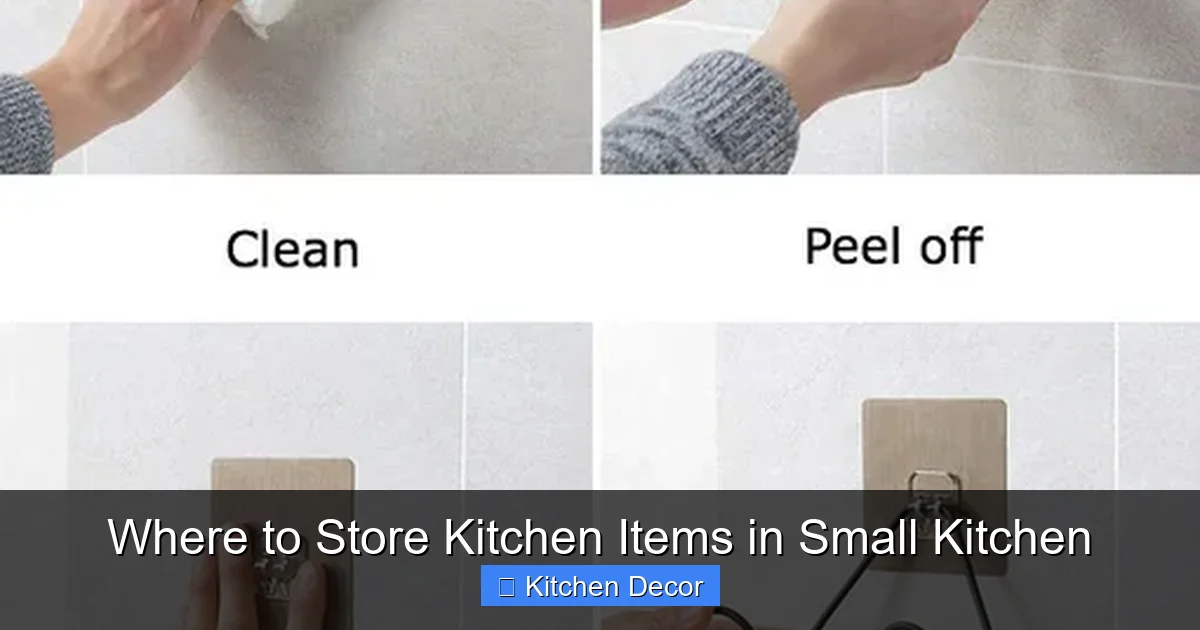
Visual guide about Where to Store Kitchen Items in Small Kitchen
Image source: cdn.shopify.com
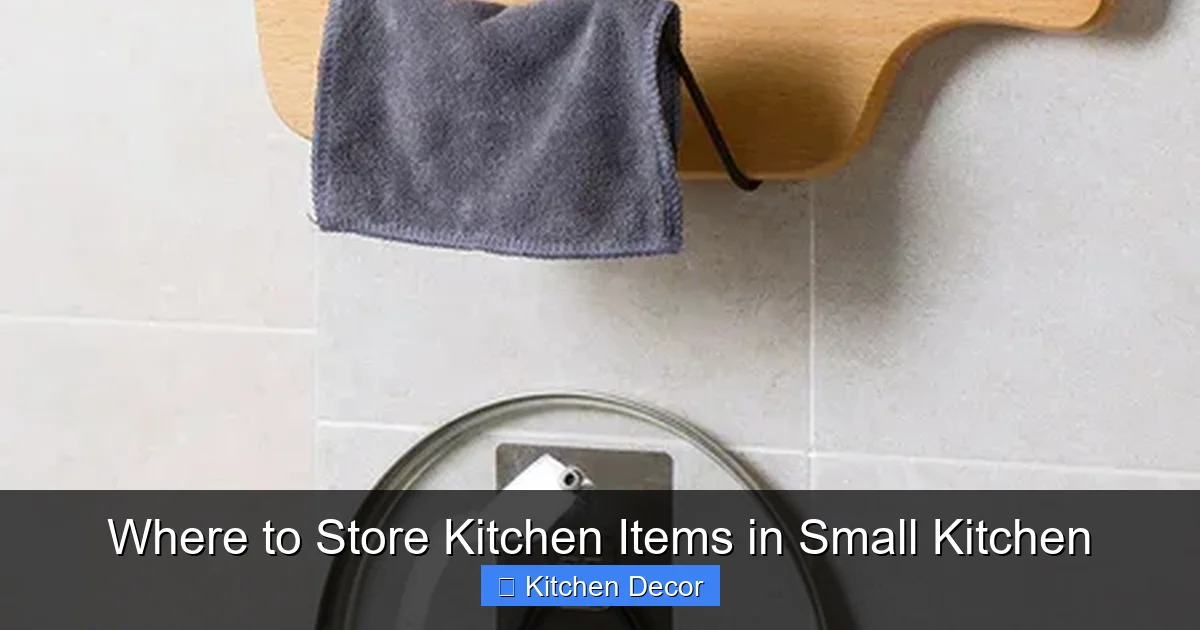
Visual guide about Where to Store Kitchen Items in Small Kitchen
Image source: cdn.shopify.com
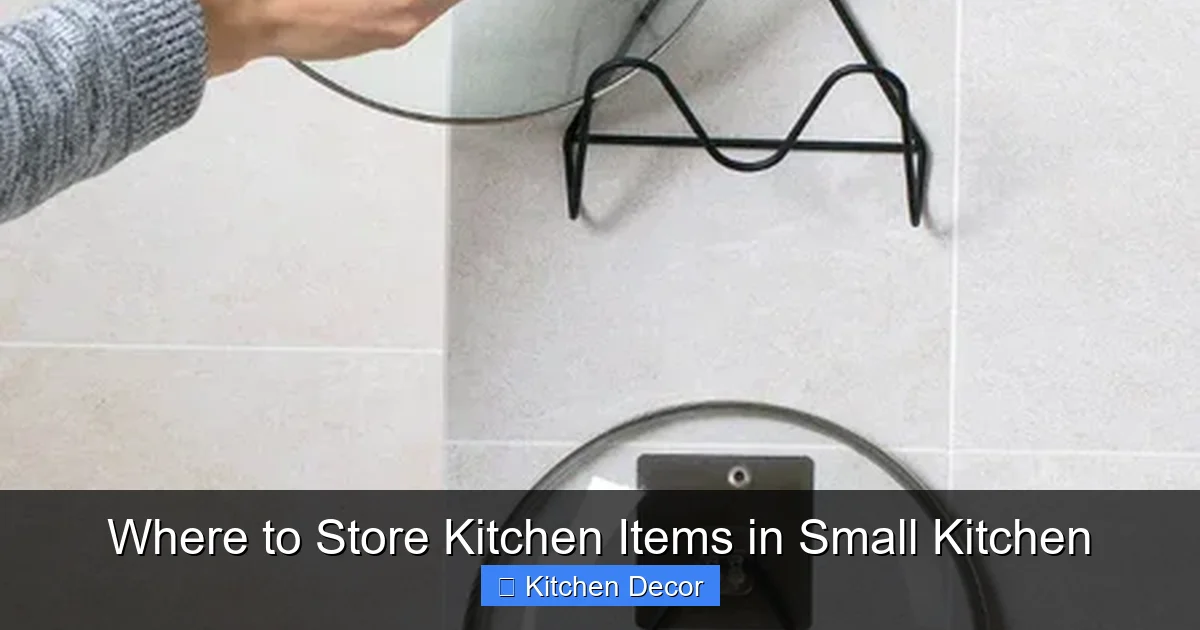
Visual guide about Where to Store Kitchen Items in Small Kitchen
Image source: gizmodern.com
“My Kitchen Looks Cluttered Even When Organized!”
Visual clutter can make a small kitchen feel busy and unorganized. Focus on creating visual uniformity. Decant items into matching clear containers, use consistent colors for organizers, and hide as much as possible behind cabinet doors. Keep countertops as clear as possible. Embrace closed storage over open shelving if the latter leads to a messy look. A cohesive color palette for your kitchen decor can also contribute to a sense of calm and order.
“Things Don’t Stay Organized!”
If your organizational systems are constantly falling apart, they might be too complicated or not practical for your lifestyle. Simplify your systems. Make sure items are stored as close as possible to their point of use (e.g., spices near the stove, dishes near the dishwasher). Involve everyone who uses the kitchen in understanding and maintaining the system. Consistency is key; make it a habit to put things away immediately after use.
Conclusion
Living with a small kitchen doesn’t have to mean living with frustration and clutter. By thoughtfully applying these strategies on where to store kitchen items in small kitchen spaces, you can transform your compact area into a highly functional, efficient, and even beautiful place to cook, eat, and gather.
Remember, the journey begins with decluttering and continues with smart, creative utilization of every available inch – from your walls to the back of your cabinet doors. Embrace vertical storage, optimize your drawer and cabinet interiors, and don’t be afraid to think outside the traditional storage box. With a little planning and consistent effort, your small kitchen will no longer feel like a limitation, but rather a testament to clever design and smart living. Enjoy your newly organized culinary haven!