Why does my kitchen feel cramped even if it’s not tiny? It’s often due to clutter, poor lighting, dark colors, or inefficient storage. This guide offers practical solutions to transform your kitchen, making it feel more spacious and functional. Learn how to declutter, optimize storage, enhance lighting, choose the right colors, and improve visual flow for a comfortable cooking and living space.
Ever walk into your kitchen and just feel… squished? Even if your kitchen isn’t technically tiny, you might often find yourself wondering, why does my kitchen feel cramped? It’s a common frustration, and the good news is that the solution often has less to do with square footage and more to do with how you use and perceive the space.
A cramped kitchen can make cooking a chore, entertaining guests awkward, and simply be an unpleasant place to spend time. It can feel overwhelming, messy, and stressful. You might think the only answer is a costly renovation or moving to a bigger home. But what if we told you that many factors contributing to that “cramped” feeling are entirely within your control?
In this comprehensive guide, we’ll explore the main culprits behind that tight, suffocating sensation in your kitchen. We’ll go step-by-step, providing practical, actionable advice that you can implement right away. From decluttering strategies and smart storage solutions to the power of lighting, color choices, and strategic decor, you’ll learn how to transform your kitchen. Our goal is to help you create a kitchen that not only looks more spacious but also feels open, inviting, and truly a joy to be in. Let’s unlock the potential of your kitchen and make it feel beautifully expansive!
Key Takeaways
- Declutter ruthlessly: The fastest way to create space is to remove unnecessary items from countertops, cabinets, and drawers, ensuring every item has a purpose.
- Optimize storage vertically: Utilize wall space with shelves, racks, and hooks, and implement smart organizers within cabinets to maximize every inch of existing storage.
- Brighten with light and color: Maximize natural light, layer artificial lighting, and choose light, bright paint colors and finishes to make the room feel larger and more open.
- Enhance visual flow: Keep floors clear, use reflective surfaces like stainless steel, and consider open shelving to create an uninterrupted sightline, making the kitchen feel less enclosed.
- Choose smart appliances and furniture: Opt for compact, built-in, or multi-functional items that don’t overcrowd the space, allowing for better movement and utility.
- Embrace strategic decor: Use mirrors to reflect light and space, and select minimalist art or decor that adds character without contributing to visual clutter.
- Regular maintenance is key: Implement daily tidying and seasonal purges to prevent clutter from accumulating again, ensuring your kitchen remains feeling spacious and welcoming.
Step 1: Declutter Ruthlessly to Reclaim Space
One of the quickest and most effective ways to combat the feeling of a cramped kitchen is to declutter. Over time, kitchens tend to accumulate a surprising amount of stuff. From rarely used gadgets to duplicate items, these things eat up valuable space and create visual noise, making your kitchen feel much smaller than it actually is. Begin this process with a critical eye, asking yourself if each item truly earns its spot.
Start with Countertops
Your countertops are prime real estate in the kitchen. Too many appliances, utensil holders, spice racks, or decorative items can instantly make the area feel cluttered and dysfunctional. Consider what you truly use every single day. The toaster, coffee maker, and maybe a knife block are often necessities. Everything else should find a home inside a cabinet or drawer, or be donated/discarded. A clear countertop offers the illusion of more space and makes meal prep much easier. Think about using wall-mounted racks for knives or spices to free up surface area.
Tackle Cabinets and Drawers
Don’t stop at the surface. Open up every cabinet and drawer. You might be surprised by what you find hidden away. Pull everything out and group similar items together. Are there pots and pans you never use? Duplicate sets of measuring cups? Expired food items? Get rid of anything that’s broken, unused, or past its prime. For items you keep, consider how often you use them. Daily items should be easily accessible, while seasonal or special-occasion items can be stored higher up or deeper in cabinets.
Purge Rarely Used Items
This is where ruthless decluttering comes in. Be honest with yourself. That bread maker you used once? The specialized melon baller? If an item hasn’t been used in over a year, chances are you don’t need it. Either donate it, sell it, or store it in a less accessible area (like a basement or garage) if you absolutely can’t part with it. Remember, every item you remove contributes to a more open, less cramped feeling in your kitchen.
Step 2: Optimize Storage Solutions for Efficiency
Once you’ve decluttered, the next step is to make the most of the space you have. Smart storage solutions can dramatically increase your kitchen’s functionality and make it feel less cramped, without adding a single square foot. It’s about thinking vertically and intelligently organizing what you keep.
Visual guide about Why Does My Kitchen Feel Cramped
Image source: i.pinimg.com
Utilize Vertical Space
Walls are often overlooked storage opportunities. Install open shelving above your countertops for frequently used items like plates or glasses, or beautiful cookbooks. This not only adds storage but can also make the room feel more open than solid upper cabinets. Hang pot racks from the ceiling or wall to free up cabinet space. Use hooks for mugs, utensils, or even small pots. Magnetic strips can hold knives, keeping them off the counter and neatly displayed. Stackable shelves or risers inside cabinets can double your storage capacity.
Implement Smart Organizers
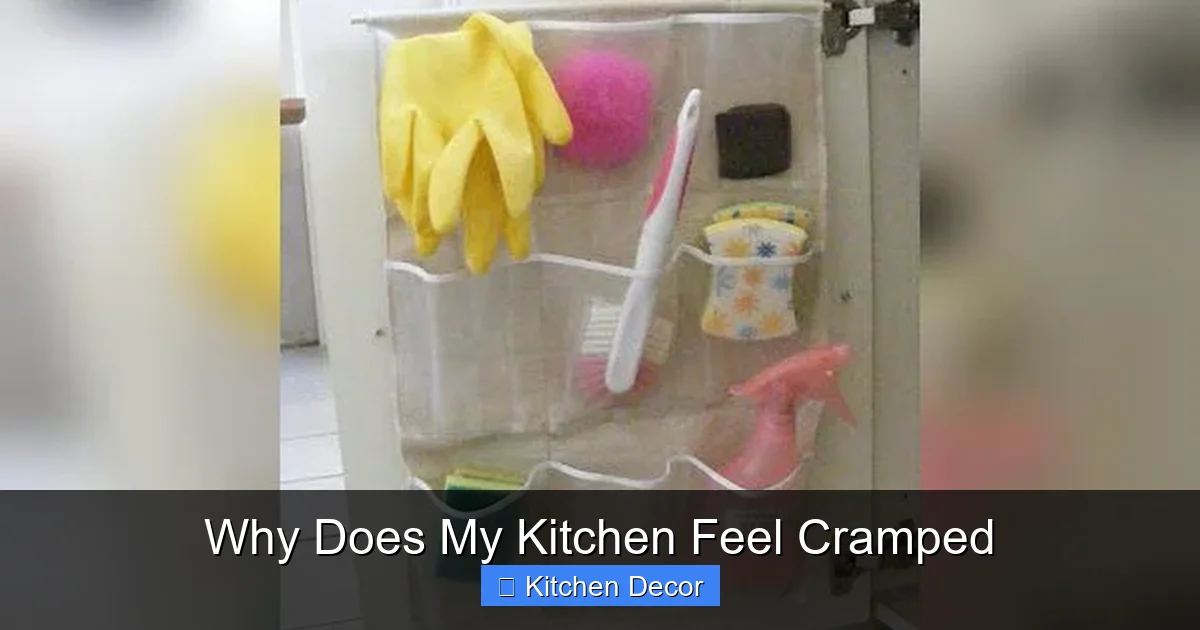
Drawer dividers are your best friend for keeping utensils, foils, and wraps neatly separated. Consider pull-out shelves or Lazy Susans for corner cabinets, making otherwise awkward spaces easily accessible. Door-mounted racks can hold spices, cleaning supplies, or cutting boards. For pantry areas, use clear containers to store dry goods; this not only looks tidy but also makes it easy to see what you have, preventing duplicate purchases and wasted space.
Consider Multi-functional Furniture
In a cramped kitchen, every piece of furniture should earn its keep. An island with built-in shelving, drawers, or a drop-leaf extension can provide extra prep space, storage, and even a dining area when needed. Bar carts can serve as movable islands, extra counter space, or a serving station. Benches with hidden storage under the seat are also excellent for maximizing utility in dining nooks.
Step 3: Master the Art of Lighting
Lighting plays a crucial role in how a space feels. A poorly lit kitchen can feel dark, dingy, and incredibly cramped, even if it’s quite large. By contrast, a well-lit kitchen feels airy, spacious, and inviting. It’s not just about brightness; it’s about layering different types of light.

Visual guide about Why Does My Kitchen Feel Cramped
Image source: uptowncraftworks.com
Maximize Natural Light
If you have windows, make the most of them! Keep window treatments minimal and light-colored. Sheer curtains or simple blinds allow privacy without blocking precious daylight. Ensure windows are clean to let in as much light as possible. If possible, avoid placing tall furniture or appliances directly in front of windows that could obstruct light flow.
Layer Artificial Lighting
Good kitchen lighting consists of three layers: ambient, task, and accent.
- Ambient Lighting: This is your general overhead light. Recessed lighting, flush-mount fixtures, or a central pendant light provide overall illumination. Dimmers are a fantastic addition, allowing you to adjust the mood.
- Task Lighting: Crucial for functional areas. Under-cabinet lighting illuminates countertops, making prep work safer and more pleasant. Pendant lights over an island or peninsula also serve as excellent task lighting.
- Accent Lighting: Used to highlight specific features, like open shelving or artwork. Small spotlights or LED strips can add depth and interest, preventing your kitchen from feeling flat and enclosed.
Combining these layers ensures every corner of your kitchen is adequately lit, making the whole space feel larger and more open.
Add Reflective Elements
Mirrors aren’t just for bathrooms and bedrooms. A well-placed mirror can reflect light, both natural and artificial, making a kitchen feel brighter and more expansive. Consider a large mirror on an empty wall or incorporate mirrored backsplashes. Additionally, shiny surfaces like stainless steel appliances, chrome fixtures, or glass cabinet doors can help bounce light around the room, contributing to a more open feel.
Step 4: Choose Colors Wisely to Expand the Space
The colors you choose for your kitchen can have a profound impact on its perceived size and mood. Dark, heavy colors tend to absorb light and make walls feel closer, contributing to a cramped feeling. Lighter colors, on the other hand, reflect light and create an illusion of openness.

Visual guide about Why Does My Kitchen Feel Cramped
Image source: i.pinimg.com
Opt for Light and Bright Hues
White, off-white, light grays, and pale pastels are your best friends in a small or cramped kitchen. These colors reflect light, making walls recede and ceilings appear higher. Paint your walls, cabinets, and even the ceiling in light tones for a seamless, expansive look. If an all-white kitchen feels too stark, warm whites or light greiges can offer a softer, more inviting atmosphere without sacrificing the feeling of space.
Use Monochromatic Schemes
Keeping your color palette consistent throughout the kitchen helps create a unified look. When there are fewer sharp contrasts in color, the eye flows smoothly around the room, making it feel less chopped up and therefore more spacious. For example, use different shades of white and cream for walls, cabinets, and even the backsplash. You can add texture through materials rather than relying on contrasting colors to create interest.
Add Pops of Color Strategically
While a light base is key, you don’t have to live in a bland space. Introduce small pops of color through accessories. A vibrant bowl of fruit, colorful dishtowels, a bright plant, or a piece of art can add personality without overwhelming the space. The key is moderation; too many colorful items can quickly negate the spacious feel you’re trying to achieve.
Step 5: Select Space-Saving Appliances and Furniture
The physical objects in your kitchen take up tangible space. Choosing the right size and type of appliances and furniture can make a huge difference in how cramped your kitchen feels. Every inch counts, so smart selections are vital.
Downsize When Possible
Do you really need that enormous refrigerator if you live alone or in a small household? Compact dishwashers, narrower refrigerators, or even combination microwave-convection ovens can save significant floor and counter space. Measure your available space carefully and choose appliances that fit well without overwhelming the room. Built-in options can also provide a sleek, integrated look that saves space.
Look for Built-in or Integrated Options
Integrated appliances, where they are concealed behind cabinet panels, create a seamless, uncluttered look. This reduces visual breaks and makes the kitchen appear larger. Similarly, built-in microwaves, ovens, or even coffee makers free up valuable countertop space and streamline the kitchen’s aesthetic. A panel-ready dishwasher can disappear into your cabinetry, enhancing the continuous flow.
Choose Furniture with a Small Footprint
If your kitchen has space for a table or island, select pieces that don’t dominate the room. Round tables are often better in smaller spaces as they don’t have sharp corners to bump into. Slim chairs or stools that can be tucked completely under a counter or table are ideal. Consider clear or lucite chairs; their transparency makes them almost disappear, contributing to an open feel. Drop-leaf tables or wall-mounted folding tables are perfect for occasional use, providing dining space only when needed.
Step 6: Enhance Visual Flow and Openness
Creating an uninterrupted visual path is key to making a kitchen feel less cramped. When your eye can sweep across the room without obstruction, the space naturally feels larger and more harmonious. This involves strategic choices about how you arrange items and what elements you choose to keep.
Keep Floors Clear
Clutter on the floor instantly makes a room feel smaller and harder to navigate. Avoid leaving pet bowls, waste bins, or even rugs that break up the floor space directly in walkways. If you use rugs, choose one large rug that defines an area rather than multiple small ones that can make the floor look fragmented. Keep pathways open and free of obstacles to encourage smooth movement.
Consider Open Shelving
While solid upper cabinets provide excellent storage, they can sometimes feel heavy and blocky, especially in a smaller kitchen. Open shelving, or even just removing a few upper cabinet doors, can make a huge difference. It allows the eye to see through to the wall, creating an illusion of depth and continuity. Just be mindful to keep items on open shelves tidy and aesthetically pleasing to avoid a cluttered look. Display attractive dishes, glassware, or decorative items.
Use Consistent Flooring
If your kitchen opens into another room, try to use the same flooring material throughout both spaces. A continuous floor pattern or material helps to visually connect the rooms, making the entire area feel more expansive. Any sudden changes in flooring can create a visual barrier, making each space feel smaller and more defined.
Step 7: The Power of Mirrors and Minimalist Art
Don’t underestimate the impact of decorative elements. When chosen and placed correctly, they can significantly enhance the feeling of space, preventing your kitchen from feeling cramped.
Strategic Mirror Placement
As mentioned in the lighting section, mirrors are fantastic for reflecting light. A large mirror on an empty wall can not only brighten the space but also create an illusion of depth, making the room seem to extend beyond its actual dimensions. Place it where it can reflect a window or an attractive feature, doubling the visual impact.
Minimalist Art and Decor
While you might be tempted to fill empty wall space, less is often more in a cramped kitchen. Choose one or two carefully selected pieces of art rather than a gallery wall. Opt for pieces with simple lines, light colors, or abstract designs that don’t add visual clutter. A single, striking plant (like an orchid or a small herb garden) can add life without taking up much space. Remember, every decorative item should contribute to the overall feeling of calm and spaciousness.
Step 8: Regular Maintenance and Habits
All the effort you put into decluttering and optimizing your kitchen will be undone if you don’t maintain good habits. A cramped kitchen often becomes so because of the gradual accumulation of items and lack of daily tidying.
Daily Tidy-Up Routines
Make it a habit to wipe down countertops, load the dishwasher, and put away any stray items at the end of each day. This prevents clutter from accumulating and keeps your kitchen ready for the next day’s activities. A clean and tidy kitchen automatically feels more spacious and inviting.
Seasonal Purges
Just like you spring clean your closet, give your kitchen a deeper clean and purge once or twice a year. Re-evaluate what you own, check expiration dates, and get rid of anything that’s no longer serving a purpose. This helps maintain the spaciousness you’ve worked hard to create.
Troubleshooting: Still Feeling Cramped?
If you’ve followed these steps and your kitchen still feels too tight, don’t despair. Sometimes, underlying issues require a different approach.
Reassess Your Layout
Is your kitchen’s current layout truly efficient? The “work triangle” (refrigerator, sink, stove) should be unobstructed and easy to navigate. If appliances are poorly placed, or if there’s too much walking involved, the kitchen can feel disjointed and inefficient, even if it has adequate space. Consider drawing out your kitchen layout and seeing if there’s a more optimal arrangement for your primary zones.
Consider Professional Help
An interior designer or kitchen planner specializes in optimizing spaces. They can offer fresh perspectives, suggest layout changes, or recommend custom storage solutions that you might not have considered. They often have access to resources and ideas that can transform even the most challenging spaces. Their expertise can be invaluable in making a cramped kitchen feel expansive.
Think About Minor Renovations
While this guide focuses on non-renovation solutions, sometimes a small structural change can make a big difference. This could be removing a non-load-bearing wall to open up the kitchen to another room, enlarging a doorway, or even just replacing bulky overhead cabinets with open shelving or glass-front alternatives. These changes can be more extensive but might be worth it if the cramped feeling persists.
Conclusion
Understanding why does my kitchen feel cramped is the first step toward transforming it. As you’ve seen, making your kitchen feel more spacious and inviting doesn’t always require a major overhaul. By implementing thoughtful decluttering strategies, optimizing your storage, leveraging the power of light and color, and making smart choices about appliances and decor, you can create a kitchen that feels wonderfully open and functional.
Start with one or two changes that resonate most with you, and then gradually work through the other steps. You’ll be amazed at the difference even small adjustments can make. Enjoy the process of reclaiming your kitchen, turning it from a source of frustration into a beautiful, comfortable, and efficient space where you love to cook, gather, and live.