
Is your kitchen feeling gloomy and uninviting? Discover why your kitchen feels dark and learn how to transform it. This comprehensive guide provides actionable steps, from optimizing natural and artificial lighting to choosing bright color palettes and maximizing reflective surfaces, ensuring your kitchen becomes a brighter, more vibrant heart of your home.
Why Does My Kitchen Feel Dark?
Ever walk into your kitchen and feel like you’ve entered a dimly lit cave, even on a sunny day? You’re not alone. Many homeowners struggle with a kitchen that just doesn’t feel bright, inviting, or spacious. A dark kitchen can impact your mood, make cooking a chore, and even make the space seem smaller than it is. It’s a common complaint, and fortunately, it’s often a problem with many practical and beautiful solutions.
If you’ve found yourself asking, “Why does my kitchen feel dark?” then you’ve come to the right place. This comprehensive guide will walk you through all the potential reasons your kitchen might be lacking light and, more importantly, provide you with step-by-step instructions and actionable tips to transform it into a bright, cheerful, and welcoming hub for your home. We’ll cover everything from maximizing natural light and optimizing artificial illumination to choosing the right colors, materials, and decor.
Get ready to shine a spotlight on your kitchen’s potential!
Key Takeaways
- Assess Natural Light: Identify and eliminate obstructions to maximize incoming sunlight. Prune outdoor foliage and opt for light, minimal window treatments to let more natural light stream in.
- Implement Layered Lighting: Combine ambient (general), task (focused), and accent (decorative) lighting to create a well-lit and functional kitchen. Pay attention to bulb color temperature, lumen output, and CRI for optimal brightness and accurate color rendering.
- Embrace a Light Color Palette: Choose light, reflective colors for walls, ceilings, cabinets, countertops, and flooring. Lighter hues bounce light around the room, making it feel larger and brighter.
- Maximize Reflective Surfaces: Incorporate elements like mirrors, stainless steel appliances, polished finishes, and glass to reflect light and amplify brightness throughout your kitchen space.
- Declutter and Simplify: Reduce visual clutter on countertops and in open shelving. A clean, organized kitchen feels more open and allows light to travel unimpeded, preventing that “dark” feeling.
- Utilize Strategic Decor: Opt for minimalist, light-colored furniture, transparent elements, and metallic accents. Even small decorative choices can significantly contribute to a brighter kitchen environment.
Step 1: Assess Your Natural Light Sources
The first step to banishing that “dark kitchen” feeling is to understand how much natural light your space receives and identify any obstacles. Natural light is the most desirable form of illumination, offering a warmth and vibrancy that artificial light often struggles to replicate.
Understand Your Windows and Their Orientation
Take a good look at your kitchen windows. How many do you have? How large are they? The size and number of windows are primary factors. Also, consider their orientation:
- North-facing windows offer consistent, soft light throughout the day, but it can feel cooler and less intense.
- South-facing windows provide intense, direct light for most of the day, which can be great but also create glare and heat.
- East-facing windows bring in bright morning light.
- West-facing windows deliver warm, often intense, afternoon and evening light.
The orientation will influence the quality and quantity of natural light your kitchen receives, and thus, why your kitchen feels dark at certain times.
Identify and Eliminate External Obstructions
Sometimes, the problem isn’t inside your kitchen but outside it. Are there large trees, overgrown shrubs, a neighbor’s fence, or even an awning blocking light from reaching your windows?
- Prune Trees and Shrubs: If foliage is blocking your windows, consider trimming branches or pruning shrubs to allow more light to penetrate. This simple step can make a huge difference in how bright your kitchen feels.
- Consider Awnings: If you have an awning, evaluate whether it’s truly necessary. If it blocks too much light, especially during darker months, consider removing it or replacing it with a lighter, retractable option.
Address Internal Obstructions and Window Treatments
Even if you have ample windows, what’s covering them can significantly reduce light. Heavy, dark, or layered window treatments are common culprits for why a kitchen feels dark.
- Lighten Window Treatments: Replace heavy drapes or dark blinds with sheer curtains, light-colored cellular shades, or minimalist roller blinds. The goal is to maximize light while still maintaining privacy.
- Raise Blinds/Curtains Higher: Install curtain rods several inches above the window frame and extend them beyond the frame. This allows curtains to be pulled completely clear of the window, exposing the maximum glass area.
- Clean Windows Regularly: This might seem obvious, but dirty windows can dramatically diminish the amount of light entering your kitchen. Regular cleaning can instantly make your kitchen feel brighter.
Step 2: Evaluate Your Artificial Lighting Strategy
Even with abundant natural light, a well-designed artificial lighting plan is crucial, especially for evenings or overcast days. A poorly lit kitchen is a primary reason why a kitchen feels dark.

Visual guide about Why Does My Kitchen Feel Dark
Image source: uptowncraftworks.com
Understanding Layered Lighting
The secret to a bright, functional kitchen is layered lighting. This means combining different types of light fixtures to serve various purposes:
- Ambient Lighting: This is your general, overall illumination. It lights the entire room evenly. Examples include recessed lights, flush-mount fixtures, or track lighting. Without good ambient light, your kitchen will always feel dark.
- Task Lighting: Focused lighting for specific work areas, like countertops, the sink, and the stove. This is critical for safety and efficiency while cooking. Under-cabinet lighting, pendant lights over an island, or directional spotlights are excellent task lighting options.
- Accent Lighting: This is decorative lighting used to highlight architectural features, artwork, or collectibles. It adds depth and visual interest to your kitchen, preventing it from feeling flat or sterile. Examples include picture lights, small spotlights, or in-cabinet lighting.
Choosing the Right Fixtures
The type and placement of your fixtures play a huge role in brightening your kitchen:
- Recessed Lighting: These lights are installed flush with the ceiling, offering a clean, unobtrusive look. They provide excellent ambient lighting when spaced correctly. Use several smaller lights rather than a few large ones for more even illumination.
- Under-Cabinet Lighting: A must-have for any kitchen, especially if your kitchen feels dark. These strip lights illuminate your countertops, eliminating shadows cast by overhead fixtures and making prep work much easier and safer. They can be hardwired or plug-in.
- Pendant Lights: Perfect for task lighting over an island, peninsula, or dining area. They also serve as decorative elements, adding style and a focal point to your kitchen.
- Flush-Mount or Semi-Flush Mount Fixtures: Good for general ambient lighting in kitchens with lower ceilings where recessed lights aren’t feasible or desired. Look for fixtures with multiple bulbs or clear/frosted glass to maximize light dispersion.
- Wall Sconces: Can add both ambient and accent lighting, particularly in areas like a breakfast nook or along an empty wall.
Selecting the Perfect Light Bulbs
It’s not just about the fixtures; the bulbs themselves are crucial to how bright your kitchen feels. Look at three key factors:
- Color Temperature (CCT): Measured in Kelvins (K), this determines the “warmth” or “coolness” of the light.
- 2700K-3000K: Warm white, yellowish light, similar to incandescent bulbs. Good for a cozy, inviting feel.
- 3500K-4000K: Neutral white, brighter, and more energetic. Often recommended for kitchens as it provides good task lighting without being too harsh.
- 5000K-6500K: Cool white or daylight, mimicking natural daylight. Very bright and crisp, but can sometimes feel sterile if not balanced.
For most kitchens, a range of 3500K to 4000K is ideal for general lighting, with perhaps slightly warmer task lighting if desired.
- Lumen Output: This measures the brightness of the bulb. Don’t rely on wattage, as LED bulbs produce more light with less wattage. For a kitchen, aim for 30-40 lumens per square foot for ambient lighting, plus additional lumens for task areas. If your kitchen feels dark, chances are you don’t have enough lumens.
- Color Rendering Index (CRI): This measures how accurately a light source reveals the true colors of objects compared to natural daylight. A higher CRI (80+) is important in a kitchen so that food looks appealing and colors are rendered faithfully.
Smart Lighting Controls and Dimmers
Installing dimmer switches allows you to adjust the light intensity throughout the day, creating different moods and saving energy. Smart lighting systems can also be programmed to adjust automatically, ensuring your kitchen is always perfectly lit, combating that “kitchen feel dark” issue.
Step 3: Rethink Your Color Palette
Colors have a powerful psychological effect and can dramatically influence how light or dark a room feels. Darker colors absorb light, while lighter colors reflect it.

Visual guide about Why Does My Kitchen Feel Dark
Image source: housenotebook.com
Walls and Ceiling
This is often the easiest and most impactful change if your kitchen feels dark.
- Light Neutrals: Opt for whites, off-whites, very light grays, pale blues, or soft greens. These colors reflect light, making the room appear larger and brighter.
- Reflective Paint Finishes: Use eggshell, satin, or semi-gloss paint finishes. They have a slight sheen that helps reflect light, unlike matte finishes which absorb it.
- Ceiling Lighter Than Walls: Painting the ceiling a lighter shade than the walls (often pure white) creates an illusion of height and openness, preventing the room from feeling “closed in”.
Cabinets
Your cabinets take up a significant amount of visual space. If they’re dark, they’re likely a major reason why your kitchen feels dark.
- Light-Colored Cabinets: White, off-white, light gray, or pale wood-toned cabinets (like natural maple or birch) are excellent choices. They reflect light and create an airy feel.
- Glass-Front Cabinets: Incorporate some cabinets with glass fronts. These break up the visual weight of solid cabinetry and allow light to pass through, making the space feel more open.
- Open Shelving: Replace some upper cabinets with open shelving. This reduces the bulky feel of wall-to-wall cabinetry and allows light to flow freely. Ensure the items on the shelves are neatly organized and light-colored.
Countertops and Backsplashes
These horizontal and vertical surfaces also contribute to the overall brightness.
- Light, Reflective Materials: Choose light-colored quartz, marble, granite, or laminate for countertops. For backsplashes, consider light subway tiles, glass tiles, or even a mirrored backsplash. These materials will bounce light around, helping your kitchen feel bright.
Flooring
While often overlooked, your flooring choice can impact the brightness of your kitchen.
- Lighter Flooring: Opt for lighter wood tones, light-colored tiles, or even light vinyl or laminate. Dark floors can ground a space but can also absorb a lot of light, contributing to a gloomy atmosphere.
- Avoid Heavy Patterns: Busy, dark patterns on floors can make a room feel smaller and busier, further accentuating the feeling of a dark kitchen.
Step 4: Maximize Reflection and Openness
Beyond colors, strategic use of materials and space can make a small or dark kitchen feel significantly brighter and more expansive.
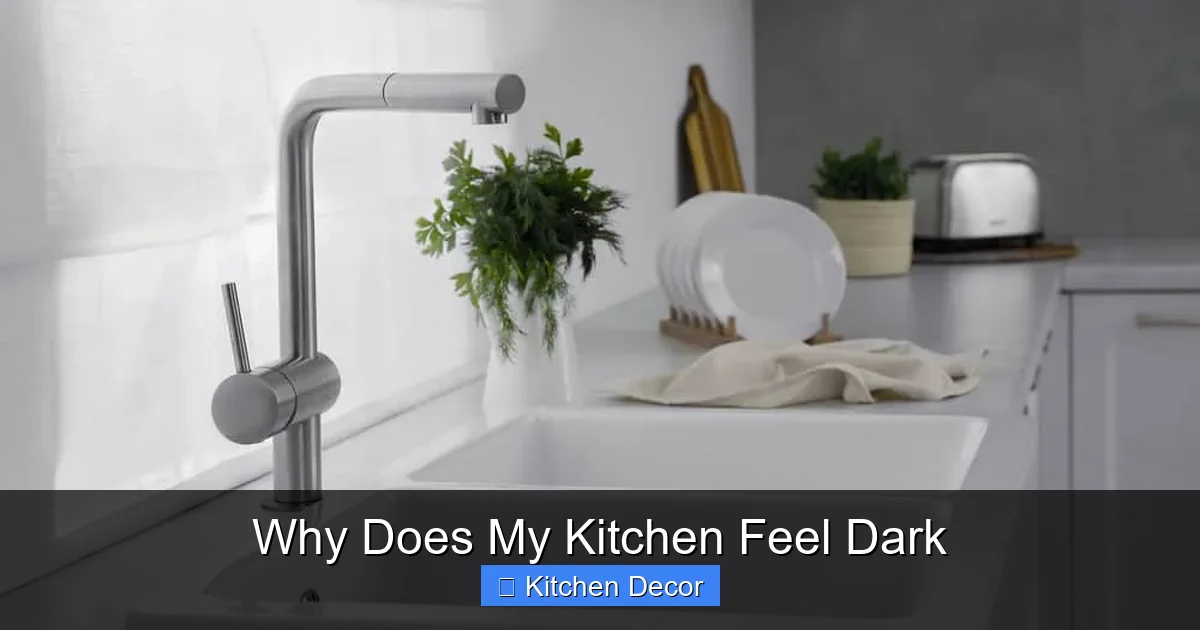
Visual guide about Why Does My Kitchen Feel Dark
Image source: mrkitchenfaucets.com
Strategic Use of Mirrors
Mirrors are not just for bathrooms and bedrooms; they are powerful tools for brightening a kitchen.
- Place Strategically: Position mirrors on a wall opposite a window to reflect natural light. A mirrored backsplash can also work wonders, bouncing light across the countertops.
- Mirror Panels: Consider using mirrored panels on cabinet doors or as part of a wall treatment to create depth and reflect light.
Decluttering Your Space
A cluttered kitchen feels cramped, busy, and naturally darker. Visual clutter absorbs light and creates a sense of heaviness.
- Clear Countertops: Remove unnecessary appliances, utensils, and decorative items from your countertops. Only keep essential, frequently used items out.
- Organize Cabinets and Drawers: When everything has a place, it’s easier to keep surfaces clear. This also reduces visual noise and makes the whole kitchen feel lighter and more orderly.
- Minimize Wall Decor: While a few pieces of art are fine, avoid overcrowding your walls with too many shelves or heavy decorative items.
Embracing Open Shelving and Glass
We touched on this with cabinets, but it’s worth emphasizing for overall openness.
- Open Shelving: By replacing upper cabinets with open shelves (or even just removing cabinet doors), you visually lighten the space. Ensure the items on the shelves are neatly arranged and preferably light-colored.
- Glass Elements: Beyond cabinet doors, consider glass tabletops for a breakfast nook, glass pendant shades, or glass partitions if you have a partial wall. These allow light to pass through, maintaining an open feel.
Polished and Metallic Surfaces
Shiny surfaces act like mini-mirrors, reflecting light around the room.
- Stainless Steel Appliances: The reflective quality of stainless steel appliances can significantly contribute to brightening your kitchen.
- Polished Fixtures: Choose faucets, cabinet hardware, and light fixtures with polished chrome, nickel, or brass finishes rather than matte or brushed options.
- Glossy Backsplashes/Countertops: High-gloss finishes on tiles or countertops will reflect light more effectively than matte ones.
Step 5: Choose the Right Furniture and Decor
Even your furniture and small decorative items can influence how light or dark your kitchen feels. Every element contributes to the overall ambiance.
Light and Airy Furniture
If you have a kitchen island, dining table, or stools, consider their visual weight.
- Slim Profiles: Opt for kitchen stools or chairs with thin legs and open backs rather than heavy, upholstered pieces. Transparent acrylic or light-colored wooden stools are excellent choices.
- Open Base Islands: If your island has an open base with shelves rather than solid cabinetry, it will feel less imposing and allow light to flow through the space.
Minimalist Approach to Decor
Less is often more, especially in a kitchen that feels dark.
- Curated Pieces: Instead of many small knick-knacks, choose a few larger, impactful decorative pieces that are light in color or reflective.
- Avoid Heavy Textiles: Steer clear of heavy, dark tablecloths, rugs, or seat cushions. Opt for light, airy fabrics in pale colors.
Step 6: Integrate Strategic Accessories
The final touches can make a significant difference in brightening up your kitchen and giving it that fresh, inviting feel.
Add Greenery
Living plants bring life, color, and a sense of freshness to any space.
- Potted Herbs: A small herb garden on the windowsill or countertop adds a touch of green and a pleasant aroma.
- Small Houseplants: A few well-placed small houseplants can break up the monotony of hard surfaces and introduce a natural element that feels bright and lively.
Metallic Accents
Beyond appliances and fixtures, small metallic accents can subtly reflect light.
- Bowls and Trays: A polished chrome fruit bowl, a brass utensil holder, or a silver tray can catch and reflect light, adding sparkle.
- Decorative Objects: A few strategically placed metallic decorative objects can enhance the brightness without overwhelming the space.
Thoughtful Artwork and Wall Decor
The art you choose can also contribute to the overall brightness.
- Light-Themed Art: Choose artwork with bright colors, white backgrounds, or themes of nature and light.
- Reflective Frames: Opt for frames with metallic finishes or light-colored wood to complement the artwork and reflect light.
Troubleshooting Common Issues
Sometimes, even after implementing these changes, you might still feel your kitchen isn’t as bright as you’d like. Here are a few common scenarios and how to address them.
“I’ve tried everything, and my kitchen still feels dark!”
If you’ve gone through all these steps and still ask, “Why does my kitchen feel dark?”, it might be time for a professional eye or a slightly different perspective.
- Consult a Lighting Designer: A professional lighting designer can assess your kitchen’s unique challenges and propose creative, often surprising, solutions. They can recommend specific fixtures, placements, and bulb types you might not have considered.
- Consider Structural Changes (if possible): In extreme cases, if budget and structure allow, you might consider larger renovations like adding a skylight, expanding a window, or even removing a non-load-bearing wall to open up the kitchen to an adjacent brighter room.
- Embrace the Coziness: If your kitchen is simply inherently dark (e.g., in an interior space with no exterior walls), sometimes it’s best to lean into a cozy, intimate ambiance rather than fighting for brightness. Use warm, soft lighting, comfortable textures, and rich, inviting colors to create a snug retreat.
Dealing with Rental Restrictions
If you’re renting, major renovations aren’t usually an option. But you can still make a significant impact to address why your kitchen feels dark.
- Portable Lighting: Invest in plug-in under-cabinet lighting, floor lamps, or table lamps for countertops. Battery-operated puck lights can also be discreetly placed.
- Temporary Solutions: Use peel-and-stick wallpaper or contact paper in light colors for backsplashes or cabinet interiors. Replace heavy rental window treatments with your own lightweight, sheer ones (store the originals to put back when you move).
- Light Accessories: Focus on light-colored rugs, towels, and dishware. These small changes add up.
Budget-Friendly Brightening
You don’t need a huge budget to brighten a dark kitchen. Many solutions are quite affordable.
- Paint is Powerful: A fresh coat of light paint on the walls and ceiling is often the most cost-effective and impactful change you can make.
- Bulb Upgrade: Swapping out old, dim bulbs for new, brighter, higher CRI LED bulbs in the right color temperature is a quick and inexpensive fix.
- Declutter for Free: Clearing clutter costs nothing but time and instantly makes your kitchen feel more spacious and lighter.
- DIY Under-Cabinet Lighting: Many affordable, easy-to-install, plug-in LED strip lights are available that can be installed without an electrician.
Conclusion
A kitchen that feels dark doesn’t have to be a permanent reality. By understanding the reasons behind the gloom and systematically applying the strategies outlined in this guide, you can transform your kitchen into a vibrant, well-lit, and utterly inviting space. From maximizing every sliver of natural light to carefully planning your artificial illumination, selecting reflective surfaces, and embracing a light, airy aesthetic, each step contributes to creating a kitchen you’ll love to spend time in.
So, take a deep breath, look around your kitchen with a fresh perspective, and get ready to banish the shadows. With a little effort and thoughtful design, your kitchen will soon be radiating warmth and brightness, proving that a dark kitchen can indeed become a wonderfully luminous one!