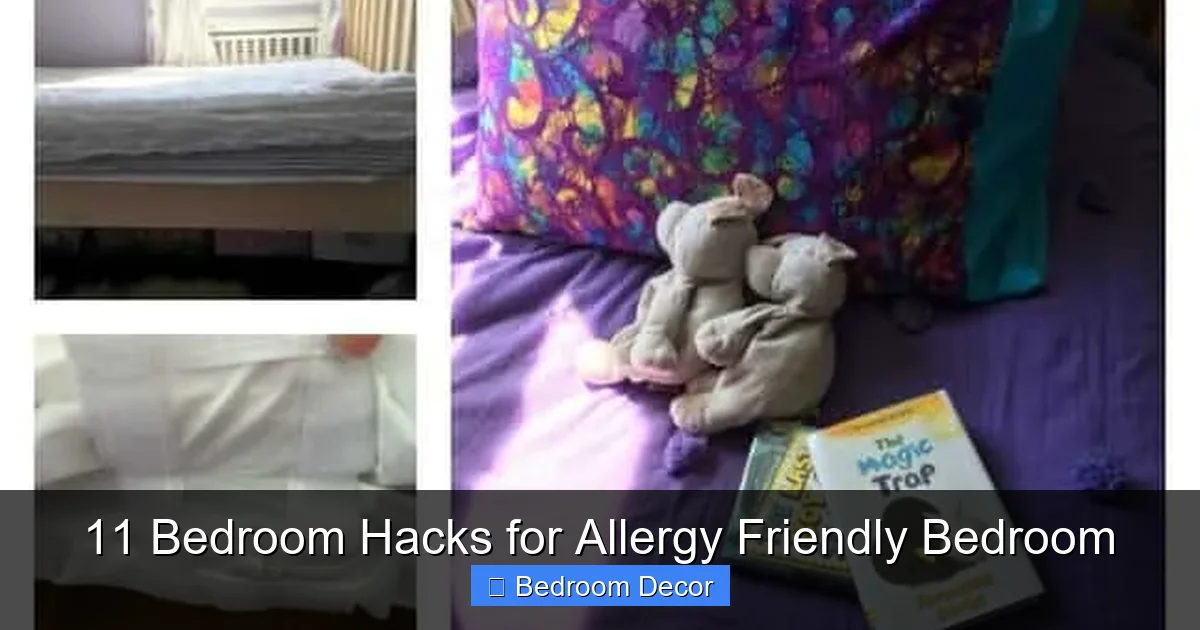
Transforming your bedroom into an allergy-friendly sanctuary is easier than you think. This guide reveals 11 practical hacks, from using allergy-proof bedding and purifying the air to strategic cleaning and pet management, ensuring a healthier sleeping environment. Implement these simple changes to significantly reduce allergens and enjoy restorative, sneeze-free sleep, making your bedroom truly an allergy friendly bedroom.
11 Bedroom Hacks for Allergy Friendly Bedroom
Do you wake up feeling congested, with itchy eyes, or a runny nose? Your bedroom, the place you spend a third of your life, might be the culprit. It’s often a hidden haven for allergens like dust mites, pet dander, pollen, and mold spores. But don’t worry! Creating an allergy friendly bedroom doesn’t have to be a monumental task. With a few smart strategies and consistent effort, you can transform your sleeping space into a true sanctuary.
This comprehensive guide will walk you through 11 powerful bedroom hacks designed to significantly reduce allergens and help you breathe easier, sleep better, and wake up refreshed. We’ll cover everything from bedding choices to cleaning routines and air quality management. Get ready to turn your bedroom into the ultimate allergy friendly haven!
Key Takeaways
- Encase and Wash: Protect your mattress and pillows with allergy-proof covers and wash all bedding frequently in hot water to eradicate dust mites and other allergens.
- Optimize Air Quality: Incorporate a HEPA air purifier into your allergy friendly bedroom and maintain indoor humidity levels between 30-50% to prevent mold and dust mite proliferation.
- Simplify and Declutter: Minimize surfaces where dust and allergens can settle by decluttering your bedroom and opting for easy-to-clean furnishings and window treatments.
- Strategic Cleaning: Adopt a systematic top-to-bottom cleaning routine, utilizing a HEPA vacuum and damp cloths, to effectively capture and remove allergens without spreading them.
- Pet Management: Establish clear boundaries for pets, ideally keeping them out of your allergy friendly bedroom, to significantly reduce pet dander and associated allergens.
HACK 1: Invest in Allergy-Proof Bedding Encasements
The number one enemy in most bedrooms? Dust mites. These microscopic creatures thrive in warm, humid environments and feed on dead skin cells. Your mattress and pillows are their favorite hotels. The best defense is a good offense: allergy-proof encasements.
Choose Certified Encasements
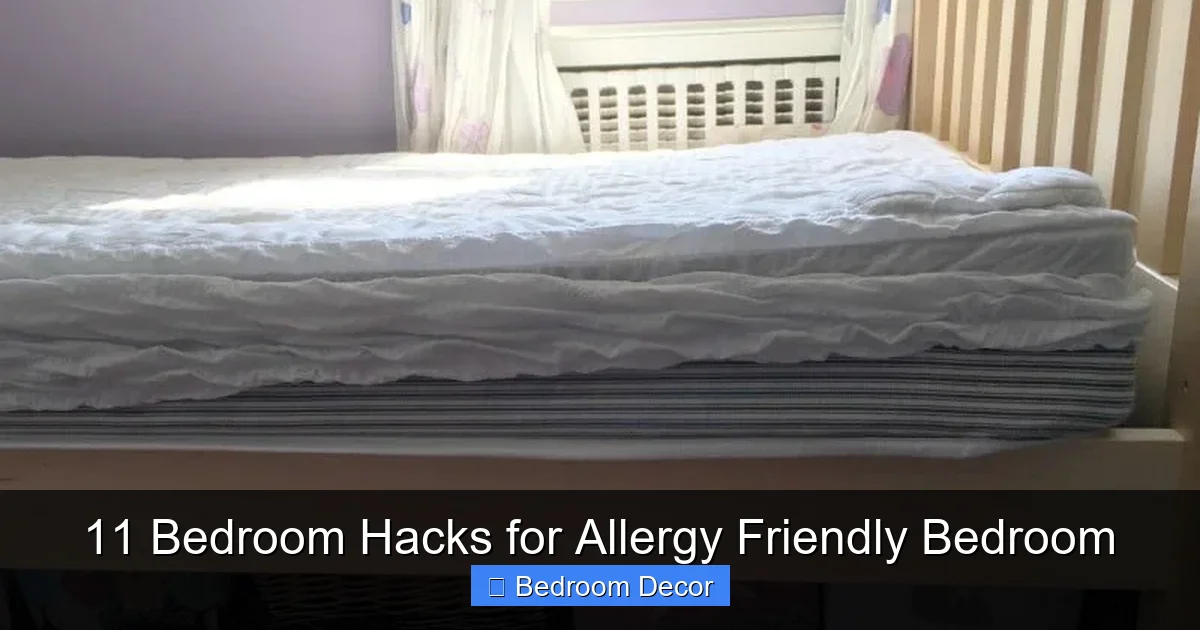
Look for covers that are specifically labeled “allergy-proof” or “dust mite proof.” These are typically made from tightly woven fabric that dust mites cannot penetrate. They create a barrier between you and the allergens residing within your mattress and pillows. Don’t forget your duvet or comforter – they need encasements too!
Proper Application
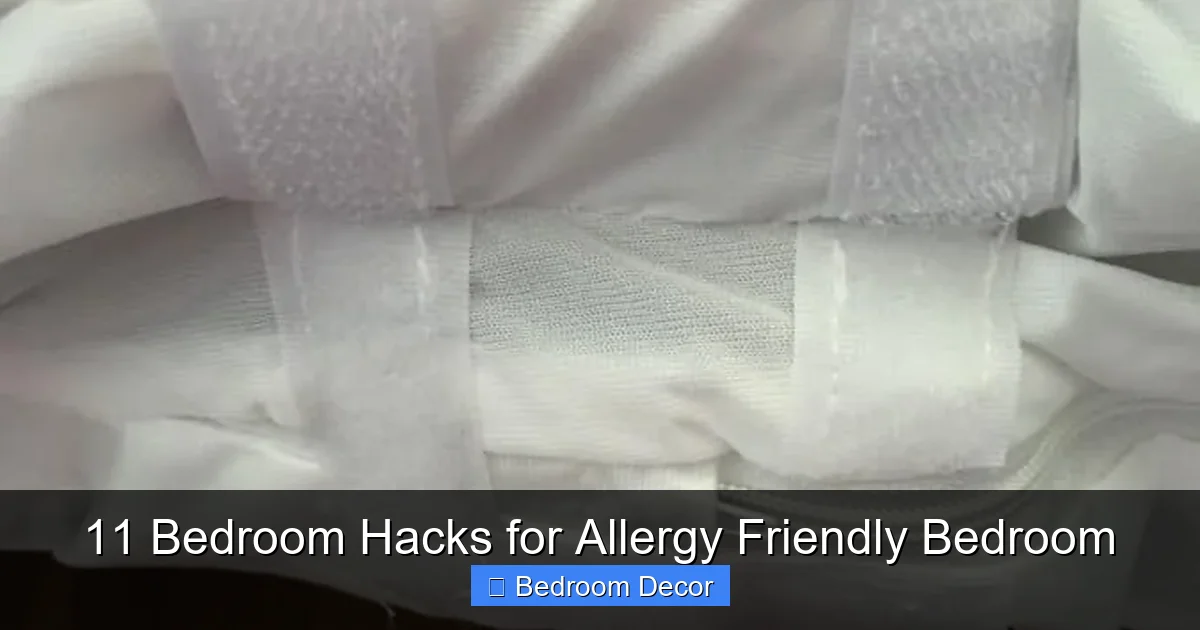
Wash your mattress and pillow encasements according to their instructions before the first use. Then, carefully zip them over your mattress, pillows, and duvet. Ensure there are no gaps or tears. Once enclosed, these items are protected, and you’re no longer exposed to the mites living inside. This is a foundational step for an allergy friendly bedroom.
HACK 2: Wash Bedding Frequently and Thoroughly
Visual guide about 11 Bedroom Hacks for Allergy Friendly Bedroom
Image source: thismamaloves.com
Even with encasements, your sheets, pillowcases, and uncovered blankets still collect dust mites, pet dander, and pollen. Regular washing is crucial for an allergy friendly bedroom.
Hot Water is Your Friend
Wash all your bedding – sheets, pillowcases, and duvet covers – at least once a week in hot water. The water temperature should be at least 130°F (54°C) to effectively kill dust mites. If your washing machine doesn’t have a hot enough setting, consider adding a laundry booster designed for allergens.
Dry on High Heat
After washing, tumble dry your bedding on a high heat setting. This further helps to kill any remaining dust mites and ensures your bedding is completely dry, preventing mold growth. If you line dry, be mindful of pollen counts, as freshly washed sheets can collect pollen outdoors.
HACK 3: Choose Hypoallergenic Bedding Materials
Visual guide about 11 Bedroom Hacks for Allergy Friendly Bedroom
Image source: thismamaloves.com
Beyond encasements, the materials your actual bedding is made from can make a big difference in creating an allergy friendly bedroom.
Opt for Tightly Woven Fabrics
Materials like silk, bamboo, Tencel, and certain synthetic blends are naturally more resistant to dust mites and are less likely to trap allergens. They are often smoother and have a tighter weave than traditional cotton, making it harder for allergens to settle. Look for these “hypoallergenic” labels when shopping for sheets, blankets, and even decorative throws.
Consider Allergen-Resistant Fillings
When buying new pillows or duvets, choose those filled with synthetic fibers or natural materials like silk that are less appealing to dust mites than traditional down or feather fillings. If you love the feel of down, ensure it’s certified hypoallergenic and frequently washed. An allergy friendly bedroom benefits greatly from these choices.
HACK 4: Purify Your Air with an Air Cleaner
Visual guide about 11 Bedroom Hacks for Allergy Friendly Bedroom
Image source: thismamaloves.com
Even with diligent cleaning, microscopic allergens can linger in the air. An air purifier can significantly improve your indoor air quality and contribute to an allergy friendly bedroom.
Invest in a HEPA Filter
A high-efficiency particulate air (HEPA) filter is a must-have for anyone seeking an allergy friendly bedroom. These filters can capture at least 99.97% of airborne particles 0.3 microns in size, including dust mites, pollen, pet dander, and mold spores. Place the air purifier in your bedroom and let it run, especially when you’re sleeping.
Maintenance is Key
Remember to change the HEPA filter according to the manufacturer’s instructions. A dirty filter can become a breeding ground for bacteria or mold, and an old filter won’t effectively clean the air. Regular filter replacement ensures your air purifier remains an effective tool in your fight against allergens.
HACK 5: Declutter for Dust-Free Surfaces
Every item in your bedroom, especially open shelves filled with books, decorative knick-knacks, and piles of clothes, acts as a magnet for dust and allergens. Simplifying your space is a crucial step towards an allergy friendly bedroom.
Minimize Your Belongings
Take a critical look at what’s in your bedroom. Do you really need all those decorative items? Books are notorious dust collectors. Store items in closed containers or drawers rather than on open shelves. Less stuff means fewer surfaces for dust to settle on.
Keep Surfaces Clear
Aim for clear surfaces on your nightstands, dressers, and windowsills. The fewer items you have to move, the easier and quicker your dusting routine will be. This makes maintaining an allergy friendly bedroom much more manageable.
HACK 6: Conquer Dust Mites with Smart Flooring Choices
Carpets are a notorious allergen trap, harboring dust mites, pet dander, pollen, and mold. If you’re serious about an allergy friendly bedroom, your flooring choice matters.
Hardwood is Best
Ideally, replace wall-to-wall carpeting with hard-surface flooring like hardwood, laminate, tile, or vinyl. These surfaces are much easier to clean and don’t provide the cozy, fibrous environment that dust mites love.
Washable Rugs if Necessary
If hard floors aren’t an option or you love the warmth of a rug, choose small, washable area rugs. Opt for low-pile rugs made from synthetic fibers. Wash them regularly (at least monthly) in hot water, just like your bedding. This ensures they don’t become an allergen reservoir in your allergy friendly bedroom.
HACK 7: Manage Window Treatments Wisely
Heavy drapes and blinds can accumulate significant amounts of dust and allergens. Choosing the right window treatments and cleaning them regularly is vital for an allergy friendly bedroom.
Opt for Washable Blinds or Curtains
Instead of heavy, non-washable fabric drapes, choose lightweight, machine-washable curtains or blinds that can be easily wiped down. Roller blinds, vertical blinds, or simple cotton/synthetic curtains are excellent choices.
Clean Them Frequently
Wash your washable curtains every 2-4 weeks, especially during peak allergy seasons. For blinds, wipe them down weekly with a damp cloth to remove accumulated dust. This prevents allergens from settling and then being disturbed into the air every time you open or close your windows.
HACK 8: Establish a “No Pets on the Bed” Rule
We love our furry friends, but pet dander is a major allergen source. If you suffer from pet allergies, your bedroom needs to be a pet-free zone, especially your bed.
Keep Pets Out of the Bedroom
The most effective strategy for an allergy friendly bedroom when you have pets is to simply keep them out. Close your bedroom door at all times. This prevents pet dander, hair, and saliva from accumulating on your bedding and surfaces.
Designated Pet Areas
If keeping your pet out of the bedroom entirely isn’t feasible, at least enforce a strict “no pets on the bed” rule. Provide a comfortable pet bed or blanket on the floor for them, and wash their bedding frequently to manage dander. Regular grooming and bathing of your pet can also help reduce dander.
HACK 9: Control Humidity and Temperature
Dust mites and mold thrive in specific conditions. Controlling your bedroom’s environment is a powerful hack for an allergy friendly bedroom.
Maintain Optimal Humidity
Dust mites flourish in humidity levels above 50%. Aim to keep your bedroom’s humidity between 30-50%. A dehumidifier can be very effective in humid climates. Use a hygrometer to monitor the humidity level. Lower humidity helps to dehydrate and kill dust mites.
Keep it Cool
While dust mites prefer warmer temperatures, keeping your bedroom comfortably cool (around 68-72°F or 20-22°C) can also contribute to a less hospitable environment for them and improve sleep quality. Ensure good ventilation, especially after showering, to prevent moisture buildup.
HACK 10: Clean Strategically, Top-to-Bottom
Your cleaning routine isn’t just about how often you clean, but how you clean. An effective strategy prevents stirring up more allergens than you remove.
Dust Before You Vacuum
Always dust surfaces *before* vacuuming. Start at the highest points in the room (e.g., ceiling fan, top of tall furniture) and work your way down. This allows any dislodged dust to settle on the floor, where it can then be captured by the vacuum.
Use a Damp Cloth
When dusting, use a damp cloth or a microfiber cloth specifically designed to trap dust. Dry dusting can simply spread allergens around. Wipe down all hard surfaces, including nightstands, dressers, shelves, and window sills, weekly. This is crucial for maintaining an allergy friendly bedroom.
HEPA Vacuum is Essential
Use a vacuum cleaner equipped with a HEPA filter. This ensures that the vacuum traps tiny allergen particles rather than releasing them back into the air. Vacuum your floors (and washable rugs) at least once or twice a week.
HACK 11: Maintain Your HVAC System and Vents
Your heating, ventilation, and air conditioning (HVAC) system can be a major source of allergens if not properly maintained.
Change Filters Regularly
Replace your HVAC filters at least every 1-3 months, and more frequently if you have pets or severe allergies. Look for filters with a high MERV (Minimum Efficiency Reporting Value) rating (11 or higher is good for allergies) to better capture small particles. This helps circulate cleaner air throughout your allergy friendly bedroom.
Clean Vents and Ducts
Periodically clean the supply and return vents in your bedroom. Wipe them down with a damp cloth to remove accumulated dust. Consider having your air ducts professionally cleaned every few years, especially if you’ve recently moved into a new home or had renovations. This prevents a buildup of allergens and ensures your HVAC system isn’t blowing them into your bedroom.
Conclusion
Creating an allergy friendly bedroom is a journey, not a one-time fix. By implementing these 11 practical hacks, you’re taking significant steps toward reducing allergens and improving your overall well-being. From investing in allergy-proof bedding and strategic cleaning to managing air quality and pet dander, each hack contributes to a healthier, more comfortable sleeping environment.
Don’t feel overwhelmed – start with one or two changes and gradually incorporate more into your routine. Consistency is key. Soon, you’ll be enjoying the profound difference an allergy friendly bedroom can make, leading to better sleep, fewer symptoms, and a happier, healthier you. Breathe easier and reclaim your restful nights!