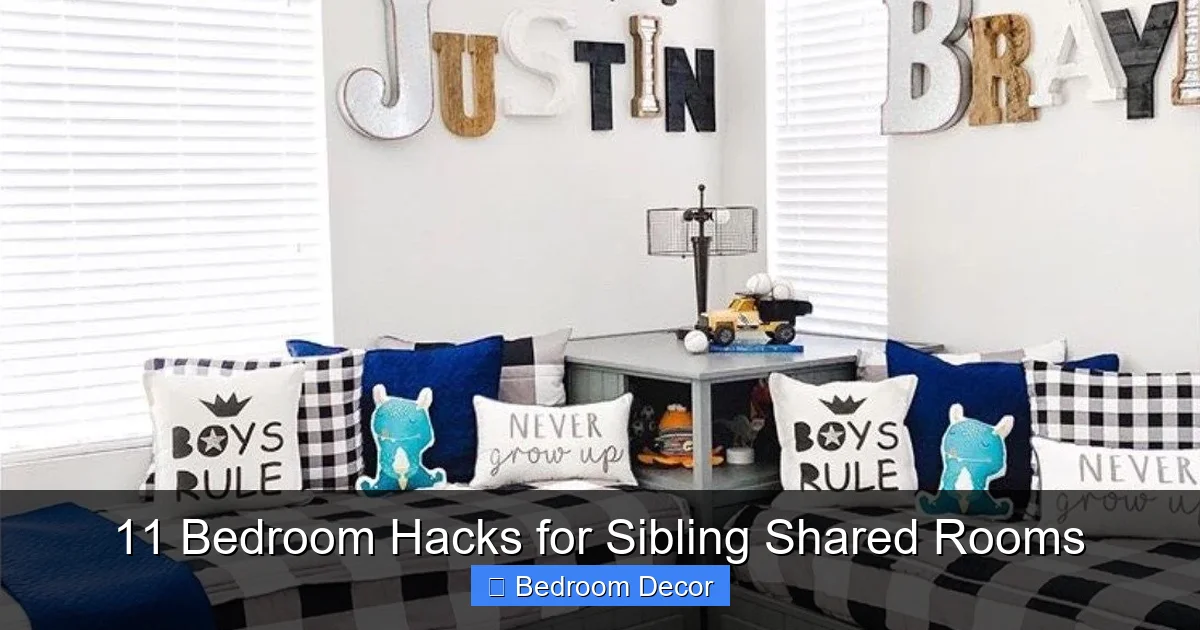
Transforming a shared sibling room can be a challenge, but with smart design and clever strategies, it’s entirely possible to create a harmonious and functional space. This guide provides 11 practical bedroom hacks to help siblings coexist peacefully, ensuring everyone has their own corner while making the most of the available space. Learn how to maximize storage, define personal zones, and reduce conflicts with creative solutions for shared bedrooms.
11 Bedroom Hacks for Sibling Shared Rooms
Sharing a bedroom with a sibling can be a fantastic adventure, fostering strong bonds, collaboration, and compromise. However, it can also come with its fair share of challenges: limited space, differing personalities, noise levels, and the constant negotiation over “my side” versus “your side.” If you’re looking for ways to transform a potentially chaotic shared space into a harmonious haven where each child feels respected and comfortable, you’ve come to the right place.
This comprehensive guide will walk you through 11 ingenious bedroom hacks designed specifically for sibling shared rooms. We’ll cover everything from clever space-saving solutions and smart storage ideas to creating individual zones and fostering a sense of peace and privacy. By the end, you’ll have a toolkit of practical tips to help your children not just coexist, but thrive in their shared environment. Let’s dive into making your sibling shared room a dream come true!
Key Takeaways
- Define Personal Zones: Clearly delineate individual spaces using rugs, furniture, or color to give each sibling a sense of ownership and privacy within the shared room.
- Maximize Vertical Space: Utilize bunk beds, loft beds, and wall-mounted shelving to free up floor space, providing more room for play, study, and storage in shared bedrooms.
- Implement Smart Storage: Choose furniture with built-in storage, use under-bed bins, and vertical organizers to keep clutter at bay and maintain order in a busy sibling shared room.
- Encourage Personalization: Allow each child to decorate their own section with their preferred colors, posters, and accessories, fostering individuality and reducing feelings of being overlooked.
- Address Noise & Privacy: Incorporate sound-dampening elements like thick curtains, rugs, or white noise machines, and create visual dividers to offer moments of quiet and personal retreat.
- Establish Clear Rules: Work with siblings to create a set of shared room rules regarding tidiness, quiet times, and personal belongings to minimize conflicts and promote respect.
- Optimize Furniture Placement: Arrange furniture strategically to ensure smooth traffic flow, easy access to essentials, and a balanced layout that benefits both occupants of the shared room.
1. Define Personal Zones with Purpose
One of the biggest pain points in a sibling shared room is the lack of personal space. Establishing clear boundaries, even in a small room, can significantly reduce arguments and give each child a sense of ownership. These bedroom hacks are all about creating distinct “territories.”
Use Rugs to Delineate Spaces
Placing individual rugs for each child or using one large rug with a distinct pattern can visually mark their areas. This is especially effective in open floor plans. A rug underneath a bed or a desk instantly says, “This is my spot.”
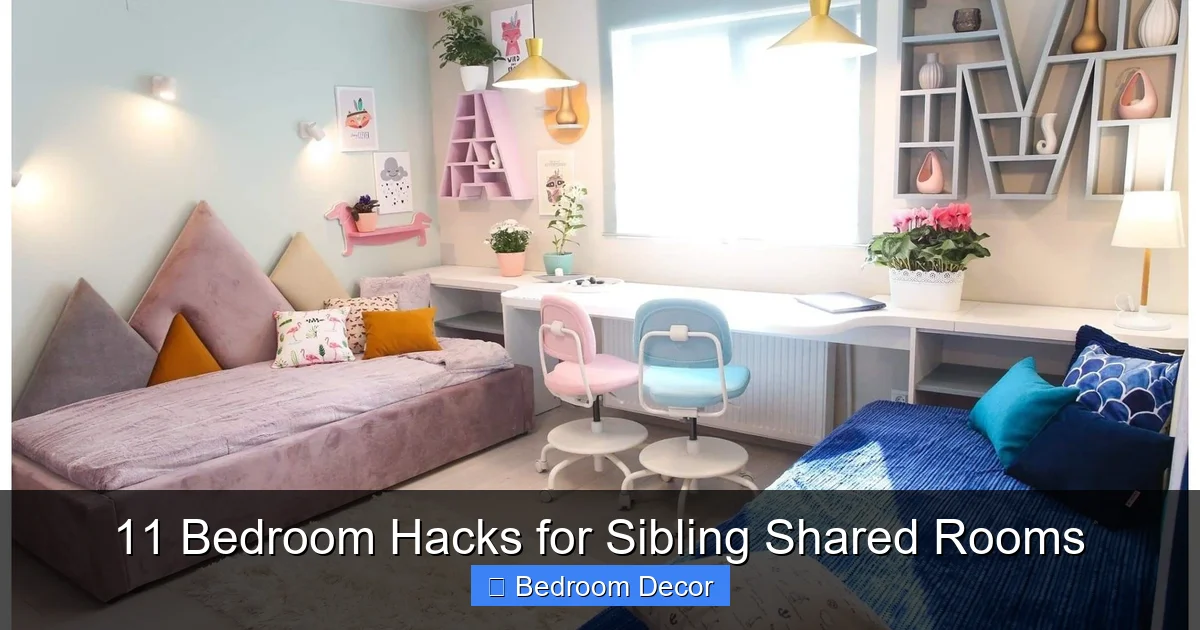
Furniture as Natural Dividers
A tall bookshelf, a chest of drawers, or even a desk can act as a subtle barrier. Position a bookshelf between two beds to create a visual break, offering a semblance of privacy. Ensure the furniture is sturdy and anchored to the wall for safety.
Color-Coded Walls or Accessories
If painting is an option, consider painting each child’s wall section a different, complementary color. If not, use color in their bedding, throw pillows, storage bins, or wall art. For example, one sibling might have blue accents while the other has green, clearly marking their belongings and space.
2. Maximize Vertical Space with Clever Furnishings
When floor space is limited, the only way to go is up! Utilizing vertical space is one of the most effective bedroom hacks for any small room, especially a sibling shared room.
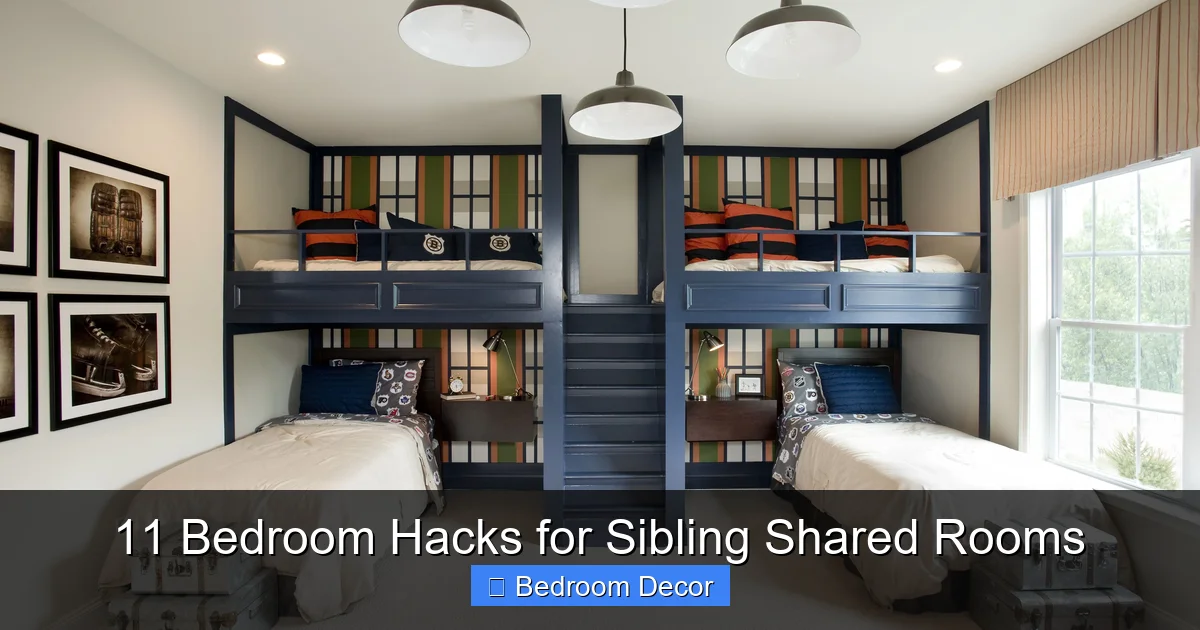
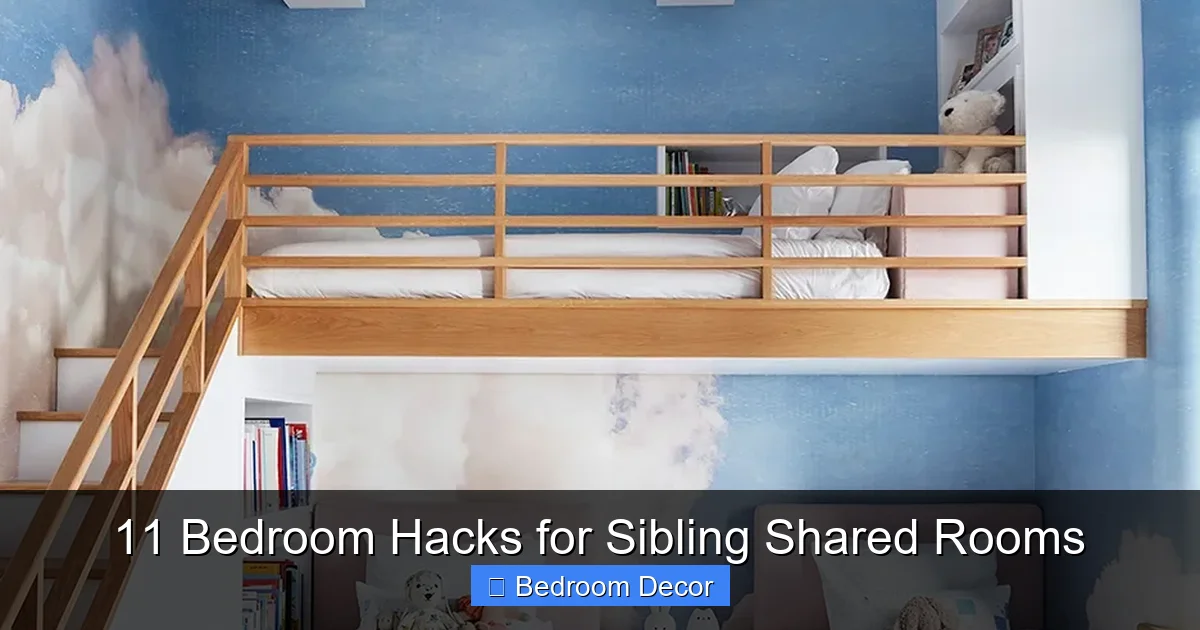
Embrace Bunk Beds or Loft Beds
This is the classic shared room solution for a reason. Bunk beds stack sleeping areas, immediately freeing up significant floor space. Loft beds go a step further, lifting a bed high enough to create an entire functional area underneath – perfect for a desk, a reading nook, or extra storage. You can even find bunk beds that have a desk built into the bottom, maximizing every inch.
Visual guide about 11 Bedroom Hacks for Sibling Shared Rooms
Image source: i.pinimg.com
Install Wall-Mounted Shelving
Instead of bulky bookshelves taking up floor space, install floating shelves or wall-mounted cubbies above desks or beds. These are ideal for books, small toys, display items, and personal treasures. Make sure they are installed securely and within easy reach.
Utilize Tall, Slim Storage Units
Choose wardrobes or shelving units that are tall and narrow rather than wide and short. This offers maximum storage capacity while occupying a minimal footprint. Look for units that can be customized with adjustable shelves or drawers.
3. Implement Clever Storage Solutions Everywhere
Clutter is the enemy of harmony in a sibling shared room. Smart storage is not just about having places for things; it’s about making it easy to put things away and keep them organized. These bedroom hacks will help keep the peace.
Under-Bed Storage Drawers or Bins
The space under the bed is often overlooked. Invest in rolling drawers or flat storage bins that slide neatly underneath. These are perfect for seasonal clothes, extra bedding, toys, or craft supplies, keeping them out of sight but easily accessible.
Visual guide about 11 Bedroom Hacks for Sibling Shared Rooms
Image source: i.pinimg.com
Built-in Storage Furniture
Consider beds with built-in drawers or desks with integrated shelving. Bench seats with lift-up lids or storage ottomans can also serve a dual purpose: seating and storage. Every piece of furniture should earn its keep by offering storage solutions.
Vertical Organizers for Doors and Walls
Over-the-door organizers with pockets are excellent for shoes, small toys, school supplies, or accessories. Wall-mounted pegboards or fabric organizers can hold art supplies, headphones, or charging cables, keeping surfaces clear and tidy.
4. Smart Lighting Choices for Individual Needs
Imagine one child wants to read while the other wants to sleep. Traditional overhead lighting won’t cut it. Individual lighting is one of the essential bedroom hacks for shared spaces.
Provide Individual Task Lighting
Each bed should have its own reading light, whether it’s a wall-mounted sconce, a clip-on light, or a small bedside lamp. This allows one sibling to have light without disturbing the other. Dimmable options are a bonus.
Visual guide about 11 Bedroom Hacks for Sibling Shared Rooms
Image source: domino.com
Install Dimmers on Overhead Lights
If you only have one main light source, install a dimmer switch. This allows you to adjust the brightness, creating a softer ambiance when one child is winding down or if they just need a little light for general tasks without it being overly bright.
Night Lights with Sensors
For younger siblings, a gentle night light can provide comfort. Choose ones with motion sensors or automatic timers to ensure they’re only on when needed, saving energy and avoiding unnecessary light pollution.
5. Personalize with Decor While Maintaining Cohesion
While defining zones is important, ensuring each child can express their personality within their designated area is crucial. These bedroom hacks encourage individuality.
Allow Each Child to Choose Their Wall Art
Within their personal zone, let each child select a poster, a piece of artwork, or a photo collage that reflects their interests. This gives them a sense of ownership and personal touch in the sibling shared room.
Personalized Bedding and Accessories
This is an easy way to inject personality. Let them choose their own duvet covers, throw pillows, and even a small blanket. Coordinate colors loosely to maintain a sense of overall harmony, but allow for distinct patterns or themes.
Create a “Gallery Wall” for Each
Dedicate a section of the wall to each sibling where they can display their trophies, awards, drawings, or photos. Use consistent frames for a polished look, but let the content be entirely theirs.
6. Create a “Quiet Corner” or Sensory Space
Sometimes, siblings just need a moment to themselves, away from the hustle and bustle of shared life. Even in a small sibling shared room, these bedroom hacks can carve out such a space.
Designate a Reading Nook
If space allows, a comfy bean bag chair, a small armchair, or even just a large floor cushion in a corner can become a dedicated reading spot. Add a small bookshelf or a basket for books and a personal light.
Use a Canopy or Tent for Retreat
For younger children, a bed canopy or a small pop-up tent can create an instant private hideaway. It provides a visual barrier and a sense of enclosure, perfect for quiet play or a moment of calm.
Sensory-Friendly Items
Include items like fidget toys, weighted blankets (if appropriate and safe), or noise-canceling headphones for moments when a child needs to decompress or focus without distraction from their sibling.
7. Soundproofing Savvy for Peace and Quiet
Noise is a common source of conflict in a sibling shared room. While full soundproofing might be out of reach, these bedroom hacks offer practical ways to mitigate noise.
Install Thick Curtains or Drapes
Heavy, lined curtains can do wonders for absorbing sound, both from outside the room and within. They also help block light, which is great for different sleep schedules.
Lay Down Area Rugs or Wall-to-Wall Carpeting
Hard floors amplify sound. Adding soft elements like rugs or carpeting helps absorb footsteps, dropped toys, and general chatter, making the room feel quieter and cozier.
Consider a White Noise Machine
A white noise machine can mask various sounds, from a sibling rustling in bed to outside noises. It creates a consistent, soothing background hum that can help both children sleep more soundly and concentrate better.
8. Establish Shared Rules and Responsibilities
It’s not just about the physical space; it’s about how siblings interact within it. These are crucial “social” bedroom hacks for shared harmony.
Collaborate on Room Rules
Sit down with your children and create a set of agreed-upon rules for their shared space. Discuss topics like tidiness, quiet times, respecting each other’s belongings, and asking permission. When they participate in creating the rules, they’re more likely to follow them.
Assign Chores and Responsibilities
Divide room-cleaning tasks fairly. One sibling might be responsible for making their bed and tidying their side, while the other handles putting away shared toys and emptying the small trash can. Rotate tasks regularly to ensure fairness.
Implement a “Respect for Property” Policy
Clearly state that personal belongings are off-limits without permission. Have designated storage for individual items, reinforcing the idea that some things are private.
9. Smart Furniture Placement for Flow and Functionality
The way furniture is arranged can dramatically impact the feel and functionality of a sibling shared room. These bedroom hacks optimize the layout.
Create Clear Pathways
Ensure there’s enough room to walk comfortably around beds, desks, and storage units. Avoid blocking windows or doors. A well-planned layout prevents tripping hazards and makes the room feel larger.
Position Desks for Focus
If two desks are needed, try to place them so siblings aren’t facing each other directly, which can lead to distractions. Facing walls or having a divider between them can aid concentration. Ensure good lighting for both.
Keep the Center Clear
Whenever possible, aim to keep the center of the room open for play or movement. Push beds and larger furniture against walls to maximize this central activity zone.
10. DIY Dividers and Screens for Visual Separation
Sometimes, a solid wall isn’t an option, but a visual break can make all the difference. These bedroom hacks provide creative and flexible partitioning.
Use Curtains or Fabric Panels
Hang curtains from the ceiling on a tension rod or a track to create a flexible room divider. They can be pulled open for shared time and closed for privacy. Choose light-colored fabric to avoid making the room feel too dark or small.
Rolling Room Dividers or Screens
Portable folding screens or room dividers can be moved as needed. They offer a temporary visual barrier for changing clothes, quiet time, or when one sibling has a friend over.
Tall Plants as Green Dividers
For a more natural and aesthetically pleasing option, tall, non-toxic plants can create a subtle, living divider between zones. Ensure they are placed safely and are easy to care for.
11. Embrace Theme and Cohesion for a Harmonious Look
While individual personalization is important, a shared theme can bring the whole sibling shared room together and make it feel like a unified space, rather than two separate rooms awkwardly joined.
Choose a Broad, Appealing Theme
Instead of specific character themes, opt for broader concepts like “adventure,” “nature,” “space,” “cityscape,” or even just a color palette (e.g., “cool blues and greens,” “warm earth tones”). This allows for individual interpretation while maintaining cohesion.
Select Complementary Color Palettes
Allow each child to choose their favorite color, then find ways to incorporate both into a larger, harmonious palette. For example, if one loves blue and the other loves yellow, you might use a neutral base like grey or white and accent with shades of teal (blue+green) and mustard (yellow+brown) to bridge the gap.
Coordinate Large Furniture Pieces
While bedding and decor can vary, try to keep larger furniture pieces (beds, dressers, desks) consistent in style or finish. This creates a foundation of order and unity, even if the smaller details differ. These bedroom hacks create a calming overall impression.
Conclusion
Creating a functional, fun, and peaceful sibling shared room doesn’t have to be a daunting task. By implementing these 11 bedroom hacks, you can tackle common challenges head-on, turning potential conflicts into opportunities for growth and cooperation. From maximizing every inch of space to fostering individuality and establishing clear boundaries, these strategies are designed to help your children not only share a room but truly enjoy their time together and have a comfortable space to call their own. With a little creativity and thoughtful planning, your sibling shared room can become a source of joy and cherished memories for years to come.