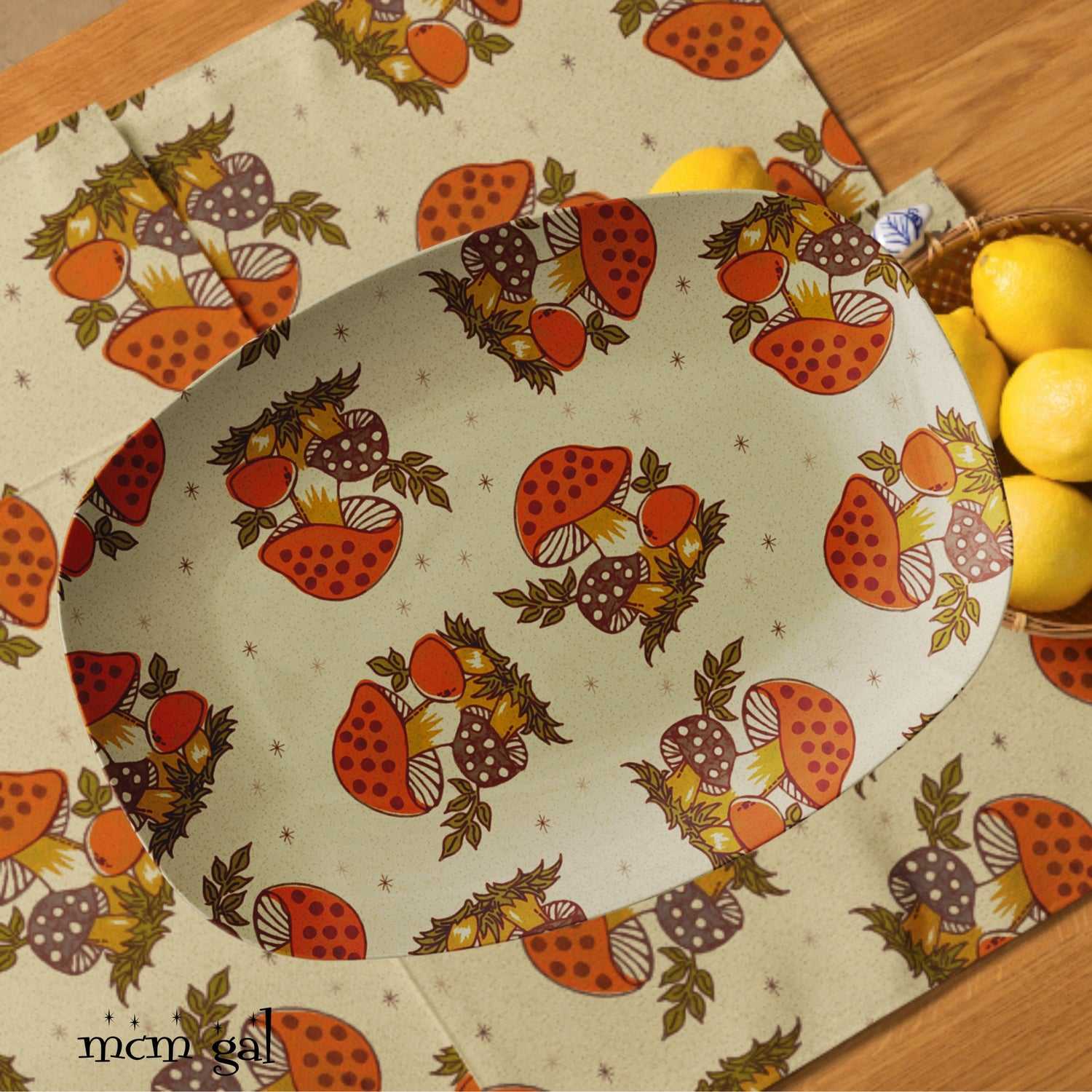
If you’re looking to give your kitchen a retro twist inspired by the vibrant and eclectic styles of the 1970s, you’re in for a treat! This decade was all about bold colors, funky patterns, and unique textures. Think avocado greens, mustard yellows, and bright oranges that bring a cheerful vibe to your space. Incorporating elements like laminate countertops, open shelving, and vintage appliances can help you achieve that authentic 70s feel. Don’t forget about the accessories; consider using geometric prints or adding a touch of macramé to enhance the nostalgia. With a little creativity and a nod to the past, you can transform your kitchen into a groovy haven that celebrates the spirit of the 1970s.

“`html
Exploring 1970s Kitchen Decor
The 1970s was a unique decade that left its mark on kitchen decor. Home design in this era featured vibrant colors, innovative materials, and distinct styles that still inspire today. Let’s dive into the captivating world of 1970s kitchen decor and uncover what made it so special.
Color Palettes of the 1970s
One of the most striking aspects of 1970s kitchen decor was its use of vivid colors. Gone were the days of muted tones. Instead, the decade brought bold hues that added personality to kitchens.
- Avocado green
- Harvest gold
- Burnt orange
- Bright yellows
These colors often appeared in appliances, wall paint, and even countertops. The idea was to create a warm and inviting atmosphere, where families could gather and create memories.
Popular Materials
Kitchens in the 1970s also showcased unique materials that set the tone for the decade. One of the most notable was **plastic laminate**.
- Countertops were often made of plastic laminate, offering vibrant colors and patterns.
- Vinyl flooring became a staple, with bold patterns and easy maintenance.
- Wood paneling was popular, creating a cozy feel in kitchens.
These materials not only enhanced the aesthetic but also provided practicality for everyday use.
Appliance Trends
The appliances of the 1970s were truly a sight to behold. They were bigger, bolder, and often came in unconventional colors.
- Kitchen appliances frequently matched the color of the cabinetry.
- Many homes featured built-in ovens and microwaves, showcasing the rise of convenience.
- Refrigerators were often coated in vibrant hues, becoming focal points in the kitchen.
These appliances reflected the era’s love for innovation and creativity.
Cabinet Styles and Designs
When it came to cabinets, the 1970s offered a diverse range of styles. Many homeowners opted for wood-grain finishes that added a touch of warmth.
- Shaker-style cabinets were popular for their simple yet elegant design.
- Open shelving became trendy, promoting a casual and accessible kitchen environment.
- Boldly painted cabinets in bright colors made a statement and showcased personal style.
These designs allowed homeowners to express their individuality while maintaining functionality.
Countertop Innovations
Countertops in the 1970s saw a shift towards more colorful and patterned options. **Laminate counters** became a popular choice due to their affordability and variety.
- Patterns ranged from floral designs to abstract prints.
- Granite and marble began to be introduced, providing a touch of luxury.
- Colorful tile backsplashes added visual interest and made cleaning easier.
These innovations allowed kitchens to feel lively and unique.
Lighting and Fixtures
Lighting played a crucial role in the overall feel of 1970s kitchens. Homeowners focused on creating a warm and inviting atmosphere.
- Pendant lights with colorful shades were popular choices.
- Fluorescent fixtures illuminated workspace areas and were practical for cooking.
- Decorative chandeliers added elegance to dining areas within the kitchen.
These lighting elements contributed to creating a cozy and functional space.
Wall Treatments
Walls in 1970s kitchens were often adorned with unique treatments. **Wallpaper** took center stage, featuring bold patterns and bright colors.
- Floral and geometric prints were commonly seen on walls.
- Textured wall coverings added depth to the design.
- Ceramic tiles were also used to create stunning backsplashes.
These wall treatments made kitchens feel lively and personal.
Trends in Kitchen Layout
The kitchen layout of the 1970s often focused on functionality and family interaction. Many homes featured open concepts, blending kitchens with dining and living areas.
- Breakfast nooks became popular for casual family dining.
- Island counters allowed for additional workspace and gathering areas.
- Separate prep zones were designed to improve efficiency in cooking.
These layouts encouraged a communal atmosphere, perfect for families.
Incorporating Technology
As technology advanced, kitchens in the 1970s began to integrate more gadgets.
- Microwave ovens became popular, changing how families cooked.
- Food processors and blenders helped simplify meal preparation.
- Dishwashers became essential, providing ease in cleanup.
These innovations made kitchen tasks quicker and more efficient.
Accessories and Decor
Accessories added the finishing touches to 1970s kitchens. Homeowners often chose decorative items that reflected the decade’s aesthetic.
- Brightly colored dishware and cookware showcased personality.
- Wooden bowls and utensils provided a warm, rustic touch.
- Artwork and wall decor featured popular themes of the era, such as nature and abstract designs.
These accessories brought charm and character to the kitchens.
Furniture Choices
The furniture chosen for kitchens during the 1970s was just as important as the decor. Many families opted for casual, comfortable seating options.
- Bar stools became popular at breakfast bars or kitchen islands.
- Dining tables often had bold colors or retro designs.
- Banquette seating was common in breakfast nooks, promoting a cozy atmosphere.
These furniture choices added to the kitchen’s overall vibe.
The Evolution of 1970s Kitchen Decor Today
Today, the 1970s kitchen decor is experiencing a revival. Many homeowners are inspired by the bold aesthetics of the decade but incorporate modern elements.
- Retro appliances are being recreated with modern technology.
- Vintage colors are finding their way back into contemporary kitchen designs.
- Open shelving is returning, showcasing decorative items and cookbooks.
This blend of retro and modern creates unique and inviting spaces.
How to Incorporate 1970s Kitchen Decor
If you’re considering incorporating 1970s kitchen decor into your home, here are some tips:
- Choose a bold color palette that speaks to you.
- Incorporate vintage or retro-style appliances.
- Select materials like laminate and ceramics that reflect the era.
- Mix modern pieces with vintage finds for a unique touch.
These ideas will help you create a warm and inviting kitchen inspired by the vibrant 1970s.
The 1970s kitchen decor remains influential, showcasing bold colors, innovative designs, and a focus on family. By blending retro and modern elements, homeowners can celebrate this unique era while creating functional and stylish spaces. Embracing the spirit of the 1970s can lead to kitchens that are not only beautiful but also create lasting memories for families.
“`
VINTAGE KITCHEN TOUR | 1970s STYLE
Frequently Asked Questions
What color schemes were popular in 1970s kitchen decor?
The 1970s embraced bold and vibrant color schemes. Earthy tones like avocado green, mustard yellow, and burnt orange dominated kitchen designs. These colors were often combined with wood tones, creating a warm and inviting atmosphere. Pastel shades also appeared, especially in the later part of the decade, offering a softer alternative to the bolder hues.
How did appliances influence 1970s kitchen decor?
Appliances from the 1970s played a significant role in kitchen aesthetics. Many manufacturers introduced appliances in fun colors, such as turquoise and harvest gold, that matched the vibrant decor trends. The “kitchen appliance as a fashion statement” trend made kitchens more personalized, allowing homeowners to express their style through their choices in stoves, refrigerators, and dishwashers.
What materials were commonly used in 1970s kitchen design?
In the 1970s, materials such as laminate, plastic, and metals gained popularity. Laminate countertops came in various colors and patterns, often mimicking more expensive materials like marble or wood. Shag carpeting also appeared in some kitchens, adding a unique texture. Wood paneling and cabinetry, often stained in darker tones, complemented the overall cozy and rustic feel of the kitchen.
How did the layout of kitchens change in the 1970s?
Kitchens in the 1970s tended to embrace more open layouts, focusing on creating an inviting space for both cooking and socializing. The concept of the “kitchen as the heart of the home” led to designs that often incorporated breakfast bars, open shelving, and an overall flow that encouraged interaction. This shift reflected changing lifestyles as families started spending more time together in the kitchen.
What types of decor items were popular in 1970s kitchens?
Decor items in 1970s kitchens often included stylish and kitschy accessories. Items like ceramic fruit, decorative canisters, and colorful dishware adorned countertops. Wall art featuring vibrant graphics, such as floral patterns or abstract designs, also became common. Additionally, houseplants and macramé hangers added a touch of greenery and bohemian flair to kitchen spaces.
Final Thoughts
The charm of 1970s kitchen decor continues to resonate today, blending nostalgia with vibrant aesthetics. Bold colors, playful patterns, and unique designs marked this era, making kitchens lively and inviting spaces. Homeowners can draw inspiration from this decade, incorporating retro motifs and earthy palettes into modern designs. Embracing elements of 1970s kitchen decor allows for a fun twist that celebrates both history and creativity.