
Quick Summary:
Strength training is a powerful tool for fat loss. It builds muscle, which boosts your metabolism to burn more calories even at rest. This guide covers 20 effective strength exercises, many doable at home, to help you shed fat and build a stronger body.
Feeling a bit lost on your weight loss journey? You’re not alone. Many people find it confusing to know where to start, especially when it comes to exercise. It can feel like there’s too much information, and not all of it makes sense.

The good news is, it doesn’t have to be complicated. Focusing on strength training is a fantastic way to tackle fat loss. It’s about building a stronger you from the inside out, and we’ll break down exactly how to do it.
This guide is packed with 20 simple yet effective strength training exercises. We’ll show you how to perform them safely, whether you’re at home or in a gym, to help you see real results. Let’s get started on building your best body!
Why Strength Training is Your Fat Loss Secret Weapon
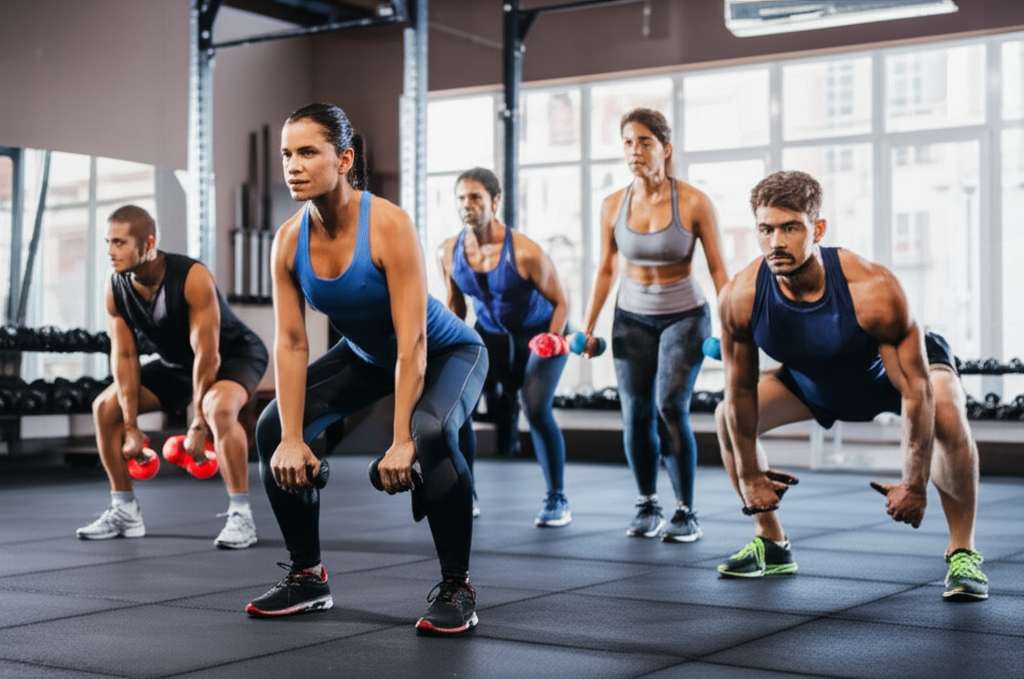
You might think cardio is the only way to burn calories, but strength training plays a huge role in fat loss, too. When you lift weights or do bodyweight exercises, you’re not just toning up; you’re building muscle.
Muscle tissue is metabolically active. This means it burns calories even when you’re not exercising. The more muscle you have, the higher your resting metabolic rate will be. Think of it like upgrading your body’s engine to run more efficiently and burn more fuel (fat) all day long.
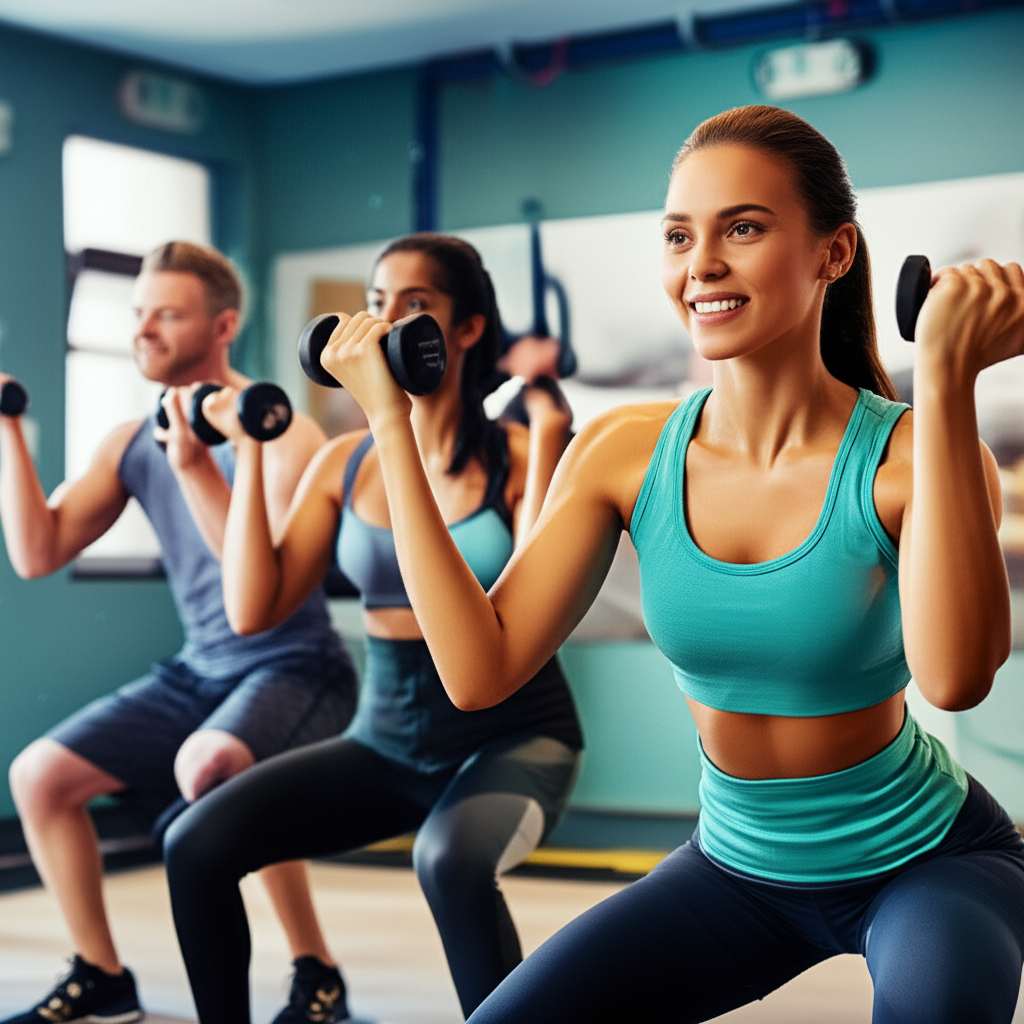
According to the American College of Sports Medicine, incorporating resistance training into your routine can significantly impact body composition by increasing lean muscle mass and reducing body fat percentage.
Understanding the Basics: How Strength Training Works for Fat Loss
When you engage in strength training, you create tiny tears in your muscle fibers. Your body then repairs these fibers, making them stronger and larger. This repair process requires energy, and your body taps into stored fat for fuel.
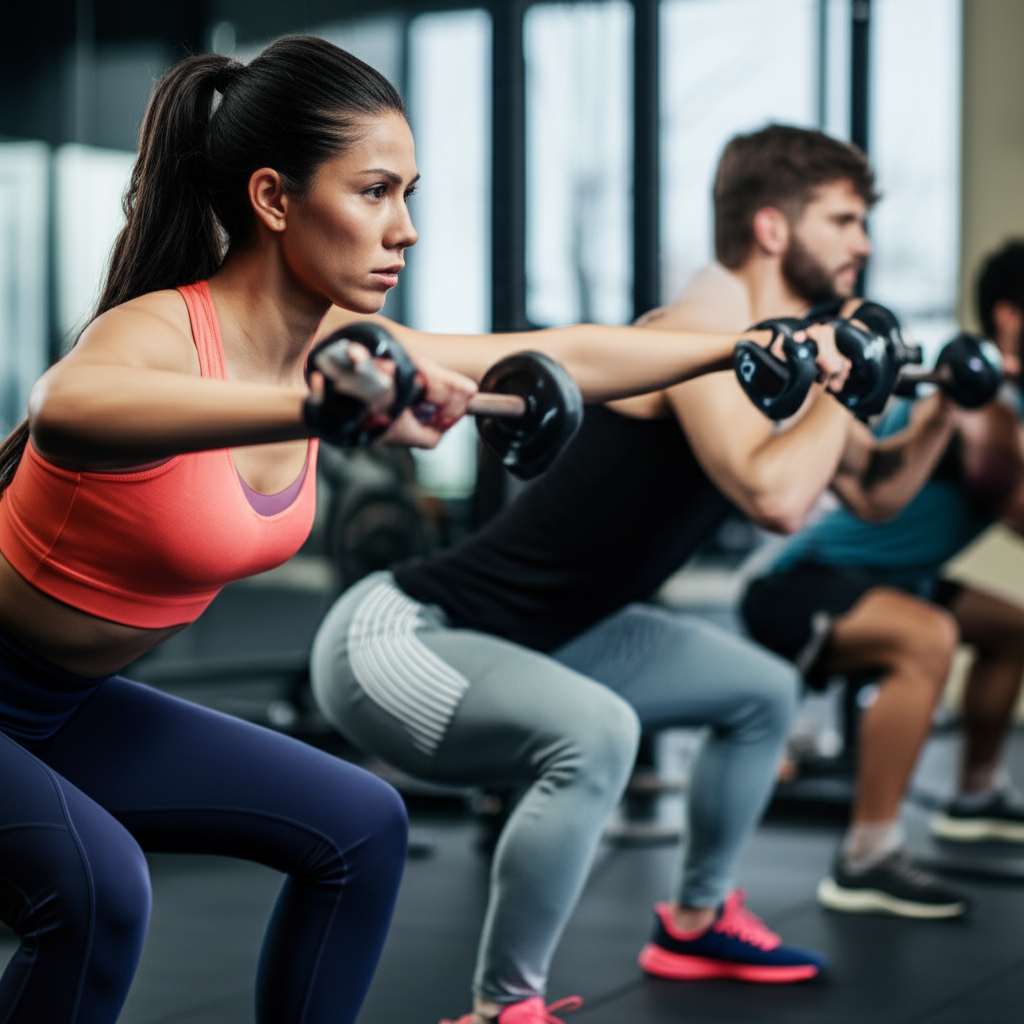
Beyond the immediate calorie burn during a workout, the “afterburn effect” (also known as EPOC – Excess Post-exercise Oxygen Consumption) is a key benefit. Your body continues to burn calories at an elevated rate for hours, or even days, after a strength training session to recover and rebuild.
This makes strength training a powerful tool for sustainable fat loss. It’s not just about looking good; it’s about building a healthier, more resilient body that can manage weight more effectively over time. For those looking to maximize results at home, investing in a few essential home fitness tools can enhance your routine without clutter.
Getting Started: What You Need
The beauty of strength training for fat loss is that you don’t need a fancy gym membership to start. Many effective exercises can be done with just your body weight.
As you progress, you might consider adding some affordable equipment:
- Resistance Bands: These are versatile, portable, and come in different resistance levels. Great for adding challenge to many exercises.
- Dumbbells: A set of adjustable dumbbells or a few pairs of different weights can offer a wide range of exercise options.
- Kettlebells: Excellent for dynamic, full-body movements that combine strength and cardio.
- Jump Rope: While not strictly for strength, it’s a fantastic tool for warming up and adding cardio bursts between strength sets to increase calorie burn.
Remember, consistency is more important than having the most expensive gear. Start with what you have and focus on proper form. If you’re organizing your home gym space, check out these smart storage solutions to keep your equipment tidy and accessible.
The 20 Strength Training Exercises for Fat Loss
Here are 20 exercises that target different muscle groups and are fantastic for boosting your metabolism and burning fat. We’ve included bodyweight options and suggestions for when you have equipment.
Lower Body Powerhouses
-
Bodyweight Squats
Why it’s great: A foundational exercise that works your quads, hamstrings, glutes, and core. It’s a compound movement, meaning it engages multiple muscle groups at once, making it very efficient for calorie burning.
How to do it: Stand with your feet shoulder-width apart. Lower your hips as if sitting into a chair, keeping your chest up and back straight. Go as low as you can comfortably, then push through your heels to return to standing.
-
Lunges (Forward or Reverse)
Why it’s great: Excellent for building leg strength and improving balance. Lunges target your quads, hamstrings, and glutes individually, helping to correct muscle imbalances.
How to do it: Step forward (or backward) with one leg, lowering your hips until both knees are bent at about a 90-degree angle. Your front knee should be directly over your ankle, and your back knee should hover just above the floor. Push off your front foot to return to the starting position. Alternate legs.
-
Glute Bridges
Why it’s great: Primarily targets the glutes and hamstrings, crucial for a strong posterior chain. This exercise also engages your core and lower back.
How to do it: Lie on your back with your knees bent and feet flat on the floor, hip-width apart. Engage your glutes and lift your hips off the floor until your body forms a straight line from shoulders to knees. Squeeze your glutes at the top, then slowly lower back down.
-
Calf Raises
Why it’s great: Strengthens the calf muscles, which can improve ankle stability and contribute to overall leg definition. While not a primary fat-burner, it completes lower body development.
How to do it: Stand with your feet flat on the floor. Rise up onto the balls of your feet, lifting your heels as high as possible. Hold for a second, then slowly lower your heels back down. You can do this on a step for a greater range of motion.
-
Romanian Deadlifts (RDLs) with Dumbbells or Barbell
Why it’s great: A fantastic exercise for hamstrings, glutes, and lower back. It improves flexibility and strength in the posterior chain.
How to do it: Hold dumbbells or a barbell in front of your thighs. Keeping a slight bend in your knees and your back straight, hinge at your hips, lowering the weight down your shins. You should feel a stretch in your hamstrings. Squeeze your glutes to pull yourself back up to a standing position.
-
Wall Sits
Why it’s great: An isometric exercise that builds incredible endurance in your quadriceps and glutes. It’s a great way to challenge your legs without much impact.
How to do it: Lean against a wall and slide down until your knees are bent at a 90-degree angle, as if sitting in an invisible chair. Keep your back flat against the wall and hold the position for as long as you can.
Upper Body Strength Builders
-
Push-Ups
Why it’s great: A classic bodyweight exercise that works your chest, shoulders, triceps, and core. It’s a true test of upper body strength.
How to do it: Start in a plank position with your hands slightly wider than shoulder-width apart. Lower your chest towards the floor by bending your elbows, keeping your body in a straight line. Push back up to the starting position. If a full push-up is too difficult, start on your knees.
-
Plank
Why it’s great: An isometric exercise that’s a champion for core strength, engaging your abs, obliques, lower back, and shoulders. A strong core is vital for almost all movements and helps protect your spine.
How to do it: Get into a push-up position, then lower onto your forearms, keeping your elbows directly beneath your shoulders. Your body should form a straight line from head to heels. Engage your core and glutes and hold the position.
-
Dumbbell Rows (Bent-Over)
Why it’s great: Targets the muscles of your upper back (lats, rhomboids) and biceps. This exercise is crucial for posture and balancing out chest exercises.
How to do it: Hold a dumbbell in each hand. Hinge at your hips with a slight bend in your knees, letting the weights hang towards the floor. Keep your back straight. Pull the dumbbells up towards your chest, squeezing your shoulder blades together. Lower them slowly.
-
Overhead Press (Dumbbells or Resistance Band)
Why it’s great: Works your shoulders and triceps, contributing to upper body strength and definition. It also engages your core for stability.
How to do it: Stand or sit with a dumbbell in each hand at shoulder height, palms facing forward. Press the weights straight up overhead until your arms are fully extended. Lower them slowly back to shoulder height.
-
Bicep Curls (Dumbbells or Resistance Band)
Why it’s great: Isolates the biceps, the muscles on the front of your upper arms. Strong biceps help with pulling movements.
How to do it: Stand with a dumbbell in each hand, arms at your sides, palms facing forward. Keeping your elbows tucked in, curl the weights up towards your shoulders. Squeeze your biceps at the top, then slowly lower the weights back down.
-
Triceps Dips (Bench or Chair)
Why it’s great: Targets the triceps, the muscles on the back of your upper arms, essential for pushing movements.
How to do it: Sit on the edge of a sturdy chair or bench with your hands gripping the edge next to your hips. Slide your hips forward off the edge. Lower your body by bending your elbows until they are at about a 90-degree angle. Push back up using your triceps. Keep your back close to the bench.
-
Superman
Why it’s great: A great bodyweight exercise for strengthening the erector spinae muscles along your spine, as well as your glutes and shoulders. It helps improve posture and reduce lower back pain.
How to do it: Lie face down on the floor with your arms and legs extended. Simultaneously lift your arms, chest, and legs off the floor, squeezing your lower back and glutes. Hold for a moment, then slowly lower back down.
Full Body Burners & Core Integrators
-
Burpees
Why it’s great: A high-intensity full-body exercise that combines a squat, plank, push-up (optional), and jump. It’s a fantastic calorie-scorcher and boosts cardiovascular fitness.
How to do it: Start standing. Drop into a squat, place your hands on the floor, and jump your feet back into a plank. Perform a push-up (optional). Jump your feet back towards your hands, then jump up explosively, reaching your arms overhead.
-
Kettlebell Swings
Why it’s great: An explosive, dynamic movement that works your hamstrings, glutes, core, and shoulders. It’s also a great cardiovascular workout.
How to do it: Stand with your feet slightly wider than shoulder-width apart, with a kettlebell on the floor slightly in front of you. Hinge at your hips, grab the kettlebell, and step your feet back to shoulder-width. Hike the kettlebell back between your legs, then explosively drive your hips forward to swing the kettlebell up to chest or eye level. Let gravity bring it back down.
-
Mountain Climbers
Why it’s great: A dynamic exercise that works your core, shoulders, and legs, while also getting your heart rate up. It’s a great cardio and strength combo.
How to do it: Start in a plank position. Bring one knee towards your chest, then quickly switch legs, as if you’re running in place. Keep your core engaged and hips stable.
-
Jumping Jacks
Why it’s great: A simple yet effective cardio exercise that warms up the body, burns calories, and improves coordination. It’s a great addition to strength circuits.
How to do it: Stand with your feet together and arms at your sides. Jump your feet out wider than shoulder-width while simultaneously raising your arms overhead. Jump back to the starting position. Repeat.
-
Bear Crawls
Why it’s great: A full-body exercise that challenges your core, shoulders, hips, and coordination. It mimics animal movement and engages muscles in a unique way.
How to do it: Start on your hands and knees, with your hands under your shoulders and knees under your hips. Lift your knees slightly off the floor. Crawl forward by moving your opposite hand and foot forward simultaneously. Maintain a flat back and engaged core.
-
Russian Twists
Why it’s great: Excellent for targeting the obliques (side abdominal muscles) and improving rotational strength. It also engages the entire core.
How to do it: Sit on the floor with your knees bent and feet flat (or slightly lifted for a greater challenge). Lean back slightly, keeping your back straight, to engage your core. Clasp your hands together (or hold a weight). Twist your torso from side to side, touching the floor next to your hips if possible.
-
Walking Lunges with a Twist
Why it’s great: Combines the benefits of lunges with a rotational core challenge, engaging your obliques and improving core stability.
How to do it: Start standing. Step forward into a lunge. As you lower, twist your torso towards the front leg. Return to center and push off your back foot to step forward into the next lunge with the opposite leg, twisting towards that front leg. Keep your core tight throughout.
Structuring Your Strength Training for Fat Loss
Simply doing these exercises isn’t enough; how you structure them matters for fat loss. The goal is to challenge your muscles and keep your heart rate elevated.
Here are a few ways to structure your workouts:
1. Circuit Training
What it is: Performing a series of exercises one after another with minimal rest in between. Once you complete all exercises in the circuit, you rest for a longer period before repeating the entire circuit.
How it helps fat loss: Keeps your heart rate elevated for a longer duration, maximizing calorie burn during and after the workout (EPOC). It’s time-efficient.
Example Beginner Circuit:
| Exercise | Sets/Reps | Rest Between Exercises | Rest Between Circuits |
|---|---|---|---|
| Bodyweight Squats | 10-12 reps | 15 seconds | 60-90 seconds |
| Push-Ups (on knees or toes) | As many reps as possible (AMRAP) with good form | 15 seconds | |
| Lunges (alternating legs) | 10-12 reps per leg | 15 seconds | |
| Plank | Hold for 30-45 seconds | 15 seconds | |
| Jumping Jacks | 30 seconds | 15 seconds |
Repeat for 3-4 rounds.
2. Supersets
What it is: Performing two exercises back-to-back with little to no rest. Often, these exercises target opposing muscle groups (e.g., biceps and triceps) or the same muscle group for a more intense burn.
How it helps fat loss: Increases workout intensity and density, meaning you get more work done in less time. This can lead to a greater calorie expenditure.
Example Superset:
- Superset 1: Dumbbell Rows (10-12 reps) immediately followed by Overhead Press (10-12 reps). Rest for 60 seconds, then repeat for 3-4 sets.
- Superset 2: Glute Bridges (15 reps) immediately followed by Calf Raises (15 reps). Rest for 60 seconds, then repeat for 3-4 sets.
3. Traditional Sets & Reps
What it is: Performing a set number of repetitions for an exercise, resting, and then performing another set. This is the most common way to train.
How it helps fat loss: While it might have slightly less EPOC than circuits, focusing on progressive overload (gradually increasing weight, reps, or sets) is key for building muscle, which is the long-term driver of metabolism.
Example Beginner Strength Routine (Full Body):
- Squats: 3 sets of 10-12 reps
- Push-Ups: 3 sets of AMRAP (with good form)
- Dumbbell Rows: 3 sets of 10-12 reps per arm
- Lunges: 3 sets of 10 reps per leg
- Plank: 3 sets, hold for 30-60 seconds
Rest 60-90 seconds between sets.
Progressive Overload: The Key to Long-Term Fat Loss
To keep seeing results and burning fat, you need to continually challenge your body. This principle is called progressive overload. If you always lift the same weight or do the same number of reps, your body adapts, and progress stalls.
Here’s how to apply progressive overload:
- Increase Weight/Resistance: Gradually lift heavier dumbbells, use stronger resistance bands, or add weight to your bodyweight exercises (e.g., wearing a weighted vest).
- Increase Repetitions: If you can comfortably do 10 reps, aim for 11 or 12 next time.
- Increase Sets: Add an extra set to your exercises.
- Decrease Rest Time: Shortening the rest between sets increases the intensity and metabolic demand.
- Improve Form/Range of Motion: Focus on performing exercises with better technique or a greater range of motion.
- Increase Frequency: Train a muscle group more often (e.g., twice a week instead of once).
As you get stronger, make sure you’re pushing yourself a little more each week. This is how you build muscle and, in turn, boost your fat-burning potential.
Putting It All Together: Sample Weekly Plan
Here’s a sample beginner plan that incorporates these exercises and principles. Remember to listen to your body and adjust as needed.
Beginner Strength Training Schedule (3 Days/Week)
Day 1: Full Body Circuit
- Warm-up: 5-10 minutes of light cardio (jumping jacks, jogging in place) and dynamic stretching.
- Perform the Beginner Circuit outlined above (3-4 rounds).
- Cool-down: 5-10 minutes of static stretching.
Day 2: Rest or Active Recovery
- Light walking, yoga, or stretching.
Day 3: Full Body Strength Focus (Sets & Reps)
- Warm-up: 5-10 minutes of light cardio and dynamic stretching.
- Perform the Beginner Strength Routine (Sets & Reps) outlined above.
- Cool-down: 5-10 minutes of static stretching.
Day 4: Rest or Active Recovery
Day 5: Full Body Circuit (with variations)
- Warm-up: 5-10 minutes of light cardio and dynamic stretching.
- Choose 4-5 exercises from the list of 20 and create a new circuit. Focus on exercises you enjoyed or found challenging.
- Cool-down: 5-10 minutes of static stretching.
Day 6 & 7: Rest or Active Recovery
Important Note: For optimal fat loss, combine this strength training routine with a balanced, calorie-conscious diet. Nutrition is a huge piece of the puzzle! You can also incorporate 1-2 days of steady-state cardio or HIIT (High-Intensity Interval Training) on your rest days if your body feels up to it, but prioritize recovery. For meal prep inspiration that supports your goals, explore these minimalist kitchen essentials that make healthy eating easier.
Frequently Asked Questions (FAQ)
Q1: How often should I do strength training for fat loss?
A1: For beginners, aiming for 2-3 full-body strength training sessions per week is a great starting point. Allow at least one rest day between sessions to let your muscles recover and rebuild.
Q2: What if I can’t do a full push-up?
A2: That’s perfectly normal! Start with incline push-ups (hands on a wall or sturdy table) or knee push-ups. Focus on controlled movement. As you get stronger, you’ll be able to progress to full push-ups.
Q3: Do I need to lift heavy weights to lose fat?
A3: Not necessarily. While lifting heavier weights builds more muscle, which boosts metabolism, you can achieve significant fat loss with moderate weights or even bodyweight exercises if you focus on proper form, consistency, and progressive overload. The key is challenging your muscles.
Q4: How long will it take to see results?
A4: Results vary from person to person, but you can start feeling stronger and notice changes in your energy levels within a few weeks. Visible fat loss typically becomes more apparent after 4-8 weeks of consistent training and a healthy diet. Patience and consistency are key!
Q5: Can I do strength training at home without equipment?
A5: Absolutely! Many of the exercises listed, like squats, lunges, push-ups, planks, and glute bridges, require no equipment at all. Resistance bands are also an affordable and versatile option for adding challenge.
Q6: What’s more important for fat loss: strength training or cardio?
A6: Both are important, but they serve different roles. Cardio is excellent for burning calories during the workout and improving cardiovascular health. Strength training builds muscle, which boosts your resting metabolism for long-term fat burning and improves body composition. A combination of both is ideal for optimal fat loss and overall fitness.
Conclusion
Embarking on your fat loss journey doesn’t have to be overwhelming. By incorporating strength training into your routine, you’re investing in a stronger, more metabolically active body. The 20 exercises we’ve covered are your toolkit for building that foundation, whether you’re at home or have access to a gym.
Remember to focus on proper form, challenge yourself with progressive overload, and listen to your body. Consistency is your greatest ally. Pair these workouts with a nutritious diet, and you’ll be well on your way to achieving your fat loss goals and building a healthier, more confident you. Keep moving, keep building, and celebrate every step of your progress!