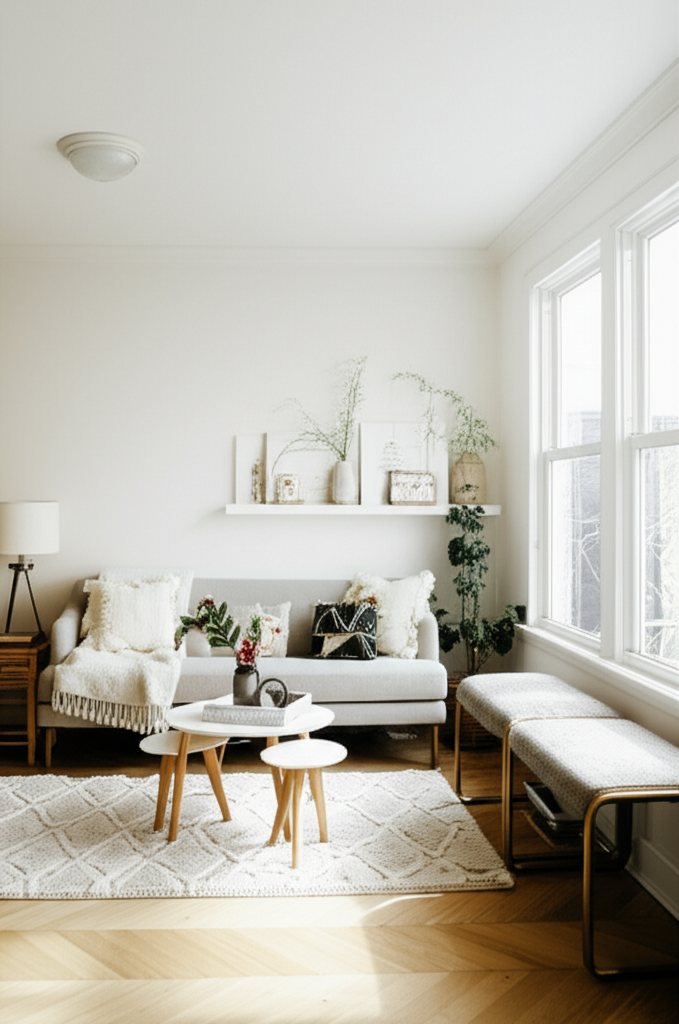
21 room decor ideas for small spaces: Effortless style can be achieved with smart choices that maximize functionality and visual appeal, making any compact area feel more spacious and chic. Discover practical, budget-friendly tips to transform your home.
Feeling a little cramped in your living space? You’re definitely not alone! Many of us dream of spacious, stylish homes, but reality often means working with smaller rooms. It can feel overwhelming to decorate a tiny area without making it feel cluttered or smaller.
But don’t worry, making a small space look amazing is totally achievable! We’ll walk through simple, clever tricks that will open up your rooms and add personality.
Get ready to discover how to make your small space feel big, beautiful, and uniquely you.
21 Room Decor Ideas For Small Spaces: Effortless Style
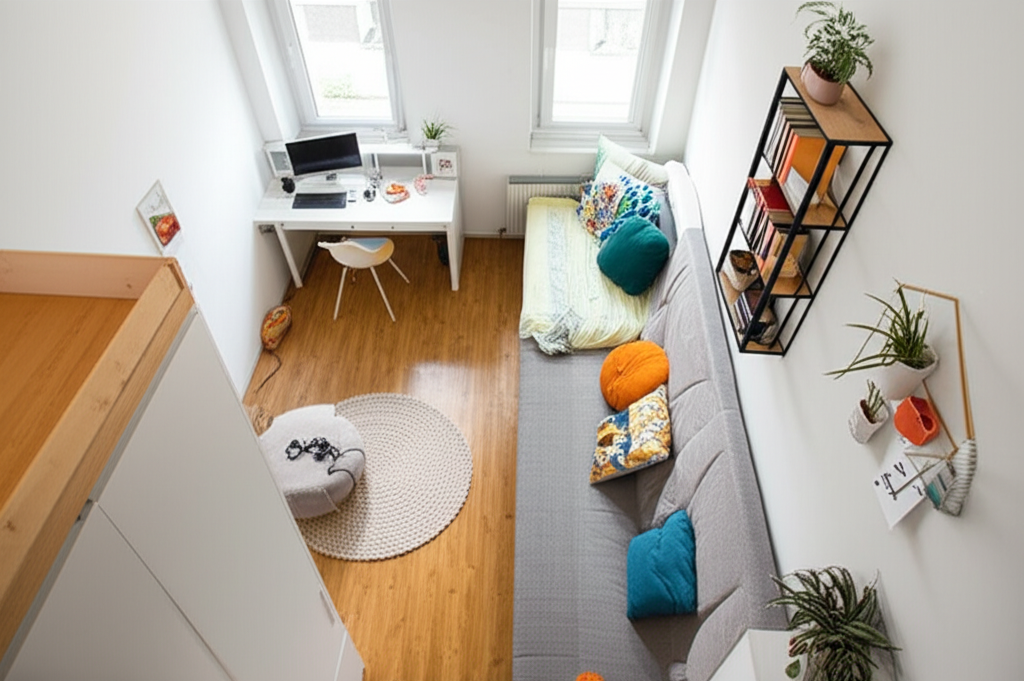
Decorating a small space is all about being clever with your choices. It’s not about fitting more in, but about making the most of what you have. We’re talking about creating rooms that feel open, bright, and full of personality, without feeling cluttered. Let’s dive into some fantastic ideas!
1. Embrace Light Colors
Light and neutral colors are your best friend in a small space. Think soft whites, pale grays, gentle beiges, and pastel shades. These colors reflect light, making walls appear to recede and the room feel larger and more airy. They create a serene backdrop that makes furniture and decor pop.
Don’t be afraid of a little color! You can introduce pops of your favorite hues through accessories like throw pillows, artwork, or a statement rug. This adds personality without overwhelming the space.
2. Maximize Natural Light
Natural light is the ultimate space-expander. Keep window treatments simple and light. Opt for sheer curtains or blinds that can be fully opened. Avoid heavy drapes that block out precious sunlight. Position furniture so it doesn’t obstruct windows.
Consider adding mirrors strategically. A well-placed mirror can bounce light around the room, creating the illusion of depth and making the space feel much bigger. Opposite a window is a great spot for this trick!
3. Utilize Vertical Space
When floor space is limited, look up! Shelving is your secret weapon. Install floating shelves or tall, narrow bookcases to draw the eye upwards and provide much-needed storage. This keeps the floor clear, which instantly makes a room feel less crowded.
Think about wall-mounted solutions for everything from TV units to bedside tables. This frees up valuable floor real estate and adds a modern, streamlined look. Even hanging plants can add a touch of greenery without taking up surface space.
4. Choose Multi-Functional Furniture
This is a game-changer for small rooms. Furniture that serves more than one purpose is essential. Think ottomans with hidden storage, sofa beds for guests, nesting tables, or a desk that can also function as a console table.
Look for pieces that are scaled appropriately. Oversized furniture will dwarf a small room. Choose sleek, streamlined designs that don’t have bulky arms or legs. Furniture with visible legs can also create a sense of openness.
5. Strategic Mirror Placement
Mirrors are magical for small spaces. They reflect light and create an illusion of depth, making a room feel twice its size. A large mirror hung on a focal wall can completely transform the perception of space.
Consider mirrored furniture or decorative mirrored tiles for an extra touch of glamour and light reflection. Placing a mirror opposite a window is a classic trick to maximize natural light and views.
6. Smart Storage Solutions
Clutter is the enemy of small spaces. Invest in smart storage. This means decluttering regularly and finding homes for everything. Baskets, decorative boxes, and furniture with built-in storage are your best friends.
Think about hidden storage, like under-bed drawers or ottomans with lift-up lids. Wall-mounted cabinets and shelves can also keep items organized and out of sight. The goal is to keep surfaces clear. For inspiration on stylish and functional storage, check out these chic kitchen storage accessories that can be adapted to any room.
7. Floating Furniture
Furniture that appears to “float” can make a room feel more open. This includes wall-mounted shelves, vanities, and even bedside tables. When furniture is off the floor, it creates more visual space underneath, making the room feel less heavy.
This technique is particularly effective in smaller bathrooms and bedrooms. It gives a sleek, modern look while maximizing the feeling of spaciousness.
8. Use a Consistent Color Palette
Sticking to a limited color palette can make a small room feel cohesive and larger. Choose 2-3 main colors and use them throughout the space. This creates a sense of flow and prevents the room from looking too busy.
You can add interest with different textures and shades within your chosen palette. For example, if you choose a neutral palette, mix different materials like wood, linen, and metal.
9. Scale Down Your Furniture
It might sound obvious, but choosing furniture that is appropriately sized for your space is crucial. Oversized sofas or bulky armchairs will make a small room feel even smaller. Look for slim profiles and clean lines.
Consider apartment-sized furniture or pieces designed for smaller living. Even a slightly smaller coffee table can make a big difference. Measure your space carefully before buying.
10. Go for a Lighter Flooring
The color and type of flooring can significantly impact how large a room feels. Lighter-colored flooring, such as pale wood, light tile, or a neutral carpet, can make a room appear more spacious and brighter. It reflects more light than dark flooring.
If you have dark flooring, a large, light-colored area rug can help to brighten the space and define zones within the room. Ensure the rug is proportionate to the room size.
11. Install Built-in Storage
Built-in storage, like custom shelving or cabinetry, is a fantastic way to maximize every inch of space. It looks seamless and can be designed to fit your exact needs, providing a place for everything without taking up unnecessary room.
While this can be a bigger investment, it offers incredible functionality and a polished look. It’s especially effective in awkward nooks or under windows.
12. Open Shelving for Display and Storage
Open shelving can be a stylish and practical solution. Use it to display decorative items, books, or even everyday essentials. When used thoughtfully, it can make a room feel less closed off than solid cabinets.
Keep it tidy and curated. Avoid overcrowding shelves, as this can lead to a cluttered appearance. Arrange items in pleasing groupings and vary heights and textures.
13. Create a Focal Point
Every room needs a focal point – something that draws the eye. In a small space, this can help distract from the room’s size. It could be a piece of art, a striking accent wall, a fireplace, or even a uniquely designed piece of furniture.
Once you have a focal point, arrange the rest of your furniture and decor to complement it. This creates a sense of order and intentionality.
14. Use Stripes Strategically
Stripes can be a powerful tool in interior design, especially for manipulating perceived space. Vertical stripes, whether on wallpaper or curtains, can make ceilings appear higher. Horizontal stripes can make a room feel wider.
Use stripes sparingly and in colors that fit your overall palette. A little goes a long way. Consider subtle striped patterns rather than bold, overwhelming designs.
15. Declutter Ruthlessly and Regularly
This is perhaps the most important tip. A cluttered small space will always feel smaller and more chaotic. Make it a habit to declutter your belongings regularly. Everything should have a designated home.
Take the “one in, one out” approach for new purchases. If you buy something new, get rid of something similar. This helps maintain a tidy and spacious feel.
16. Choose Slim-Profile Furniture
Opt for furniture with a slim, minimalist design. Think sleek lines, slender legs, and a lack of excessive ornamentation. This type of furniture takes up less visual real estate and makes the room feel more open and airy.
Avoid bulky, overstuffed pieces. Instead, look for items that are streamlined and proportionate to the size of your room.
17. Layer Your Lighting
Good lighting can make a huge difference. Don’t rely on a single overhead light. Layer your lighting with a combination of ambient (general), task (for activities), and accent (for highlighting) lighting. This adds depth and warmth.
Use floor lamps and table lamps to provide light at different levels. Wall sconces can also be a great space-saving option. Dimmers are excellent for controlling the mood.
18. Hang Curtains High and Wide
To make your windows appear larger and your ceilings higher, hang curtains as close to the ceiling as possible and extend the rod well beyond the window frame on each side. This tricks the eye into thinking the window (and the room) is bigger.
Opt for lightweight fabrics in light colors to maximize the sense of space and allow maximum light to enter. This is a simple yet highly effective trick.
19. Incorporate Clear or Acrylic Furniture
Clear furniture, like acrylic chairs or glass-top coffee tables, is fantastic for small spaces because it visually disappears. It doesn’t block sightlines, allowing the room to feel more open and airy.
While they can be a bit of an investment, a few clear pieces can make a significant impact. They also add a modern, chic touch.
20. Use Rugs to Define Zones
In open-plan small spaces or studio apartments, rugs are essential for defining different areas. A rug can visually separate the living area from the dining area or bedroom, creating distinct zones and making the space feel more organized and intentional.
Choose a rug that is appropriately sized for the zone it’s defining. Too small, and it can make the area feel cramped. Too large, and it can overwhelm the space.
21. Bring in Plants (Carefully!)
Plants add life, color, and a touch of nature to any space, but in small rooms, you need to be mindful of placement. Opt for hanging plants, vertical planters, or plants that don’t take up too much floor space.
Small potted plants on shelves or windowsills can add charm without crowding. A single, well-placed larger plant can also act as a sculptural element. For more greenery inspiration, explore these kitchen plant decor ideas that work beautifully in compact areas.
Making it Happen: A Step-by-Step Approach
Ready to put these ideas into action? Here’s a simple plan to help you tackle your small space decorating project with confidence:
- Assess Your Space: Walk through your room and identify areas that feel most challenging. Are you struggling with storage? Lack of light? Clutter? Knowing your pain points will help you prioritize solutions.
- Declutter: Before buying anything new, go through your belongings with a critical eye. Donate, sell, or discard anything you no longer need or love. A good declutter is the foundation of any successful small space. For more on effective decluttering, resources like EPA’s Reduce, Reuse, Recycle guidelines can offer broader waste reduction strategies that apply to home organization.
- Plan Your Layout: Sketch out your room and experiment with different furniture arrangements on paper or using a simple app. Think about flow and how you use the space daily.
- Choose Your Color Palette: Select a main color scheme, keeping it light and cohesive. Decide where you might add pops of accent color.
- Prioritize Multi-Functional Furniture: Identify key pieces that can serve double duty. Look for storage ottomans, sofa beds, or nesting tables.
- Invest in Smart Storage: Purchase baskets, shelves, or wall-mounted units to keep clutter at bay.
- Add Lighting Layers: Ensure you have a mix of ambient, task, and accent lighting. Consider floor lamps, table lamps, or wall sconces.
- Accessorize Thoughtfully: Add decorative elements like mirrors, artwork, and plants. Remember, less is often more in a small space.
- Review and Refine: Once you’ve made changes, live with them for a while. See what works and what doesn’t, and make adjustments as needed.
Small Space Decorating: Pros and Cons
Decorating small spaces comes with its own unique set of advantages and challenges. Understanding these can help you make the most of your decorating efforts.
| Pros | Cons |
|---|---|
| Cozy & Intimate Feel: Small spaces can feel incredibly warm and inviting. | Limited Layout Options: Fewer furniture arrangements are practical without feeling cramped. |
| Easier to Maintain: Less space means less to clean and organize. | Storage Challenges: Finding adequate storage can be a constant struggle. |
| Budget-Friendly: Typically requires fewer materials and decor items, saving money. | Risk of Clutter: Even a few too many items can make the space feel overwhelming. |
| Focus on Key Pieces: Encourages intentionality and a curated selection of furniture and decor. | Can Feel Cramped: Without smart design, small spaces can feel suffocating. |
| Quick Transformations: Easter and faster to redecorate or update a small room. | Scaling Furniture: Finding furniture that fits perfectly can sometimes be difficult. |
Frequently Asked Questions (FAQ)
Q1: How can I make a small living room look bigger?
A1: Use light paint colors, maximize natural light, strategically place mirrors, choose furniture with slim profiles and legs, and opt for multi-functional pieces. Keeping the space clutter-free is also key.
Q2: What kind of furniture is best for small spaces?
A2: Furniture that is scaled appropriately, multi-functional (like storage ottomans or sofa beds), and has a slim, streamlined design works best. Pieces with visible legs can also create a sense of openness.
Q3: Should I use dark or light colors in a small room?
A3: Light and neutral colors are generally recommended for small spaces as they reflect light and make the room feel more open and airy. Dark colors can make a space feel smaller and more enclosed.
Q4: How much storage do I really need in a small apartment?
A4: It’s a balance. You need enough storage to keep essentials organized and out of sight, but not so much that it overwhelms the space. Prioritize smart, integrated, and multi-functional storage solutions.
Q5: Can I use wallpaper in a small room?
A5: Yes, but choose wisely! Subtle patterns, vertical stripes, or a single accent wall with a bold pattern can work. Avoid very busy or large-scale patterns that can make the room feel smaller.
Q6: What’s the best way to arrange furniture in a small bedroom?
A6: Place the bed as the focal point, usually against the longest wall. Opt for a streamlined bed frame, wall-mounted bedside tables, and consider vertical storage solutions like tall dressers or wardrobes.
Q7: How do I prevent a small space from feeling cluttered?
A7: Declutter regularly, assign a home for every item, use smart storage solutions (baskets, boxes, furniture with hidden storage), and keep surfaces as clear as possible. Think about “visual clutter” too – too many small decorative items can make a space feel busy.
Conclusion
Decorating a small space doesn’t have to be a daunting task. By focusing on smart choices, clever storage, and the power of light and color, you can transform even the tiniest room into a stylish, functional, and inviting haven. Remember, it’s all about making your space work for you.
Embrace the challenge, experiment with these ideas, and most importantly, have fun creating a home that you love, no matter its size. Your small space has the potential to be incredibly chic and comfortable! For even more compact inspiration, discover these cozy small kitchen ideas that prove tiny spaces can pack a big design punch.