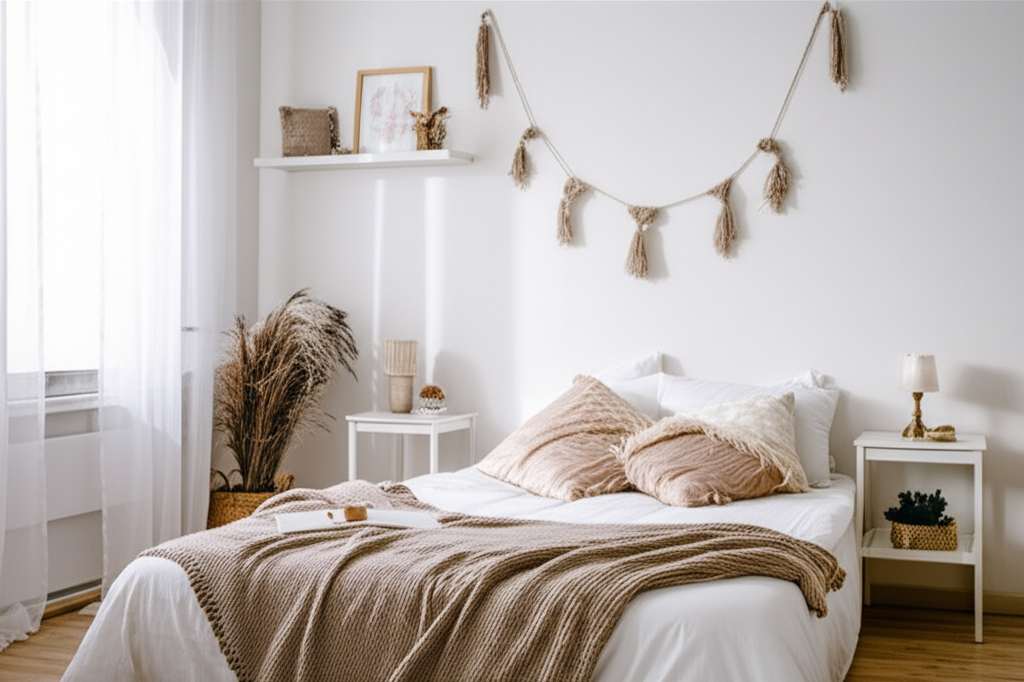
Quick Summary: Create a tranquil mom sanctuary with these 5 cozy decor ideas. Focus on soft textures, calming colors, personal touches, and functional comfort to design an essential relaxation space that recharges you. Transform your room into a peaceful haven with simple, budget-friendly strategies.

Being a mom is a beautiful, rewarding journey, but let’s be honest – it can also be incredibly demanding. Between juggling endless to-do lists and caring for everyone else, finding a moment for yourself can feel like a luxury you can’t afford. Your bedroom, or even a small corner of your home, can become that much-needed sanctuary.
But where do you even begin to create a space that feels truly relaxing and restorative? It’s easy to feel overwhelmed by design choices, especially when you’re short on time and budget. Don’t worry, I’m here to help! We’ll walk through simple, achievable steps to transform a room into your personal oasis.
Get ready to discover how to infuse your space with warmth, comfort, and style, making it the perfect escape. Let’s dive into 5 cozy mom room decor ideas designed for ultimate relaxation!
Creating Your Cozy Mom Haven: 5 Essential Decor Ideas
Every mom deserves a space that feels like a hug. A room that whispers, “Relax, you’ve earned this.” It doesn’t need to be a grand renovation or an expensive overhaul. With a few thoughtful touches, you can transform any space into your personal retreat. We’ll explore five key areas to focus on, making it easy to achieve that cozy, relaxing vibe.
These ideas are designed to be flexible, whether you have a dedicated spare room, a corner of your bedroom, or even a cozy nook. The goal is to create a feeling of peace and tranquility, a place where you can simply be.
1. Embrace Soft Textures: The Foundation of Cozy
Texture is your best friend when it comes to creating a cozy atmosphere. Think about how soft blankets, plush rugs, and velvety pillows make you feel. These elements invite touch and create a sense of warmth and comfort that’s essential for relaxation. Layering different textures adds depth and visual interest, making your space feel inviting and luxurious.
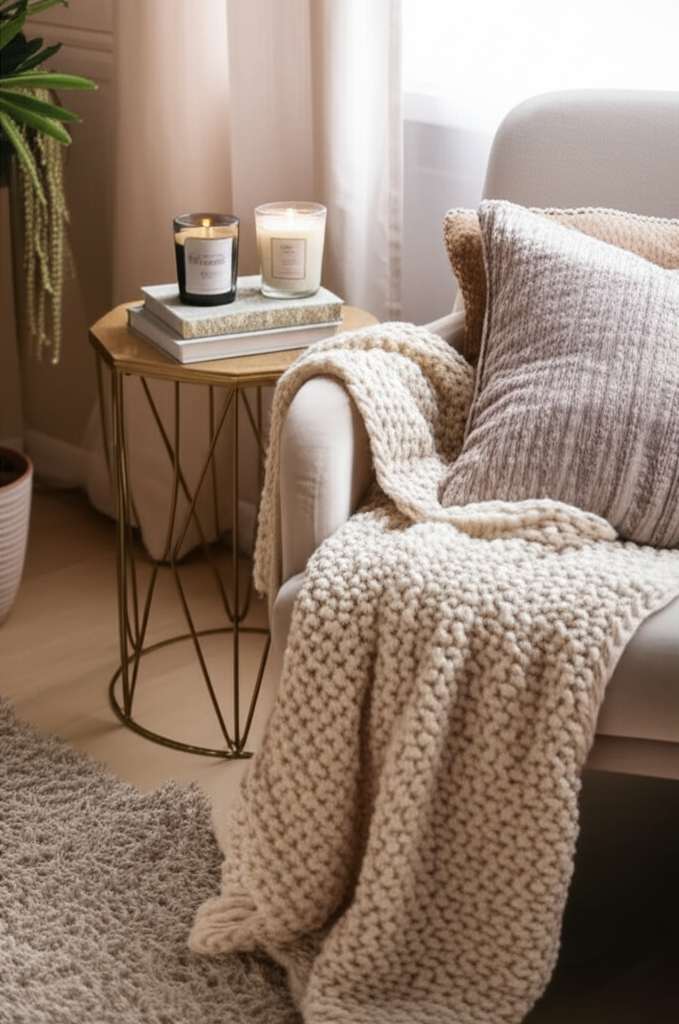
Start with the basics. A super-soft throw blanket draped over your favorite chair or the end of your bed is an instant comfort booster. Consider a plush rug underfoot, especially if you have hard flooring. Even small touches, like decorative pillows with different fabric feels, can make a big difference.
Key Texture Elements to Incorporate:
- Throw Blankets: Look for materials like faux fur, chenille, chunky knits, or soft fleece. Having one readily available for snuggling is key.
- Pillows: Mix and match sizes and textures. Velvet, faux fur, cable knit, and linen blends add a tactile dimension.
- Rugs: A shaggy rug, a thick woven rug, or even a sheepskin rug can add incredible warmth and softness.
- Curtains: Opt for heavier, flowing fabrics like velvet or linen blends for a softer look and better light control.
- Upholstery: If you have upholstered furniture, choose fabrics that are soft to the touch.
When choosing textures, think about what feels good against your skin. This is your personal relaxation space, so prioritize comfort above all else. Don’t be afraid to mix and match different textures – the contrast can be surprisingly beautiful and inviting.
2. Calming Color Palette: A Visual Soothe
Colors have a powerful impact on our mood and emotions. For a relaxation space, you want to choose a palette that promotes tranquility and peace. Think soft, muted tones that are easy on the eyes and create a serene environment. Avoid harsh or overly bright colors that can be stimulating.
Neutrals are a classic choice for a reason. They provide a calming backdrop and are incredibly versatile. Shades of white, cream, beige, and gray create a sophisticated yet peaceful atmosphere. You can then add pops of color through accessories, keeping the overall feel soft and understated.
Recommended Calming Colors:
- Soft Blues: Think sky blue, dusty blue, or a muted teal. These colors are known to have a calming effect.
- Gentle Greens: Sage green, mint green, or a mossy hue can bring a sense of nature and tranquility indoors.
- Warm Neutrals: Cream, beige, taupe, and soft grays provide a grounding and peaceful base.
- Muted Pinks and Lavenders: These can add a touch of warmth and serenity without being overpowering.
You can also incorporate these colors through paint, bedding, rugs, or decorative items. Even a few well-placed accents can shift the entire mood of the room. For a more in-depth understanding of color psychology in design, resources like those from the American Psychological Association offer insights into how colors can affect our well-being.
When painting, consider using an eggshell or satin finish. These finishes are less reflective than gloss, which can create a softer, more diffused light, further enhancing the calming atmosphere. Always test paint swatches in your room to see how they look in different lighting conditions. If you’re looking for warm and inviting hues that complement relaxation spaces, check out our guide on warm kitchen color ideas for inspiration that translates beautifully to any room.
3. Personal Touches: Making it Yours
A truly relaxing space is one that reflects you. While calming colors and soft textures are crucial, don’t forget to infuse your personality into the room. This is your sanctuary, so fill it with things that bring you joy, peace, and comfort. These personal touches make the space feel uniquely yours and more deeply restorative.
This could mean displaying photos of loved ones, art that speaks to you, or meaningful souvenirs from trips. It’s about surrounding yourself with elements that evoke positive memories and feelings. Think about items that make you smile or feel a sense of calm when you look at them.
Ideas for Personalizing Your Space:
- Photo Displays: Frame cherished family photos or create a gallery wall of memories.
- Meaningful Art: Hang prints or original pieces that resonate with you.
- Books and Journals: Keep your favorite reads or a journal handy for moments of reflection.
- Plants: A touch of greenery can bring life and a sense of calm to any room. Consider low-maintenance options if you’re new to plant care.
- Sentimental Objects: Display small items that hold special meaning, like a favorite mug, a piece of jewelry, or a treasured keepsake.
Lighting is also a personal element that can greatly enhance the mood. Instead of harsh overhead lights, opt for softer, warmer lighting options. Think table lamps with fabric shades, string lights, or even a salt lamp. Dimmers are also a fantastic way to control the ambiance. For more on creating the right lighting, check out the U.S. Department of Energy’s energy-saving tips for lighting, which also touch upon creating specific moods.
Consider a small “self-care station” with your favorite lotions, a nice candle, or a soothing essential oil diffuser. These small, curated items make your space feel more intentional and dedicated to your well-being. For even more inspiration on creating serene, personalized spaces, explore our white kitchen decor ideas—many of the minimalist and calming principles apply beautifully to relaxation rooms too.
4. Comfortable Seating and Functional Storage: Practical Serenity
A relaxation space isn’t just about looking good; it needs to be functional and comfortable. You need a place to truly unwind. This might be a cozy armchair, a comfortable reading nook, or simply ensuring your bed is a welcoming haven. Good storage also plays a vital role in maintaining a peaceful environment by keeping clutter at bay.
When choosing seating, prioritize comfort. A plush chair with good back support, a comfortable ottoman, or even a collection of oversized floor cushions can create an inviting spot to read, meditate, or simply sit quietly. Make sure the area around your seating is also practical, with a small side table for a drink or a book.
Seating & Storage Solutions:
| Area | Comfort Ideas | Storage Solutions |
|---|---|---|
| Reading Nook | Oversized armchair, chaise lounge, comfortable floor cushions, plenty of throw pillows. | Floating shelves for books, a small side table with drawers, a decorative basket for blankets. |
| Bedroom Corner | Window seat with cushions, a comfortable bench, a pouf. | Ottoman with hidden storage, wall-mounted shelves, decorative bins. |
| General Relaxation | Ensure your bed is inviting with quality bedding and comfortable pillows. | Under-bed storage containers, a stylish dresser, a closet organizer. |
Clutter is a major disruptor of peace. Invest in smart storage solutions that help you keep your space tidy. Baskets, bins, drawer organizers, and stylish shelving can make a world of difference. The less visual clutter, the more your mind can relax. For practical storage solutions that can be budget-friendly, exploring options from stores like IKEA or The Container Store can offer many ideas. You might also find clever organizational inspiration in our post on stylish kitchen storage accessories, where functional design meets aesthetic appeal.
Think about the flow of the room. Ensure you can move around easily and that your relaxation spots are easily accessible. A well-organized space contributes significantly to a feeling of calm and control, which is essential for effective relaxation.
5. Soothing Scents and Sounds: Engaging the Senses
Our senses play a huge role in how we feel. Engaging them with calming scents and gentle sounds can elevate your relaxation space from simply looking peaceful to feeling deeply serene. This is about creating an immersive experience that helps you unwind and de-stress.
Consider incorporating aromatherapy with essential oils. Lavender is well-known for its calming properties, but chamomile, sandalwood, and bergamot can also be wonderfully soothing. You can use a diffuser, a few drops on your pillow, or scented candles (used safely, of course).
Sensory Enhancements:
- Essential Oils: Lavender, chamomile, sandalwood, frankincense, bergamot.
- Diffusers: Ultrasonic diffusers are a popular and effective way to disperse essential oils.
- Scented Candles: Choose natural waxes and calming scents. Always use with caution and never leave unattended.
- Nature Sounds: Play gentle rain sounds, ocean waves, or soft ambient music.
- White Noise Machine: Can help mask distracting noises and promote a sense of calm.
- Herbal Teas: Keep a selection of calming teas like chamomile or peppermint readily available.
Sound is another powerful tool. A playlist of calming instrumental music, nature sounds, or even a white noise machine can help block out distractions and create a peaceful auditory environment. You can find excellent curated playlists on streaming services like Spotify or YouTube. For tips on managing noise pollution at home, resources from organizations like the U.S. Environmental Protection Agency can offer context on how noise affects our well-being.
Even the simple act of brewing a cup of herbal tea can be a ritual that signals relaxation. Having these elements readily available makes it easier to incorporate them into your daily or weekly self-care routine. These small rituals can create a powerful shift in your mindset.
Frequently Asked Questions (FAQ)
What is the best color for a relaxation room?
Soft, muted colors are best for a relaxation room. Think gentle blues, greens, warm neutrals like beige and cream, or soft lavenders and pinks. These colors are known to have a calming effect on the mind and body, reducing stress and promoting tranquility.
How can I make my bedroom cozy without spending a lot of money?
You can make your bedroom cozy on a budget by focusing on textures. Add soft throw blankets, plush pillows, and a comfortable rug. You can also thrift for decorative items, rearrange your existing furniture for better flow, and use softer lighting from lamps instead of harsh overhead lights.
Is it important to have personal items in a relaxation space?
Absolutely! Personal items make a relaxation space feel uniquely yours and more deeply comforting. Displaying photos, meaningful art, or cherished keepsakes can evoke positive emotions and create a stronger sense of belonging and peace in your sanctuary.
What are the most important textures for a cozy room?
The most important textures are those that are soft and inviting to the touch. This includes plush materials like faux fur, chenille, velvet, and chunky knits for blankets and pillows. Soft, thick rugs underfoot also significantly contribute to a cozy feel.
How can I improve the lighting in my relaxation room?
Improve lighting by avoiding harsh overhead lights. Opt for multiple light sources with warmer bulbs, such as table lamps with fabric shades, floor lamps, or string lights. Using dimmers allows you to adjust the intensity to create a softer, more ambient glow, perfect for winding down.
What are some easy ways to add calming scents to a room?
Easy ways to add calming scents include using an essential oil diffuser with relaxing oils like lavender or chamomile, lighting scented candles made with natural waxes, or even placing a sachet of dried herbs like lavender in drawers or closets. Ensure good ventilation and use scents that you personally find soothing.
How do I keep my relaxation space tidy and clutter-free?
Keep your space tidy with smart storage solutions like decorative baskets, bins, drawer organizers, and wall shelves. Regularly decluttering items you no longer need or use is also crucial. A designated place for everything helps maintain a calm and organized environment.
Conclusion
Creating a cozy mom room decor space for relaxation is all about intentional choices that prioritize your well-being. By focusing on soft textures, a calming color palette, personal touches, functional comfort, and engaging senses with soothing scents and sounds, you can transform any corner of your home into a personal sanctuary.
Remember, this space is for you. It’s a place to recharge, reflect, and simply be. Don’t feel pressured to make grand changes all at once. Start with one or two ideas that resonate with you and build from there. Even small, consistent efforts can lead to a significant shift in how your space makes you feel.
Embrace the process, enjoy the little moments of calm you create, and give yourself permission to truly relax. Your cozy retreat awaits!