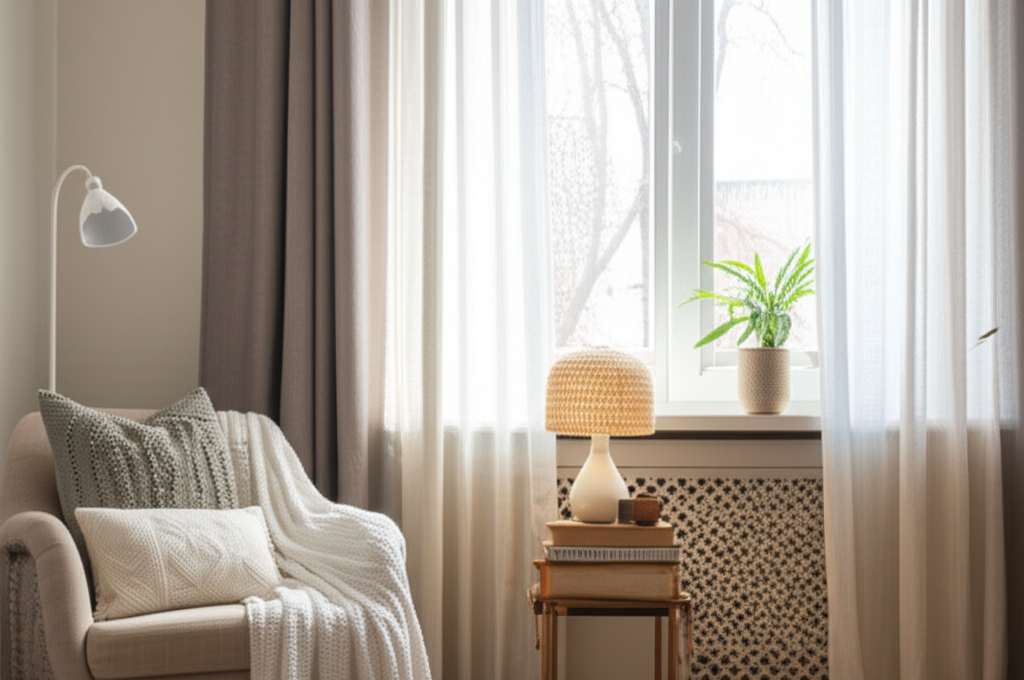
Transform your small room into a cozy sanctuary with these 5 simple decorating ideas. This guide offers practical, budget-friendly tips for beginners to create a warm, inviting, and stylish space without feeling overwhelmed.
Feeling like your small room is more cramped than cozy? You’re not alone!
Many of us dream of a comfortable, stylish haven, but a small space can feel like a big decorating challenge. It’s easy to get lost in a sea of tiny furniture and overwhelming ideas.
But what if creating that warm, inviting atmosphere was actually simple and fun? This guide is packed with easy-to-follow ideas designed to make your small room feel bigger, cozier, and perfectly you.
We’ll walk through five essential decorating strategies that will help you unlock your room’s full cozy potential. Get ready to transform your space!
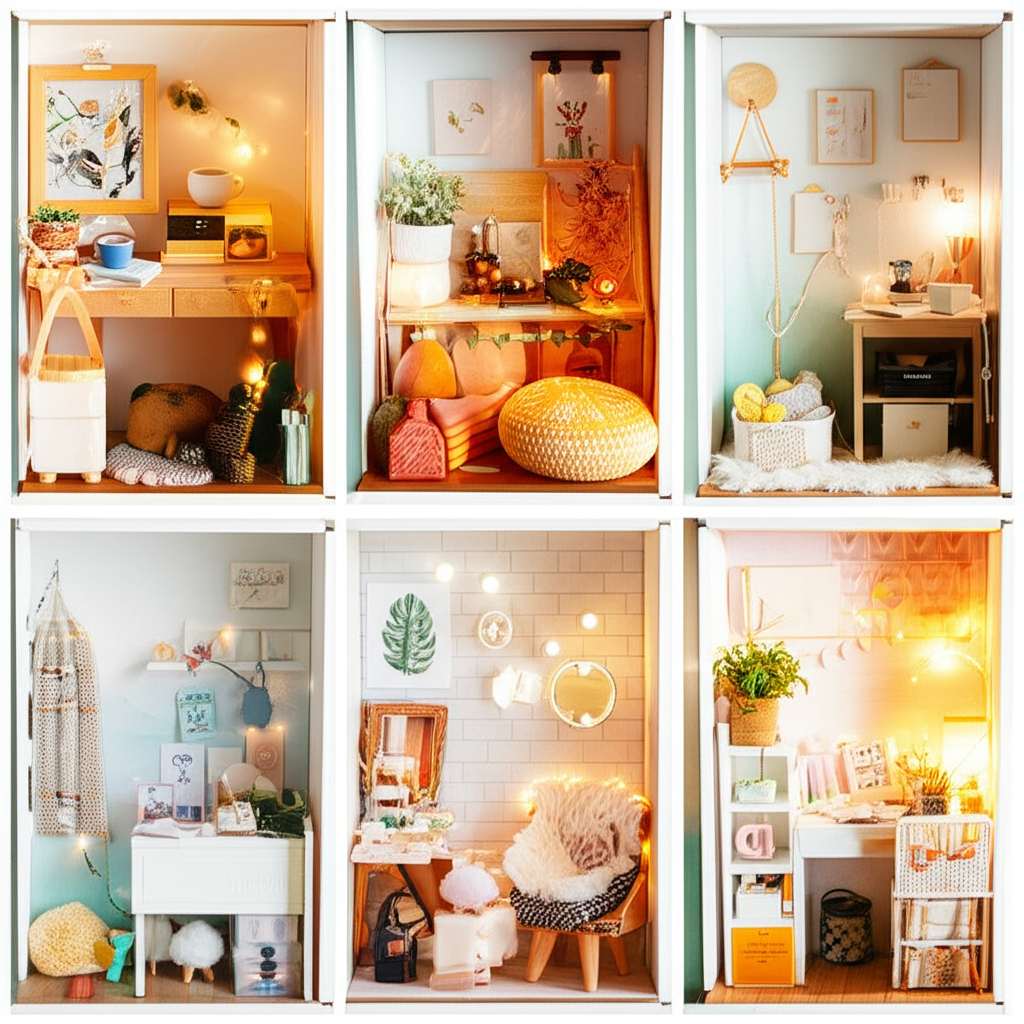
1. Embrace the Power of Light Colors
Light colors are your best friend when it comes to making a small room feel more spacious and airy. Think soft whites, gentle grays, pale blues, and subtle creams. These shades reflect light, making walls appear to recede and the room feel larger.
Don’t worry about these colors being boring! You can add personality and warmth through textures, patterns, and pops of color in your accessories. It’s all about creating a bright and welcoming base.
Painting Your Walls
The most impactful change you can make is painting your walls. Opt for a matte or eggshell finish, as these tend to absorb light and create a softer look, which enhances the cozy feel.
- Crisp White: A classic for a reason. It opens up the space and makes everything feel fresh.
- Soft Gray: Offers a modern, calming vibe and pairs beautifully with warmer accents.
- Pale Blue or Green: Brings a touch of nature indoors and creates a serene atmosphere.
- Warm Beige or Cream: Adds a gentle warmth without making the room feel small.
Ceiling Color Matters Too!
Don’t forget the ceiling! Painting it a bright white can make the room feel taller. If you want a cozier, more intimate feel, consider painting the ceiling a slightly darker shade than the walls, or even a very pale version of your wall color.
Light Furniture Choices
Beyond paint, choose furniture in lighter wood tones or upholstery in pale fabrics. This visual lightness prevents furniture from looking too heavy and dominating the space, contributing to an overall airy and open feel.
2. Smart Furniture Placement: Less is More
In a small room, every piece of furniture counts. The key is to be strategic about placement to maximize space and create a functional, comfortable layout. Avoid cluttering the room with too many items.
Think about the flow of movement. Can you easily walk around the room? Are there any awkward dead spaces? Smart placement makes a huge difference in how large and usable your room feels.
Create Zones
Even in a small room, you can define different areas for different activities. For example, in a studio apartment, use furniture to create a distinct sleeping area, a living space, and a workspace.
- Living Area: A small sofa or a couple of comfortable armchairs with a coffee table.
- Sleeping Area: A well-made bed, perhaps with a headboard that doubles as storage.
- Workspace: A slim desk and a comfortable chair, ideally near a window.
Use rugs to visually separate these zones. A well-placed rug can anchor a seating area or define the sleeping space, making the room feel more organized and intentional.
Utilize Vertical Space
When floor space is limited, look up! Tall, narrow bookshelves or wall-mounted shelves draw the eye upward, creating an illusion of height and providing valuable storage without taking up much floor area.
Consider floating shelves for a minimalist look or a tall étagère for a more decorative touch. This is a great way to display books, plants, and decorative items without cluttering surfaces.
Multi-Functional Furniture
This is a game-changer for small spaces! Invest in furniture that serves multiple purposes.
Ottomans with hidden storage, sofa beds, nesting tables, and beds with built-in drawers can significantly reduce the number of pieces you need, freeing up valuable space.
Here’s a quick look at some multi-functional furniture benefits:
| Furniture Type | Multi-Functional Feature | Benefit for Small Rooms |
|---|---|---|
| Storage Ottoman | Opens to reveal storage space | Hides blankets, remotes, magazines; can also serve as a footrest or extra seating. |
| Sofa Bed / Futon | Converts from sofa to bed | Perfect for guest rooms or studios, saving space by serving two functions. |
| Nesting Tables | Tables that tuck under each other | Provide extra surface space when needed, but can be neatly stored away. |
| Bed with Drawers | Built-in drawers underneath | Offers substantial storage for clothing, linens, or other items without visible clutter. |
Keep Pathways Clear
Ensure there’s a clear path to walk through the room. Avoid placing furniture directly in front of doorways or blocking natural traffic flow. This makes the room feel more open and easier to navigate.
3. The Magic of Mirrors and Strategic Lighting
Mirrors and good lighting are essential tools for any small space. They work together to bounce light around, create depth, and make your room feel much larger and more inviting.
Don’t underestimate the power of these elements! A well-placed mirror and thoughtful lighting can completely transform the atmosphere of a room.
Mirror, Mirror on the Wall
Mirrors are a decorator’s secret weapon for small rooms. They reflect light, making the room brighter, and create the illusion of more space by reflecting the room itself.
- Placement is Key: Hang a mirror opposite a window to maximize natural light reflection. A large floor mirror can also make a wall seem to disappear.
- Mirror Size: Don’t be afraid to go big! A large mirror can have a dramatic impact on making a space feel expansive.
- Decorative Mirrors: Even a collection of smaller decorative mirrors can add sparkle and interest while contributing to the sense of light and space.
Layer Your Lighting
Relying on a single overhead light can make a room feel flat and uninviting. Layering different types of lighting creates ambiance and warmth, making your small room feel cozier.
- Ambient Lighting: This is your general, overall light. It could be a stylish ceiling fixture or well-placed floor lamps.
- Task Lighting: Think about where you need light for specific activities. A reading lamp next to an armchair, a desk lamp for work, or bedside lamps for reading in bed.
- Accent Lighting: This adds warmth and highlights features. Think small lamps on shelves, picture lights, or even string lights for a magical touch.
Using dimmer switches is also a fantastic way to control the mood. You can brighten the room during the day and dim it down for a cozy evening glow.
Natural Light is Your Friend
Maximize the natural light you have! Keep window treatments simple and light. Avoid heavy, dark curtains that block light. Sheer curtains or blinds that can be easily opened fully are ideal.
A clean window can let in significantly more light. Remember to clean your windows regularly! For more information on how natural light impacts well-being, check out resources from the U.S. Department of Energy, which discusses the benefits and applications of daylighting in buildings.
4. Texture, Texture, Texture!
In small spaces, texture is your secret ingredient for adding warmth, depth, and personality without overwhelming the senses. It’s how you make a room feel cozy and inviting, even with a neutral color palette.
Think about how different materials feel and look. Mixing textures adds visual interest and makes a space feel more layered and lived-in.
Soft Furnishings
This is where coziness truly shines! Add plenty of soft elements to your room.
- Throws and Blankets: Drape soft, chunky knit throws over sofas and chairs. They add instant warmth and texture.
- Cushions: Pile on decorative cushions in various fabrics like velvet, faux fur, linen, or chunky weaves.
- Rugs: A plush rug underfoot can make a world of difference. Consider a shag rug for ultimate coziness or a woven jute rug for a natural, earthy feel.
Natural Materials
Incorporating natural materials adds an organic, comforting feel.
- Wood: Wooden furniture, shelves, or decorative accents bring warmth and a connection to nature.
- Plants: Greenery instantly breathes life into a room and adds a natural, calming texture.
- Wicker or Rattan: Baskets, chairs, or decorative items made from these materials add a relaxed, bohemian, and textural element.
Wall Treatments
Beyond paint, consider textured wallpaper for an accent wall. Think subtle grasscloth, a soft linen-look, or even a gentle geometric pattern. This adds depth and sophistication.
Even simple things like a textured picture frame or a ceramic vase can contribute to the overall textural richness of your room.
Mixing Materials
Don’t be afraid to mix different materials. For example, pair a smooth, cool metal lamp with a soft fabric shade, or a sleek glass coffee table with a cozy, textured rug.
This contrast in textures makes the room more interesting and appealing to the senses, enhancing the overall cozy vibe.
5. Personal Touches and Smart Storage
A cozy room is a room that feels like you. Personal touches make a space feel warm and inviting. But in a small room, it’s crucial to balance these personal items with smart storage solutions to avoid clutter.
The goal is to display what you love while keeping everything else neatly tucked away. This creates a serene and welcoming environment.
Display What You Love
Showcase your favorite photos, artwork, souvenirs, or collections. These items tell your story and make your room unique and personal.
- Gallery Walls: Create a focal point with a curated collection of framed art and photos. Mix sizes and frames for an eclectic look.
- Shelving Displays: Use open shelves to artfully arrange books, small plants, and decorative objects.
- Meaningful Objects: Display items that hold special memories or bring you joy.
Clutter-Free Zones
Clutter is the enemy of coziness and spaciousness. Implement smart storage solutions to keep your room tidy.
- Baskets and Bins: Stylish baskets are perfect for storing magazines, remotes, extra blankets, or toys. They add texture and organization.
- Drawer Organizers: Keep drawers neat and tidy with dividers for clothes, office supplies, or toiletries.
- Under-Bed Storage: Utilize the space under your bed with storage boxes or drawers for seasonal items or extra linens.
- Wall-Mounted Storage: As mentioned before, shelves and cabinets mounted on the wall save floor space.
The key is to have a designated place for everything. This makes tidying up quick and easy, helping you maintain a calm and cozy atmosphere.
Bring in Greenery
Plants not only add a touch of nature and color but also improve air quality and can make a space feel more alive and welcoming. Choose plants that suit your room’s light conditions.
Even a small succulent or a hanging plant can make a difference. For more on the benefits of indoor plants, you can explore resources from The Royal Horticultural Society.
Create a Cozy Nook
Designate a small corner as your personal retreat. This could be a comfortable armchair with a good reading lamp and a small side table for a cup of tea. It’s a dedicated spot for relaxation and unwinding.
This nook becomes a focal point for comfort, making the entire room feel more inviting and functional.
FAQ: Your Small Room Decorating Questions Answered
Here are some common questions beginners have about decorating small rooms:
Q1: How can I make my small bedroom feel bigger without knocking down walls?
A1: Focus on light colors for walls and furniture, use mirrors to reflect light and space, keep furniture minimal and functional, and maximize natural light. Utilizing vertical space with shelves also helps create an illusion of height.
Q2: What kind of furniture is best for a small living room?
A2: Opt for multi-functional furniture like sofa beds or ottomans with storage. Choose pieces with slim profiles and consider furniture that is elevated off the floor to create a sense of openness. Avoid oversized, bulky items.
Q3: I have a very small kitchen. How can I make it feel cozier and more functional?
A3: Use light, reflective colors on cabinets and walls. Add under-cabinet lighting for task illumination. Use wall-mounted shelves for frequently used items and decorative storage jars. Keep countertops as clear as possible. Adding a small rug can also add warmth. For more inspiration, check out our guide on 10 Cozy Small Kitchen Ideas.
Q4: Can I use dark colors in a small room?
A4: Yes, but sparingly! Dark colors can create a cozy, dramatic, or intimate feel if used strategically. Consider using them as an accent wall, on furniture pieces, or in accessories like cushions and throws. Ensure you have plenty of artificial and natural light to balance the darker tones.
Q5: How do I decorate a small rental space when I can’t paint?
A5: Focus on elements you can change: textiles like rugs, curtains, and cushions. Use large-scale artwork or a removable wallpaper accent wall. Add plenty of plants and mirrors. Furniture with a light color palette and leggy designs can also help create a sense of space.
Q6: What’s the best way to arrange furniture in a small room to avoid it feeling cluttered?
A6: Create clear pathways. Place larger pieces against walls. Use multi-functional furniture to reduce the number of items. Consider floating shelves and wall-mounted storage. Group furniture to create functional zones, like a seating area or a reading corner.
Q7: How important is lighting for small room decor?
A7: Lighting is incredibly important! Layered lighting (ambient, task, accent) creates depth and mood. Natural light should be maximized. Mirrors placed strategically to reflect light are also crucial. Good lighting can make a small room feel much larger and more inviting.
Conclusion: Your Cozy Haven Awaits!
Decorating a small room doesn’t have to be a daunting task. By focusing on light colors, smart furniture placement, the magic of mirrors and lighting, rich textures, and personal touches with clever storage, you can transform any small space into a cozy, stylish, and functional sanctuary.
Remember, it’s about making choices that enhance the feeling of space and comfort. Don’t be afraid to experiment and have fun with it!
Each of these ideas, when applied thoughtfully, can make a significant difference. You’ve got this!
Start with one or two ideas that resonate most with you, and gradually bring your cozy vision to life. Your beautifully decorated, inviting space is just a few steps away.
For more tips on maximizing small spaces, explore our article on stylish kitchen storage solutions—many of the principles apply to any room in your home.