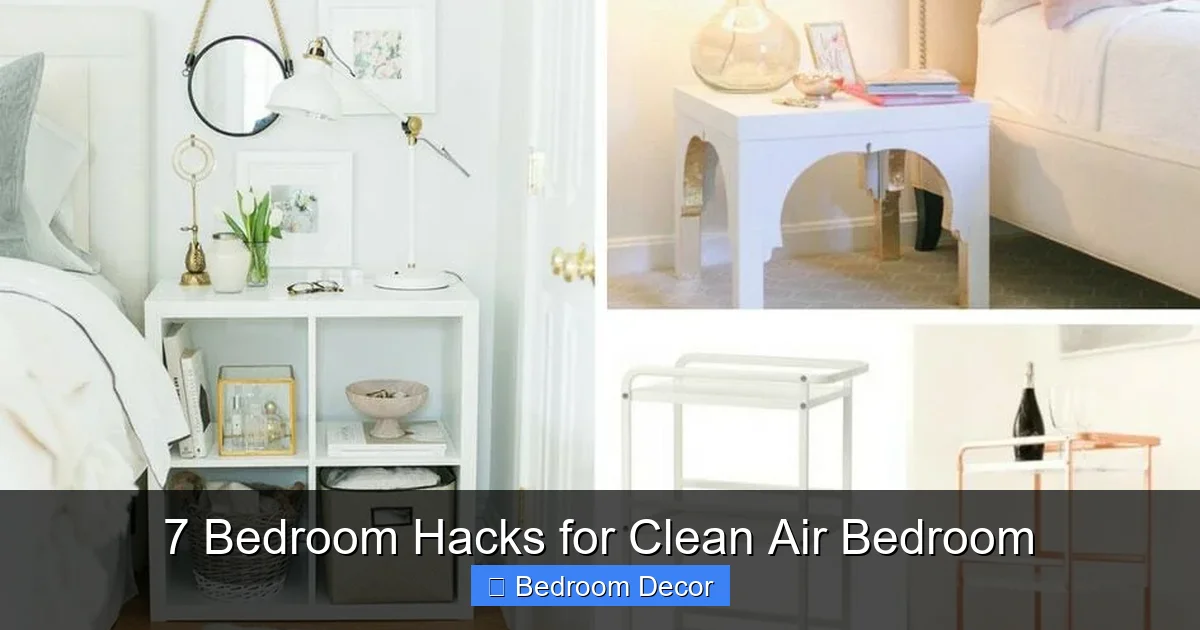
Transform your sleeping sanctuary into a haven of fresh, clean air with these 7 simple yet powerful bedroom hacks. By implementing strategies like improving ventilation, incorporating air-purifying plants, and regular deep cleaning, you can significantly reduce allergens and toxins. Experience a healthier environment and better quality sleep, breathing easier every night.
Picture this: you wake up feeling refreshed, without a stuffy nose or an itchy throat. Your bedroom feels crisp, light, and wonderfully breathable. Sounds like a dream, right? Well, it doesn’t have to be!
The air quality in our bedrooms often gets overlooked, yet it’s where we spend roughly a third of our lives. Poor indoor air can contribute to allergies, asthma, restless sleep, and even long-term health issues. Things like dust mites, pet dander, mold spores, volatile organic compounds (VOCs) from furniture or cleaning products, and even pollutants from outside can all accumulate in your sleep space.
The good news? You have the power to create a sanctuary of fresh, clean air right where you rest. This comprehensive guide will walk you through 7 practical, easy-to-implement bedroom hacks designed to transform your bedroom into a haven of purity. Get ready to breathe easier, sleep better, and boost your overall well-being with a truly clean air bedroom!
Key Takeaways
- Embrace Natural Ventilation: Regularly opening windows and utilizing fans are cost-effective ways to flush out stale air and bring in fresh outdoor air, significantly improving your clean air bedroom environment.
- Leverage Air-Purifying Plants: Introduce specific indoor plants like Snake Plants or Peace Lilies to naturally filter airborne toxins, adding both beauty and function to your sleep space.
- Invest in HEPA Filtration: A high-quality air purifier with a HEPA filter is crucial for capturing tiny particles, allergens, and pollutants that natural methods might miss, ensuring truly clean air for your bedroom.
- Master Dust and Allergen Control: Consistent cleaning, using allergen-proof bedding, and decluttering are fundamental steps to minimize dust mites, pet dander, and other irritants that compromise air quality.
- Choose Non-Toxic Products: Opt for low-VOC paints, natural cleaning supplies, and avoid synthetic fragrances in candles or air fresheners to prevent releasing harmful chemicals into your personal breathing space.
- Regulate Indoor Humidity: Maintaining optimal humidity levels (between 40-60%) with humidifiers or dehumidifiers prevents mold growth and discourages dust mites, both of which are detrimental to a clean air bedroom.
- Manage Pet Dander Proactively: If you have pets, establish pet-free zones and maintain a strict grooming and cleaning routine to keep pet allergens from overwhelming your bedroom’s air quality.
Hack 1: Boost Your Bedroom’s Natural Airflow
One of the simplest and most effective ways to improve your bedroom’s air quality is to let the outside in. Stale air accumulates pollutants, dust, and odors. Good ventilation flushes these out and replaces them with fresh air.
Open Windows Regularly
It sounds obvious, but many of us forget to do this! Make it a daily habit, even for just 10-15 minutes. Cross-ventilation is best, so if possible, open windows on opposite sides of your bedroom or house. This creates a refreshing breeze that sweeps out stagnant air.
- Morning Routine: Open windows when you first wake up to clear out any overnight buildup of CO2 and other compounds.
- Evening Refresh: If the outdoor air quality is good and temperatures allow, open them again before bed to cool down the room and bring in fresh air for a comfortable night’s sleep.
- Weather Considerations: On days with high pollen counts or poor outdoor air quality (e.g., during wildfires or heavy smog), keep windows closed and rely on other hacks like air purifiers. However, on most days, a quick airing out is incredibly beneficial for a clean air bedroom.
Utilize Fans Effectively
Fans don’t purify air, but they do an excellent job of circulating it, which is vital for preventing stuffiness and distributing fresh air when windows are open.
- Ceiling Fans: Use ceiling fans year-round. In summer, run them counter-clockwise to create a cooling downdraft. In winter, switch to clockwise at a low speed to gently push warm air down from the ceiling.
- Box or Tower Fans: Place a fan near an open window, facing outwards, to pull stale air out of the room. Alternatively, place it facing inwards to draw fresh air in. Combining both can create a powerful air exchange.
- Bathroom/Kitchen Exhaust Fans: If your bedroom is near these rooms, consider running their exhaust fans for a short period. They help remove moisture and odors from adjacent spaces, indirectly contributing to a fresher home environment, including your clean air bedroom.
Hack 2: Introduce Air-Purifying Plants
Nature offers a beautiful solution to indoor air pollution: plants! Certain houseplants are incredibly effective at filtering common indoor toxins, acting as living air purifiers.
Visual guide about 7 Bedroom Hacks for Clean Air Bedroom
Image source: pribbles.com
Choose the Right Green Companions
Not all plants are created equal when it comes to air purification. Here are some of the best for your clean air bedroom, along with what they target:
- Snake Plant (Sansevieria trifasciata): Known for converting CO2 into oxygen at night, unlike most plants. Also removes formaldehyde, benzene, trichloroethylene, and xylene. Extremely low maintenance!
- Peace Lily (Spathiphyllum): Excellent for removing ammonia, benzene, formaldehyde, and trichloroethylene. Plus, they produce beautiful white flowers. Keep them away from pets as they can be toxic if ingested.
- Spider Plant (Chlorophytum comosum): One of the easiest to grow, effective at fighting formaldehyde, xylene, and carbon monoxide. Safe for pets.
- Aloe Vera (Aloe barbadensis miller): Not just for sunburns! It helps clear formaldehyde and benzene, often found in chemical-based cleaners.
- Boston Fern (Nephrolepis exaltata ‘Bostoniensis’): A humidity-loving plant that excels at removing formaldehyde and xylene.
Care for Your Plant Purifiers
To ensure your plants thrive and continue to purify, proper care is essential.
- Watering: Follow specific watering instructions for each plant. Overwatering can lead to root rot and mold growth, which would defeat the purpose of a clean air bedroom.
- Light: Place plants in areas with appropriate light levels for their species (e.g., indirect light for Peace Lilies, brighter for Snake Plants).
- Dusting: Gently wipe dust off plant leaves regularly. Dust can clog their pores and reduce their air-purifying efficiency. Use a damp cloth or a soft brush.
- Potting Soil: While plants are great, their soil can sometimes harbor mold spores. Consider topping soil with activated charcoal or decorative pebbles to minimize mold growth. Repotting every few years with fresh, high-quality potting mix is also a good idea.
Hack 3: Invest in a Quality Air Purifier
While natural ventilation and plants do wonders, a dedicated air purifier acts as a powerful backup, especially for those with allergies or sensitivities, or when outdoor air quality isn’t ideal. It’s a key investment for a truly clean air bedroom.

Visual guide about 7 Bedroom Hacks for Clean Air Bedroom
Image source: thumbs.dreamstime.com
Understand HEPA Filters
The heart of any good air purifier is its filter system. Look for models with a True HEPA filter.
- What is HEPA? HEPA stands for High-Efficiency Particulate Air. A True HEPA filter can capture at least 99.97% of airborne particles 0.3 microns in size. This includes dust mites, pollen, pet dander, mold spores, and even some bacteria and viruses.
- Activated Carbon Filters: Many good air purifiers also include an activated carbon filter. This is crucial for removing odors, smoke, and volatile organic compounds (VOCs) that HEPA filters don’t capture.
- Avoid Ionizers/Ozone Generators: Be cautious of purifiers that produce ozone, as ozone can be an irritant to the lungs. Look for “ozone-free” or “CARB-certified” labels.
Placement and Maintenance
Where you put your air purifier and how you care for it significantly impact its effectiveness.
- Strategic Placement: Place your air purifier in the bedroom, ideally where air circulates freely, not tucked away in a corner. Central placement can be good, or near your bed if you have severe allergies.
- Sizing: Make sure the purifier is appropriately sized for your bedroom. Check the “CADR” (Clean Air Delivery Rate) and “ACH” (Air Changes Per Hour) ratings. Aim for an ACH of at least 4-5 for a bedroom, meaning it cleans the air 4-5 times every hour.
- Filter Replacement: This is critical! Filters get saturated and lose effectiveness over time. Follow the manufacturer’s recommendations for replacing HEPA and carbon filters (typically every 6-12 months for HEPA, more often for carbon depending on usage and air quality). Neglecting this turns your purifier into a dust collector, not an air cleaner.
- Run Time: Run your air purifier constantly, especially while you sleep. Many models have quiet “sleep modes” for this purpose.
Hack 4: Master Dust and Allergen Control
Dust is a major culprit for poor indoor air quality, and it’s not just annoying – it often carries dust mites, pet dander, pollen, and other allergens. A systematic approach to cleaning is vital for a truly clean air bedroom.
Visual guide about 7 Bedroom Hacks for Clean Air Bedroom
Image source: organizationobsessed.com
Establish a Regular Cleaning Routine
Consistency is key to keeping dust and allergens at bay.
- Weekly Dusting: Use a damp cloth or a microfiber cloth to dust all surfaces. These capture dust rather than just pushing it around. Don’t forget hard-to-reach spots like ceiling fan blades, baseboards, and tops of wardrobes.
- Vacuuming: Vacuum carpets and rugs at least once or twice a week. If possible, use a vacuum cleaner with a HEPA filter to prevent fine particles from being recirculated back into the air.
- Hard Floors: Sweep or damp mop hard floors regularly. This effectively removes dust and allergens without kicking them back into the air.
- Curtains and Blinds: Wash curtains seasonally or vacuum fabric blinds. Wipe down hard blinds with a damp cloth.
Protect Your Bedding
Your bed is a prime breeding ground for dust mites and a collection point for allergens.
- Wash Bedding Frequently: Wash sheets, pillowcases, and duvet covers weekly in hot water (at least 130°F / 54°C) to kill dust mites.
- Allergen-Proof Covers: Invest in zippered allergen-proof covers for your mattress, pillows, and duvet. These create a barrier, preventing dust mites and their droppings from accumulating in your bedding, which is crucial for a clean air bedroom.
- Pillow/Duvet Replacement: Replace pillows every 1-2 years and duvets every 3-5 years, as they can become heavy with dust mites and allergens over time.
Declutter for Dust-Free Zones
Less stuff means less surface area for dust to settle and fewer places for allergens to hide.
- Minimize Open Storage: Bookshelves filled with books, decorative knick-knacks, and piles of clothes are magnets for dust. Store items in closed cabinets or drawers whenever possible.
- Clear Surfaces: Keep bedside tables and dressers as clear as possible. This makes dusting much quicker and more effective.
- Minimalist Decor: Consider a more minimalist approach to your bedroom decor to reduce dust traps and create a visually calming, easy-to-clean space.
Hack 5: Go Non-Toxic with Products and Furnishings
Many common household products and even new furniture can off-gas harmful chemicals called Volatile Organic Compounds (VOCs) into your bedroom air. These can cause headaches, dizziness, and respiratory irritation. Creating a clean air bedroom means minimizing these hidden toxins.
Choose Low-VOC Paints and Furniture
The “new car smell” or “new paint smell” is often due to VOCs. Be mindful when renovating or furnishing.
- Low-VOC Paints: When painting, choose paints labeled “low-VOC” or “zero-VOC.” Allow for plenty of ventilation during and after painting to air out any remaining fumes.
- Solid Wood Furniture: Opt for solid wood furniture over particle board or MDF, which often contain formaldehyde-releasing glues. If you do buy engineered wood, look for brands that use low-VOC adhesives and finishes, and try to “off-gas” it in a well-ventilated area (like a garage) for a few days before bringing it into your bedroom.
- Natural Materials: Consider bedding and upholstery made from natural, organic fibers like cotton, wool, linen, or bamboo, which are less likely to contain synthetic chemicals and dyes.
Opt for Natural Cleaning Supplies
The harsh chemicals in many conventional cleaners can irritate your respiratory system and leave behind toxic residues.
- DIY Cleaners: Simple ingredients like white vinegar, baking soda, lemon juice, and water can clean most surfaces effectively without harmful fumes. For example, a mixture of equal parts water and white vinegar makes an excellent all-purpose cleaner.
- “Green” Certified Products: If you prefer store-bought cleaners, look for products that are “green” certified by reputable organizations and clearly state they are free of harsh chemicals, ammonia, phthalates, and strong fragrances.
Ditch Synthetic Fragrances
That seemingly pleasant scent from air fresheners, scented candles, or plug-ins often comes from synthetic chemicals that can irritate airways and contribute to poor indoor air quality.
- Avoid Artificial Scents: Steer clear of conventional air fresheners, sprays, and heavily scented candles. These can release VOCs and other particulate matter.
- Natural Alternatives: If you enjoy a pleasant scent, consider diffusing pure essential oils (use sparingly and ensure good ventilation), using bowls of dried potpourri (natural, unscented, or lightly scented with essential oils), or simply relying on the fresh scent of a clean air bedroom. Fresh flowers (if you don’t have pollen allergies) can also add a natural aroma.
Hack 6: Manage Humidity Levels
Humidity plays a significant role in indoor air quality. Too much moisture encourages mold growth and dust mites, while too little can dry out your respiratory passages. Maintaining an optimal range is crucial for a healthy, clean air bedroom.
Combat Excess Moisture (Dehumidifiers)
Ideal indoor humidity levels are generally between 40% and 60%. If your bedroom feels damp, smells musty, or you notice condensation on windows, you likely have high humidity.
- Use a Dehumidifier: A dehumidifier can effectively pull excess moisture out of the air. Choose one that’s appropriately sized for your room and clean its filter and empty the water reservoir regularly to prevent bacterial growth.
- Ventilation: Combine dehumidification with good ventilation (as in Hack 1) to prevent moisture buildup from activities like showering or cooking nearby.
- Fix Leaks: Address any plumbing leaks or water intrusions immediately to prevent mold growth.
Add Moisture When Needed (Humidifiers)
In dry climates or during winter months when heating systems dry out the air, humidity can drop too low, leading to dry skin, scratchy throats, and increased susceptibility to colds.
- Use a Humidifier: A humidifier adds moisture to the air. Opt for a cool-mist humidifier. Ensure you use distilled water and clean it frequently (daily is ideal) to prevent the growth of bacteria and mold within the unit, which could then be dispersed into your clean air bedroom.
- Monitor Levels: Use a hygrometer (a device that measures humidity) to keep track of your bedroom’s humidity levels and ensure they stay within the healthy 40-60% range.
Prevent Mold and Mildew
Mold thrives in damp, dark environments and can trigger allergies, asthma, and other health issues.
- Immediate Cleanup: If you spot any mold, clean it immediately with a solution of water and white vinegar or a mold-specific cleaner. For large areas, consider professional help.
- Reduce Clutter: Ensure good airflow around furniture and avoid pushing it too close to walls, especially exterior ones, to prevent moisture trapping.
- Check for Leaks: Regularly inspect for any signs of water leaks from pipes, roofs, or windows.
Hack 7: Minimize Pet Dander and Allergens
For pet owners, furry friends are family, but they’re also a significant source of allergens in the bedroom. Pet dander (tiny flakes of skin), hair, and even dried saliva can float in the air and trigger reactions. Managing these allergens is crucial for a clean air bedroom.
Create Pet-Free Zones
The most effective strategy for managing pet allergens in your sleep space is to keep pets out of the bedroom entirely.
- Bedroom Barrier: Make your bedroom a strict “no-pet zone.” Keep the door closed to prevent dander from entering.
- Dedicated Pet Beds: Provide comfortable beds for your pets in other areas of the house.
- HEPA Air Purifier: Even with a pet-free bedroom, a HEPA air purifier (Hack 3) is highly recommended to catch any stray dander that might find its way in.
Regular Pet Grooming and Cleaning
Reducing the amount of dander and hair your pet sheds throughout the house will benefit your entire home’s air quality, including your bedroom.
- Frequent Bathing: Bathe your pet regularly (as recommended by your vet or groomer) to reduce dander.
- Brushing: Brush your pet daily, preferably outdoors, to remove loose hair and dander before it has a chance to spread throughout your home.
- Pet Bed Cleaning: Wash your pet’s bedding frequently in hot water.
- Vacuuming and Cleaning: Increase the frequency of vacuuming and cleaning floors and furniture in common areas where pets spend time. Remember to use a vacuum with a HEPA filter.
- Hand Washing: Wash your hands after petting your animal, especially before touching your face, to prevent transferring allergens.
Troubleshooting Common Clean Air Bedroom Issues
Even with the best intentions, you might encounter persistent issues. Here are a few common problems and how to tackle them:
- Persistent Musty Odor: This often indicates mold or mildew. Check behind furniture, under rugs, and in closets for visible mold. Use a dehumidifier if humidity is high. Activated charcoal bags can also absorb odors.
- Still Experiencing Allergies/Asthma:
- Re-evaluate Cleaning: Are you washing bedding often enough in hot water? Is your vacuum’s HEPA filter clean?
- Professional Cleaning: Consider professional carpet or upholstery cleaning periodically.
- Consult a Doctor: If symptoms persist, consult an allergist. They might recommend specific allergy testing or treatments.
- Check HVAC Filters: Don’t forget to regularly change the air filter in your home’s central heating and cooling system. Use high-MERV (Minimum Efficiency Reporting Value) filters (MERV 11-13) for better particle capture.
- Can’t Open Windows (Noise, Security, Weather): Rely more heavily on a high-quality HEPA air purifier (Hack 3) and ensure good air circulation with fans (Hack 1). Use exhaust fans in bathrooms and kitchens.
Conclusion
Creating a clean air bedroom is one of the most impactful things you can do for your health and well-being. It’s not just about removing dust; it’s about eliminating hidden toxins, managing allergens, and ensuring that the air you breathe during your most vulnerable hours is as pure as possible.
By implementing these 7 simple yet powerful bedroom hacks – from boosting natural airflow and embracing air-purifying plants to investing in smart filtration and meticulous cleaning – you’re actively working to build a healthier sanctuary. Each step contributes to a noticeably fresher, cleaner environment, paving the way for deeper sleep, reduced allergy symptoms, and a greater sense of calm and vitality. Start today, and experience the profound difference a truly clean air bedroom can make!