Creating a minimalist mom and baby room is achievable with smart, essential ideas focusing on functionality and calm. Prioritize multi-functional furniture, declutter ruthlessly, and use a soothing color palette. These 7 essential tips will help you design a serene, organized space for both you and your little one.
Welcoming a new baby is a joyous time, but it can also bring a wave of clutter and overwhelm. Many new parents wonder how to create a peaceful, functional space for both themselves and their little one, especially when sharing a room. It feels like a big task, right?
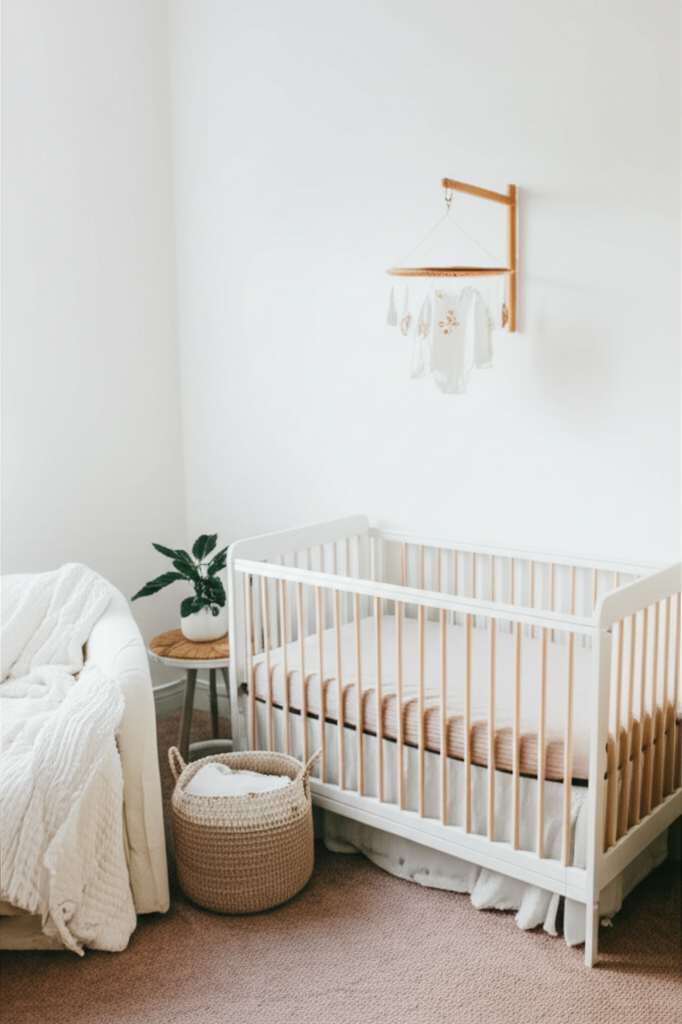
You want a calm sanctuary, not a chaotic storage unit. But with tiny clothes, mountains of toys, and essential gear, how do you achieve that serene vibe? Don’t worry, it’s completely doable!
This guide is here to help. We’ll break down 7 essential minimalist mom and baby room ideas that focus on simplicity, style, and practicality. Get ready to transform your shared space into a haven of tranquility.
Why Embrace Minimalism for Mom and Baby Rooms?
Minimalism isn’t about deprivation; it’s about intentional living. For a mom and baby room, it means creating a space that supports rest, bonding, and ease of care, rather than adding to the stress.
A minimalist approach helps reduce visual clutter, which can be incredibly calming for both you and your baby. Think about it: a tidy room means less time searching for things and more time for precious moments.
It also encourages you to be more mindful about what you bring into the space, focusing on items that are truly needed or bring you joy. This can save money and reduce waste, which is a win-win for everyone.
7 Essential Minimalist Mom & Baby Room Ideas
Let’s dive into the practical, beginner-friendly ideas that will help you curate a minimalist mom and baby haven. These are designed to be adaptable to any room size, whether you’re working with a cozy nook or a spacious room.
1. Invest in Multi-Functional Furniture
When space is at a premium, every piece of furniture needs to work double duty. This is where smart, multi-functional pieces shine in a minimalist mom and baby room.
Think about a crib that converts into a toddler bed, or a changing table that doubles as a dresser. These items grow with your child and reduce the need for multiple pieces of furniture, saving space and money.
Consider a sleek glider or rocking chair that you’ll love using long after the baby phase. Look for pieces with built-in storage to keep essentials out of sight. This keeps the room feeling open and uncluttered.
Examples of Multi-Functional Furniture:
- Convertible cribs (crib to toddler bed to daybed)
- Changing table/dresser combos
- Ottomans or benches with hidden storage
- Gliders with side pockets for stowing baby essentials
- Wall-mounted shelves that can be repurposed later
2. Master the Art of Decluttering
Minimalism starts with letting go. Be ruthless but realistic about what you truly need for the shared room. It’s easy for baby items to multiply quickly!
Before you even start decorating, take stock of everything. What items are used daily? What can be stored elsewhere? What can be donated or sold? Focus on quality over quantity.
For baby clothes, only keep out what fits your baby now and what’s in season. Store out-of-season or larger sizes elsewhere. The same goes for toys and gear – rotate items to keep things fresh without excess.
Decluttering Checklist:
- Clothes (too small, too big, out of season)
- Toys (broken, unused, duplicates)
- Baby Gear (items outgrown or not used)
- Decor Items (only keep what serves a purpose or brings significant joy)
3. Choose a Soothing, Neutral Color Palette
A calm environment is key for both mom and baby. Neutral colors like soft whites, creams, grays, and muted pastels create a serene backdrop that promotes relaxation and sleep.
These colors also make the room feel larger and brighter. They provide a versatile base that’s easy to accessorize with pops of color or texture later on, if desired.
Avoid overly bright or stimulating colors on large surfaces like walls. If you love color, introduce it through small decorative items like a rug, a piece of art, or a few throw pillows.
Color Palette Inspiration:
| Base Colors | Accent Colors | Feeling |
|---|---|---|
| Soft White, Cream | Light Gray, Dusty Rose | Airy, Gentle |
| Light Gray, Beige | Muted Sage Green, Soft Blue | Calm, Grounded |
| Warm White, Taupe | Terracotta, Mustard Yellow (sparingly) | Cozy, Natural |
4. Smart Storage Solutions Are Your Best Friend
Minimalism thrives on effective organization. Smart storage is crucial for keeping a mom and baby room tidy and functional.
Think vertical! Wall shelves, over-the-door organizers, and hanging closet systems can maximize space without taking up floor area. Baskets and bins are excellent for corralling smaller items.
Utilize the space under the crib or bed with attractive storage boxes. Labeling containers can help you quickly find what you need, especially during those late-night feedings.
For a deeper dive into organizing, check out resources from organizations like the Environmental Protection Agency (EPA) on reducing waste and thinking sustainably, which aligns perfectly with minimalist principles.
Storage Ideas:
- Floating shelves for books and decor
- Drawer organizers for clothes and accessories
- Woven baskets for blankets, toys, and diapers
- Under-crib storage bins
- Wall-mounted pegboards for easy access to frequently used items
5. Create Designated Zones
Even in a shared room, defining specific areas can bring order and intention. Think about zones for sleeping, changing/diapering, feeding, and mom’s relaxation.
Use rugs to visually separate areas. A soft rug under the crib can define the sleep zone, while a comfortable chair and small side table can create a cozy feeding nook.
Keep the changing station organized with all necessary supplies within easy reach. This might be a changing pad on top of a dresser or a dedicated changing table. Having everything in its place minimizes disruption.
Consider how you move around the room. Ensure pathways are clear and that essential items are easily accessible without having to navigate through clutter.
6. Prioritize Comfort and Safety
Minimalism doesn’t mean sacrificing comfort or safety. In fact, a less cluttered space can often be safer and more conducive to restful sleep for everyone.
Ensure all furniture meets current safety standards. This includes cribs, changing tables, and any seating. Secure furniture to the wall to prevent tipping, especially if you have an active baby or toddler.
Choose soft, breathable fabrics for bedding and textiles. Opt for organic materials where possible for a healthier environment. Think about blackout curtains to aid sleep and soft, dim lighting for nighttime.
Consider air quality. Minimalist decor often means fewer synthetic materials and less dust-collecting items, which is great for baby’s respiratory health. You can also explore resources on maintaining healthy indoor air quality from institutions like the U.S. Environmental Protection Agency (EPA).
7. Embrace a “Less is More” Decor Approach
Decor in a minimalist mom and baby room should be intentional and functional. Avoid filling every surface with knick-knacks.
Choose a few meaningful pieces of art or decor that add personality without overwhelming the space. A beautiful mobile above the crib, a curated bookshelf, or a lovely plant can add warmth.
Focus on textures to add interest. Think soft blankets, a plush rug, or natural materials like wood. These elements add depth and coziness without visual noise.
When considering new decor, ask yourself: “Does this add value or just take up space?” If it’s the latter, it’s probably not essential for a minimalist room.
Styling Your Minimalist Mom & Baby Room: A Visual Guide
To help you visualize these ideas, let’s consider a few common scenarios and how minimalism can transform them.
Scenario 1: Small Apartment Shared Room
In a small space, every square inch counts. Opt for a convertible crib that doubles as a daybed later. Use wall-mounted shelves above the crib for books and a few cherished items.
A compact glider with storage pockets is perfect. A slim dresser can serve as both clothing storage and a changing station with a padded topper. Use under-bed storage for less frequently accessed items.
Scenario 2: Larger Room with Separate Areas
Even in a larger room, resist the urge to fill it. Define zones with rugs. Place the crib in a quiet corner. Create a comfortable reading nook for mom with a plush armchair and a floor lamp.
A stylish dresser can be the centerpiece for changing, with a beautiful mirror above it. Keep baby’s play area contained with a soft mat and a select few toys readily available.
Scenario 3: Neutral Palette with a Pop of Color
Start with a base of soft grays and whites. Add a gentle blush pink or a calming sage green through a rug, a throw pillow, or a piece of wall art. This adds personality without making the room feel busy.
Natural wood tones in furniture or decor can add warmth. Consider a beautiful woven laundry basket or a wooden toy chest.
Frequently Asked Questions (FAQs)
Q1: What is the most important principle of minimalist mom and baby room design?
The most important principle is intentionality. Every item and design choice should serve a purpose, whether it’s functional, emotional, or promotes well-being, while minimizing unnecessary clutter.
Q2: How can I make a minimalist room feel warm and inviting, not sterile?
Use soft textures like plush rugs, knitted blankets, and soft bedding. Incorporate natural materials like wood and plants. Add a few meaningful decorative items or personal photos.
For more inspiration on creating a cozy atmosphere with minimalist decor, check out our guide on 10 Minimal Decor Ideas for Kitchens, which shares similar principles for intentional, calming design.
Q3: Is it okay to have toys in a minimalist baby room?
Absolutely! The key is curation. Keep only a select number of favorite or developmental toys accessible. Store others away and rotate them periodically to keep things fresh and manageable.
Q4: How much storage do I really need for a baby?
It varies, but aim for smart, accessible storage. Focus on what you use daily. Utilize vertical space and multi-functional furniture. Store out-of-season clothing or larger items elsewhere if possible.
If you’re looking for stylish yet functional storage options, explore our curated list of 10 Stylish Kitchen Storage Accessories—many of these solutions can be adapted beautifully to a nursery or shared room.
Q5: What colors are best for a minimalist nursery?
Neutral and muted tones are ideal. Think whites, creams, grays, and soft pastels like light blues, greens, or blush pinks. These create a calming atmosphere conducive to rest.
Q6: How do I balance my needs and my baby’s needs in a shared room?
Create distinct zones. Ensure you have a comfortable spot for feeding or resting. Use blackout curtains for sleep. Keep your essentials organized and accessible, just like the baby’s.
Q7: Can I achieve a minimalist room on a budget?
Yes! Minimalism often aligns well with budget-friendly approaches. Focus on multi-functional pieces, declutter and sell what you don’t need, shop second-hand for quality items, and DIY where possible.
For additional budget-conscious ideas, see our post on 8 Minimalist Kitchen Essentials: Smart Savings, which highlights affordable, high-impact choices that can inspire your nursery design.
Conclusion
Designing a minimalist mom and baby room is a journey towards creating a more peaceful, functional, and intentional living space. By focusing on multi-functional furniture, smart storage, and a calming aesthetic, you can transform your room into a serene sanctuary for both you and your little one.
Remember, minimalism is about creating space for what truly matters – connection, rest, and joy. These essential ideas are a starting point to help you build a room that supports your family’s well-being.
Don’t aim for perfection, aim for progress. Enjoy the process of creating a beautiful, calm, and clutter-free haven. Happy decorating!