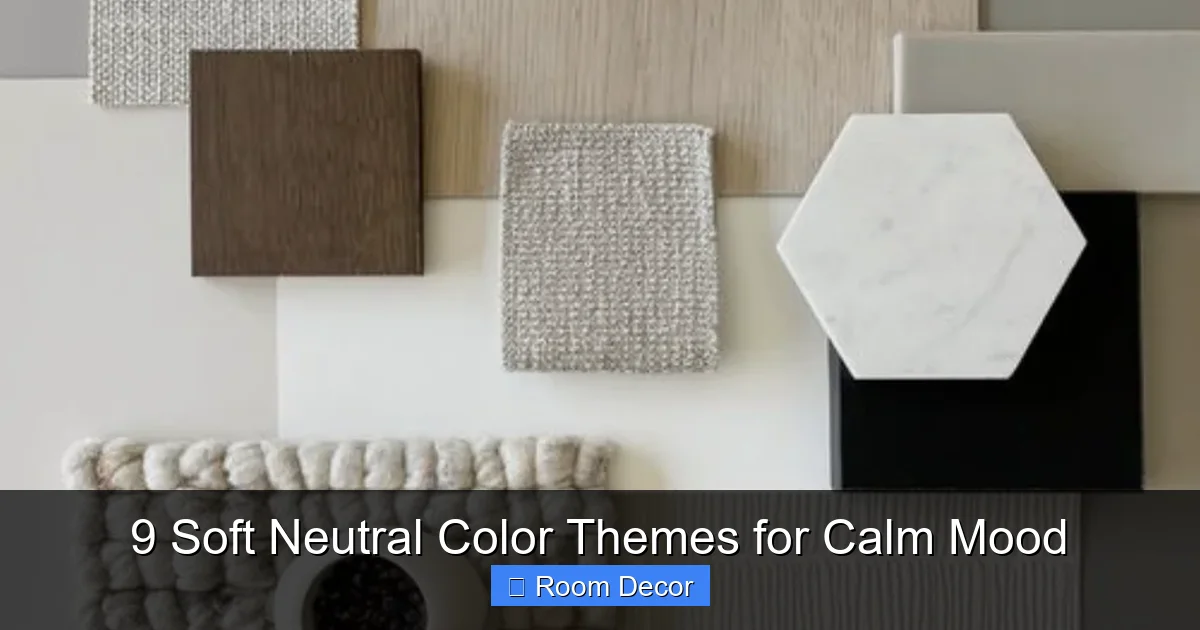
Transform your home into a sanctuary with these 9 soft neutral color themes, expertly chosen to cultivate a profound sense of calm. This guide empowers you to use gentle hues like warm whites, greige, and muted blues, alongside strategic textures and lighting, to craft spaces that truly soothe the soul and promote a peaceful mood. You’ll learn how to layer these colors effectively, incorporate natural elements, and avoid common pitfalls, ensuring your decor radiates tranquility.
9 Soft Neutral Color Themes for Calm Mood
Our homes should be sanctuaries. They are the places where we unwind, recharge, and find peace after a long day. And one of the most powerful tools we have for shaping that feeling is color. While vibrant hues can energize and excite, it’s the gentle embrace of soft neutral color themes that truly ushers in a profound sense of calm.
If you’re dreaming of a living space that feels serene, inviting, and effortlessly soothing, you’ve come to the right place. This guide will walk you through nine beautiful soft neutral color themes, each designed to cultivate a peaceful mood in any room of your home. We’ll explore the psychology behind these colors, how to choose the right palette for your space, and practical tips for bringing your chosen theme to life with textures, lighting, and subtle accents. Get ready to transform your home into a haven of tranquility!
Key Takeaways
- Soft Neutrals Defined: Understand the spectrum of gentle, muted colors that form the foundation of a calming aesthetic, focusing on their ability to reduce visual clutter and promote relaxation.
- Theme Versatility: Explore 9 distinct soft neutral color themes, from warm whites to earthy terracotta, each offering unique calming vibes and practical application tips for various spaces.
- Layering is Key: Learn the crucial importance of layering textures, varying shades, and diverse materials within your chosen neutral theme to add depth, warmth, and visual interest without sacrificing tranquility.
- Natural Elements Enhance Calm: Discover how seamlessly incorporating natural elements like wood, stone, plants, and abundant natural light significantly enhances the serene atmosphere of soft neutral spaces.
- Strategic Accents Prevent Flatness: Master the art of introducing subtle, muted accent colors (like a touch of pale blush or dusty blue) to prevent your neutral decor from appearing flat or uninspired, all while maintaining overall tranquility.
- Lighting’s Profound Role: Recognize how both natural and carefully chosen artificial lighting profoundly impacts the perception of soft neutral colors and contributes directly to creating a deeply calm mood.
- Personalize Your Serenity: Understand that while embracing soft neutral color themes, there’s ample opportunity for personal expression and comfort through unique artwork, cherished objects, and thoughtful arrangements.
Understanding Soft Neutral Colors and Their Impact
Before diving into specific themes, let’s understand why soft neutral colors are so effective at creating a calm mood. Neutrals are colors that appear to be without color, such as beige, ivory, taupe, grey, and shades of white. When we talk about “soft neutrals,” we’re referring to their muted, desaturated versions – colors that feel gentle, understated, and easy on the eyes. They lack the intensity that can sometimes overstimulate.
Why Neutrals Create Calm
The calming power of soft neutral color themes comes from several factors:
- Reduced Visual Clutter: Neutrals provide a clean backdrop, allowing the eye to rest. They don’t demand attention, which helps reduce visual “noise” and promotes mental relaxation.
- Versatility and Harmony: They work well together, making it easier to create cohesive and harmonious spaces. This inherent balance contributes to a feeling of order and peace.
- Connection to Nature: Many soft neutrals are found in nature—think of sand, stone, clouds, and bark. This natural connection can evoke feelings of groundedness and tranquility.
- Enhances Light: Lighter soft neutral shades help to bounce natural light around a room, making spaces feel brighter, airier, and more expansive.
- Timeless Appeal: Unlike trendy bold colors, soft neutrals possess a timeless elegance that won’t quickly go out of style, ensuring your serene space remains beautiful for years to come.
The Foundation of Your Theme
When implementing soft neutral color themes, think about building layers. Start with the largest surfaces—walls, floors, and large furniture pieces—then gradually introduce smaller elements like textiles, artwork, and decorative objects. This systematic approach ensures a cohesive and balanced look. Remember, the goal is not to create a boring, monochromatic space, but a rich, layered environment that feels cohesive and deeply calming.
The 9 Soft Neutral Color Themes for Calm Mood
Here are nine distinct soft neutral color themes, each offering a unique pathway to a calm and inviting home.
Visual guide about 9 Soft Neutral Color Themes for Calm Mood
Image source: wallpapers.com
1. Warm Whites & Creams: The Embracing Glow
What it is: This theme centers around the softest, most welcoming shades of white and cream. Think of colors like ivory, alabaster, off-white, and pale ecru. These aren’t stark, cold whites but whites with subtle yellow, beige, or even a hint of peach undertones that make them feel incredibly inviting.
Why it’s calming: Warm whites and creams bounce light beautifully, making rooms feel airy and open. They offer a sense of purity and simplicity, providing a clean canvas that feels fresh yet comforting, like a soft, fluffy cloud.
How to implement:
- Walls: Paint walls in a warm white to create a bright, expansive foundation.
- Furniture: Choose upholstered pieces in cream linen or off-white boucle. Light wood furniture (birch, maple) complements this theme perfectly.
- Textiles: Layer with luxurious textures like faux fur throws, chunky knit blankets, and linen curtains in matching soft neutral tones.
- Accents: Introduce very subtle touches of light tan, muted gold, or even pale sage green through decorative pillows, ceramic vases, or natural wood elements.
- Lighting: Maximize natural light. Supplement with soft, diffused artificial lighting from lamps with fabric shades to enhance the gentle glow.
2. Greige: The Perfect Blend
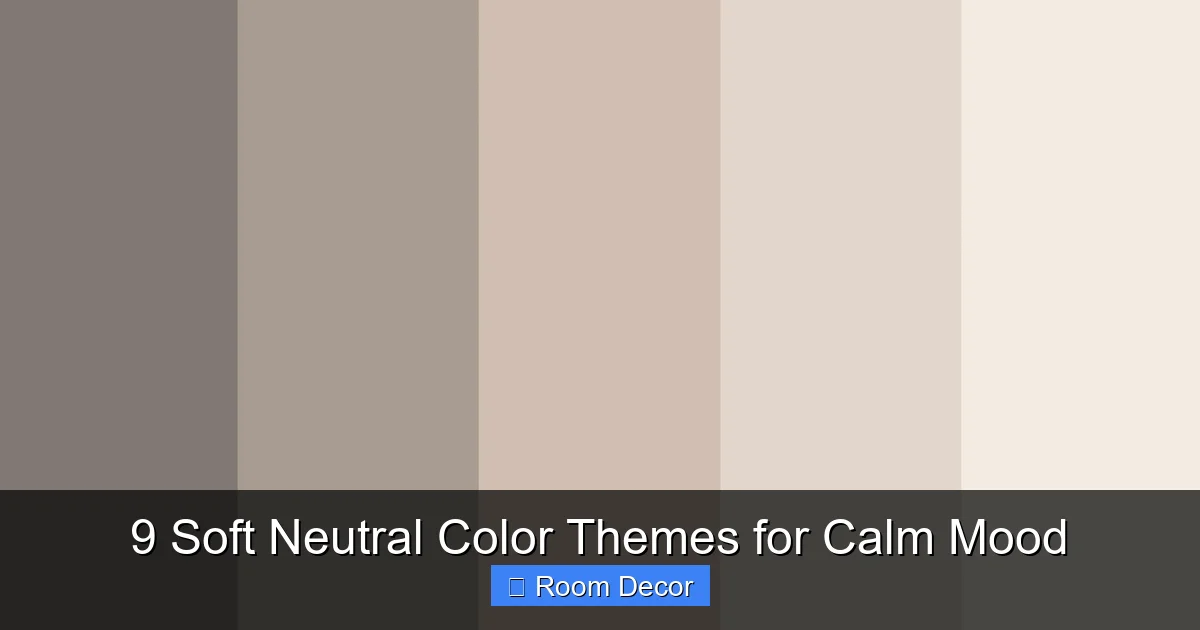
What it is: Greige is the sophisticated love child of grey and beige. It strikes a beautiful balance, offering the coolness of grey with the warmth of beige. The exact balance can lean more towards grey (cool greige) or more towards beige (warm greige), offering versatility.
Why it’s calming: Greige offers a nuanced neutrality that feels both contemporary and timeless. It’s subtle yet rich, providing a sophisticated backdrop that’s inherently soothing because it avoids extremes. It feels grounded without being heavy.
How to implement:
- Walls: A medium greige paint provides an excellent base, allowing furniture and decor to stand out gently.
- Furniture: Opt for sofas in a slightly darker greige fabric, or introduce natural materials like woven rattan or light oak.
- Textiles: Layer different shades of greige, grey, and beige in throws, rugs, and cushions. Think textured wool or cashmere.
- Accents: Introduce metallic accents like brushed brass or muted silver. Black accents (picture frames, lamp bases) can add a modern touch without disrupting the calm.
- Lighting: Warm lighting is crucial to bring out the beige undertones in greige, preventing it from looking too cold.
3. Soft Sage Green: Nature’s Whisper
What it is: Sage green is a muted, grey-green color that evokes the calming presence of nature. It’s often described as earthy, herbaceous, and soft, far from a vibrant emerald or lime.
Why it’s calming: Greens are universally associated with nature, growth, and tranquility. Soft sage green specifically brings a sense of the outdoors in, creating a restful and harmonious environment without being overpowering. It feels organic and fresh.
How to implement:
- Walls: Consider painting an accent wall or an entire room in a soft sage. It pairs beautifully with warm whites or light greige.
- Furniture: A sofa in a muted cream or light grey would complement sage walls. Incorporate light wood furniture to maintain the natural feel.
- Textiles: Use linen curtains, throws with subtle leaf patterns, or cushions in coordinating muted greens, creams, and light browns.
- Accents: Real or faux plants are a must! Natural wood, terracotta pots, and perhaps a few pieces of pottery in complementary earthy tones enhance the theme.
- Lighting: Ample natural light is ideal. Use light, sheer curtains to filter sunlight gently.
4. Muted Blues: Serenity’s Embrace
What it is: This theme embraces soft, desaturated blues, such as dusty blue, sky blue, robin’s egg blue, or even a hint of periwinkle. These are not bold, primary blues but rather blues with grey or white undertones that soften their impact.
Why it’s calming: Blue is often associated with the sky and ocean, evoking feelings of peace, serenity, and stability. Muted blues have a gentle, soothing quality that can help reduce stress and promote relaxation, making them ideal soft neutral color themes for bedrooms.
How to implement:
- Walls: A pale, dusty blue can be incredibly calming for a bedroom or bathroom. Pair with crisp white trim.
- Furniture: Upholstered pieces in light grey or soft white create a serene contrast. Blonde wood furniture also works well.
- Textiles: Layer different shades of muted blue with whites and creams in bedding, throws, and curtains. Textured cottons or lightweight linen are excellent choices.
- Accents: Silver or chrome accents can complement the cool tones. Introduce natural elements like driftwood or white ceramics.
- Lighting: Soft, indirect lighting will enhance the peaceful atmosphere. Avoid harsh overhead lights.
5. Light Taupe: Grounded Elegance
What it is: Taupe is another versatile neutral, a blend of brown and grey. Light taupe specifically refers to its paler, softer versions, which lean more towards a gentle, earthy beige with a hint of grey, reminiscent of dry clay or mushroom caps.
Why it’s calming: Light taupe provides a grounded, stable feeling. It’s warm without being overly yellow, and sophisticated without being cold. It’s an excellent choice for creating a feeling of understated elegance and comfort, offering an earthy softness that is deeply soothing.
How to implement:
- Walls: A light taupe on walls creates a warm, inviting envelope for any room.
- Furniture: Darker wood furniture (walnut, mahogany) can add depth and richness, or you can keep it light with natural oak. Upholstery in cream, white, or a slightly darker taupe.
- Textiles: Incorporate rich textures like wool rugs, cashmere throws, and linen drapes in varying shades of taupe, cream, and muted browns.
- Accents: Introduce metallic accents like bronze or copper for warmth. Greenery in terracotta pots adds a natural touch.
- Lighting: Warm-toned light bulbs will highlight the inviting brown undertones of taupe, making the space feel cozier.
6. Pale Blush Pink: Gentle Warmth
What it is: Pale blush pink is a very soft, desaturated pink with significant white or beige undertones. It’s far from a vibrant fuchsia; instead, think of the inside of a seashell or a faint sunrise. It’s barely there, adding just a whisper of color.
Why it’s calming: Pink is often associated with tenderness, compassion, and nurturing. Pale blush pink brings a feeling of gentle warmth, softness, and tranquility without being overtly feminine. It can feel very comforting and subtly uplifting.
How to implement:
- Walls: A very pale blush can be used on an accent wall in a bedroom or nursery, or even a full room when combined with warm whites.
- Furniture: Pair with light grey or cream upholstered furniture. Light wood tones (blonde or whitewashed) complement it well.
- Textiles: Layer soft fabrics like velvet, silk, or cashmere in blush, cream, and light grey. A rug with a subtle geometric pattern in these colors could work.
- Accents: Rose gold or copper metallic accents can beautifully enhance the warmth. Fresh flowers like peonies or roses in pale pink will tie the look together.
- Lighting: Soft, natural light is best. Sheer white or very light blush curtains will filter sunlight beautifully.
7. Oatmeal & Linen: Organic Comfort
What it is: This theme is less about a single color and more about a combination of organic, natural soft neutral tones and rich textures. It includes shades like natural linen, unbleached cotton, light oat, and subtle sandy beiges.
Why it’s calming: This theme draws heavily on the comfort and authenticity of natural fibers. It evokes a rustic yet refined simplicity, creating spaces that feel inherently calm, cozy, and honest. The variety of textures prevents it from feeling flat.
How to implement:
- Walls: Warm white, cream, or a very light sandy beige would be ideal backdrops.
- Furniture: Focus on natural materials like solid wood (light to medium tones), rattan, and woven seagrass. Upholstered pieces in linen or cotton fabrics.
- Textiles: This is where the theme shines! Layer linen curtains, chunky knit wool throws, textured cotton cushions, and jute rugs. Mix different weaves and patterns in the same natural color family.
- Accents: Terracotta pottery, ceramic vases, dried grasses or pampas, and simple wooden bowls. Avoid anything too shiny or artificial.
- Lighting: Embrace natural light and supplement with lamps featuring natural material shades (linen, rattan) to maintain the organic feel.
8. Soft Charcoal & Light Grey: Modern Tranquility
What it is: This theme utilizes the cooler spectrum of soft neutral color themes, combining lighter, airy greys with deeper, desaturated charcoal tones. It leans into a modern, minimalist aesthetic while retaining warmth through careful layering.
Why it’s calming: Grey is often associated with sophistication and composure. Soft charcoals and light greys create a clean, uncluttered look that promotes mental clarity and calm. It feels refined and orderly, allowing the mind to rest.
How to implement:
- Walls: A very light, almost white grey on the walls can open up a space. An accent wall in a soft charcoal can add depth without heaviness.
- Furniture: A sleek sofa in light grey or a deeper charcoal. Incorporate furniture with clean lines in dark woods or black metal.
- Textiles: Focus on luxurious textures like cashmere, wool, and velvet in various shades of grey, complemented by crisp white. Geometric patterns can add interest.
- Accents: Silver or matte black metallic accents, concrete planters, and minimalist artwork. Introduce a single, vibrant green plant to add life.
- Lighting: Modern, ambient lighting with dimmable features is key. Avoid overly yellow light; a neutral white light (around 3000K) often works best.
9. Soft Terracotta & Clay: Earthy Serenity
What it is: This theme embraces the warm, muted tones of terracotta, clay, and sun-baked earth. These are not bright oranges, but rather soft, desaturated reds and browns with a rustic, handmade quality.
Why it’s calming: Earthy tones connect us to the natural world and ground us. Soft terracotta evokes warmth, comfort, and a sense of enduring history. It feels authentic and inviting, promoting a cozy and relaxed atmosphere.
How to implement:
- Walls: Consider a very diluted terracotta wash or a light, warm beige on the walls.
- Furniture: Natural wood furniture (oak, pine) with rustic finishes. Upholstered pieces in cream, oatmeal, or a subtle rust-colored linen.
- Textiles: Look for textiles with woven textures like kilim rugs, linen throws, and cotton cushions in a mix of terracotta, cream, muted gold, and olive green.
- Accents: Actual terracotta pots, handmade ceramics, dried floral arrangements, and woven baskets. Embrace imperfect, artisanal pieces.
- Lighting: Warm, inviting lighting is essential to enhance the earthy glow. Edison bulbs or lamps with textured shades work well.
Tips for Implementing Your Chosen Theme
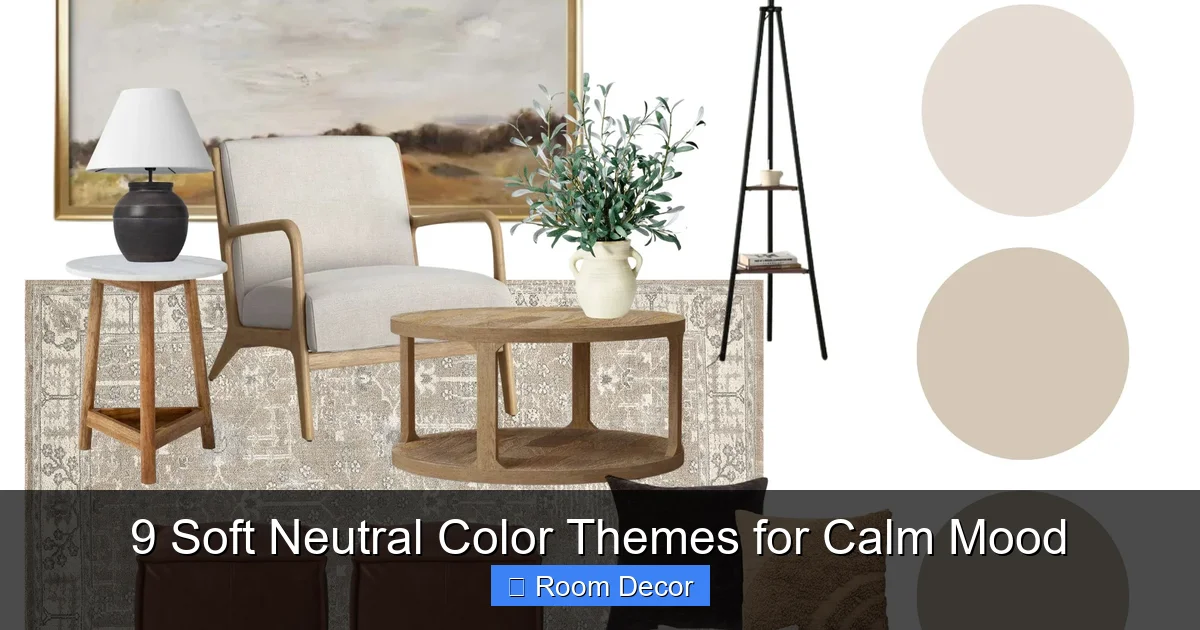
No matter which of these soft neutral color themes you choose, these general tips will help you create a truly calm and cohesive space.
Visual guide about 9 Soft Neutral Color Themes for Calm Mood
Image source: i.etsystatic.com
Layering Textures
This is perhaps the most critical aspect of making neutral spaces feel rich and inviting, rather than bland. Combine smooth with rough, soft with hard. Think about:
- A boucle sofa with a chunky knit throw.
- Linen curtains against a plaster wall.
- A jute rug under a sleek wooden coffee table.
- Ceramic vases next to metallic trays.
The variety in texture adds visual interest and depth, making the room feel luxurious and comfortable.
Incorporating Natural Elements
Nature provides instant calm. Bring in elements like:
- Plants: Greenery adds life, freshness, and a pop of natural color.
- Wood: Furniture, shelves, picture frames, and decorative bowls.
- Stone/Ceramics: Vases, coasters, sculptures.
- Water features: A small indoor fountain can add soothing sound.
These elements ground the space and reinforce the feeling of tranquility.
Strategic Lighting
Lighting profoundly impacts how soft neutral colors are perceived and contributes directly to a calm mood. Always layer your lighting:
- Ambient Lighting: Soft overhead fixtures or wall sconces.
- Task Lighting: Reading lamps or desk lamps.
- Accent Lighting: To highlight artwork or architectural features.
Use dimmers on all lights. Opt for warm-toned bulbs (around 2700K-3000K) for a cozy atmosphere. Maximize natural light with sheer curtains or blinds that allow light in while maintaining privacy.
Pops of Muted Color
While we’re focusing on soft neutral color themes, a *very* subtle pop of muted color can prevent a space from feeling monotonous. Choose one or two accent colors that are also desaturated and harmonious with your chosen neutral palette. For instance, with a greige theme, a pale dusty rose or a deep forest green accent could work beautifully in a pillow or a piece of art.
Avoiding Common Pitfalls
Creating a serene neutral space is rewarding, but it’s easy to fall into traps that can make it feel sterile instead of soulful. Keep these in mind:
Visual guide about 9 Soft Neutral Color Themes for Calm Mood
Image source: cdn.shopify.com
Don’t Go Too Monochromatic (Unless Intentional)
While one of the soft neutral color themes is based on similar tones (like warm whites), the key is *variation*. Using the exact same shade of beige on every surface will make a room feel flat and uninteresting. Introduce different shades of your chosen neutral, and rely heavily on texture to create visual interest.
Overlooking Lighting
Poor lighting can make even the most beautiful soft neutral color themes fall flat. Harsh, bright white lights can make a room feel clinical. Too little light can make it feel dingy. Invest in good quality, dimmable light sources that allow you to adjust the mood.
Ignoring Texture
A room entirely composed of smooth, untextured surfaces in neutral colors will lack depth and warmth. This is the quickest way to make a space feel cold and uninviting. Prioritize layering different textures to give your room personality and comfort.
Conclusion
Creating a home filled with calm and tranquility is an art, and soft neutral color themes are your finest brushes. Whether you’re drawn to the embracing glow of warm whites, the grounded elegance of light taupe, or the earthy serenity of soft terracotta, each of these palettes offers a unique path to a peaceful mood.
Remember, the goal is to build a layered, harmonious environment that speaks to your soul. By thoughtfully choosing your soft neutral colors, layering textures, incorporating natural elements, and mastering your lighting, you can transform any room into a true sanctuary. Embrace the gentle power of these hues, and let your home become the calm, inviting haven you’ve always dreamed of.