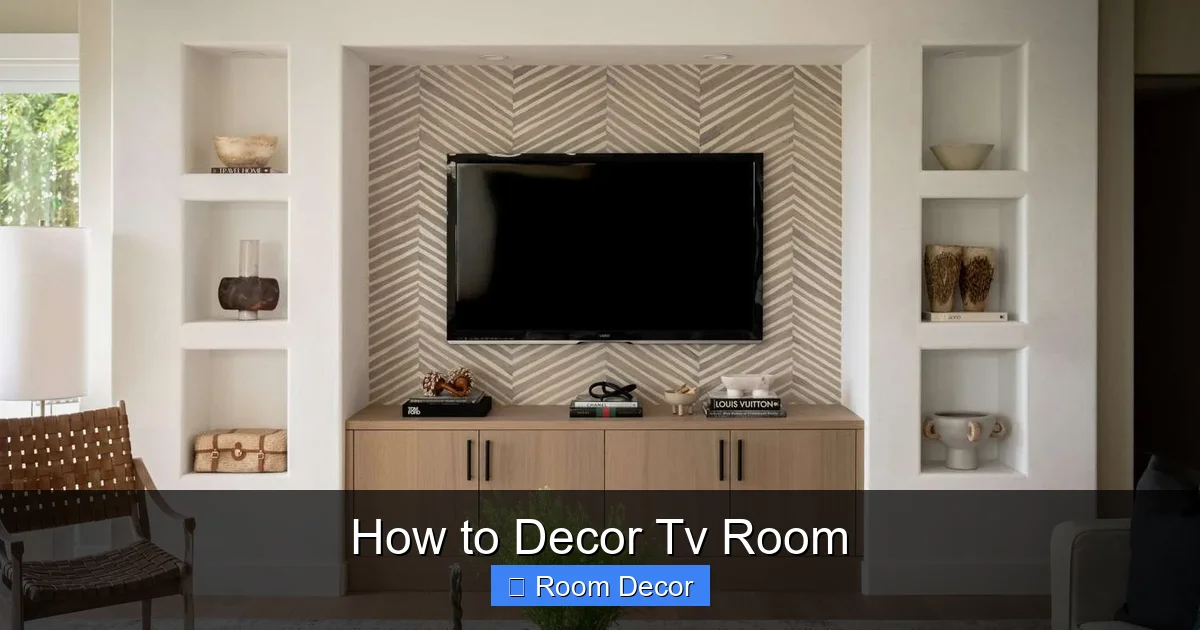
Learn how to design a functional and stylish TV room with this comprehensive guide. We’ll walk you through choosing the perfect layout, comfortable seating, and essential decor elements to create an inviting space for movie nights and relaxation. Unlock the secrets to a perfect TV room by following these easy steps for an enhanced viewing experience and a beautiful home.
How to Decor TV Room
So, you want to create the ultimate TV room? You’re in the right place! A well-decorated TV room isn’t just about where you put the television. It’s about creating a comfortable, functional, and stylish space that enhances your viewing experience and becomes a favorite gathering spot in your home. Whether you’re a cinephile looking for a home theater feel or just want a cozier spot for family movie nights, this guide will walk you through every step. We’ll cover everything from the crucial placement of your TV to selecting the perfect seating, creating the right atmosphere with lighting, and adding those all-important decorative touches. Get ready to transform your ordinary living room into an extraordinary TV room!
Key Takeaways
- Strategic TV Placement is Paramount: The first step to great TV room decor is figuring out where your television will go. Consider viewing angles, glare reduction, and the overall room flow to ensure an optimal experience.
- Comfortable Seating is Non-Negotiable: A TV room is all about relaxation. Invest in comfortable sofas, recliners, or modular seating that accommodates your household and guests for long viewing sessions.
- Lighting Sets the Mood: Layered lighting is crucial for ambiance and functionality. Incorporate ambient, task, and accent lighting to enhance the viewing experience and create a cozy atmosphere.
- Color Palette Influences Ambiance: Choose a color scheme that promotes relaxation and minimizes visual distraction. Darker, muted tones are often ideal for TV rooms to reduce glare and create a cinematic feel.
- Smart Storage Solutions are Key: Keep clutter at bay with integrated storage. Media consoles, shelving units, and decorative baskets help organize electronics, remotes, and other essentials.
- Acoustics Matter for an Immersive Experience: Don’t forget sound! Soft furnishings like rugs and curtains can help absorb sound, while dedicated sound systems can elevate your audio.
- Personal Touches Make it Yours: Add personality with artwork, plants, and decorative accessories that reflect your style and make the space feel truly yours.
Step 1: Plan Your Layout and TV Placement
The very first step in decorating your TV room is understanding the space you have and how you want to use it. This involves planning the layout and, most importantly, deciding where your television will live. This decision impacts everything else in the room.
Assess Your Room Dimensions and Shape
Before you move any furniture, take some time to measure your room. Note down the length, width, and height. Also, consider the placement of windows, doors, and any architectural features like fireplaces or built-in shelving. Understanding your room’s constraints and potential will help you make better decisions about furniture placement and scale.
Determine the Primary Viewing Area
Where will most people be sitting when they watch TV? Identify the main seating area. This will be your focal point. Think about the “sweet spot” for viewing – the ideal position where everyone can see the screen clearly without straining their neck or being too close or too far away.
Consider TV Size and Viewing Distance
The size of your TV is a critical factor in determining the optimal viewing distance. A general rule of thumb is to place the TV so that the screen takes up about 30-40 degrees of your field of vision. For example, a 55-inch TV is often best placed about 7-9 feet away from the seating. Too close, and you’ll miss the details; too far, and it will feel small. You can find online calculators to help determine the perfect viewing distance for your specific TV size.
Minimize Glare and Reflections
Nothing ruins a movie like glare on the screen. Position your TV away from direct sunlight from windows. If placing it opposite a window is unavoidable, consider using blackout curtains or blinds. Also, think about overhead lighting. Avoid placing the TV directly under a bright overhead light fixture. Sometimes, mounting the TV on a wall opposite a window, with the window to the side of the main seating area, works best.
Create a Room Flow
Once the TV is placed, ensure there’s a natural flow of movement around the room. You don’t want to feel cramped or have to navigate around furniture awkwardly to get to the sofa or the door. Leave ample space for walkways.
Step 2: Choose Comfortable and Functional Seating
A TV room’s primary purpose is to relax and enjoy your favorite shows and movies. Therefore, seating comfort is paramount. It’s not just about how soft the cushions are; it’s also about how much seating you need and what kind will best suit your lifestyle.
Sofa Selection
The sofa is often the centerpiece of a TV room. Consider a sectional sofa for maximum seating and flexibility. If you have a smaller room, a standard three-seater sofa with a couple of comfortable armchairs might be a better fit. Look for durable fabrics that are easy to clean, especially if you have kids or pets. Deep seats and plush cushioning are usually a good bet for ultimate comfort.
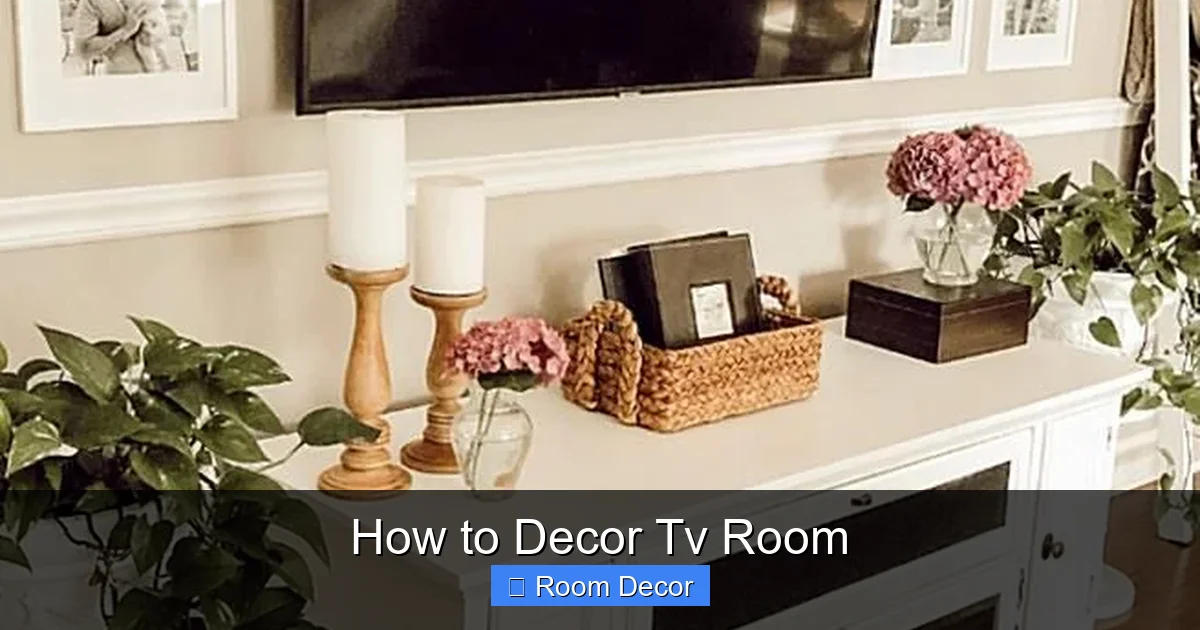
Visual guide about How to Decor Tv Room
Image source: i.pinimg.com
Recliners and Loungers
For a truly luxurious TV room experience, consider investing in a few recliners. These allow viewers to lean back and put their feet up, making long movie marathons much more enjoyable. You can find single recliners or even reclining sectionals.
Modular Seating Options
Modular furniture offers incredible versatility. You can arrange and rearrange the pieces to suit different occasions or room layouts. This is a great option if you like to host movie nights with varying numbers of guests.
Consider Footrests and Ottomans
Even if you don’t opt for recliners, ottomans or footrests can significantly enhance comfort. They provide a place to rest your legs and can double as extra seating or even a makeshift coffee table with a tray on top.
Placement of Seating
Arrange your seating so that everyone has a clear view of the TV without having to turn their heads at extreme angles for extended periods. Ensure there’s enough space between seating elements for easy movement.
Step 3: Create Ambiance with Lighting
Lighting plays a vital role in the overall feel of your TV room. It’s not just about illumination; it’s about creating an atmosphere that enhances your viewing experience and promotes relaxation. Layering different types of lighting is key.
Ambient Lighting
This is your general illumination. Think recessed ceiling lights, wall sconces, or even a stylish floor lamp that provides soft, diffused light. Dimmable options are essential for a TV room, allowing you to control the brightness according to the time of day or mood.
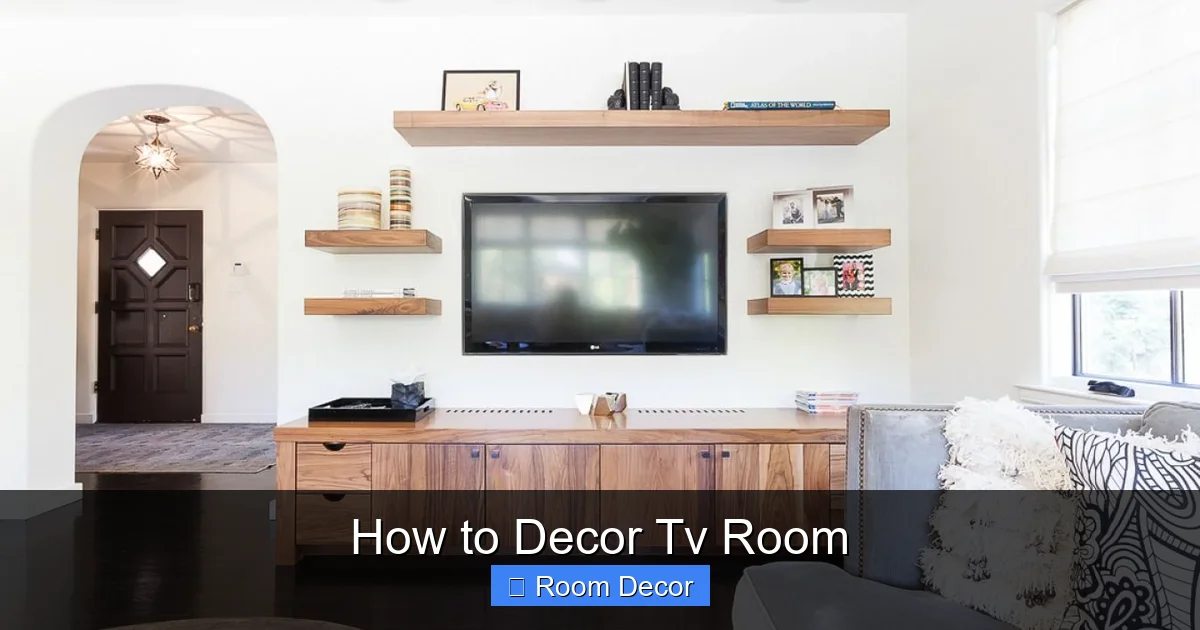
Visual guide about How to Decor Tv Room
Image source: thespruce.com
Task Lighting
This type of lighting is more focused and functional. For a TV room, task lighting might include reading lamps near your seating area. This allows individuals to read a book or chat without being in complete darkness, while still keeping the main screen area relatively dim.
Accent Lighting
Accent lighting adds depth and drama. Consider LED strip lights behind the TV (bias lighting) to reduce eye strain and make the screen appear to pop. You can also use accent lights to highlight artwork or architectural features. Smart bulbs that can change color can also add a fun, customizable element to your TV room.
Avoid Harsh Overhead Lights
Direct, harsh overhead lighting can be very distracting and cause glare on the TV screen. If you must have overhead lights, ensure they are on a dimmer switch and directed away from the screen.
Natural Light Management
As mentioned earlier, manage natural light with curtains or blinds. During the day, you might want to let some natural light in, but always have a way to control it to prevent glare.
Step 4: Select the Right Color Palette
The colors you choose for your TV room can significantly impact its atmosphere and how you experience watching television. For TV rooms, darker, muted tones are generally preferred to minimize glare and create a more immersive, cinematic feel.
Consider Darker, Muted Tones
Colors like deep blues, grays, charcoal, and even deep greens can be excellent choices. These shades absorb light, reducing reflections on the screen and making the colors on the TV appear more vibrant. They also contribute to a cozy, enveloping atmosphere.
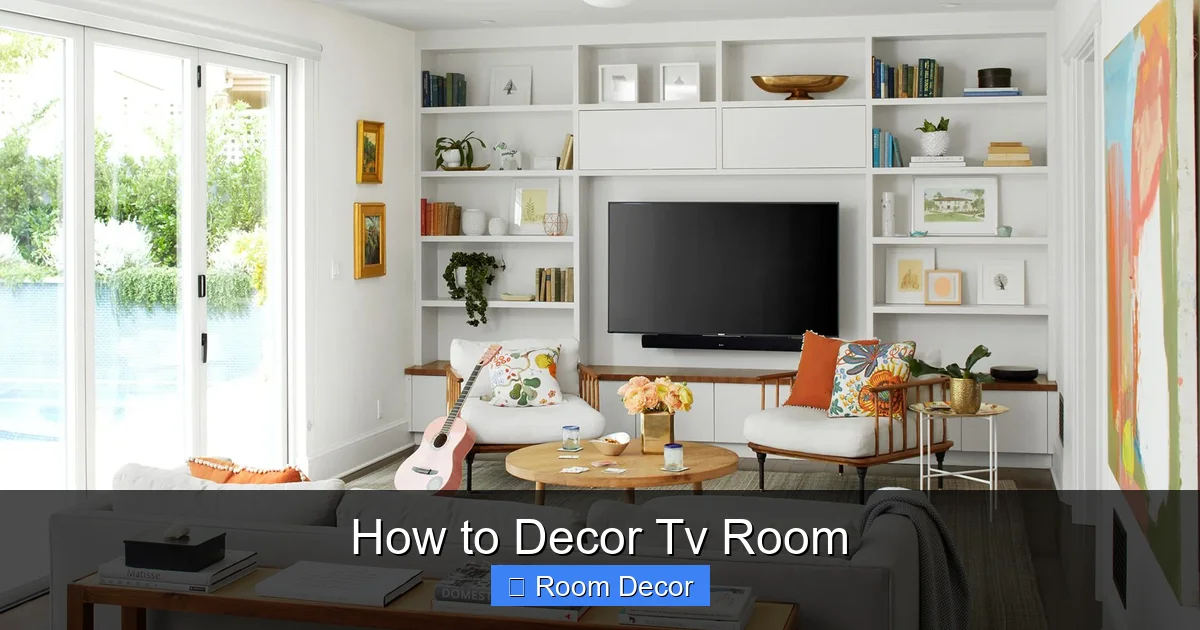
Visual guide about How to Decor Tv Room
Image source: bhg.com
Avoid Bright, Glaring Colors
Steer clear of very bright or highly saturated colors on the walls, especially opposite the TV. These can create distracting reflections and pull your focus away from the screen. If you love a vibrant color, use it sparingly as an accent in artwork or decor items.
Think About Your Furniture Colors
Your sofa, chairs, and rugs should complement your wall color. Neutral-toned furniture often works well, allowing the TV and your personal decorative touches to stand out.
The Power of Contrast
While dark walls are great for TV rooms, you can introduce contrast with lighter elements in your furniture or accessories to prevent the room from feeling too cave-like. This adds visual interest and keeps the space feeling welcoming.
Step 5: Integrate Smart Storage Solutions
A cluttered TV room can be distracting and detract from the overall ambiance. Investing in smart storage solutions will keep your space organized and functional, allowing you to focus on what matters: the entertainment.
Media Console or Entertainment Center
This is your primary storage for electronics. Choose a media console that’s the right size for your TV and offers plenty of space for your cable box, gaming consoles, soundbar, and other devices. Look for options with built-in cable management to keep unsightly wires hidden.
Floating Shelves
Floating shelves are a stylish way to display decorative items, books, or even small plants without taking up much floor space. They can also be used to hold speakers or gaming accessories.
Built-in Cabinetry
If your room allows, consider built-in cabinets or shelving units. These can maximize storage space and create a seamless, integrated look. They are perfect for hiding away less attractive items like game controllers or DVDs.
Decorative Baskets and Bins
These are excellent for storing smaller items like remote controls, charging cables, or extra blankets. Choose baskets that match your decor for a stylish and practical storage solution.
Don’t Forget Remote Control Management
Remote controls have a habit of disappearing. Use a dedicated remote caddy, a decorative box on the coffee table, or a drawer in your media console to keep them organized.
Step 6: Enhance Acoustics and Sound
While focusing on the visual aspects of your TV room, it’s easy to forget about sound. Good acoustics can significantly enhance your viewing experience, making movies more immersive and dialogue clearer.
Soften the Room with Textiles
Hard surfaces reflect sound, creating echo and making the room sound ‘boomy.’ Introduce soft furnishings like thick rugs, plush curtains, and upholstered furniture. These materials absorb sound, leading to clearer audio.
Consider a Rug
A large area rug under your seating area can make a big difference in reducing echo. Choose one with a good pile height for maximum sound absorption.
Curtains for Sound Dampening
Heavy, lined curtains not only help manage light but also contribute to sound dampening. Opt for fabrics like velvet or thick linen.
Soundbars and Speaker Systems
While not strictly decor, a good sound system is essential for a great TV room. A soundbar is a simple upgrade that can vastly improve TV audio. For a more cinematic experience, consider a surround sound system, but be mindful of speaker placement to avoid visual clutter.
Acoustic Panels (Optional)
For the ultimate audiophile experience, you can incorporate decorative acoustic panels on your walls. These are designed to absorb and diffuse sound and come in various designs and colors.
Step 7: Add Personal Touches and Decor
Now for the fun part – making the space your own! Personal touches and decorative elements are what transform a functional TV room into a truly inviting and stylish haven.
Artwork and Wall Decor
Hang artwork that you love. This could be movie posters, abstract art, or family photos. Be mindful of placing them at eye level and avoiding anything too visually busy that might distract from the screen.
Plants
Greenery can bring life and color into the room. Choose low-maintenance plants that can thrive in the lighting conditions of your TV room. Place them on shelves, side tables, or even hanging baskets.
Decorative Accessories
Add decorative pillows and throws to your sofa and chairs to enhance comfort and add pops of color or texture. Consider decorative bowls, vases, or sculptures on your coffee table or shelves. Keep it curated rather than cluttered.
Coffee Table and Side Tables
These are essential for convenience. A coffee table is perfect for placing drinks, snacks, or remotes. Side tables are great for lamps or holding a drink. Choose pieces that complement your overall style and scale of the room.
Consider a Fireplace (if applicable)
If you have a fireplace, it can become a natural focal point. Decorate the mantelpiece with photos, candles, or artwork. Ensure it doesn’t compete too much with the TV.
Troubleshooting Common TV Room Decor Issues
* Issue: Too much glare on the TV screen.
Solution: Adjust TV placement to avoid direct sunlight. Use blackout curtains or blinds. Consider bias lighting behind the TV to reduce eye strain and perceived glare.
* Issue: The room feels too dark and cave-like.
Solution: Introduce more layered lighting. Use brighter ambient lighting (on a dimmer!) and strategically place floor or table lamps. Incorporate lighter-colored decor items or a lighter-toned rug to bounce light around.
* Issue: Not enough seating for guests.
Solution: Add floor cushions, poufs, or ottomans that can be easily moved. Consider a comfortable bench or even floor seating for a casual vibe.
* Issue: Visible wires and clutter.
Solution: Invest in a media console with built-in cable management. Use cable ties, sleeves, or raceways to organize and hide wires. Decorative baskets are great for corralling remotes and small accessories.
* Issue: The room feels sterile and lacks personality.
Solution: Add personal touches! This means artwork, family photos, plants, and decorative objects that tell a story. Don’t be afraid to experiment with different textures and colors in your accessories.
Conclusion
Decorating a TV room is a rewarding process that blends functionality with personal style. By strategically planning your layout, prioritizing comfortable seating, mastering your lighting, and carefully selecting colors and storage, you can create a space that is both beautiful and highly enjoyable. Remember to consider acoustics to enhance your audio experience and, most importantly, inject your personality through decorative touches. Your TV room should be a sanctuary for relaxation and entertainment. Follow these steps, and you’ll be well on your way to creating a TV room you’ll love spending time in, whether you’re catching up on your favorite series, watching a blockbuster movie, or simply unwinding after a long day. Happy decorating!