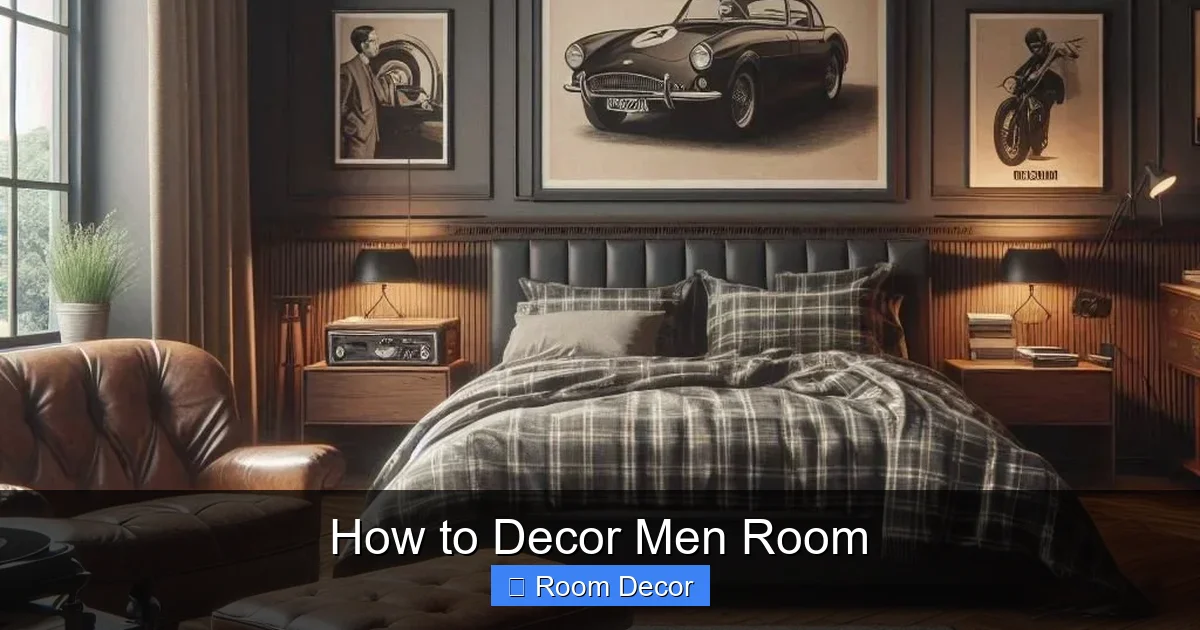
Transform your personal space with this comprehensive guide to decor for a men’s room. Learn to define your style, choose the right furniture, select a cohesive color palette, and implement smart organization strategies. Effortlessly create a room that’s both functional and reflects your personality, whether it’s a bedroom, den, or home office.
How to Decor Men Room
So, you’re looking to spruce up your personal space, huh? Whether it’s your bedroom, your den, or that dedicated home office, a well-decorated room can make a huge difference. It’s more than just throwing some stuff around; it’s about creating a space that feels like *you*. A place where you can relax, recharge, and even get some work done if needed. Decorating a men’s room might seem daunting, but it doesn’t have to be. This guide will walk you through everything you need to know to create a functional, stylish, and personalized space.
We’ll start by digging into defining your personal style. Then, we’ll explore the magic of color palettes and how to choose the right furniture. You’ll also learn about the importance of lighting and how to use it to your advantage. Finally, we’ll cover the art of accessorizing and, perhaps most importantly, how to keep your space organized. Ready to dive in? Let’s create a room you’ll love.
Key Takeaways
- Define Your Style: Understanding your personal aesthetic is the first step to creating a cohesive and inviting men’s room.
- Color Palette Power: Strategic use of color can set the mood and make a room feel larger or cozier.
- Furniture Fundamentals: Select furniture that is not only comfortable and functional but also aligns with your chosen style.
- Lighting is Key: Layered lighting adds ambiance, functionality, and can highlight decorative elements.
- Accessorize Thoughtfully: Decorative items should enhance the room’s theme and purpose without creating clutter.
- Organization is Crucial: A well-organized space is key to a relaxing and productive environment.
Step 1: Discover Your Personal Style
Before you even think about paint colors or furniture, take a moment to understand your personal style. What vibes do you gravitate towards? What makes you feel comfortable and inspired? This is the foundation of your entire decor project. It ensures your room will truly reflect who you are.
Identify Your Aesthetic
Think about your favorite places, movies, or even your wardrobe. Do you lean towards the rustic charm of a cabin? The sleek lines of modern design? The cozy comfort of a traditional space? Or perhaps something more eclectic and adventurous?
- Modern: Clean lines, minimalist, neutral colors, often with metallic accents.
- Industrial: Exposed brick, metal, wood, raw finishes, urban feel.
- Rustic/Farmhouse: Natural materials like wood and stone, comfortable furniture, warm colors.
- Traditional: Classic furniture styles, rich colors, elegant details.
- Mid-Century Modern: Organic shapes, retro feel, wood tones, a blend of comfort and style.
- Bohemian (Boho): Eclectic, layered textures, vibrant colors, global influences.
- Minimalist: Simplicity is key. Uncluttered spaces, essential items only, neutral palette.
Consider the Room’s Function
What will you primarily use this room for? Is it a sanctuary for sleep? A place for entertaining friends? A dedicated workspace? The function will heavily influence your style choices. A bedroom might prioritize comfort and tranquility, while a den might focus on entertainment and socializing.
Gather Inspiration
Once you have a general idea, start collecting images. Pinterest, Instagram, interior design magazines, and even movie set designs are great resources. Save pictures of rooms, furniture, color schemes, and decor items that catch your eye. Don’t overthink it; just save what you like!
Step 2: Master the Color Palette
Color is one of the most powerful tools in interior design. It sets the mood, influences your perception of space, and can make or break the overall look and feel of your room. For a men’s room, a well-chosen color palette can create a sophisticated, calming, or energetic atmosphere.
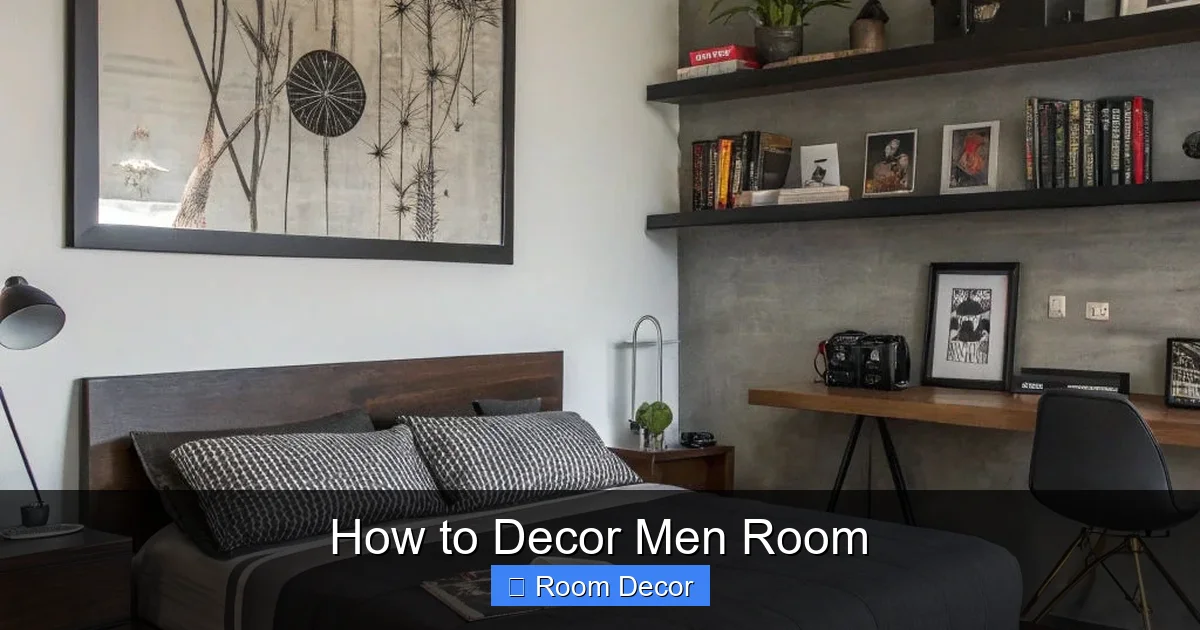
Visual guide about How to Decor Men Room
Image source: i.pinimg.com
Choose Your Base Colors
Start with a few neutral or muted colors as your base. These will be used for the walls, larger furniture pieces, and flooring. Common choices for men’s rooms include:
- Grays: From light, airy silver to deep, dramatic charcoal.
- Blues: Navy, slate blue, and muted sky blue evoke calmness and stability.
- Greens: Olive, forest green, and sage can add a natural, grounding element.
- Neutrals: Beige, cream, and off-white offer a versatile backdrop.
Add Accent Colors
Accent colors are where you can inject personality and visual interest. These are used for smaller decor items like pillows, artwork, throws, or a single statement piece of furniture. Consider colors that complement your base palette:
- Warm Accents: Burnt orange, deep red, or mustard yellow can add energy and warmth.
- Cool Accents: Teal, emerald green, or a soft lavender can provide sophistication.
- Metallics: Silver, brass, or gunmetal can add a touch of elegance and polish.
Consider the Mood You Want to Create
- Calm and Relaxing: Opt for cool tones like blues, greens, and soft grays.
- Energizing and Bold: Incorporate warmer tones or more saturated accent colors.
- Sophisticated and Mature: Deep blues, charcoal grays, and rich wood tones work well.
Practical Tip: Don’t be afraid to use the 60-30-10 rule. 60% of your room should be a dominant color (often walls), 30% a secondary color (like larger furniture), and 10% an accent color (for smaller decorative touches).
Step 3: Select Functional and Stylish Furniture
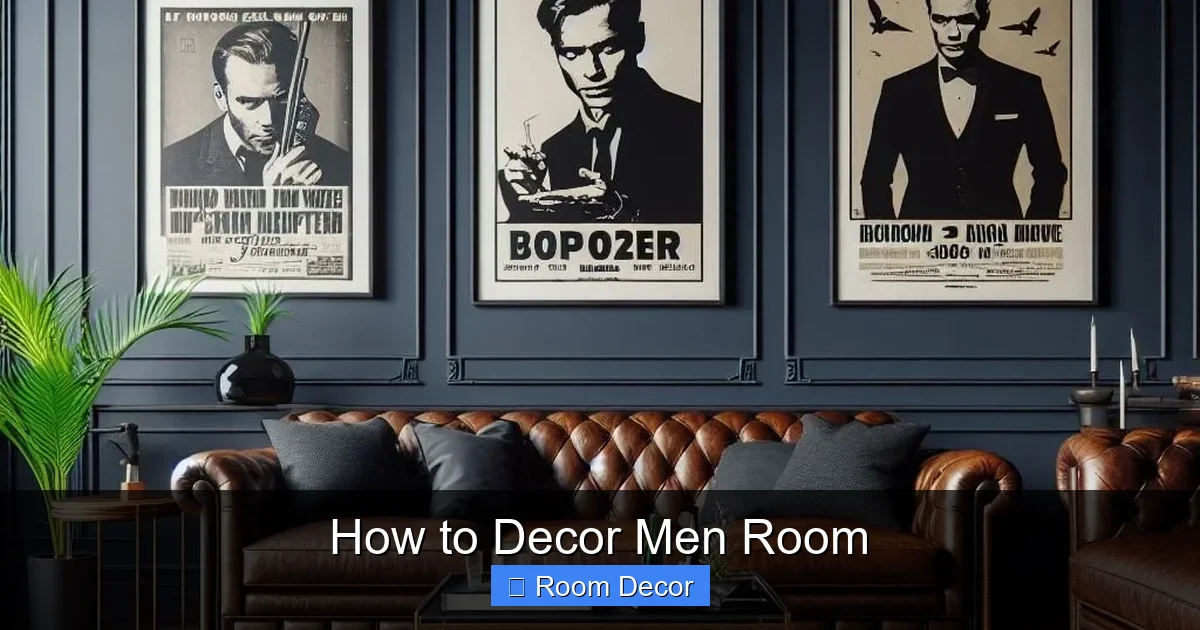
Furniture is the backbone of any room. It needs to be practical for your needs and also align with your chosen style. When decorating a men’s room, comfort, durability, and aesthetics are key.
Visual guide about How to Decor Men Room
Image source: images.squarespace-cdn.com
The Bed: The Centerpiece of the Bedroom
If you’re decorating a bedroom, the bed is paramount. Choose a frame that fits your style. A platform bed can offer a modern, minimalist look. A wooden sleigh bed can lean more traditional or rustic. Consider a bed with built-in storage if space is an issue.
Seating Options: Comfort and Conversation
For a bedroom, a comfortable armchair or a small sofa can create a cozy reading nook. In a den or living area, a sturdy sofa, accent chairs, and perhaps a pouf or ottoman are essential. Think about materials: leather offers a classic, masculine feel, while fabric offers more variety in texture and color.
Storage Solutions: Keeping it Tidy
Every room needs storage. This can include dressers, nightstands, bookshelves, or even a stylish storage bench. Opt for furniture that serves a dual purpose, like a coffee table with drawers or a bed with under-bed storage.
Desk and Workspace (If Applicable)
If your room serves as a home office or you need a space for hobbies, a functional desk is crucial. Consider its size, the amount of desk space you need, and whether you require built-in drawers or shelving. Pair it with an ergonomic chair for comfort during long hours.
Materials and Finishes
Wood is a classic choice, offering warmth and versatility. Metal can add an industrial or modern edge. Leather is timeless and durable. Consider the finishes: matte finishes tend to be more contemporary, while glossy finishes can add a touch of luxury.
Practical Tip: Measure your space carefully before buying furniture. Consider the flow of traffic and ensure pieces aren’t too large or too small for the room.
Step 4: Illuminate Your Space: The Power of Lighting
Lighting is often an afterthought, but it’s incredibly important for setting the mood and making a room functional. Layering different types of lighting can transform your space.
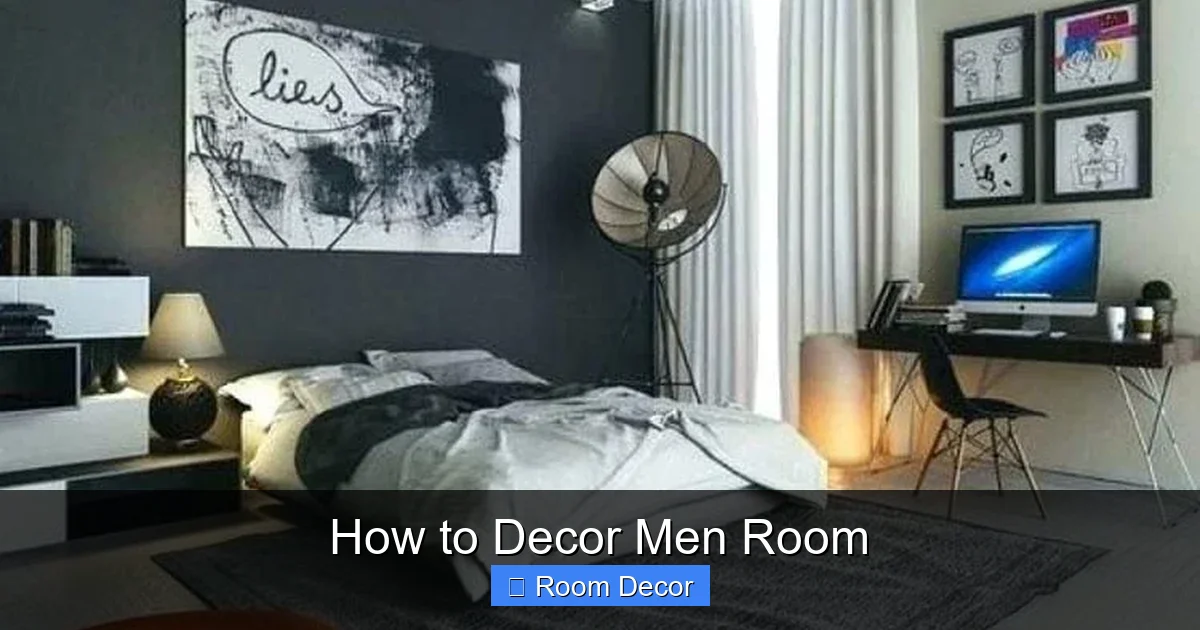
Visual guide about How to Decor Men Room
Image source: designideasguide.com
Ambient Lighting
This is your general, overall illumination. Think ceiling fixtures, recessed lighting, or even a stylish floor lamp that casts light upwards. This provides the basic light needed to navigate the room.
Task Lighting
This is focused light for specific activities. Examples include:
- A desk lamp for working.
- A reading lamp next to your armchair or bed.
- Sconces above a mirror for grooming.
Accent Lighting
This is used to highlight specific features, like artwork, plants, or architectural elements. Spotlights or track lighting can be effective for this purpose.
Dimmers are Your Friend
Install dimmers on your lights whenever possible. This allows you to adjust the brightness and mood of the room depending on the time of day or activity.
Consider Light Fixture Styles
The fixtures themselves are also decorative elements. Choose lamps and ceiling lights that complement your room’s style. Metal finishes, geometric shapes, or natural materials can all add to the overall aesthetic.
Practical Tip: Use warm-toned bulbs (around 2700K-3000K) for a cozy and inviting atmosphere, especially in bedrooms and living areas. Cooler-toned bulbs can be better for task lighting in offices.
Step 5: Accessorize with Purpose
Accessories are the finishing touches that bring a room to life. They add personality, texture, and visual interest. The key is to choose items that are meaningful and contribute to the overall theme, rather than just adding clutter.
Artwork and Wall Decor
This is a great way to express your personality. Consider:
- Photography: Landscapes, cityscapes, or personal photos.
- Abstract Art: Adds a modern touch and can incorporate bold colors.
- Prints: Posters of your favorite movies, bands, or iconic imagery.
- Maps: Vintage maps or maps of places you love.
Arrange artwork in a gallery wall for a cohesive look or choose one large statement piece.
Textiles: Texture and Comfort
Don’t underestimate the power of textiles. They add warmth, comfort, and visual depth.
- Rugs: A well-chosen rug can define a space, add warmth, and tie the room together.
- Throws and Pillows: Add pops of color, texture, and comfort to sofas and beds.
- Curtains: Can control light, add privacy, and contribute to the room’s style.
Plants and Greenery
Plants add life, color, and improve air quality. Choose low-maintenance options if you don’t have a green thumb. A striking planter can also serve as a decorative element.
Personal Touches
Display items that are meaningful to you. This could be souvenirs from travels, collectibles, or items related to your hobbies.
Mirrors
Mirrors can make a room feel larger and brighter by reflecting light. Choose frames that match your decor style.
Practical Tip: When accessorizing, think about balance. Don’t overload surfaces. Group items in odd numbers (like three) for a more visually appealing arrangement.
Step 6: Embrace Organization and Storage
A beautifully decorated room can quickly lose its appeal if it’s messy and disorganized. Smart storage solutions are crucial for maintaining a tidy and functional space. This is essential for a men’s room where practicality is often highly valued.
Declutter Ruthlessly
Before you even think about organizing, get rid of anything you don’t need or use. Be honest with yourself.
Invest in Smart Storage Furniture
As mentioned earlier, furniture with built-in storage is a lifesaver. Think beds with drawers, coffee tables with shelves, or ottomans that open up.
Utilize Wall Space
Shelving units, floating shelves, and wall-mounted organizers are excellent for storing books, displaying decor, or keeping everyday items accessible.
Use Baskets and Bins
These are versatile for storing everything from electronics and cables to extra blankets and toiletries. Choose attractive ones that complement your decor.
Drawer Organizers
Keep drawers tidy and contents easy to find with dividers for socks, underwear, office supplies, or grooming products.
Cable Management
Tangled cords can make a space look messy. Use cable clips, sleeves, or a dedicated cable management box to keep them organized and out of sight.
Create Zones
Within your room, designate areas for specific activities (e.g., a reading corner, a workspace). Keeping items within their designated zones makes tidying up much easier.
Practical Tip: Implement a “one in, one out” rule for certain items, like clothing or books. When you buy something new, get rid of something old.
Troubleshooting Common Decor Dilemmas
Even with the best intentions, you might run into a few decor challenges. Here are some common issues and how to solve them.
The Room Feels Too Small
- Solution: Use light colors on walls and ceilings. Incorporate mirrors to reflect light and create an illusion of space. Choose furniture with legs to create a more open feel. Avoid oversized furniture.
The Room Lacks Personality
- Solution: Introduce more personal touches through artwork, photography, or meaningful objects. Experiment with accent colors in pillows, throws, or smaller decor items. Don’t be afraid to display your interests and hobbies.
The Lighting is Harsh or Inadequate
- Solution: Layer your lighting. Use dimmers to control brightness. Opt for warmer bulb temperatures for a cozier feel. Add floor or table lamps to supplement overhead lighting.
Too Much Clutter
- Solution: Declutter regularly. Invest in more storage solutions like baskets, bins, or furniture with hidden compartments. Create designated homes for everything.
Furniture Doesn’t Fit the Style
- Solution: Sometimes, a few strategic accessories can help bridge style gaps. A modern rug can ground a more traditional sofa. A metallic lamp can update a classic dresser. If a piece is truly out of place, consider replacing it or repurposing it elsewhere.
Conclusion
Decorating a men’s room is an exciting opportunity to create a space that is both functional and a true reflection of your personality. By following these steps—from defining your style and mastering your color palette to selecting the right furniture, implementing smart lighting, and embracing thoughtful accessorizing and organization—you can transform any room into a sanctuary you’ll be proud of. Remember, it’s your space, so have fun with it and make it your own!