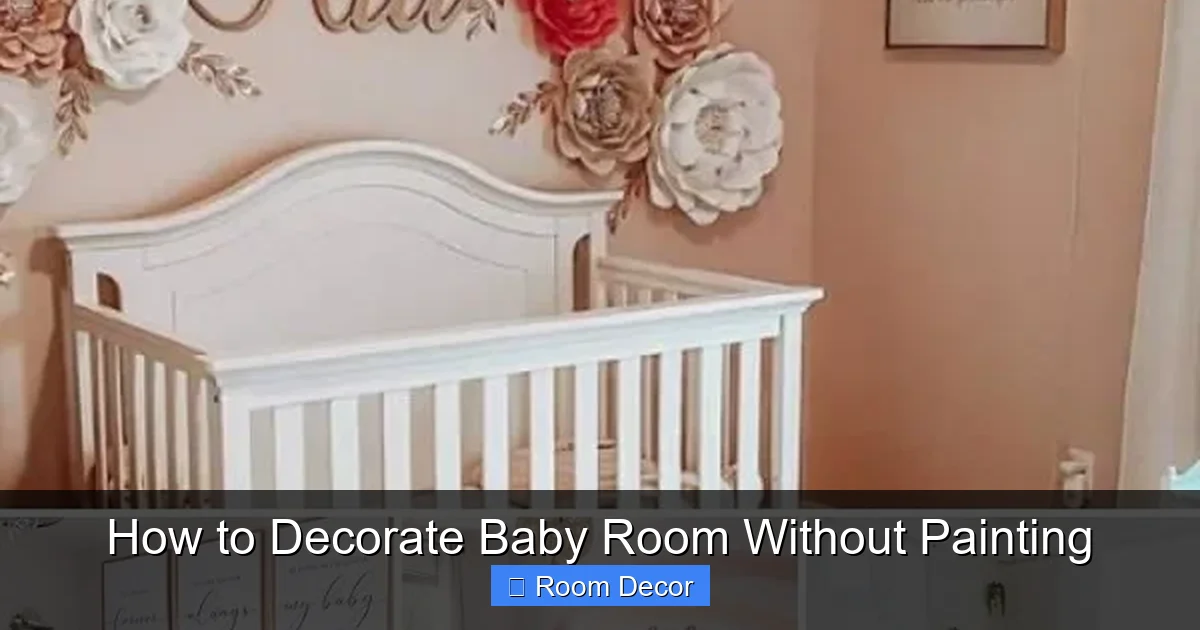
Want to decorate your baby room without painting? This comprehensive guide provides creative, rental-friendly solutions to design a beautiful, safe nursery that reflects your style. Learn how to effortlessly transform walls with removable decals and fabric, add warmth and texture with textiles, and personalize the space with smart accessories, all without picking up a paintbrush. Achieve a stunning nursery with ease, perfect for renters or those seeking healthier, less permanent decor options.
How to Decorate Baby Room Without Painting
Welcome, soon-to-be parents, guardians, and anyone looking to create a beautiful, serene space for a little one! The idea of decorating a baby room often brings to mind endless paint swatches and the smell of fresh paint. But what if you’re a renter and can’t paint? Or maybe you’re looking for a quicker, less permanent solution? Perhaps you’re simply sensitive to paint fumes or want a more eco-friendly approach. Good news! You absolutely can create a stunning, personalized, and safe nursery without ever picking up a paintbrush.
This comprehensive guide will walk you through every step of how to decorate a baby room without painting. We’ll explore creative wall solutions, smart textile choices, clever furniture arrangements, and delightful accessories to bring your vision to life. Get ready to discover a world of possibilities that are not only beautiful but often more flexible, healthier, and budget-friendly than traditional painting. Let’s get started on designing a dream nursery for your precious arrival!
Key Takeaways
- Embrace Removable Wall Decor: Transform plain walls with adhesive decals, temporary wallpaper, or fabric tapestries, offering easy application and removal without paint.
- Leverage the Power of Textiles: Utilize rugs, curtains, crib bedding, throws, and pillows to introduce color, pattern, texture, and warmth, defining the room’s overall aesthetic.
- Focus on Functional & Stylish Furniture: Choose furniture that not only serves its purpose but also contributes to the room’s theme and color palette, such as cribs, dressers, and comfortable seating.
- Accessorize Thoughtfully: Add personality and visual interest with mobiles, lighting fixtures, decorative storage, and personal touches like framed photos or keepsakes.
- Prioritize Safety Above All: Ensure all decor choices are baby-safe, non-toxic, and securely installed, especially when anchoring furniture and managing cords.
- Define Your Vision Early: Start by selecting a theme and a cohesive color palette to guide all your decor decisions, ensuring a harmonious and intentional look.
- Layer and Build: Create depth and coziness by layering different textures, patterns, and elements, from floor coverings to wall decor and soft furnishings.
Step 1: Define Your Vision and Theme
Before you start buying anything, take a moment to dream. What kind of atmosphere do you want to create? A whimsical forest, a starry night sky, a calm minimalist haven, or a vibrant, playful space? Having a clear vision will guide all your choices and ensure a cohesive look when you decorate your baby room without painting.
Choose a Theme That Resonates
The theme will be the heart of your nursery. It can be as simple as a color scheme or as detailed as a specific animal kingdom. Popular themes include:
- Nature-inspired: Forests, mountains, botanical prints, woodland creatures.
- Celestial: Stars, moons, clouds, rockets, planets.
- Animal-centric: Safari animals, farm animals, ocean creatures, cuddly bears.
- Geometric or Abstract: Modern shapes, subtle patterns, color blocks.
- Storybook/Fantasy: Fairies, dragons, popular children’s book characters.
Consider themes that can grow with your child or are easy to adapt later. When you decorate a baby room without painting, themes are often expressed through textiles and decals, making them easy to change in the future.
Select Your Color Palette
Without paint, your existing wall color becomes your base. Don’t worry if it’s a neutral like white, beige, or light gray – these are fantastic backdrops! You’ll introduce color through textiles, furniture, and accessories.
- Neutrals with pops of color: A great approach if walls are already neutral. Think soft grays, creams, or whites with accents of mustard yellow, mint green, blush pink, or deep navy.
- Pastel paradise: Gentle blues, greens, pinks, and yellows create a soothing environment.
- Bold accents: If you’re feeling adventurous, incorporate a few vibrant colors through a rug, curtains, or a statement piece of art. Just remember to balance them with softer tones.
Aim for 2-3 main colors and 1-2 accent colors to keep the palette harmonious.
Create a Mood Board
A mood board is your visual blueprint. Collect images of furniture, fabrics, wall decor, and accessories that fit your theme and color palette. Use Pinterest, physical clippings, or even a simple digital document. This step helps you visualize the space and ensures all your choices work well together before you make any purchases. It’s especially helpful when you want to decorate a baby room without painting, as it consolidates all your non-paint ideas.
Step 2: Transform Walls Without a Brushstroke

Visual guide about How to Decorate Baby Room Without Painting
Image source: i.pinimg.com
The walls are usually the first thing people think about painting, but they offer incredible opportunities for creative, paint-free decoration.
Removable Wallpaper and Wall Decals
These are your best friends when you decorate a baby room without painting.
- Removable Wallpaper: Modern peel-and-stick wallpaper comes in an astonishing array of patterns, textures, and colors. It’s designed to be applied easily and removed cleanly without damaging walls, making it perfect for renters.
- Tip: Consider an accent wall behind the crib or changing table to make a statement without overwhelming the room.
- Application: Follow the manufacturer’s instructions carefully. Ensure walls are clean and dry. Many brands offer samples, so you can test adhesion and color before committing.
- Wall Decals: From individual stars and polka dots to intricate trees, animal murals, or quotes, decals are versatile and easy to apply. They offer a custom look without the commitment.
- Tip: Mix and match different decal sets to create a unique scene. Think about a growth chart decal to track your little one’s height!
- Application: Peel off the backing, stick to the wall, and smooth out air bubbles. Most are repositionable, allowing for adjustments.
Fabric and Tapestries
Fabrics can add softness, warmth, and texture to your walls.
- Tapestries: A large, decorative tapestry can serve as a stunning focal point, much like a piece of art. Choose one with a pattern or scene that fits your nursery theme.
- Tip: Look for lightweight tapestries made from natural, breathable fabrics. Hang them securely with Command hooks, curtain rods, or decorative tacks.
- Fabric Panels: Cut fabric to size, hem the edges, and attach it to foam core boards before hanging. This creates a softer, more custom look. You could even use a beautiful quilt as wall art!
Art Prints, Posters, and Gallery Walls
Gallery walls are fantastic for personalizing the space and adding visual interest.
- Curated Collections: Group framed art prints, illustrations, photographs, and even small mirrors. Choose frames that complement your color palette and theme.
- Tip: Mix different frame sizes and orientations for a dynamic look. Ensure all frames are securely hung using proper picture hangers. For extra safety, opt for lightweight frames and acrylic “glass” instead of real glass.
- Large Statement Pieces: A single, oversized art print or poster can make a big impact. Look for canvas prints or framed artwork that aligns with your chosen theme.
Decorative Shelving and Display Ledges
Shelves aren’t just for storage; they’re excellent decor opportunities.
- Floating Shelves: Install a few floating shelves to display small toys, books, sentimental items, or little decorative elements.
- Tip: Arrange items aesthetically, considering height and color. Ensure shelves are securely anchored into wall studs.
- Picture Ledges: These shallow shelves are perfect for propping up framed photos or small art prints without having to hang each piece individually.
Washi Tape Designs
For a truly temporary and customizable option, washi tape is your secret weapon.
- Geometric Patterns: Create stripes, chevrons, crosses, or even a faux “wainscoting” effect directly on the wall. It’s low commitment and available in countless colors and patterns.
- Tip: Use a level to ensure straight lines. Peel off carefully when you’re ready for a change.
Step 3: Embrace the Power of Textiles

Visual guide about How to Decorate Baby Room Without Painting
Image source: i.pinimg.com
Textiles are the magic ingredient when you decorate a baby room without painting. They add warmth, texture, color, and pattern, turning a plain room into a cozy haven.
Rugs: Softness and Zone Definition
A rug can anchor the room, define a play area, and add a huge dose of style and comfort.
- Color and Pattern: Choose a rug that complements your theme and color palette. A patterned rug can introduce visual interest, while a solid-colored rug in a bold hue can make a statement.
- Texture and Comfort: Look for soft, plush rugs that are comfortable for tummy time and future playtime. Natural fibers like cotton or wool are excellent choices.
- Tip: Always use a non-slip rug pad underneath to prevent accidents and keep the rug in place.
Curtains and Blinds: Style and Function
Beyond privacy and light control, window treatments are key decorative elements.
- Blackout Curtains: Essential for baby’s sleep, these also offer an opportunity to introduce color, pattern, or texture.
- Tip: Choose curtains that match or complement your rug and crib bedding. Floor-length curtains can make the room feel taller and more elegant.
- Roman Blinds or Roller Shades: A sleek, modern alternative to curtains, these can also come in various colors and patterns.
Crib Bedding and Skirts
The crib is often the focal point of the room, and its bedding is a major textile opportunity.
- Coordinated Sets: Choose bedding that ties into your theme. Remember to prioritize safety: avoid bumpers, loose blankets, or excessive pillows in the crib. A fitted sheet and a crib skirt are sufficient.
- Tip: A decorative crib skirt can hide storage underneath the crib and add a touch of elegance or playfulness.
Throw Pillows and Blankets
For the glider or armchair, these add comfort and style.
- Texture and Color: Use throw pillows and a soft blanket to reinforce your color palette and add inviting textures.
- Tip: Choose pillows with removable covers for easy washing. Ensure they are kept away from the crib for safety.
Step 4: Furnishings and Functional Flair
Beyond the essential baby furniture, other pieces can be both practical and beautiful, contributing significantly when you decorate a baby room without painting.
The Crib, Changing Table, and Dresser
These are the anchors of the nursery.
- Styling: Even basic furniture can be styled. For instance, a simple white dresser can be enhanced with decorative drawer pulls that match your theme.
- Safety First: Always choose cribs and furniture that meet current safety standards.
Seating: A Cozy Nook
A comfortable chair or glider is indispensable for feeding, cuddling, and story time.
- Glider or Armchair: Select a piece that is comfortable for you and complements the room’s aesthetic.
- Tip: Add a throw blanket and a decorative pillow to make it even more inviting.
- Ottoman or Pouf: Perfect for resting your feet or as extra seating.
Storage Solutions: Organized and Adorable
Storage doesn’t have to be purely functional; it can be decorative too.
- Baskets and Bins: Woven baskets, fabric bins, or decorative boxes are perfect for toys, diapers, and blankets. They come in countless colors and styles.
- Tip: Choose baskets that fit your theme (e.g., rope baskets for a nautical theme, woven grass for a nature theme).
- Open Shelving: Display books with their covers facing out, small decorative items, or stacks of neatly folded clothes.
- Drawer Dividers: Keep drawers organized for tiny baby clothes.
Lighting: Ambiance and Practicality
Lighting sets the mood and is crucial for nighttime feedings and diaper changes.
- Main Light Fixture: A stylish ceiling fixture can add a touch of personality. Look for one that casts soft, diffused light.
- Table Lamps/Floor Lamps: A lamp with a dimmer or a soft glow is perfect for late-night tasks without waking your baby too much. Choose a lampshade that adds a pop of color or pattern.
- Tip: Look for lamps with whimsical bases or shades that tie into your theme. Ensure cords are neatly secured and out of reach.
- Nightlights: A gentle nightlight can provide comfort and a guiding glow.
- Fairy Lights: Hung safely out of reach along a shelf or around a window, fairy lights can add a magical, soft glow. Always ensure they are battery-operated or have a low voltage transformer and are installed securely away from cribs or curious hands.
Step 5: Accessorize and Personalize
The final touches are where the room truly comes alive and reflects your family’s unique style.
Mobiles and Play Gyms
These provide visual stimulation for your baby and can be beautiful decorative pieces.
- Crib Mobile: Choose one that coordinates with your theme and color palette. Ensure it’s securely attached and out of reach of your baby’s grasping hands.
- Play Gym: A wooden or fabric play gym can be a stylish addition to the room, encouraging developmental play.
Plants: A Touch of Greenery (with caution)
Plants can bring life and freshness into a room, but choose wisely.
- Non-Toxic Options: If you choose to include plants, ensure they are non-toxic to children and pets. Examples include spider plants, Boston ferns, and certain varieties of peace lily (though some debate peace lily toxicity, so best to research thoroughly or opt for clearly safe ones).
- Tip: Place plants on high shelves or out of reach of tiny hands. Use decorative planters that match your decor.
Personal Touches and Keepsakes
These elements make the room truly yours.
- Framed Photos: Display pictures of family, pets, or ultrasound photos.
- Handmade Items: A knitted blanket, a special drawing, or a sentimental item can add warmth and history.
- Baby’s Firsts: Display tiny shoes, a first teddy bear, or a framed handprint/footprint.
Books and Toys as Decor
Even everyday items can contribute to the room’s aesthetic.
- Book Displays: Arrange colorful children’s books on front-facing shelves or in decorative bins.
- Stylish Toys: Wooden toys, plush animals, or building blocks can be arranged artfully on shelves or in clear storage containers.
Step 6: Prioritize Safety Above All Else
While decorating, remember that safety is paramount in a baby’s room.
Anchor All Furniture
Dressers, bookshelves, and changing tables must be securely anchored to the wall to prevent tip-overs. Use furniture straps provided with the furniture or purchase them separately. This is a non-negotiable step.
Manage Cords and Wires
Keep all electrical cords from lamps, monitors, and blinds out of your baby’s reach. Use cord covers or ties to secure them neatly. Check blind cords, ensure they are short or have safety devices to prevent strangulation hazards.
Choose Non-Toxic Materials
When selecting decals, fabrics, and accessories, opt for items made from non-toxic, lead-free, and baby-safe materials. Look for certifications like GREENGUARD Gold for furniture and OEKO-TEX for textiles. Since you choose to decorate a baby room without painting, often for health reasons, extend this philosophy to all your decor choices.
Troubleshooting Common Decorating Dilemmas
“My room feels a little bland or unfinished.”
This is a common feeling, especially when you decorate a baby room without painting.
- Solution: Introduce more texture! Think about a chunky knit blanket, a faux fur rug, or a textured wallpaper decal. Add a bold accent color through a few strategic accessories like a bright lamp or a vibrant throw pillow. A large piece of wall art or a dramatic tapestry can also create a focal point and add interest.
“The room feels too busy or cluttered.”
Sometimes, too many good ideas can make a space feel overwhelming.
- Solution: Simplify. Remove a few smaller accessories. Re-evaluate your color palette – perhaps reduce the number of accent colors. Choose one main focal point for the room (e.g., the removable wallpaper accent wall) and ensure other elements support it rather than compete with it. Utilize closed storage for items you don’t want on display.
“I’m in a rental with strict rules about wall alterations.”
Many renters face this, but you still have plenty of options to decorate a baby room without painting.
- Solution: Stick to truly temporary options. Use only high-quality, removable peel-and-stick wallpaper and decals known for clean removal. For hanging art, rely on Command strips and hooks, which are designed to remove cleanly. Lean large art prints against the wall instead of hanging them. Focus heavily on textiles (rugs, curtains, bedding) and freestanding furniture to bring in color and style.
Conclusion
Creating a beautiful, inviting, and safe baby room without paint is not only possible but can also be an incredibly rewarding and creative process. By embracing removable wall decor, layering lush textiles, selecting thoughtful furnishings, and personalizing with charming accessories, you can design a nursery that is truly unique and reflects the immense love you have for your little one.
Remember to prioritize safety in every decision, ensuring that your baby’s space is not just beautiful but also a secure haven for sleep and play. So, take a deep breath, get inspired, and enjoy the journey of designing your dream nursery, paintbrush-free! Happy decorating!