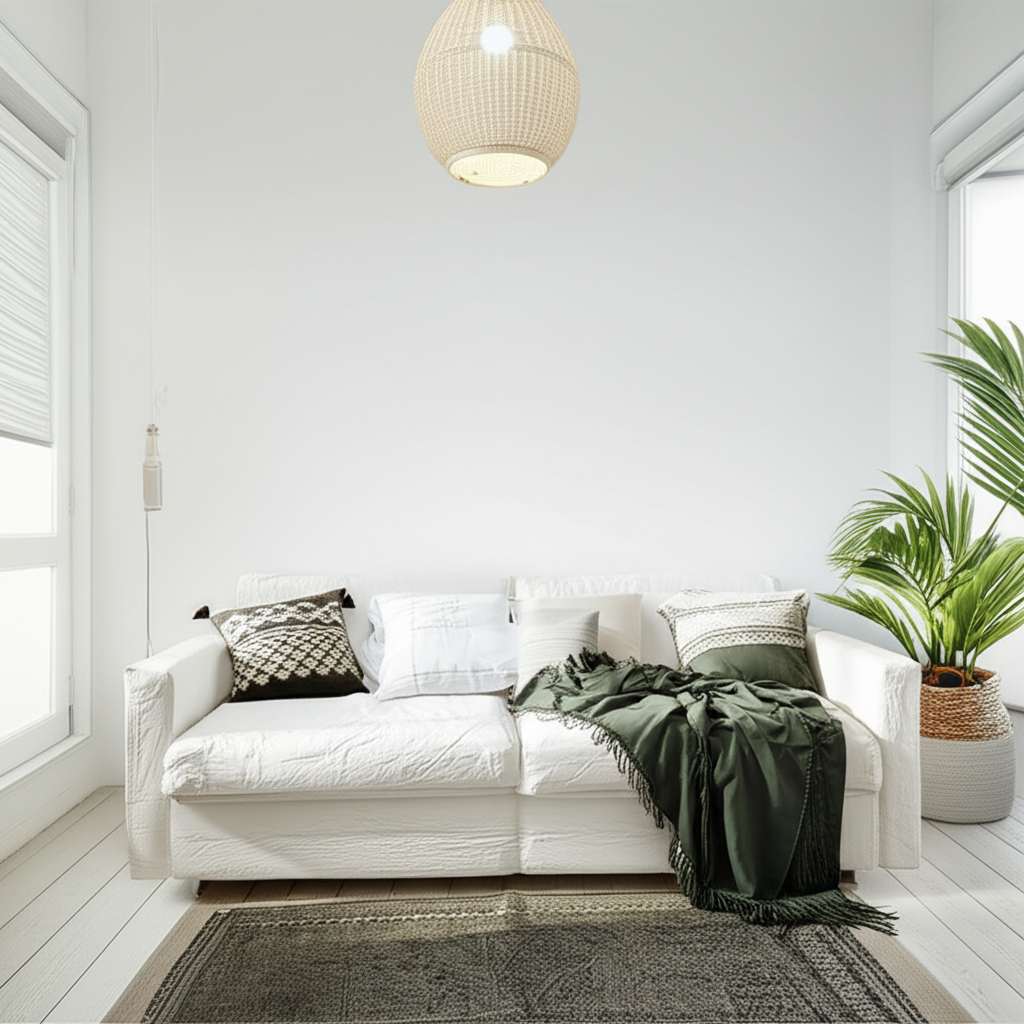
Quick Summary: Effortlessly decorate your room with simple, impactful ideas focusing on decluttering, smart furniture arrangement, accent pieces, and strategic lighting. This guide offers beginner-friendly, budget-conscious tips to create a stylish and inviting space without the overwhelm.
Feeling like your room needs a little sparkle but don’t know where to start? You’re not alone! Many of us look at Pinterest or home decor magazines and feel a bit intimidated. It seems like creating a beautiful space requires a huge budget or a professional designer.
But what if I told you that decorating your room doesn’t have to be complicated or expensive? It’s all about smart choices and focusing on what makes you feel good in your space. We’ll break down simple, actionable steps to transform your room into a cozy, stylish haven.
Get ready to discover how easy it can be to bring your room to life with effortless charm. We’ll cover everything from clearing the clutter to adding those perfect finishing touches that make a big difference.
How Can I Decorate My Room in a Simple Way: Effortless Ideas
Transforming your room doesn’t require a complete overhaul or a fortune. The key to simple, effective room decoration lies in focusing on a few core principles. We’re talking about making your space feel more you, more comfortable, and more visually appealing without breaking a sweat or your bank account. Let’s dive into how you can achieve a stylish room with minimal fuss.
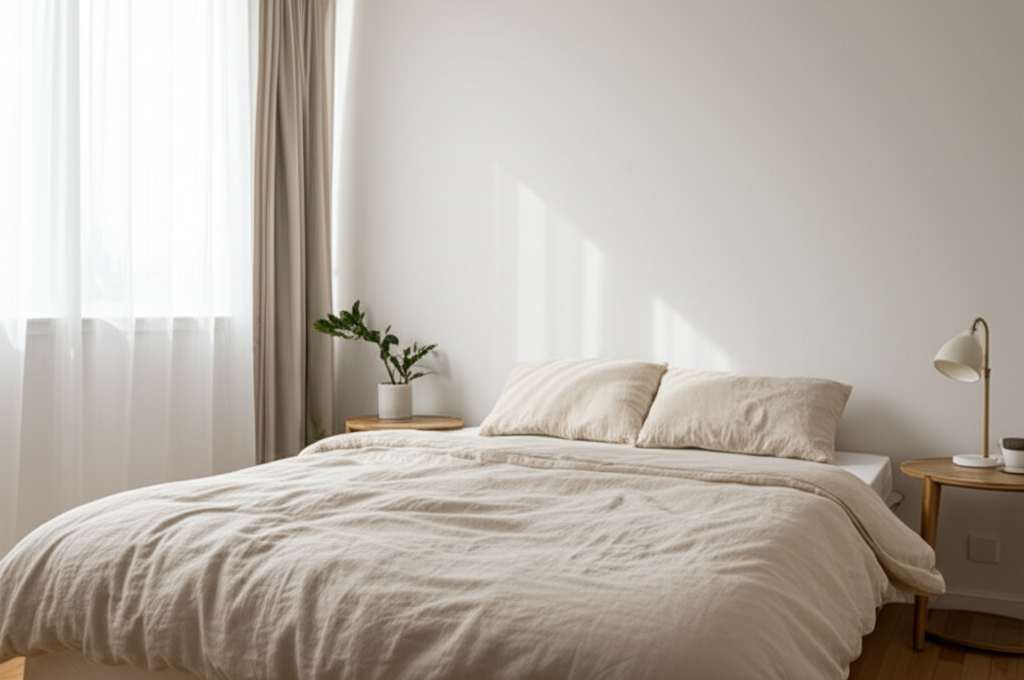
Step 1: Declutter and Organize – The Foundation of Simplicity
Before you even think about buying new decor, the most crucial step is to declutter. A messy room can make even the most beautiful items look chaotic. Taking the time to organize will instantly make your space feel larger and more peaceful. This is the ultimate budget-friendly decorating trick!
- Sort Through Everything: Go through your belongings item by item. Ask yourself: Do I use this? Do I love this? Does it serve a purpose? If the answer to all is no, it might be time to donate, sell, or discard it.
- Create Zones: Designate specific areas for different types of items. For example, a spot for books, a place for electronics, and a drawer for essentials. This makes finding things easier and keeps surfaces clear.
- Invest in Smart Storage: Utilize storage solutions that fit your space and style. Baskets, decorative boxes, shelves, and under-bed storage can hide clutter while adding to the room’s aesthetic. Look for multi-functional pieces like ottomans with storage.
- The “One In, One Out” Rule: For every new item that enters your room, try to remove a similar item. This helps maintain order and prevents clutter from accumulating again.
A tidy space is the best canvas for any decoration. It allows your chosen decor elements to shine without being overshadowed by disarray. Think of it as clearing your mind before tackling a creative project – essential for a beautiful outcome.
Step 2: Rethink Your Furniture Layout – Maximize Space and Flow
The way your furniture is arranged has a huge impact on how your room feels and functions. Even without buying new furniture, a simple rearrangement can make a world of difference. The goal is to create a natural flow and make the best use of the space you have.
- Identify the Focal Point: What’s the main feature of your room? Is it a window with a view, a comfortable bed, or perhaps a television? Arrange your furniture to highlight this focal point.
- Create Conversation Areas: If your room is large enough, arrange seating to encourage conversation. Pull chairs and sofas away from the walls to create a more intimate and inviting atmosphere.
- Ensure Easy Movement: Make sure there’s enough space to walk around comfortably. Avoid blocking doorways or creating tight squeezes. A good rule of thumb is to have at least 2-3 feet of walking space in main pathways.
- Consider Scale: If you have a small room, avoid oversized furniture that can make the space feel cramped. Conversely, in a large room, smaller pieces can look lost. Aim for furniture that is proportionate to the room’s size.
- Utilize Vertical Space: Tall bookshelves or wall-mounted shelves can draw the eye upwards, making the room feel larger and providing ample storage without taking up much floor space.
Experiment with different layouts. Sometimes, a small shift can completely change the energy and usability of your room. Don’t be afraid to move things around until it feels just right.
Step 3: Color and Walls – Simple Ways to Add Personality
Your walls are a large canvas, and how you treat them can dramatically alter the room’s ambiance. You don’t need to paint entire rooms to make a statement. Subtle touches can be incredibly effective.
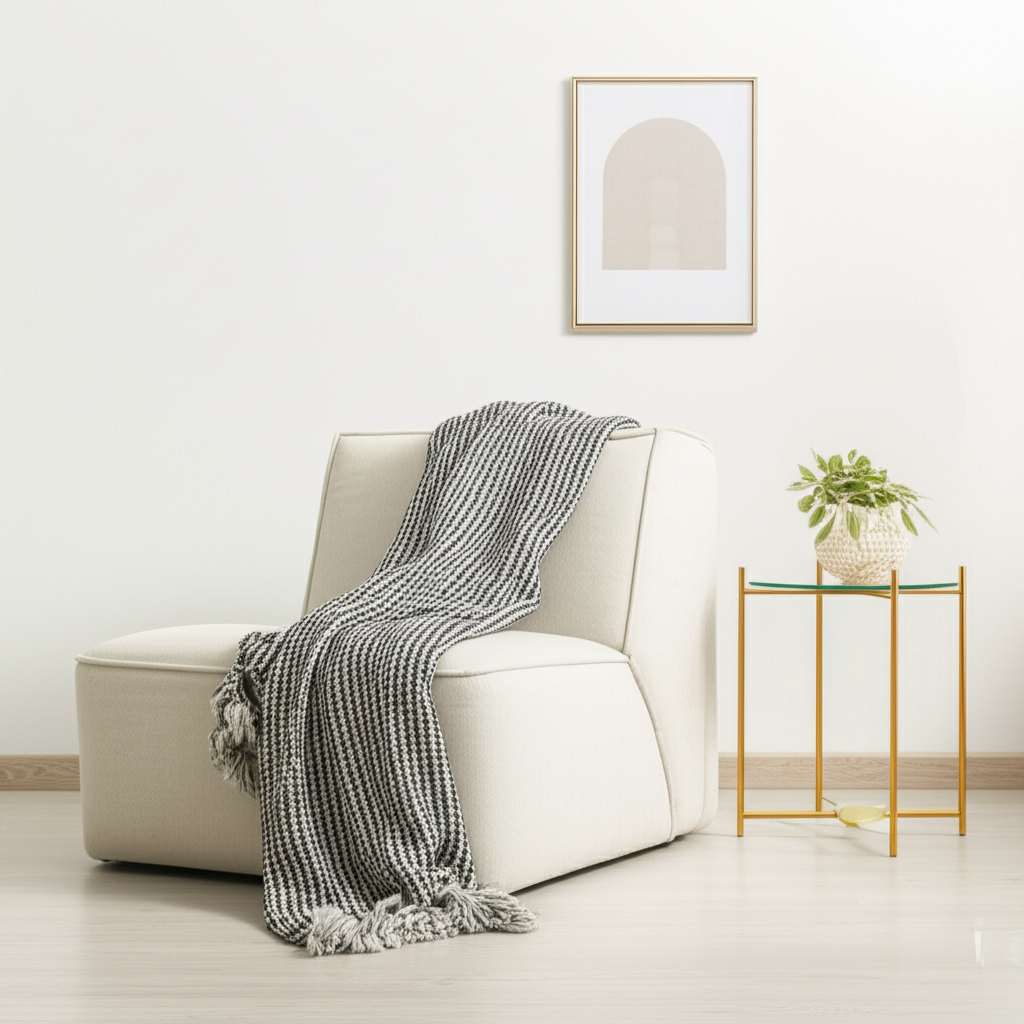
- Accent Walls: Painting just one wall in a bold or contrasting color can add depth and interest without overwhelming the space. This is a fantastic way to introduce color without a massive commitment.
- Wall Art and Prints: Choose art that speaks to you. It doesn’t have to be expensive. Affordable prints, personal photographs, or even DIY art can add character. Consider a gallery wall for a curated look or a single large piece as a focal point.
- Mirrors: Mirrors are magical for small spaces! They reflect light, making the room feel brighter and more expansive. A well-placed mirror can also serve as a decorative element.
- Removable Wallpaper: For renters or those who like to change things up, removable wallpaper is a game-changer. It offers the impact of wallpaper without the permanent commitment. Explore patterns that complement your style.
- Tapestries and Fabric Wall Hangings: These can add texture, color, and a bohemian or artistic vibe to your walls. They are often lightweight and easy to hang.
The color palette you choose can evoke different moods. Lighter colors tend to make a room feel more spacious and airy, while warmer or deeper colors can create a cozier, more intimate feel. Think about the overall atmosphere you want to achieve.
Step 4: Lighting – Setting the Mood
Lighting is often overlooked, but it’s one of the most powerful tools for transforming a room. Harsh overhead lighting can make a space feel sterile, while well-chosen lamps and natural light can create warmth and ambiance.
- Layer Your Lighting: Aim for multiple light sources. This includes ambient lighting (general illumination, like a ceiling fixture), task lighting (for reading or working, like a desk lamp), and accent lighting (to highlight features, like a picture light).
- Embrace Natural Light: Maximize sunlight by keeping windows clean and unobstructed. Light, sheer curtains can diffuse harsh sunlight while still allowing light to enter.
- Use Lamps: Floor lamps and table lamps are excellent for creating softer, warmer pools of light. Choose lamps with shades that complement your decor. Dimmers are also a great addition for controlling light intensity.
- Consider String Lights or Fairy Lights: These can add a magical and cozy touch, especially in bedrooms or living areas. Drape them around a headboard, a mirror, or along a shelf.
- Warm Bulbs: Opt for light bulbs with a warm color temperature (around 2700K to 3000K) for a cozy, inviting glow. Avoid cool, blue-toned bulbs for living spaces.
Good lighting can make a room feel more inviting and comfortable. It’s about creating different moods for different times of the day and activities.
Step 5: Textiles and Soft Furnishings – Adding Comfort and Texture
Soft furnishings are where you can really inject personality and comfort into your room. They add warmth, texture, and color, making the space feel more lived-in and inviting.
- Rugs: A well-chosen rug can anchor a room, define different zones, and add a splash of color or pattern. Even a small rug can make a big impact.
- Cushions and Throws: These are the easiest way to add color, pattern, and coziness to sofas, chairs, and beds. Mix and match textures and sizes for a layered look.
- Curtains: Beyond their functional purpose of controlling light, curtains add softness and style. Choose fabrics and colors that complement your overall decor.
- Bedding: For bedrooms, fresh, comfortable bedding can be a central decorative element. Consider changing your duvet cover or adding decorative pillows and a throw.
Think about the textures you’re introducing. A mix of soft fabrics like velvet, chunky knits, and smooth cotton can add visual and tactile interest.
Step 6: Decorative Accents – The Finishing Touches
Once the main elements are in place, it’s time for the fun part – adding decorative accents! These are the small details that truly personalize your space and make it feel complete.
- Plants: Greenery brings life into any room. Houseplants add color, improve air quality, and create a calming atmosphere. Start with low-maintenance plants if you’re new to plant care.
- Candles and Diffusers: These add a lovely scent and can be visually appealing, especially decorative candles.
- Books and Decorative Objects: Arrange books on shelves or coffee tables. Display meaningful objects, souvenirs, or small sculptures that tell your story.
- Trays: Use decorative trays on coffee tables, ottomans, or dressers to group smaller items. This keeps things organized and looks intentional.
- Personal Touches: Display photos of loved ones, artwork you’ve created, or items that hold sentimental value. These personal touches are what make a house a home.
Don’t go overboard with accents. A few well-chosen pieces are more effective than cluttering your space with too many small items. Less is often more when aiming for a simple, stylish look.
Step 7: Embrace a Color Palette – Keeping it Simple
Choosing a cohesive color palette is one of the simplest ways to make your room look intentional and stylish. It ties everything together and prevents your decor from looking random.
For a beginner-friendly approach, try sticking to 2-3 main colors plus a neutral. Neutrals like white, beige, gray, or even soft black provide a calm base. Then, introduce your accent colors through pillows, art, rugs, and other decor items.
Example Palettes for Simple Decoration:
| Theme/Mood | Primary Color | Accent Colors | Neutral Base |
|---|---|---|---|
| Calm & Serene | Soft Blue or Sage Green | Creamy White, Light Grey, Blush Pink | White or Light Beige |
| Warm & Cozy | Terracotta or Warm Beige | Mustard Yellow, Olive Green, Deep Burgundy | Cream or Light Brown |
| Modern & Fresh | Crisp White or Light Grey | Navy Blue, Emerald Green, or a Pop of Coral | White or Charcoal Grey |
When selecting colors, consider the amount of natural light your room receives. Lighter colors can make a dimly lit room feel brighter, while darker colors might work well in a room flooded with sunlight.
Budget-Friendly Decorating Hacks
Decorating doesn’t have to drain your wallet. Here are some smart ways to get a high-impact look for less:
- DIY Projects: Paint old furniture, create your own art, or repurpose items you already own. Websites like HomeTalk offer a wealth of DIY inspiration.
- Thrift Stores and Flea Markets: You can find unique furniture, decor items, and artwork at incredibly low prices. A little cleaning or a fresh coat of paint can transform a thrift store find.
- Sales and Clearance Sections: Keep an eye out for sales at your favorite home decor stores. Clearance sections are goldmines for discounted items.
- Rearrange What You Have: Before buying anything new, try rearranging your existing furniture and decor. Sometimes, a fresh perspective is all you need.
- Focus on Impactful Items: Instead of buying many small, inexpensive items, save up for one or two larger pieces that make a statement, like a rug or a piece of art.
- Swap with Friends: If you have friends who also enjoy decorating, consider swapping items you’re tired of.
Small changes can make a significant difference. Prioritize where you want to spend your budget for the most visual return.
Maintaining Your Simply Decorated Room
Once you’ve achieved your beautifully decorated space, maintaining it is key to keeping that effortless feel. It’s less about constant effort and more about building good habits.
- Regular Tidying: Spend 10-15 minutes each day putting things back in their place. This prevents clutter from building up again.
- Weekly Reset: Once a week, do a quick dust of surfaces, vacuum or sweep, and straighten cushions. This keeps your room looking fresh.
- Seasonal Refresh: Twice a year, revisit your decluttering process. It’s a great time to reassess what you have and make space for anything new.
- Protect Your Investments: For items like rugs or upholstery, follow care instructions to keep them looking their best.
A simply decorated room is one that’s easy to live in and easy to maintain. By incorporating these small habits, you’ll ensure your space remains a sanctuary.
Frequently Asked Questions (FAQ)
Q1: How can I decorate my room without spending a lot of money?
A1: Focus on decluttering, rearranging furniture, using items you already own, DIY projects, and shopping at thrift stores or clearance sales. Even small changes like adding plants or rearranging art can make a big impact without a high cost.
Q2: I have a very small room. What are the best simple decorating tips?
A2: For small rooms, prioritize multi-functional furniture, vertical storage, mirrors to create an illusion of space, and a light color palette. Keep decor minimal and ensure clear pathways for easy movement. Avoid oversized furniture.
Q3: What is the easiest way to add color to my room?
A3: The simplest ways to add color are through textiles like throw pillows, blankets, and rugs. Wall art, a new set of curtains, or even painting a single accent wall can also introduce color effectively without a complete room makeover.
Q4: How do I choose the right colors for my room?
A4: Start with a neutral base and then choose 2-3 accent colors that you love. Consider the mood you want to create – light and airy, or warm and cozy. Look at paint color websites or magazines for inspiration and consider getting paint swatches to see how they look in your room’s light.
Q5: Is it okay to mix different decor styles?
A5: Absolutely! Mixing styles can create a unique and personalized look. The key is to find common threads, like a shared color palette or a few unifying elements, to ensure the space still feels cohesive rather than chaotic. For a simple approach, focus on one dominant style and add subtle touches from another.
Q6: How important is lighting in room decoration?
A6: Lighting is extremely important! It sets the mood and ambiance of your room. Layering different types of lighting – ambient, task, and accent – with warm-toned bulbs can make a huge difference in how inviting and comfortable your space feels, far more than many decorative items.
Q7: How can I make my room feel more personal without clutter?
A7: Display a few cherished items strategically. This could be a framed photo on a bedside table, a meaningful piece of art on the wall, or a collection of books you love on a shelf. Choose items that have a story or evoke a positive feeling, and display them thoughtfully rather than scattering them around.
Conclusion
Decorating your room doesn’t have to be a daunting task. By focusing on decluttering, smart furniture arrangement, strategic use of color, effective lighting, and adding personal touches through textiles and accents, you can create a beautiful and functional space. Remember, simplicity is key – choose pieces you love and that serve a purpose.
Start with small, manageable steps. The goal is to create a room that feels comfortable, reflects your personality, and brings you joy. Whether you’re a student in a dorm, a renter with limited options, or a homeowner looking for a refresh, these effortless ideas can help you transform your room into a personal sanctuary. So, go ahead, experiment, and enjoy the process of making your space uniquely yours! For more inspiration on minimalist design principles, check out our guide on 10 Minimal Decor Ideas For Kitchens: Amazing Makeover. If you’re looking to refresh your walls with art, explore 12 Kitchen Wall Art Ideas: Stunning Makeovers for creative ideas that translate beautifully to any room.