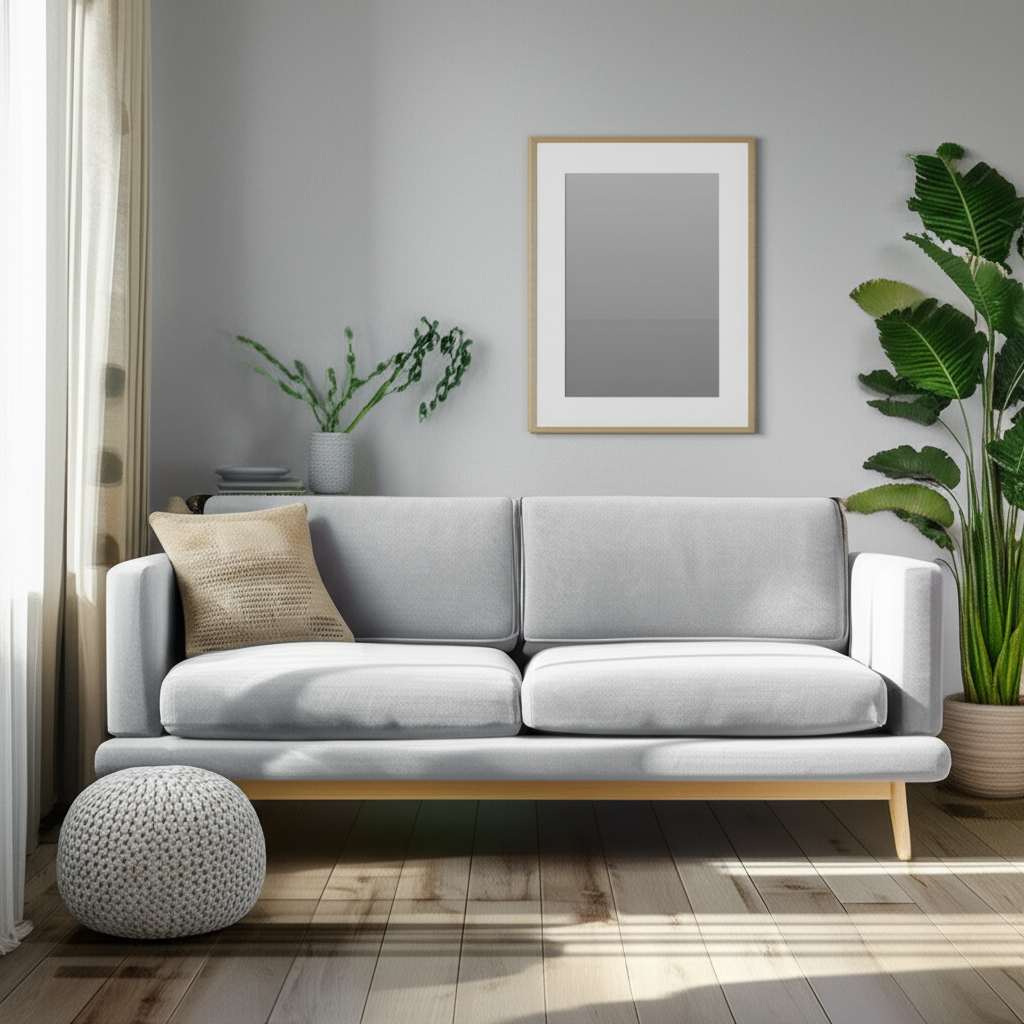
To decorate your living room very simply and achieve effortless style, focus on a few key elements: declutter, define your color palette, strategically place furniture, add cozy textiles, and incorporate meaningful decor. Start small, prioritize comfort and function, and let your personality shine through for a welcoming and stylish space.
Feeling a bit overwhelmed by the thought of decorating your living room? You’re not alone! Many of us look at beautiful rooms online and wonder how to achieve that effortless style without a huge budget or a design degree. It can feel like a puzzle with too many pieces.
But what if I told you that creating a beautiful and comfortable living room can be surprisingly simple? It’s all about smart choices and focusing on what truly matters.
This guide will break down decorating into easy, manageable steps. We’ll transform your living room from a space you tolerate to one you absolutely love, without the stress. Let’s get started on your effortless style journey!
The Power of Simple: Your Living Room Makeover Roadmap
Decorating doesn’t need to be complicated. The most stylish spaces often have a sense of calm and intention. We’ll focus on a few core principles to make your living room both beautiful and functional. Think of this as your friendly guide to creating a space that feels just right.
Step 1: Declutter and Define Your Space
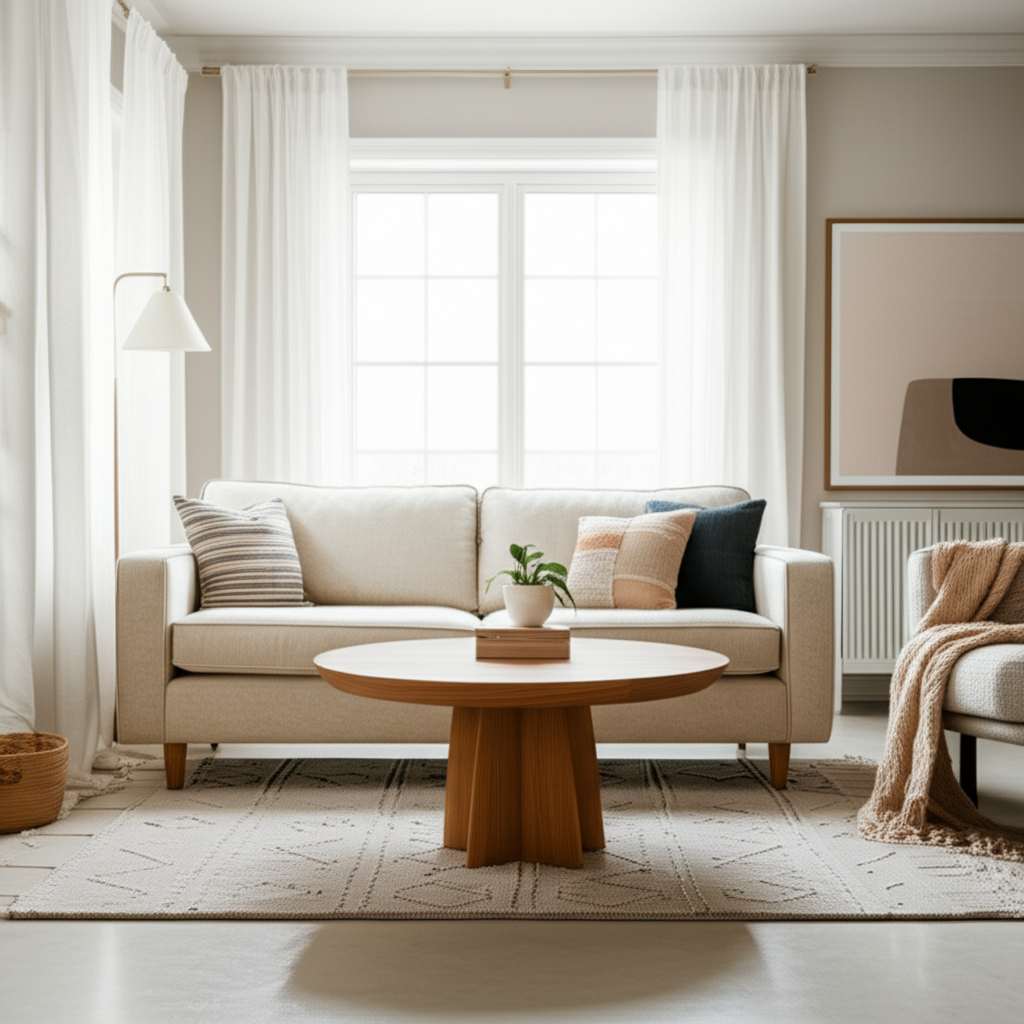
Before any decorating can happen, we need a clean slate. Clutter can make even the most beautifully designed room feel chaotic and small. Taking the time to declutter is the first, and perhaps most important, step to effortless style.
Go through everything in your living room. Ask yourself: Do I use this? Do I love this? Does it serve a purpose? If the answer to these questions isn’t a clear “yes,” it might be time to let it go. Consider donating items you no longer need or finding new homes for things that don’t fit your vision.
A tidy space instantly feels larger and more peaceful. This foundation makes all your decorating efforts more impactful. Think of it as clearing the canvas before painting your masterpiece.
Step 2: Choose Your Color Palette (Keep it Simple!)
Color is a powerful tool, but too many colors can be overwhelming. For an effortless look, stick to a simple color palette. This creates a cohesive and calming atmosphere.
Start with a neutral base. Think soft whites, warm grays, or calming beiges. These act as a backdrop for your other colors and make the room feel spacious and airy.
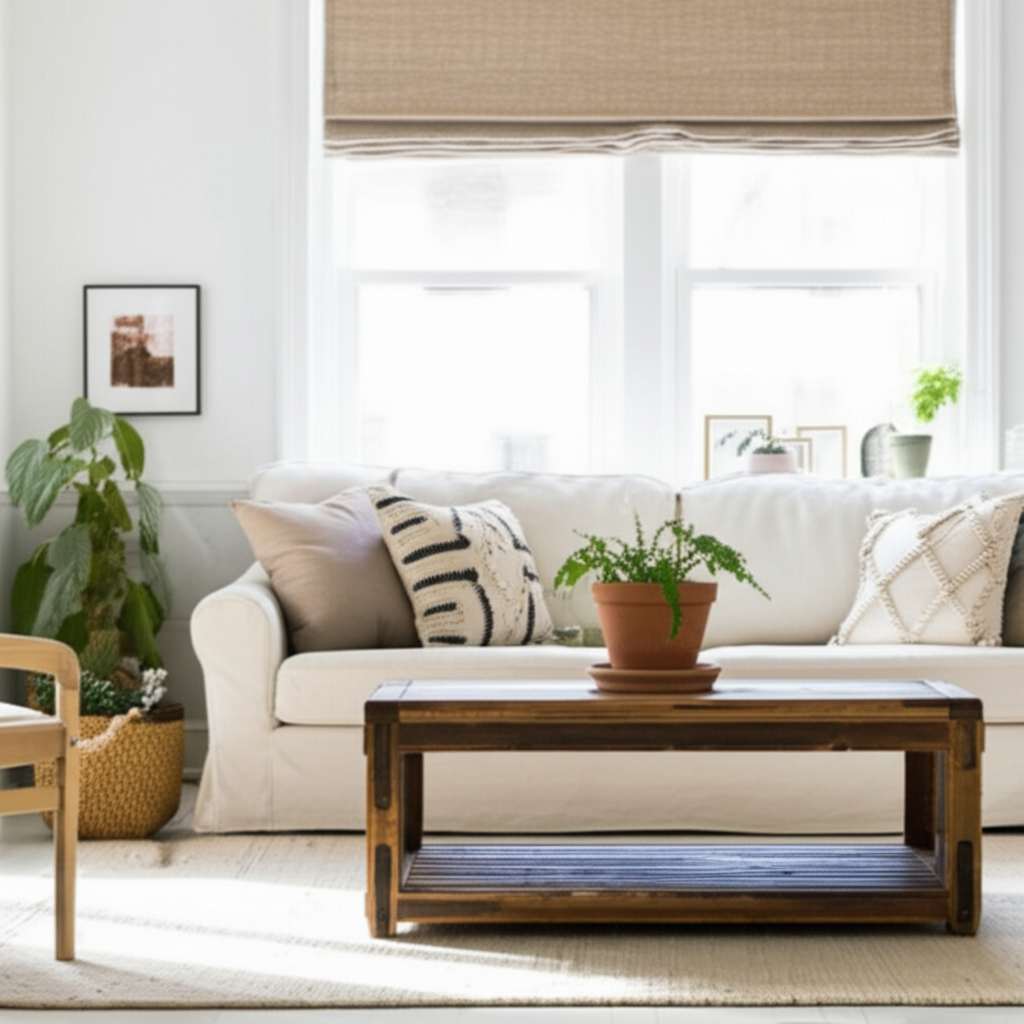
Then, choose one or two accent colors that you love. These can be introduced through pillows, throws, artwork, or smaller decorative items. This approach ensures your room feels unified and sophisticated without being boring. For example, a gray and white base with pops of deep teal or warm terracotta can be very effective. If you’re drawn to warm tones, you might enjoy exploring our guide to warm kitchen color ideas for inspiration that can easily translate to living spaces.
If you’re unsure where to start, look for inspiration in things you already own and love, like a favorite piece of art or a patterned rug. You can also use online tools like Sherwin-Williams’ color visualizer to experiment with different combinations.
Step 3: Furniture Arrangement: Function First
How you arrange your furniture significantly impacts how your living room feels and functions. The goal is to create comfortable conversation areas and ensure easy flow through the room.
Start with your largest piece of furniture, usually the sofa. Position it to create a focal point, like facing a fireplace or a window with a nice view. Don’t push all furniture against the walls; pulling pieces slightly away can create a more inviting and intimate seating arrangement.
Arrange seating pieces (sofas, chairs) so they face each other or are angled to encourage conversation. A common mistake is creating a long line of furniture. Instead, think about creating a cozy cluster.
Ensure there’s enough space to walk around easily. Aim for at least 18-24 inches between coffee tables and seating for comfortable legroom. A well-arranged room feels balanced and inviting.
Furniture Arrangement Tips:
- Create a conversation zone with seating pieces facing each other.
- Leave at least 18-24 inches of space between furniture for comfortable movement.
- Consider the focal point of the room (fireplace, TV, window) when placing your sofa.
- Don’t be afraid to pull furniture away from the walls.
Step 4: Layer in Cozy Textiles
Textiles are your secret weapon for adding warmth, texture, and personality to your living room. They instantly make a space feel more inviting and comfortable.
Start with a rug. A rug anchors your seating area and adds color and pattern. Make sure it’s large enough that at least the front legs of your sofa and chairs sit on it. This creates a cohesive zone.
Add throw pillows and blankets. These are easy ways to introduce your accent colors and add comfort. Mix and match different textures, like soft velvet, chunky knits, or smooth linen, for visual interest.
Consider curtains. Even simple curtains can soften a room, control light, and add a touch of elegance. Choose a fabric and color that complements your overall palette.
Step 5: Thoughtful Decor & Personal Touches
This is where your living room truly comes to life and reflects your personality. The key is to be intentional and not overdo it. Less is often more when aiming for effortless style.
Artwork: Hang art that you love. It doesn’t have to be expensive! You can find beautiful prints online, create your own, or frame personal photos. Grouping a few smaller pieces can create a gallery wall effect. For more inspiration on displaying art, check out our collection of kitchen wall art ideas that work well in any room.
Greenery: Plants add life, color, and a sense of freshness to any room. Choose low-maintenance options if you’re not a seasoned plant parent. Even a single well-placed plant can make a difference.
Personal Items: Display items that have meaning to you – travel souvenirs, family photos, or beloved books. These make your space unique and tell your story.
Lighting: Layer your lighting. Beyond the overhead light, add a floor lamp and a table lamp to create warm pools of light. This makes the room feel cozier in the evenings. Consider dimmer switches for added ambiance.
Mirrors: Mirrors can make a small room feel larger and brighter by reflecting light. Place a mirror opposite a window for maximum effect.
Effortless Style on a Budget: Smart Shopping Tips
Creating a stylish living room doesn’t require breaking the bank. With a little savvy shopping, you can achieve a beautiful look without spending a fortune.
Where to Find Affordable Decor:
- Thrift Stores & Flea Markets: You can find unique furniture, decor items, and artwork for a fraction of the retail price.
- Online Marketplaces: Sites like Facebook Marketplace, Craigslist, and eBay offer a wide variety of pre-owned furniture and decor.
- Discount Retailers: Stores like HomeGoods, TJ Maxx, and Marshalls often have stylish home decor items at lower prices.
- DIY Projects: Painting an old dresser, updating lamp shades, or creating your own art can save money and add a personal touch.
- Sales & Clearance: Keep an eye out for seasonal sales and clearance racks at your favorite home stores.
Budget-Friendly Decor Ideas:
- Pillows and Throws: These are relatively inexpensive ways to update your look and add comfort.
- Paint: A fresh coat of paint on walls or even furniture can completely transform a space.
- Plants: Live or even good-quality faux plants add life and color. For easy-to-care-for options, see our guide on kitchen plant decor ideas.
- Curated Artwork: Printables from online shops or framed personal photos are budget-friendly art options.
- Rearranging Furniture: Sometimes, a simple shift in layout can make your room feel brand new at no cost.
Styling for Different Living Room Sizes
The principles of simple decorating apply to all living room sizes, but there are a few tweaks to consider for small and large spaces.
Decorating a Small Living Room
In smaller spaces, the goal is to maximize the sense of space and keep things functional.
Furniture Choice: Opt for multi-functional furniture, like an ottoman with storage or a sofa bed. Choose pieces that are appropriately scaled to the room – avoid oversized furniture that can make it feel cramped.
Color: Lighter, neutral colors on walls and larger furniture pieces will make the room feel more open and airy.
Vertical Space: Utilize vertical space with tall bookshelves or wall-mounted shelves to draw the eye upward and provide storage without taking up floor space.
Mirrors: Strategically placed mirrors can create the illusion of more space and reflect light.
Declutter Ruthlessly: In a small space, every item counts. Keep surfaces clear and store items out of sight.
Decorating a Large Living Room
Large living rooms offer more possibilities but can sometimes feel vast or uninviting if not styled correctly.
Create Zones: Break up the large space into smaller, functional zones. You could have a main seating area, a reading nook, or a play area. Use rugs to define these zones.
Furniture Arrangement: Don’t push all furniture to the walls. Create conversation areas by bringing furniture closer together. You might even consider two distinct seating groups in a very large room.
Scale is Key: Use larger-scale furniture and decor items that can hold their own in a big space. A small rug or tiny accent table will look lost.
Layering: Layer textures, colors, and lighting to add warmth and coziness. This helps to make a large space feel more intimate.
Artwork: Larger pieces of art or a gallery wall can help fill blank wall space effectively.
A Simple Living Room Style Cheat Sheet
Here’s a quick reference for achieving that effortless living room style:
| Element | Simple Approach | Why it Works |
|---|---|---|
| Color Palette | 3-4 colors max (1 neutral base, 1-2 accents) | Creates harmony and avoids visual clutter. |
| Furniture | Comfortable, functional, and appropriately scaled. Arranged for conversation and flow. | Ensures the room is inviting and easy to use. |
| Textiles | Layer rugs, pillows, and throws with varying textures. | Adds warmth, comfort, and visual interest. |
| Decor | Curated, meaningful items. Focus on quality over quantity. | Adds personality without making the room feel cluttered. |
| Lighting | Layer ambient, task, and accent lighting. | Creates a cozy and inviting atmosphere. |
Frequently Asked Questions About Simple Living Room Decor
Q1: How do I start decorating my living room if I have no idea where to begin?
Start with decluttering. Then, choose a simple color palette, perhaps inspired by a favorite item. Next, arrange your existing furniture to create a functional layout. Finally, add a few cozy textiles like pillows and a throw. Focus on one small step at a time!
Q2: What are the easiest ways to add personality to my living room?
Display personal photos, hang artwork you love, incorporate plants, and choose decorative items that tell a story or remind you of happy memories. These touches make your space uniquely yours.
Q3: How many accent colors should I use in my living room?
For a simple and effortless style, stick to one or two accent colors. This creates a cohesive look without overwhelming the space. You can introduce these colors through smaller items like throw pillows, vases, or artwork.
Q4: Is it okay to mix different styles of furniture?
Absolutely! Mixing styles can add character and depth to your living room. The key is to unify them with a consistent color palette or by choosing a few common elements, like material or finish. For example, a modern sofa can look great with a vintage armchair if they share a similar color scheme.
Q5: How can I make my living room feel cozier?
Layering soft textiles like plush rugs, throw blankets, and comfortable pillows is a great way to add coziness. Warm lighting from lamps and candles also creates an inviting atmosphere. Consider adding elements with natural textures like wood or woven baskets.
Q6: What is the most important thing to consider when decorating a living room?
Comfort and function are paramount. Your living room should be a place where you can relax and enjoy spending time. Ensure your furniture is comfortable, the layout is practical for your needs, and the overall atmosphere feels welcoming to you and your guests.
Conclusion: Your Effortlessly Stylish Living Room Awaits
Decorating your living room doesn’t have to be a daunting task. By focusing on simplicity, decluttering your space, choosing a cohesive color palette, arranging furniture thoughtfully, and adding personal touches, you can create a room that is both stylish and comfortable. Remember, the most beautiful rooms are those that reflect the people who live in them.
Start with these easy steps, and don’t be afraid to experiment. Your living room is your sanctuary, and making it a place you love to be is the ultimate goal. Enjoy the process, celebrate your progress, and soon you’ll be relaxing in your effortlessly stylish new space!