
Quick Summary:
Transforming a small bedroom with a twin bed is achievable! Focus on smart furniture placement, vertical storage, and light colors to maximize space and create a cozy, functional sanctuary. These ideas make small-space living stylish and stress-free.
Having a small bedroom can feel like a design puzzle, especially when you need to fit in a twin bed and make it feel like a personal oasis. It’s a common challenge for students, renters, and anyone with a compact living space. The good news is, you don’t need a huge budget or a design degree to make your small room feel bigger, brighter, and more inviting.
We’ll walk through simple, creative strategies to arrange your twin bed and the rest of your furniture. Get ready to discover how to turn your cozy corner into a functional and stylish sanctuary you’ll love.
Making the Most of Your Twin Bed Bedroom: A Beginner’s Guide
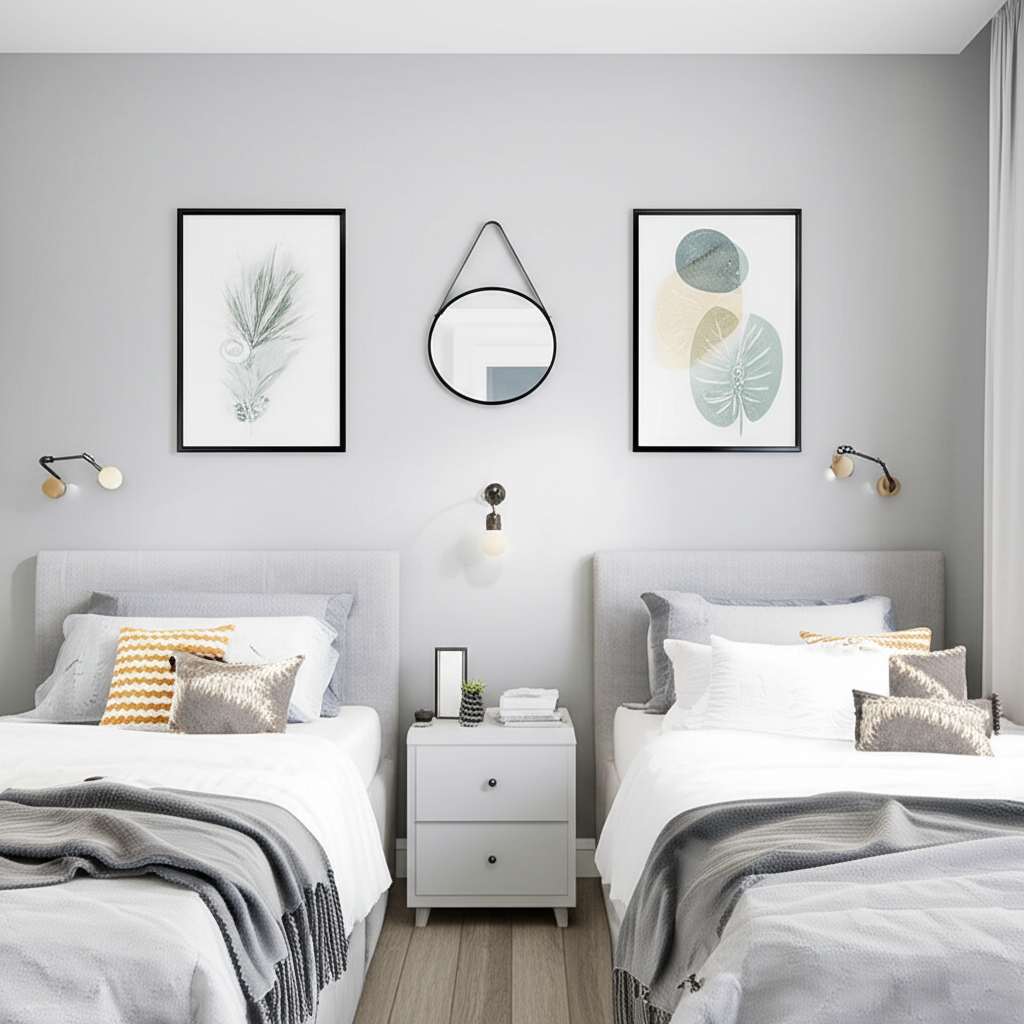
Welcome to your guide to creating a beautiful and functional small bedroom, centered around a twin bed! As Mila, your go-to home decor stylist, I’m here to show you that small spaces can be incredibly charming and efficient. Forget feeling cramped; we’re focusing on smart layouts and stylish touches that make your room feel like a spacious retreat.
Whether you’re a student setting up your dorm, a renter looking to personalize your space, or a homeowner with a compact spare room, these tips are for you. We’ll break down how to arrange your twin bed, choose the right furniture, and use clever tricks to enhance the sense of space. Let’s get started on transforming your room into an effortless sanctuary!
Understanding Your Space: The First Step
Before we move any furniture, let’s get to know your room. Measure everything! Knowing the exact dimensions of your walls, windows, and doors is crucial. This prevents you from buying furniture that won’t fit or blocking essential pathways.
Think about natural light. Where does the sun come in? This will influence where you place your bed and other key pieces. Also, consider where your outlets are for lamps and electronics. These practical details make a big difference in how livable your room will be.
Key Considerations for Small Bedroom Layouts with a Twin Bed
When planning your small bedroom layout, a few core principles will guide you. These aren’t rigid rules, but rather helpful guidelines to achieve that airy, functional feel.
- Flow and Traffic: Ensure there’s a clear path from the door to your bed and any other essential areas like a closet or desk. You don’t want to feel like you’re navigating an obstacle course.
- Functionality: Every item in the room should serve a purpose. Think about what you really need in your bedroom. Is it a place to sleep, study, relax, or all of the above?
- Visual Space: Use color, mirrors, and furniture choices to make the room feel larger than it is. Light colors, strategic lighting, and multi-functional furniture are your best friends here.
- Storage: This is paramount in small spaces. We need to find smart ways to tuck away your belongings without cluttering the room.
Twin Bed Placement Strategies: The Heart of the Layout
The placement of your twin bed is the anchor for your entire room’s layout. Getting this right sets the stage for everything else. Let’s explore the most effective ways to position your twin bed.
1. The Classic Corner Placement
Placing the head of your twin bed against a wall, pushed into a corner, is a tried-and-true method for small rooms. This frees up a side of the bed, making it easier to access and creating a sense of more open floor space.
This layout often works best when the bed is on the longest wall of the room. It can make the room feel more streamlined and less interrupted. If you have a small nightstand, it can slide neatly next to the exposed side of the bed.
2. Against the Longest Wall
If corner placement feels too constricting, pushing the headboard against the longest wall in your room can also work wonders. This can create a more balanced feel and visually extend the room’s length.
This setup allows for a clear pathway on one side of the bed, potentially leading to a closet or dresser. It’s a good option if you have a wider room where a corner placement might feel off-center.
3. Centered on a Wall (If Space Allows)
While often not ideal for very small rooms, if you have a bit more width, centering the twin bed on a wall can create a more traditional and symmetrical look. This often works best in rooms that are more square than rectangular.
Ensure you still have enough space to walk comfortably around at least one side of the bed. This layout can make the room feel more intentional and balanced, but measure carefully to avoid feeling cramped.
4. Floating the Bed
This might sound counterintuitive for a small room, but sometimes pulling the bed slightly away from the wall can create a surprisingly effective layout. It can visually break up the room and make it feel less boxy.
This works best if you have enough space to walk around the bed and use the wall space behind it for something else, like a console table or artwork. It’s a more advanced technique but can yield dramatic results.
Smart Furniture Choices for Small Bedrooms
Beyond the bed, the furniture you choose dramatically impacts your small bedroom’s functionality and feel. Opt for pieces that are proportionate to the room and offer smart storage solutions.
1. The Nightstand Dilemma
A traditional nightstand can sometimes feel bulky. Consider alternatives like floating shelves, a small stool, or a narrow side table. These provide a surface for your essentials without taking up too much floor space.
Look for nightstands with drawers or shelves to maximize storage. A wall-mounted shelf is an excellent space-saver, keeping your floor clear and making cleaning easier.
2. Vertical Storage is Your Best Friend
When floor space is limited, think upwards! Tall, narrow dressers, bookshelves, and wardrobes draw the eye up, making the ceiling appear higher. This vertical approach is a classic small-space strategy.
Consider using the space above your bed or dresser for shelving. This is perfect for books, decorative items, or even storage bins. For more on maximizing vertical space, check out these tips from Better Homes & Gardens.
3. Multi-Functional Furniture
- Storage Beds: While a twin bed might not typically have built-in storage, you can use under-bed storage bins or opt for a bed frame with drawers.
- Ottomans and Benches: A storage ottoman at the foot of the bed can hold blankets or shoes and provide extra seating.
- Desks that Fold Away: If you need a workspace, consider a wall-mounted folding desk that disappears when not in use.
4. Mirrors: The Illusion of Space
Mirrors are magical in small spaces. They reflect light and create the illusion of a larger room. Place a large mirror opposite a window to maximize natural light and the sense of openness.
A floor-length mirror leaning against a wall or a strategically placed wall mirror can make a significant difference. You can even find mirrored closet doors for a double-duty solution.
Layout Examples for Small Bedrooms with a Twin Bed
Let’s visualize how these ideas come together. Here are a few common small bedroom layouts with a twin bed, illustrating how to arrange furniture for maximum impact.
Layout 1: The Student Sanctuary (Desk Included)
This layout is perfect for students or anyone needing a dedicated study or work area within their bedroom. The focus is on separating zones while keeping the space feeling open.
Placement: Twin bed headboard against the longest wall, about a foot from the corner. A narrow nightstand on the exposed side. On the opposite wall, a compact desk with a chair tucked underneath. A tall, narrow bookshelf or dresser on the wall perpendicular to the bed.
Why it works: This creates distinct zones for sleeping and working. The bed placement maximizes floor space in the center of the room. Vertical storage on the bookshelf/dresser keeps clutter at bay.
Visual Representation:
| Furniture Item | Placement | Benefit |
|---|---|---|
| Twin Bed | Headboard on long wall, near corner | Maximizes open floor space |
| Narrow Nightstand | Beside exposed side of bed | Convenient access without bulk |
| Compact Desk & Chair | Opposite the bed | Dedicated workspace, keeps study separate |
| Tall, Narrow Bookshelf/Dresser | Perpendicular wall to bed | Vertical storage, draws eye up |
Layout 2: The Minimalist Retreat (Focus on Serenity)
This layout prioritizes calm and a sense of spaciousness. It’s ideal if your primary goal is a relaxing bedroom environment.
Placement: Twin bed headboard pushed into a corner, allowing access from only one side. A very slim floating shelf or small stool as a nightstand. Keep other furniture to a minimum – perhaps a small dresser or a wall-mounted closet organizer.
Why it works: This maximizes open floor space, making the room feel airy and uncluttered. The corner placement tucks the bed away neatly. Less furniture means less visual noise.
Visual Representation:
| Furniture Item | Placement | Benefit |
|---|---|---|
| Twin Bed | Headboard in corner | Maximizes open floor and visual space |
| Slim Floating Shelf/Stool | Beside exposed side of bed | Minimalist surface, saves space |
| Small Dresser/Wall Organizer | On a clear wall | Essential storage without overwhelming |
| Large Mirror | Opposite window or on a prominent wall | Creates illusion of depth and light |
Layout 3: The Functional Corner Nook
This layout utilizes the space around the bed more creatively, turning a corner into a cozy, functional area.
Placement: Twin bed headboard against one wall, the side of the bed against the adjacent wall (forming an ‘L’ shape with the corner). A small corner shelf or floating desk unit can be placed in the remaining corner of the room. If space allows, a slim dresser can be placed opposite the bed.
Why it works: This layout effectively uses often-awkward corner space. It can make the bed feel more integrated and cozy, while the remaining wall space can be used for other functions.
Color, Light, and Decor: Enhancing Your Small Bedroom
Once the furniture is placed, the finishing touches are what truly transform your small bedroom into an effortless sanctuary. These elements play a huge role in how spacious and inviting your room feels.
1. Light and Bright Color Palette
Light colors are your best friend in small spaces. Whites, creams, light grays, pastels, and soft blues can make walls recede, creating an illusion of more space. Don’t be afraid to use a lighter color on the ceiling to make it feel higher.
You can add pops of color through accessories like throw pillows, artwork, or a rug. This adds personality without overwhelming the space. Consider the psychological impact of color; light, cool tones are known to be calming and can make a room feel larger.
2. The Power of Lighting
- Overhead Light: Ensure your main overhead light is bright and functional. Consider a dimmer switch for adjustable mood lighting.
- Task Lighting: A bedside lamp or a wall-mounted reading light is crucial for reading or working without disturbing others.
- Accent Lighting: Small lamps or string lights can add warmth and a cozy feel.
Natural light is king! Keep window treatments simple and light-colored to allow as much sunlight in as possible. For tips on maximizing natural light, this resource from the U.S. Department of Energy offers insights into efficient lighting choices.
3. Decorating Smartly
- Artwork: One large piece of art can make a bigger impact than a gallery wall of small frames.
- Bedding: Opt for light-colored, simple bedding. It makes the bed, the largest item, feel less imposing.
- Rugs: A well-chosen rug can define a space. A lighter-colored rug can make the floor appear larger.
- Plants: A touch of greenery can bring life to a room without taking up much space. Consider hanging plants or small potted varieties.
DIY and Budget-Friendly Hacks
- Paint: A fresh coat of light paint can completely transform a room for a low cost.
- Floating Shelves: These are inexpensive and provide excellent vertical storage.
- Thrift Store Finds: Look for unique nightstands, lamps, or decorative items at thrift stores or online marketplaces.
- DIY Headboard: Create a custom headboard from plywood, fabric, and batting.
- Rearrange Existing Furniture: Sometimes, simply trying a new layout with what you already have can make a world of difference.
Frequently Asked Questions About Small Bedroom Layouts with Twin Beds
Q1: How do I make a small bedroom with a twin bed feel less cramped?
A1: Use light colors on walls and bedding, maximize natural light, incorporate mirrors to create an illusion of space, and choose furniture that is proportionate to the room size. Prioritize vertical storage to keep floor space clear.
Q2: What is the best place to put a twin bed in a small room?
A2: The most common and effective placements are either against the longest wall or pushed into a corner. This usually maximizes the usable floor space and creates a clearer traffic path.
Q3: Should I use a large or small nightstand with a twin bed in a small room?
A3: Opt for smaller, slimmer nightstands. Even better are floating shelves or small stools that take up less visual and physical space. The goal is to have a surface for essentials without overwhelming the area.
Q4: How much space should I leave around a twin bed in a small bedroom?
A4: Aim for at least 2-3 feet of clear space on the side(s) of the bed where you need to walk. This ensures comfortable movement. If the bed is against a wall or in a corner, you’ll need access from at least one side.
Q5: Can I fit a desk in a small bedroom with a twin bed?
A5: Absolutely! Look for compact or wall-mounted desks. Place it opposite the bed or in a corner. A floating desk can be a great space-saving solution, and a narrow console table can also double as a workspace.
Q6: What kind of storage solutions are best for a small bedroom with a twin bed?
A6: Focus on vertical storage like tall, narrow bookshelves and dressers. Utilize under-bed storage bins or drawers. Wall-mounted shelves and organizers are also excellent for keeping items off the floor and surfaces.
Q7: Is it okay to put a twin bed in the middle of a small room?
A7: Generally, this is not recommended for very small rooms as it can obstruct traffic flow and make the room feel cluttered. However, if your room has a unique shape or you have enough space to create clear pathways around it, it might work as part of a specific design concept.
Conclusion: Your Effortless Sanctuary Awaits
Designing a small bedroom with a twin bed is all about smart choices and creative thinking. By focusing on strategic bed placement, multi-functional furniture, and the power of light and color, you can transform any compact space into a comfortable, stylish, and functional sanctuary.
Remember, it’s your personal space, so let your personality shine through! Don’t be afraid to experiment with these ideas. Measure your room, plan your layout, and have fun with the decorating process. You’ve got this!