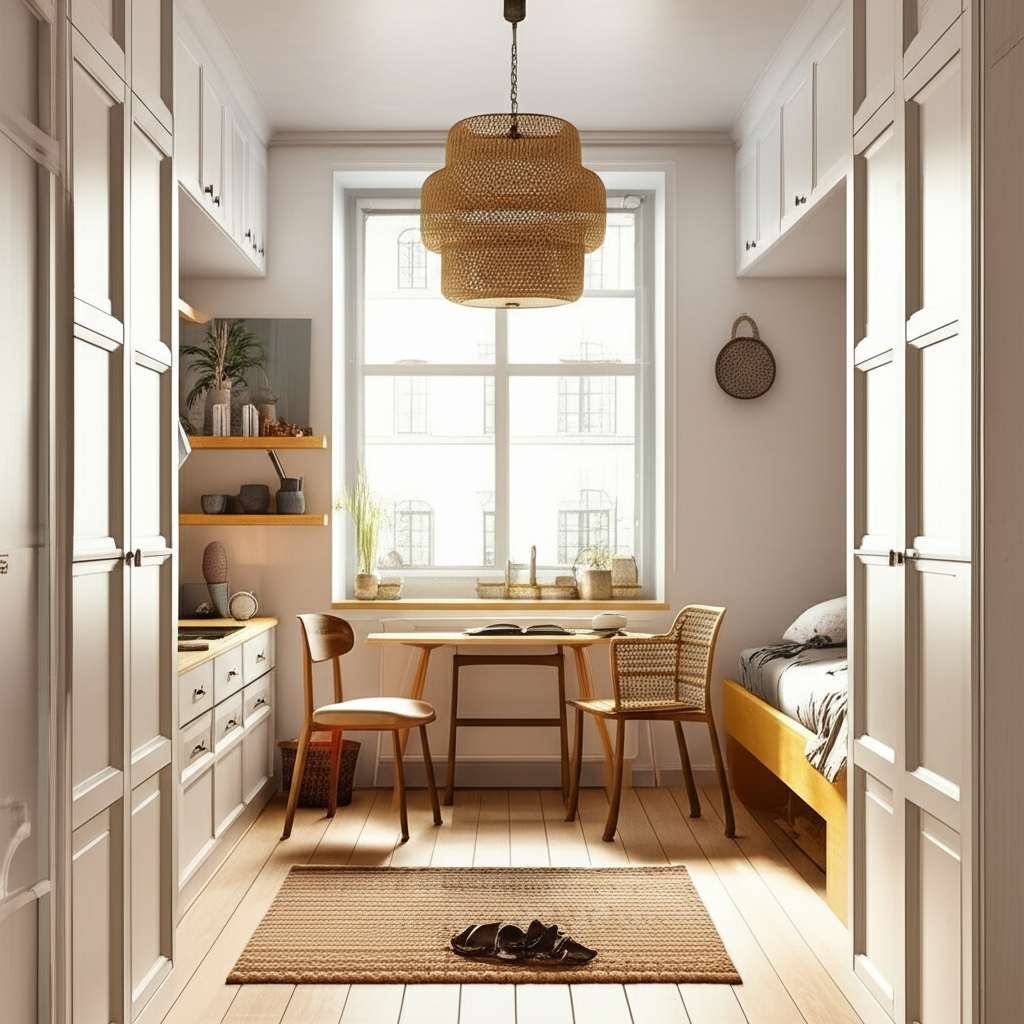
Tiny room design ideas can transform cramped spaces into functional, stylish, and inviting areas. By using smart storage, clever furniture, and visual tricks, even the smallest room can feel spacious and personalized. This guide offers practical, budget-friendly solutions for maximizing every inch of your tiny room.
Feeling overwhelmed by a small living space? You’re not alone! Many of us dream of spacious homes, but the reality is often a cozy, compact room. It can feel like a puzzle trying to fit everything you need while keeping it looking good.
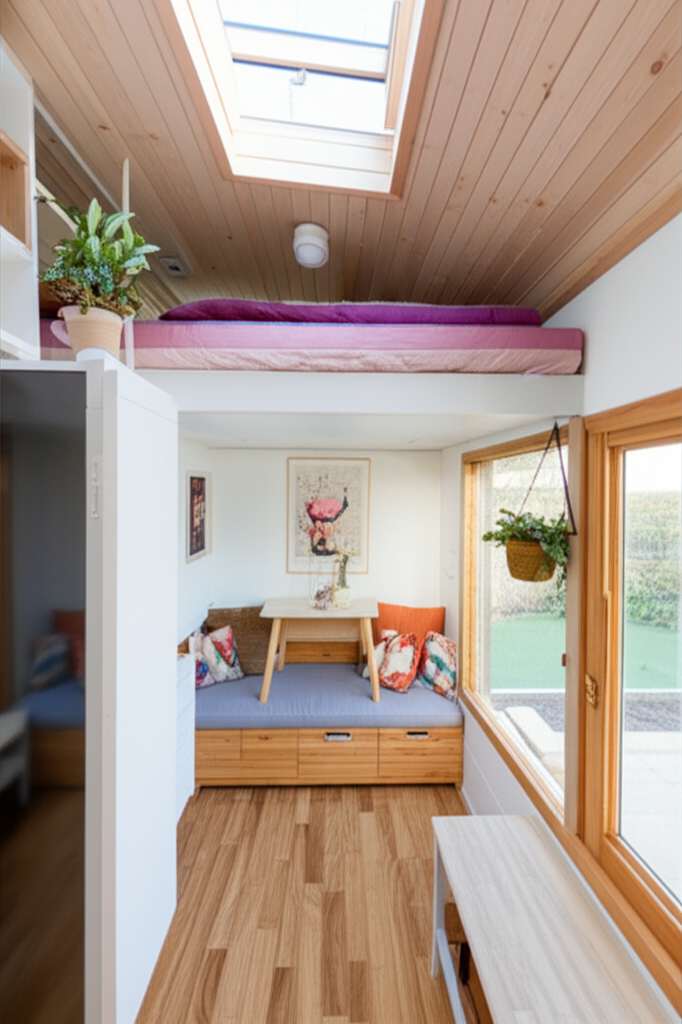
But don’t worry! Designing a tiny room doesn’t have to be stressful. With a few clever tricks and a touch of creativity, you can make even the smallest space feel bigger, brighter, and beautifully yours.
This guide is packed with easy-to-follow tips and inspiring ideas to help you unlock the potential of your tiny room. Let’s dive in and discover how to make your small space shine!
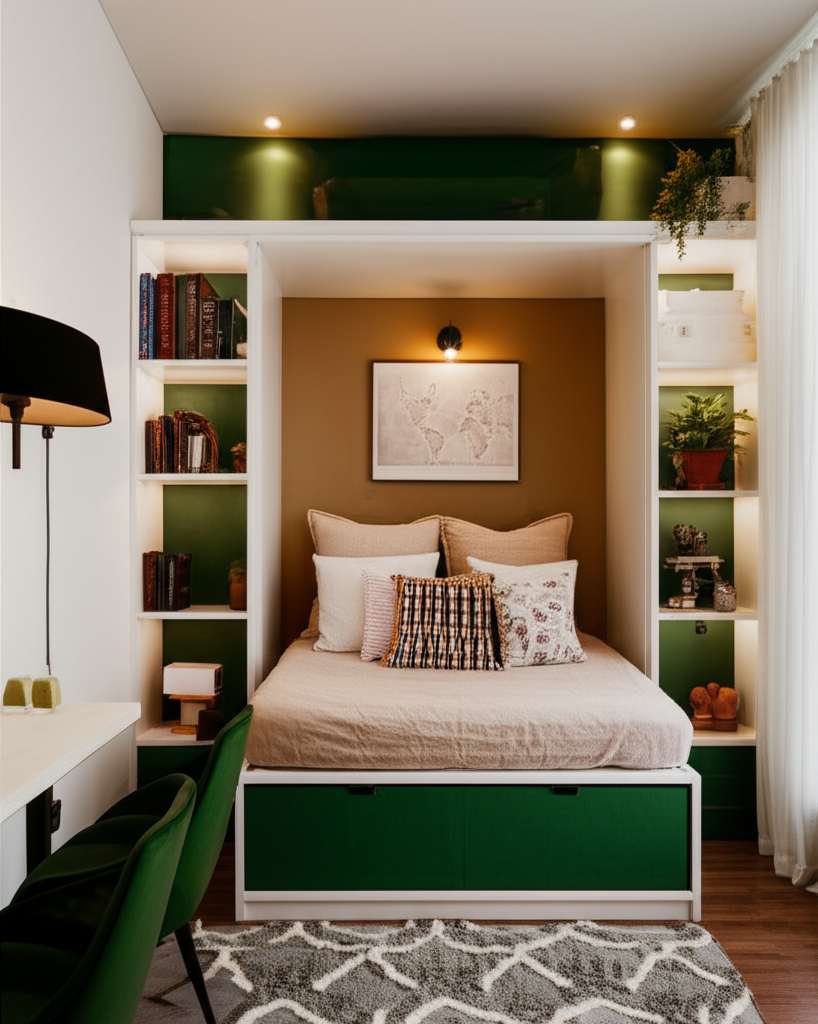
The Magic of Making a Tiny Room Feel Bigger
It’s amazing how a few simple design choices can change the entire feel of a small room. The goal is to create an illusion of space, making it feel open and airy, rather than cramped and cluttered. We’ll explore how to use color, light, and furniture placement to achieve this.
Think of it like a magician’s trick for your home! We’re not actually changing the square footage, but we’re using design principles to make it feel much larger. This is all about smart, practical decorating that anyone can do.
1. Color Your Way to Spaciousness
The colors you choose for your walls, furniture, and decor play a huge role in how big a room feels. Light and neutral colors are your best friends when it comes to making a small space seem larger.
Think soft whites, pale grays, calming blues, and gentle greens. These hues reflect light, making the room feel brighter and more open. Dark, heavy colors can absorb light and make walls feel like they’re closing in.
Tip: Painting your ceiling a shade lighter than your walls can also create an illusion of height, making the room feel taller and more expansive.
2. Let There Be Light!
Natural light is a tiny room’s secret weapon. Maximize it by keeping window treatments simple and light. Avoid heavy, dark curtains that block out precious sunlight.
Sheer fabrics, light-colored blinds, or even no curtains at all can let in the most light. If you need privacy, consider frosted window film or top-down/bottom-up blinds.
Artificial lighting is also key. Layer your lighting with a mix of ambient (general overhead), task (for specific activities like reading), and accent lighting. Well-placed lamps can brighten corners and make the room feel more inviting.
Did you know? According to the U.S. Department of Energy, choosing energy-efficient lighting can also save you money and reduce your environmental impact!
3. Furniture: Less is More, and Multi-Functional is Key
When it comes to furniture in a tiny room, every piece needs to earn its keep. Opt for furniture that is proportionate to the room’s size. Oversized items will make the space feel even smaller.
Consider furniture with a slim profile. Instead of a bulky sofa, think about a sleek loveseat or a comfortable armchair. Legs on furniture can also create a sense of openness by allowing light and air to flow underneath.
The real magic happens with multi-functional furniture. Think about pieces that serve more than one purpose:
- Ottomans with storage: Perfect for stashing blankets, books, or games.
- Sofa beds or futons: Great for guest rooms or studios that double as living spaces.
- Nesting tables: Offer flexible surface space that can be tucked away when not in use.
- Wall-mounted desks or shelves: Free up floor space and provide essential surfaces without bulk.
4. Smart Storage Solutions: Declutter and Organize
Clutter is the enemy of small spaces. A tidy room instantly feels larger and more peaceful. The key is to find smart storage solutions that keep your belongings organized and out of sight.
Vertical space is your best friend! Utilize walls by installing shelves, cabinets, or even wall-mounted organizers. Think about hanging storage for clothes, shoes, and accessories.
Hidden storage is also a lifesaver. Use decorative baskets, storage bins, or furniture with built-in compartments to hide everyday items. This keeps surfaces clear and the room looking tidy.
Tip: Regularly decluttering and donating items you no longer need is a crucial step in maintaining a small, organized space.
5. Mirrors: The Illusion of Depth
Mirrors are a classic design trick for making any room feel larger. They reflect light and create the illusion of more space, making a room feel brighter and more expansive.
Place a large mirror opposite a window to bounce natural light around the room. You can also use a collection of smaller mirrors to create a feature wall. Mirrored furniture or closet doors can also add to this effect.
Consider the placement: A mirror that reflects a beautiful view or a well-decorated part of the room will enhance the effect.
6. Strategic Layouts: Flow and Function
How you arrange your furniture can significantly impact how spacious a room feels. Aim for a layout that allows for easy movement and creates distinct zones for different activities.
Keep pathways clear: Ensure there’s enough space to walk around furniture without bumping into things. This creates a sense of flow and makes the room feel less crowded.
Define zones: Even in a tiny room, you can create separate areas for living, working, or sleeping using furniture placement, rugs, or lighting. For example, a small rug can define a seating area.
Pull furniture away from walls: Sometimes, pulling furniture slightly away from the walls can create an illusion of more space. It makes the room feel less like a box.
Tiny Room Design Ideas for Specific Spaces
Let’s get practical and look at how these principles apply to different types of small rooms. Whether it’s a studio apartment, a small bedroom, or a compact living room, these ideas will help.
Tiny Living Room Design Ideas
Living rooms are often the heart of the home, so making them feel inviting and functional is key, even when space is limited.
- Choose a small-scale sofa: Opt for a loveseat or a sofa with a streamlined design.
- Wall-mounted TV and shelves: This frees up floor space and creates a cleaner look.
- Use accent pieces wisely: A few well-chosen decorative items are better than many small, cluttered ones.
- Consider a round coffee table: These can be easier to navigate around than sharp-cornered rectangular tables.
- Layer rugs: A small rug can define the seating area, and layering a smaller, patterned rug on top can add depth and interest.
Example Layout for a Tiny Living Room:
| Area | Furniture Suggestions | Tips for Small Spaces |
|---|---|---|
| Seating | Sleek loveseat or two armchairs | Choose pieces with exposed legs to create an airy feel. |
| Coffee Table | Round or oval coffee table, or nesting tables | Opt for glass or acrylic to minimize visual weight. |
| Entertainment | Wall-mounted TV stand or floating shelves | Hide wires for a tidy appearance. |
| Lighting | Floor lamp, table lamp | Position lamps to brighten corners and create a cozy ambiance. |
| Storage | Decorative baskets, slim console table | Utilize vertical space with wall shelves above the console. |
Tiny Bedroom Design Ideas
Your bedroom should be a sanctuary, a place for rest and relaxation. Making a small bedroom feel cozy and spacious is achievable.
- Invest in a platform bed: These beds often have a lower profile and can offer built-in storage drawers.
- Use wall-mounted bedside tables: This frees up floor space and gives a minimalist look.
- Maximize closet space: Use organizers, shelves, and hanging solutions to keep everything tidy.
- Opt for light-colored bedding: This will make the bed look less imposing and the room brighter.
- Consider a mirror: A full-length mirror can make the room feel much larger.
Tip: If your bed is taking up too much visual space, consider one with a lighter frame or a headboard that isn’t too bulky.
Tiny Kitchen Design Ideas
Even a small kitchen can be a joy to cook in with the right approach to design and organization. For even more inspiration, check out our guide on cozy small kitchen ideas that maximize every inch with style.
- Embrace open shelving: While it requires neatness, open shelves can make a kitchen feel more open than upper cabinets.
- Use a neutral color palette: Light colors on cabinets and walls will make the space feel bigger.
- Maximize counter space: Keep appliances to a minimum on the counters. Consider wall-mounted options for things like knife blocks or spice racks.
- Add reflective surfaces: A tiled backsplash or stainless steel appliances can bounce light around.
- Smart drawer and cabinet organizers: Use dividers and pull-out shelves to make the most of every inch.
Resource: For more in-depth kitchen design, the HomeTips Kitchen Design Guide offers excellent advice on layouts and functionality.
Tiny Bathroom Design Ideas
Bathrooms can often be the smallest rooms in the house, but they can still be stylish and functional.
- Floating vanity: This creates a sense of space by leaving the floor visible.
- Large format tiles: Fewer grout lines can make a small bathroom feel more cohesive and expansive.
- Wall-mounted toilet: This is a more advanced option but can significantly open up a small bathroom floor.
- Glass shower doors: Opt for clear glass instead of shower curtains to maintain an open feel.
- Plenty of light: Ensure good overhead lighting and consider vanity lights around the mirror.
Tip: Use the space above the toilet for storage with wall-mounted shelves or a medicine cabinet.
Creative Tiny Room Design Hacks
Beyond the basics, there are some creative hacks that can truly elevate your tiny room design. These are the little touches that make a big difference.
1. The Power of Verticality
We’ve touched on this, but it’s worth repeating: use your walls! Think floor-to-ceiling bookshelves, tall, slender cabinets, or wall-mounted artwork. Drawing the eye upward creates an illusion of height and makes the room feel larger.
Consider hanging curtains higher and wider than the window frame. This makes the window appear larger and the ceiling higher. Even plants can be hung to add greenery without taking up floor space.
2. Furniture with Legs
Furniture that is elevated on legs – like sofas, beds, or cabinets – creates a sense of openness. Seeing the floor underneath allows light and air to flow, making the room feel less dense and more spacious.
This simple detail can prevent a room from feeling heavy and cluttered, even with ample furniture.
3. Transparent and Reflective Materials
Using materials like glass, acrylic, and mirrors can make a big impact. A glass coffee table, acrylic chairs, or mirrored cabinet fronts can make furniture seem to disappear, reducing visual clutter.
These materials bounce light and add a modern touch, contributing to an airy and open feel. They are especially effective in small dining areas or living rooms.
4. The “Floating” Effect
Creating a “floating” effect can make a room feel less grounded and more spacious. This can be achieved with:
- Floating shelves: These appear to be attached directly to the wall with no visible brackets.
- Wall-mounted furniture: Like wall-mounted desks or bedside tables.
- Furniture with legs: As mentioned above, this gives the illusion of the furniture “floating.”
This technique minimizes visual clutter on the floor and creates a lighter, more open atmosphere.
5. Strategic Use of Rugs
Rugs can do wonders in a small space. They can define different zones within a room, add warmth and texture, and even make a room feel larger if chosen and placed correctly.
- Choose the right size: For a small room, a rug that is too small can make the space feel choppy. Ideally, a rug should anchor the main furniture pieces. For example, the front legs of your sofa and armchairs should sit on the rug.
- Light colors and simple patterns: These will help maintain the open feel of the room.
- Vertical stripes: Rugs with vertical stripes can visually lengthen a room.
6. Multi-Purpose Decor
Think about decorative items that also serve a purpose. For instance, a beautiful tray can hold remotes and magazines, keeping them organized and looking chic. A decorative vase can also be used to store small items.
Every item in a tiny room should ideally have a function or contribute significantly to the overall aesthetic without adding clutter.
Budget-Friendly Tiny Room Design Tips
You don’t need a big budget to create a beautiful and functional tiny room. Here are some ways to save money while still achieving amazing results.
- DIY Projects: Repaint old furniture, build simple shelves, or create your own wall art. There are tons of tutorials online for beginner-friendly DIY projects.
- Thrift Stores and Flea Markets: You can find unique furniture and decor items at a fraction of the cost of buying new. Look for pieces with good bones that you can update.
- Sales and Clearance: Keep an eye out for sales at home decor stores. End-of-season clearance can offer great deals.
- Repurpose Items: An old ladder can become a bookshelf, a vintage suitcase can be a side table with storage, or mason jars can be used for organizing small items.
- Focus on Paint: A fresh coat of paint is one of the most affordable and impactful ways to transform a room.
Tip: Before you buy anything new, assess what you already own. Can anything be repurposed or given a new lease on life with a little effort? For kitchen-specific savings, explore our list of minimalist kitchen essentials that blend function and affordability.
FAQ: Your Tiny Room Design Questions Answered
Q1: How do I make a tiny room feel less claustrophobic?
A1: Use light colors, maximize natural light, incorporate mirrors, choose furniture with legs, and keep clutter to a minimum. Vertical storage solutions also help draw the eye upwards, making the room feel taller.
Q2: What is the best furniture for a small bedroom?
A2: Opt for a platform bed with storage drawers, wall-mounted bedside tables, and slim-profile wardrobes. Multi-functional furniture like a bed with a built-in headboard that includes shelves is also ideal.
Q3: Should I use dark or light colors in a tiny room?
A3: Light and neutral colors are generally best for small spaces as they reflect light and create an illusion of more space. White, pastels, and light grays are excellent choices. Dark colors can make walls feel like they are closing in.
Q4: How can I create more storage in a tiny apartment?
A4: Utilize vertical space with wall shelves and tall cabinets. Invest in furniture with hidden storage, such as ottomans, beds with drawers, and benches. Decorative baskets and bins are also great for organizing smaller items. For stylish and practical options, see our roundup of stylish kitchen storage accessories that work well in compact spaces.
Q5: Is it okay to have a lot of decor in a small room?
A5: It’s best to be selective with decor in a small room. Choose a few statement pieces rather than many small items, which can lead to clutter. Ensure your decor adds to the aesthetic without overwhelming the space.
Q6: How do I arrange furniture in a tiny living room?
A6: Keep pathways clear to ensure easy movement. Consider pulling furniture slightly away from the walls to create a more intimate seating area. Define zones with rugs, and ensure furniture is scaled appropriately for the room’s size.
Conclusion: Embrace Your Small Space!
Designing a tiny room is a fantastic opportunity to get creative and make your space truly your own. By focusing on light colors, smart furniture choices, effective storage, and clever visual tricks, you can transform even the smallest area into a stylish, functional, and welcoming haven.
Remember, it’s not about having a large footprint, but about how you utilize the space you have. Embrace the challenge, have fun with the process, and enjoy the satisfaction of creating an amazing small space that reflects your personality and style. Your tiny room has so much potential – let’s unlock it!