
Transform your small bedroom with a queen bed using smart layout tricks! Discover brilliant, beginner-friendly solutions to maximize space and style, making even the coziest rooms feel spacious and functional.
Feeling a little cramped in your bedroom? You’re not alone! Many of us dream of a spacious sanctuary, but reality often means working with smaller dimensions. And when you want the comfort of a queen-sized bed, it can feel like a design puzzle.
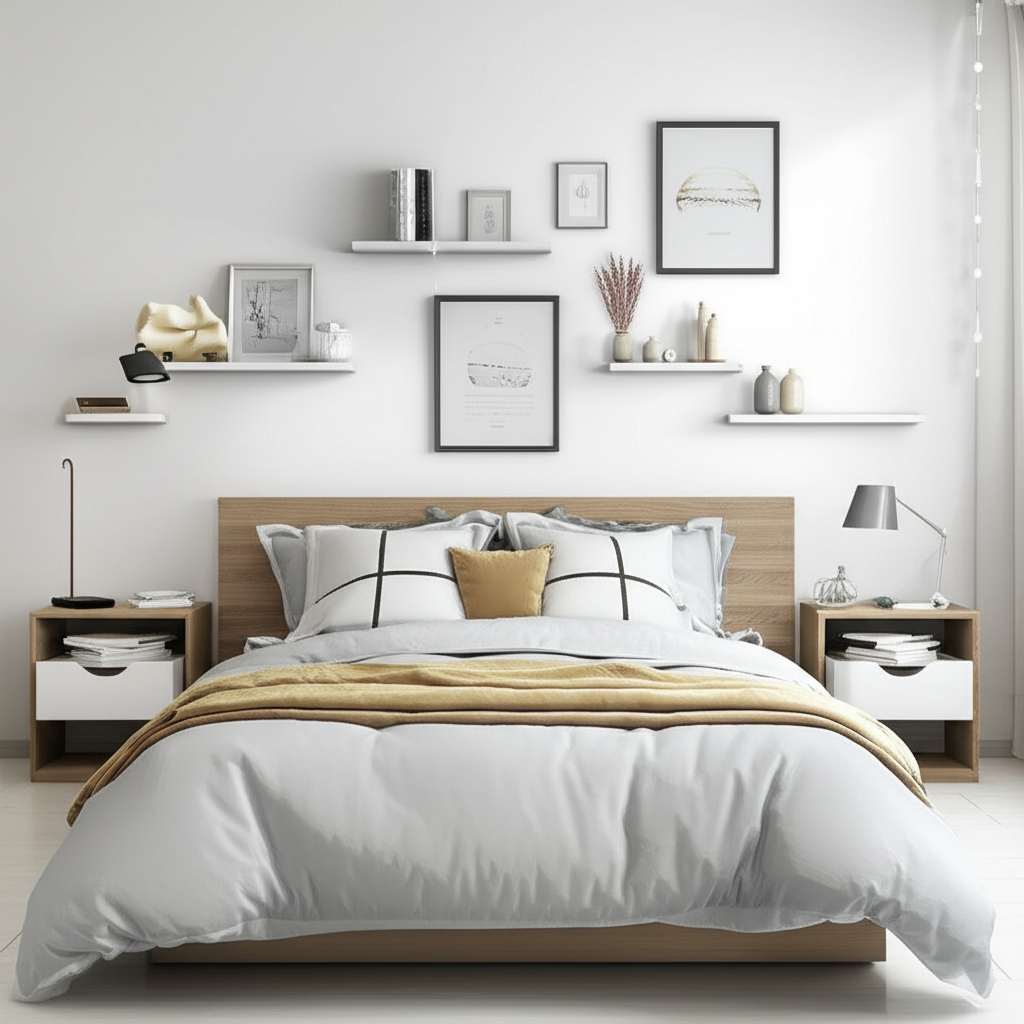
But don’t worry! Fitting a queen bed into a small room doesn’t mean sacrificing style or comfort. With a few clever ideas and a bit of planning, you can create a beautiful and functional space that feels much larger than it is.
This guide is packed with easy-to-implement strategies to help you arrange your queen bed and furniture perfectly. We’ll explore layout options, smart storage solutions, and visual tricks to make your small bedroom a dream come true.

Why Queen Beds in Small Bedrooms Can Be Tricky
A queen bed is a popular choice for its comfort and generous sleeping space. However, its size can pose a challenge in smaller rooms. The main issue is that a queen bed (typically 60 inches wide by 80 inches long) can easily dominate the room, leaving little space for other essential furniture like nightstands, dressers, or even comfortable seating.
This can lead to a cluttered feel, making the room appear smaller and less inviting. Navigating around the bed might become difficult, and storage options can seem limited. It’s a common frustration for many people trying to balance comfort with practicality in their living spaces.
Understanding Your Small Bedroom Space
Before we dive into layout ideas, let’s take a moment to get acquainted with your room. Understanding its unique shape, window placement, door swing, and any architectural quirks is the first step to unlocking its potential.
Measure everything! Knowing the exact dimensions of your room and potential furniture pieces will prevent costly mistakes and help you visualize the best arrangement. Don’t forget to consider the flow of movement within the room.
Measure Twice, Place Once
Grab a tape measure and a notepad. Record the length and width of your room. Note the location and size of windows, doors, and any built-in features like closets or radiators. Also, measure your queen bed frame and mattress.
Knowing these measurements will help you sketch out different layout possibilities. You can use graph paper or even online room planner tools to experiment without moving heavy furniture.
Consider the Flow of Traffic
Think about how you move through the room. You should be able to walk comfortably from the door to the bed, to the closet, and to any other areas without feeling squeezed. Ideally, leave at least 2-3 feet of clearance for main pathways.
This “negative space” is just as important as the furniture itself. It allows the room to breathe and feel more open.
Brilliant Small Bedroom Layout Ideas for a Queen Bed
Now for the fun part! Let’s explore some effective layout strategies that make a queen bed work beautifully in a small bedroom. The key is to be strategic about placement and to choose furniture that serves multiple purposes.
1. The Centered Classic (with a Twist)
This is the most traditional layout, with the headboard against the longest wall, centered in the room. While classic, in a small room, it can sometimes make the bed feel like it’s blocking everything.
The Twist for Small Spaces: If you have enough width, centering the bed is still a great option. The trick is to keep the nightstands streamlined and consider floating shelves above them to save floor space. Ensure there’s enough room to walk on both sides of the bed, ideally at least 2 feet.
Pros:
Symmetrical and visually pleasing.
Easy access to both sides of the bed.
Feels traditional and balanced.
Cons:
Can eat up a lot of floor space in very narrow rooms.
May make it difficult to place a dresser or other large furniture opposite the bed.
2. The Corner Hugger
Pushing the headboard against a corner, or even placing the bed diagonally, can free up significant wall space and create a more open feel. This is especially effective if one side of the bed can be tucked closer to the wall.
How it Works: Place the headboard against one of the walls that meet at a corner. You might only have a nightstand on one side, or use a narrow console table. This layout can dramatically open up the center of the room.
Pros:
Maximizes usable floor space.
Can make the room feel much larger.
Allows for more flexible placement of other furniture.
Cons:
Access to one side of the bed is limited.
May feel less conventional.
3. The Against-the-Wall Wonder
This layout involves placing the headboard against the wall that has the least amount of furniture, often opposite the closet or door. This can be a good compromise if centering isn’t feasible.
Strategic Placement: Position the bed along one of the shorter walls if the room is rectangular and narrow. This can help to visually widen the space. Alternatively, place it against a longer wall but ensure there’s ample walking space on at least one side.
Pros:
Can create a clear pathway through the room.
Opens up one side of the room for a vanity or reading nook.
Cons:
Can sometimes feel a bit unbalanced.
May limit the placement of a second nightstand.
4. The Floating Illusion
This is less about physically floating the bed and more about creating the illusion of space. It involves strategic furniture placement and using visual cues to make the room feel bigger.
Key Elements:
Bed Frame: Opt for a bed frame with a low profile or one that is slightly elevated off the floor. This creates a sense of airiness.
Nightstands: Consider wall-mounted nightstands or small, slender tables that don’t take up much visual or physical space.
Mirrors: Strategically placed mirrors can reflect light and make the room appear larger.
Pros:
Creates a light and airy atmosphere.
Enhances the perception of space.
Cons:
Requires careful selection of furniture.
May not suit very minimalist aesthetics.
Smart Furniture Choices for Small Bedrooms
The type of furniture you choose is just as important as its placement. In a small bedroom, every piece needs to work hard!
1. Multifunctional Furniture is Your Best Friend
Look for pieces that do double duty. A storage ottoman can serve as a footrest, extra seating, and a place to stash blankets or seasonal clothes. A bed with built-in drawers is another fantastic space-saver.
Examples:
Storage Beds: Platform beds with drawers underneath are a game-changer for storing linens, shoes, or clothing.
Ottomans: Use them at the foot of the bed or as a makeshift nightstand.
Wall-Mounted Shelving: Replace bulky bookcases with sleek shelves for books, decor, and essentials.
2. Slim and Streamlined Designs
Avoid oversized, bulky furniture. Opt for pieces with clean lines and a smaller footprint. A narrow dresser, a sleek nightstand, or a chair with a minimal design can make a big difference.
Think About:
Nightstands: Consider floating shelves, small pedestal tables, or even a stool that can be tucked away.
Dressers: Choose a tall, narrow dresser rather than a wide, short one to maximize vertical storage.
Seating: If you want a chair, opt for a slender armchair or a pouf.
3. Vertical Storage Solutions
When floor space is limited, think up! Utilize the vertical space in your bedroom with tall bookshelves, wall-mounted cabinets, or shelving units that reach towards the ceiling.
Ideas:
Tall Bookshelves: Draw the eye upward and provide ample storage.
Floating Shelves: Perfect for displaying decor, holding books, or even serving as a bedside table.
Wall-Mounted Cabinets: Ideal for keeping clutter out of sight.
Visual Tricks to Make Your Small Bedroom Feel Bigger
Beyond furniture and layout, several design tricks can visually expand your small bedroom. These are simple yet effective ways to create an illusion of more space.
1. Color Palette Power
Light and neutral colors are your allies. Whites, creams, pale grays, and soft pastels reflect light, making the room feel brighter and more open. Avoid dark, heavy colors that can make a room feel closed in.
Pro Tip: Use a consistent color scheme throughout the room, including the walls, bedding, and larger furniture pieces. This creates a cohesive and expansive feel.
2. The Magic of Mirrors
Mirrors are a decorator’s secret weapon for small spaces. Placing a large mirror opposite a window will reflect natural light and the view, instantly making the room feel twice as big.
Placement Ideas:
Opposite a Window: Maximizes natural light and the illusion of depth.
Behind the Bed: Can act as a headboard and add visual interest while making the room feel larger.
On Closet Doors: Functional and space-saving.
3. Lighting is Key
Good lighting can transform any room. Ensure your small bedroom is well-lit with a combination of ambient, task, and accent lighting.
Tips:
Natural Light: Keep window treatments light and airy. Avoid heavy drapes that block light.
Layered Lighting: Use a ceiling fixture for general light, bedside lamps for reading, and perhaps a floor lamp in a corner.
Wall Sconces: These save floor and table space, providing excellent bedside illumination.
4. Declutter Ruthlessly
This is perhaps the most impactful trick. A cluttered room, no matter how well-laid out, will always feel small. Regularly declutter your belongings and invest in smart storage solutions to keep things tidy.
Think About:
“A Place for Everything”: Ensure every item has a designated spot.
Regular Purges: Periodically go through your belongings and get rid of what you no longer need or use.
Hidden Storage: Utilize under-bed storage, storage baskets, and decorative boxes.
Layout Examples for Different Small Bedroom Shapes
Let’s look at a few specific scenarios and how to tackle them.
Scenario 1: The Long, Narrow Bedroom
In a long, narrow room, placing the queen bed along one of the long walls can often make the room feel even narrower.
Solution: Try placing the headboard against one of the shorter walls. This can help to visually “widen” the room and create more usable space along the sides for nightstands and pathways. You might be able to fit a narrow dresser or desk along the longer wall.
Scenario 2: The Square Bedroom
Square rooms can sometimes feel a bit boxy. The goal here is to break up the symmetry and create visual interest.
Solution: Centering the bed on one wall is a classic and effective approach. Alternatively, consider placing the bed in a corner, which can open up the center of the room for a small seating area or a statement rug.
Scenario 3: The Bedroom with an Awkward Nook or Alcove
These architectural features can be challenging but also offer unique opportunities.
Solution: An alcove can be the perfect spot to tuck away your queen bed, creating a cozy, built-in feel. This frees up the rest of the room for other furniture. You could also use a nook for a vanity table or a small reading corner.
Arranging Furniture Around Your Queen Bed
Once you’ve chosen your primary layout, it’s time to think about where everything else goes.
Nightstands: More Than Just a Place for a Lamp
Your nightstand(s) should be functional but not overwhelming.
Options:
Traditional: A standard nightstand, but opt for a slimmer model.
Floating Shelves: Great for a minimalist look and saving floor space.
Small Stools or Pedestal Tables: Can offer a surface without a bulky drawer system.
One-Sided Setup: In very tight spaces, having a nightstand on only one side is perfectly acceptable.
Dressers and Wardrobes: Maximize Vertical Space
If you need additional storage, focus on height.
Tips:
Tall and Narrow Dressers: These provide ample drawer space without taking up too much floor area.
Wall-Mounted Storage: Consider shelving units that go up the wall.
Over-the-Bed Shelving: For items you don’t need daily, consider a shelf unit above the headboard.
Adding a Desk or Seating Area
If space allows, even a small desk or a cozy chair can enhance the room’s functionality.
Ideas:
Corner Desk: A compact desk designed for corners can fit neatly.
Floating Desk: A wall-mounted desk creates a workspace without a bulky base.
Small Accent Chair: A slim, armless chair can fit into tighter spaces.
Bench at the Foot of the Bed: Can provide seating and sometimes extra storage.
A Table of Layout Pros and Cons
To help you visualize, here’s a quick comparison of common layouts for a queen bed in a small room:
| Layout Style | Pros | Cons | Best For |
|---|---|---|---|
| Centered Against Long Wall | Symmetrical, easy access to both sides, traditional feel. | Can dominate narrow rooms, limits furniture placement opposite. | Rooms with good width; where symmetry is desired. |
| Corner Placement | Maximizes floor space, opens up the room, good for awkward corners. | Limited access to one side, less conventional. | Narrow rooms, rooms with limited wall space. |
| Against Short Wall | Can visually widen a narrow room, creates clear pathways. | May feel unbalanced, limits second nightstand. | Long, narrow rooms; maximizing walking space. |
| Diagonal Placement | Can create dynamic interest, opens up floor space in unexpected ways. | Can be tricky to execute, may feel less efficient with space. | Rooms with unique shapes; for a modern, bold look. |
FAQ: Your Small Bedroom Layout Questions Answered
Q1: Is it really possible to have a queen bed in a small bedroom without it feeling cramped?
A1: Absolutely! With smart layout choices, multifunctional furniture, and visual tricks like mirrors and light colors, you can make a queen bed work beautifully and comfortably in a small space. It’s all about strategic planning.
Q2: What’s the best way to arrange a queen bed in a very narrow room?
A2: In a narrow room, placing the headboard against one of the shorter walls is often the best solution. This helps to break up the length and makes the room feel wider. Avoid placing the bed along the longest wall, as it can exaggerate the narrowness.
Q3: How much space do I need around a queen bed in a small room?
A3: Aim for at least 2 feet of clearance around the sides and foot of the bed where you need to walk. This ensures comfortable movement and prevents the room from feeling cluttered. In tighter spots, even 18 inches can work, but 2-3 feet is ideal for main pathways.
Q4: What kind of nightstands work best in a small bedroom with a queen bed?
A4: Opt for slim, streamlined nightstands. Floating shelves are excellent for saving floor space. Small pedestal tables, narrow console tables, or even a stylish stool can also work. If space is extremely limited, consider having a nightstand on only one side of the bed.
Q5: Should I use a large, bulky headboard in a small bedroom?
A5: Generally, it’s best to avoid large, bulky headboards in small bedrooms. They can make the bed look even bigger and take up valuable visual space. Consider a simple upholstered headboard, a low-profile platform bed frame, or even just pillows against the wall.
Q6: How can I add storage without making my small bedroom feel cluttered?
A6: Focus on vertical storage solutions like tall bookshelves or wall-mounted cabinets. Utilize under-bed storage drawers or bins. Multifunctional furniture, such as storage ottomans or beds with built-in drawers, is also incredibly effective. Keep surfaces clear and declutter regularly.
Q7: Are there any specific types of bed frames that are better for small bedrooms?**
A7: Yes! Beds with low profiles, minimalist frames, or those with built-in storage (like drawers or lift-up mechanisms) are ideal. Avoid frames with large headboards or footboards, or those that sit very high off the ground, as they can make the room feel smaller. A well-designed bedroom also considers energy efficiency, which can contribute to overall comfort and feel.
Conclusion: Your Dream Small Bedroom Awaits!
Creating a functional and stylish small bedroom with a queen bed is absolutely achievable. By understanding your space, choosing your furniture wisely, and employing smart layout and visual tricks, you can transform even the coziest room into a comfortable retreat.
Remember, the goal is to maximize space, enhance flow, and create a room that feels both personal and inviting. Don’t be afraid to experiment with different arrangements until you find what works best for you. With these brilliant solutions, your small bedroom can become a spacious sanctuary you’ll love spending time in. Happy decorating!