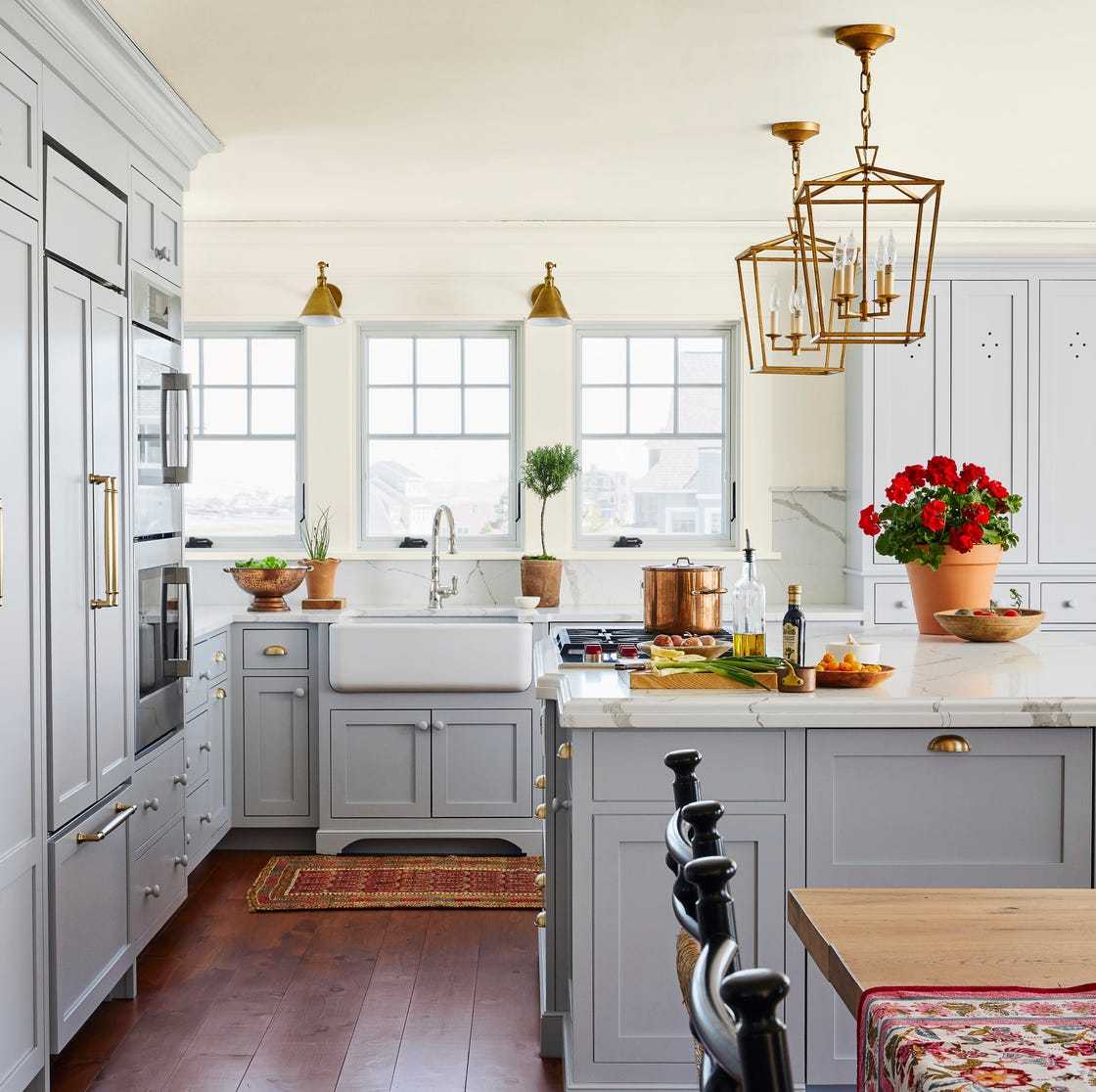
The perfect placement of chandeliers in farmhouse kitchens can instantly elevate the space’s charm and functionality. To get the most out of your chandelier, hang it centered over the kitchen island or dining table for balanced illumination and visual appeal. Additionally, placing the fixture at an optimal height ensures it doesn’t obstruct views or movement, creating a warm, inviting atmosphere.
In brief, the best placement for chandeliers in farmhouse kitchens is directly above the main gathering area, such as the island or dining table, and at a height that complements the ceiling and furniture. Proper positioning enhances both style and practicality, making your kitchen a cozy yet elegant space to cook, dine, and entertain.
A farmhouse kitchen blends rustic charm with modern comfort, making lighting choices crucial to maintaining its inviting feel. Chandeliers are a statement piece that can anchor the entire room’s decor, but their placement requires careful thought. The goal is to highlight the space while providing effective lighting. Typically, hanging the chandelier in the center of the kitchen’s focal area — whether over the island or table — creates a harmonious balance. The height should be around 30 to 36 inches above the surface to avoid overpowering the space or causing obstruction, especially if ceilings are high. Selecting the right placement not only enhances the aesthetic but also ensures a cozy and functional environment for everyday life.

Best placement for chandeliers in farmhouse kitchens
Understanding the importance of proper chandelier placement
Proper placement of a chandelier in a farmhouse kitchen is essential to enhance both the style and functionality of the space. When positioned correctly, it provides ample lighting while adding a charming focal point. An ill-placed chandelier can create shadows or be overshadowed by other elements, diminishing its visual impact. Therefore, careful planning ensures that the chandelier complements the room’s proportions and layout.
Determining the ideal position over the dining table
The dining area often becomes the centerpiece of a farmhouse kitchen, making it the perfect spot for a chandelier. Position the chandelier directly above the center of the table to create a balanced look. Typically, the chandelier should hang about 30 to 36 inches above the table surface to provide adequate illumination without obstructing sightlines. This height allows guests to see each other clearly while enjoying soft, warm light.
Measuring the right height for hanging
Correct height depends on ceiling height and the size of the chandelier itself. For standard 8-foot ceilings, consider hanging the chandelier 30 to 36 inches above the table. If your ceilings are higher, add 3 inches for each additional foot of ceiling height. Use a measuring tape to determine the exact drop, ensuring the fixture does not hang too low or too high.
Placing chandeliers in open-concept farmhouse kitchens
In open-plan layouts, multiple lighting zones are necessary for both aesthetics and functionality. Use chandeliers to define specific areas such as the kitchen island or breakfast nook. Hang a chandelier over the kitchen island to draw attention and anchor the space visually. Ensure the chandelier is centered within the island or seating area for a harmonious look.
Optimal distance from other fixtures
Leave at least 30 inches of space between the chandelier and surrounding cabinets or walls to prevent overcrowding. For larger fixtures, ensure they do not block pathways or window views. Balancing the chandelier with nearby pendant lights or recessed lighting creates a layered, inviting ambiance.
Using chandeliers as focal points in farmhouse kitchens
Chandeliers can serve as eye-catching features that draw the eye toward the center of the room. Position it centrally on the ceiling to maximize visual impact. When designing the layout, consider the chandelier’s style and size relative to the room’s dimensions to avoid overwhelming or underwhelming the space.
Matching chandelier size to room proportions
Calculate the appropriate chandelier size using the room’s square footage. Measure the length and width, then add these measurements and convert to inches to determine the chandelier diameter. For example, a 12-foot by 14-foot room requires a chandelier approximately 24 to 28 inches wide. This ensures it stands out without dominating the space.
Considering the placement over kitchen islands
The kitchen island is often a gathering point, perfect for a statement chandelier. Hang the fixture 30 to 36 inches above the island surface, similar to the dining table rule. Ensure the chandelier does not obstruct movement around the island and allows ample clearance for seating and barstools.
Spacing between multiple fixtures
If installing more than one chandelier over a large island or breakfast bar, space them evenly. A good rule is to leave at least 24 inches between fixtures or about one-third of the island’s width. This spacing maintains balance and provides uniform lighting coverage.
Lighting layers and chandelier placement
Chandeliers should complement layered lighting schemes that include ambient, task, and accent lights. Position the chandelier to serve as the primary ambient light source in the room’s center or over defined areas. Combine with under-cabinet lighting and recessed fixtures to ensure a well-lit, welcoming environment.
Balancing natural light and artificial fixtures
Align the chandelier placement with natural light sources such as windows or skylights. This prevents glare and creates a cozy atmosphere as daylight fades. Adjust the chandelier height or add dimmer switches to control brightness levels according to different times of the day.
Design considerations for farmhouse kitchen chandeliers
Choose a chandelier style that complements farmhouse aesthetics—think rustic wood, wrought iron, or vintage-inspired fixtures. Placement should enhance these design features, becoming a statement piece that complements cabinetry, countertops, and décor.
Matching chandelier style with room décor
Select a chandelier that resonates with the farmhouse style—something with a distressed finish or vintage bulbs. Proper placement ensures it becomes a focal point, harmonizing with other rustic elements. Size and placement should highlight the fixture without overwhelming the space.
Safety and practical considerations in chandelier placement
Ensure the chandelier is securely mounted to ceiling joists or solid supports capable of bearing its weight. Proper electrical wiring and clearance from combustible materials prevent hazards. Check local building codes for specific requirements related to chandelier installation.
Ensuring easy access for maintenance
Place chandeliers in locations where bulbs can be accessed easily for changing and cleaning. Avoid placing fixtures in hard-to-reach corners or behind other furniture. Regular maintenance keeps the chandelier looking beautiful and functioning well.
Maximizing functionality with strategic placement
Strategic positioning of chandeliers provides both ambiance and practicality. Consider task areas and dining zones when placing fixtures to improve visibility and comfort. Layer with other lighting options to achieve a versatile, functional space.
Adjusting placement based on room size and layout
For larger kitchens, consider multiple chandeliers or pendants for even light distribution. Smaller spaces might benefit from a single well-placed fixture. Tailoring chandelier placement to your room’s unique layout enhances visual harmony and lighting effectiveness.
Related topics for a cohesive farmhouse kitchen design
In addition to chandelier placement, consider integrating other rustic lighting fixtures such as pendant lights, wall sconces, and under-cabinet lights. Use similar materials and finishes to tie the room together visually. Good placement of all lighting elements creates a warm, welcoming space that feels cohesive and charming.
Conclusion
Choosing the best placement for chandeliers in farmhouse kitchens involves balancing functionality, safety, and style. Proper positioning over dining tables, kitchen islands, and focal points ensures optimal lighting and visual appeal. Thoughtful placement enhances the cozy, rustic charm that defines farmhouse kitchens while providing practical illumination for everyday activities.
Frequently Asked Questions
Where should the chandelier be positioned to complement the kitchen island in a farmhouse setup?
Place the chandelier directly above the center of the kitchen island to provide balanced illumination and create a focal point. Ensure there is enough space between the fixture and the countertop to prevent obstruction and allow for comfortable movement. This positioning highlights the island while maintaining an inviting ambiance.
How high should a chandelier hang over a farmhouse kitchen table?
Hang the chandelier approximately 30 to 36 inches above the surface of the table. This height offers sufficient light without overwhelming the space. Adjust the height based on ceiling height and the size of the chandelier to ensure it remains proportionate and accessible for everyone sitting at the table.
What considerations should I keep in mind when installing a chandelier in a farmhouse kitchen with a vaulted ceiling?
In a vaulted ceiling, hang the chandelier so that it appears proportionate and provides adequate lighting. Typically, position the fixture so that it hangs around 30 to 36 inches below the highest point of the ceiling. Use adjustable chains or rods to help achieve the desired height, and consider the overall scale of the chandelier relative to the room size for visual balance.
Should chandeliers be centered in the kitchen, or can they be offset for style?
For maximum functionality and visual harmony, center the chandelier over focal points like the island or dining table. However, offset placement works in open-plan designs or when emphasizing specific architectural features. Ensure the fixture maintains proper balance and doesn’t disrupt traffic flow or task areas in the kitchen.
How does ceiling height influence where I should place a chandelier in my farmhouse kitchen?
Ceiling height greatly impacts chandelier placement. In rooms with standard ceilings (8-9 feet), hang the fixture 30 to 36 inches above key surfaces. For higher ceilings, extend the chain or rod to maintain a comfortable visual proportion and ensure the light effectively illuminates the space without overwhelming the room. Consider adding a dimmer switch to adjust brightness as needed.
Final Thoughts
Best placement for chandeliers in farmhouse kitchens depends on the layout and focal points. Position the chandelier above the central island to create a visual anchor. Alternatively, hang it over the dining table to enhance the dining experience. Proper placement ensures the chandelier adds both style and functional lighting to the space.