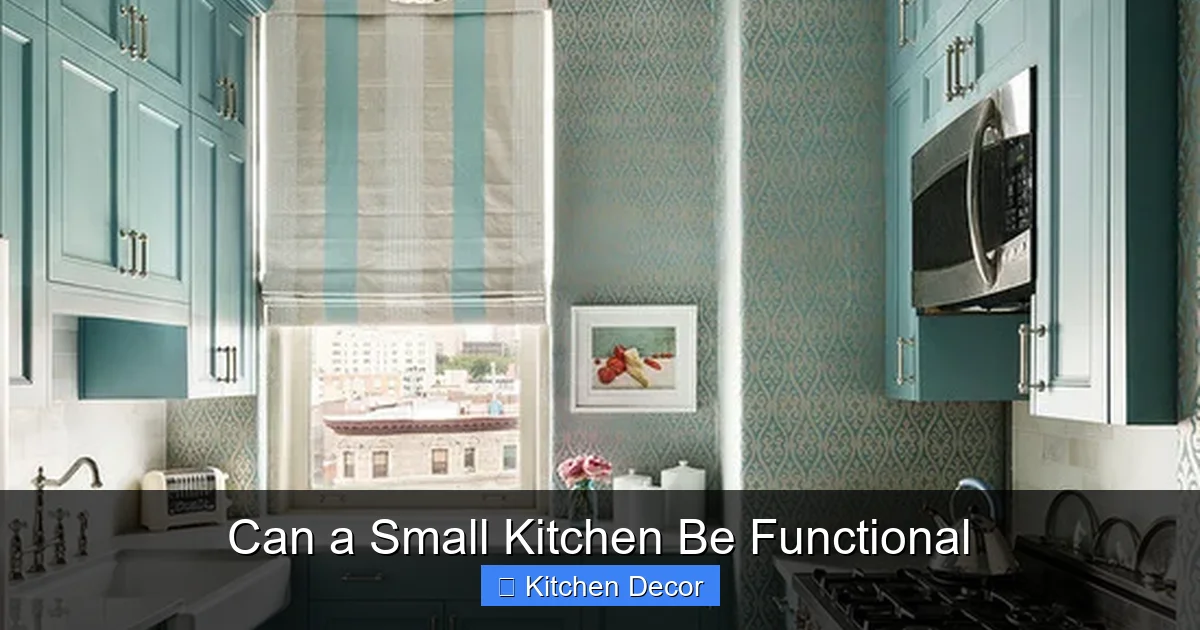
Think your compact culinary space is doomed to disorganization? Think again! This guide proves that a small kitchen can be functional, highly efficient, and even a joy to cook in. By focusing on smart planning, decluttering, vertical storage, and strategic design choices, you can unlock the full potential of your limited square footage, creating a space that works for you.
Can a Small Kitchen Be Functional?
Welcome to the ultimate guide proving that yes, absolutely, a small kitchen can be functional, efficient, and even a delightful space to cook and create! If you’ve ever felt limited by your compact culinary quarters, or thought that only spacious kitchens could truly shine, get ready to change your perspective.
Many people believe that a small kitchen automatically means sacrificing functionality, storage, or style. This couldn’t be further from the truth. With the right strategies, a bit of clever planning, and a focus on smart design, your small kitchen can be transformed into a highly efficient powerhouse that supports all your cooking needs and more. You’ll learn how to maximize every inch, streamline your routines, and create a kitchen that feels much larger than it is. We’re here to help you turn perceived limitations into exciting design opportunities, proving that a small kitchen *can* be functional and fabulous.
Let’s dive into the practical steps to achieve this transformation!
Key Takeaways
- Embrace a Strategic Mindset: The first step to making a small kitchen functional is believing it’s possible and approaching it with a clear plan, understanding your cooking habits and needs.
- Prioritize Ruthless Decluttering: Less is truly more in a compact kitchen. Regularly purge unnecessary items and keep only what you frequently use to free up valuable space.
- Maximize Vertical Space: Look up! Walls are prime real estate. Utilize shelves, pot racks, magnetic knife strips, and tall cabinets to store items without occupying precious counter or floor space.
- Invest in Multipurpose & Compact Solutions: Choose appliances, furniture, and tools that serve multiple functions or are specifically designed for small spaces, like an island with storage or stackable cookware.
- Optimize Countertops with Smart Storage: Keep frequently used items organized but easily accessible. Use sink covers, cutting board drawers, and appliance garages to reclaim and protect your primary prep areas.
- Strategic Lighting & Color Choices: Bright, layered lighting and light color palettes can make a small kitchen feel more open, airy, and inviting, enhancing both functionality and aesthetics.
- Cultivate Good Habits: Regular organization, a “place for everything,” and daily tidying are crucial for maintaining an efficient and enjoyable small kitchen environment.
Step 1: Embrace a Strategic Mindset and Plan Meticulously
The journey to a functional small kitchen begins before you move a single pot. It starts with a shift in mindset and meticulous planning.
Define Your Kitchen’s Purpose
First, think about how you genuinely use your kitchen. Are you a gourmet chef who needs dedicated prep space? Do you mostly use it for quick meals and coffee? Or is it more of a social hub? Understanding your primary activities will help you prioritize what’s essential and what can be minimized. For instance, if baking is your passion, you’ll need specific storage for ingredients and tools, even in a small space. This helps ensure your small kitchen *can* be functional for *your* needs.
Measure Everything Accurately
Before buying anything, grab a tape measure. Measure your countertops, cabinet interiors, wall spaces, and even the height of your appliances. Knowing these dimensions precisely will prevent costly mistakes and ensure every new addition fits perfectly. This is crucial for maximizing every inch so your small kitchen can be functional.
Create a Zone Map
Even in a small kitchen, you can establish “zones.” Think about the classic kitchen triangle (fridge, sink, stove), but also consider zones for prep, cooking, cleaning, and storage.
- Prep Zone: Usually around the sink or a clear counter area.
- Cooking Zone: Around the stove/oven.
- Storage Zone: Pantry, cabinets, drawers.
- Cleaning Zone: Sink and dishwasher area.
Mapping these out helps organize your workflow and decide where items should be stored for maximum efficiency. This ensures your small kitchen *can* be functional without feeling chaotic.
Step 2: Declutter Ruthlessly and Optimize Storage
This is perhaps the most impactful step for making a small kitchen functional. Less clutter means more usable space and a clearer mind.
The One-In, One-Out Rule
As you acquire new items, challenge yourself to remove an old one. This prevents accumulation and keeps your inventory in check. If you buy a new set of mixing bowls, donate or discard the old ones.
Vertical Storage is Your Best Friend
When floor and counter space are limited, look up! Vertical storage is key to maximizing a small kitchen’s functionality.
- Tall Cabinets: Utilize the full height of your walls with cabinets that reach the ceiling. Store less frequently used items on the top shelves.
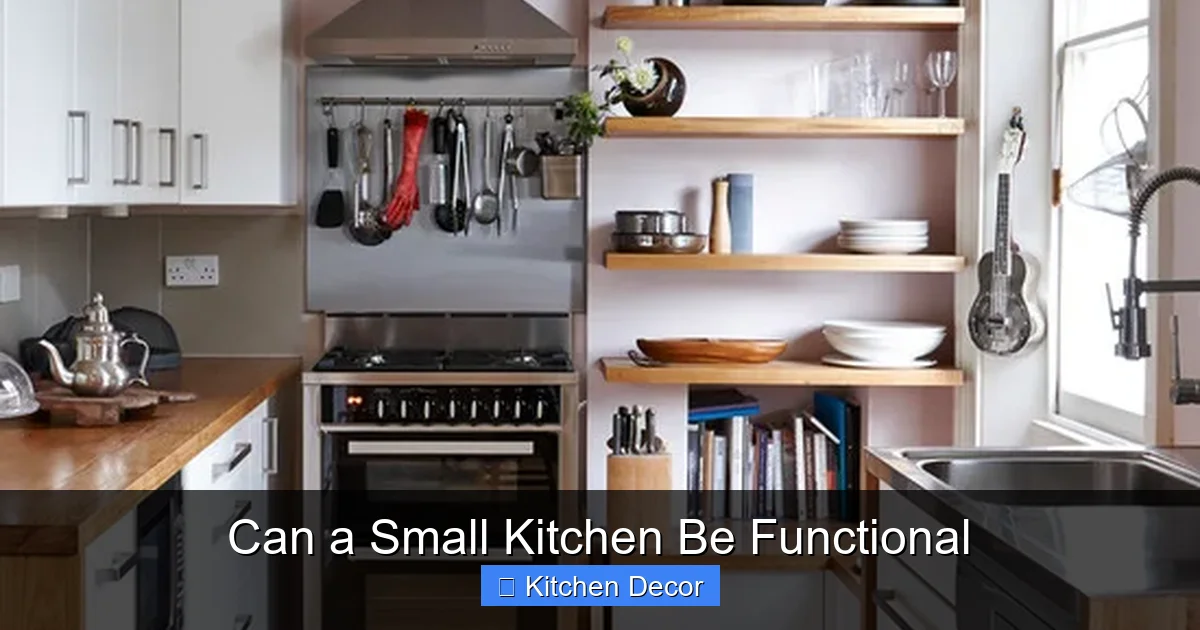
- Open Shelving: Strategically placed open shelves can provide easy access to frequently used items and make the kitchen feel less enclosed than solid upper cabinets. Just be mindful of keeping them tidy.
- Pot Racks: Hanging pots and pans from a ceiling-mounted or wall-mounted rack frees up cabinet space and looks stylish.
- Magnetic Knife Strips: These keep knives safely stored off the counter and out of drawers.
- Pegboards: A versatile solution for hanging utensils, small pans, and cutting boards on an unused wall.
Smart Cabinet & Drawer Organizers
Don’t let the inside of your cabinets become a black hole.
- Drawer Dividers: Keep cutlery, spatulas, and other tools neatly separated.
- Pull-out Organizers: For deep cabinets, pull-out shelves or bins make it easy to access items at the back.
- Tiered Shelves: Maximize vertical space within a cabinet for spices, cans, or plates.
- Under-sink Organizers: Use these to manage cleaning supplies and small essentials.
- Pot and Pan Organizers: Keep lids and pans stacked neatly.
Utilize Wall Space (Shelves, Hooks, Rails)
Every available wall segment, no matter how small, offers potential. Even tiny strips of wall space can hold hooks for oven mitts, dishtowels, or small baskets. Install a rail system with S-hooks above your stove for cooking utensils. This makes a small kitchen functional by keeping essentials within reach.
Step 3: Maximize Countertop Real Estate
Counter space is often the most precious commodity in a small kitchen. Protect and optimize it!
Multipurpose Appliances
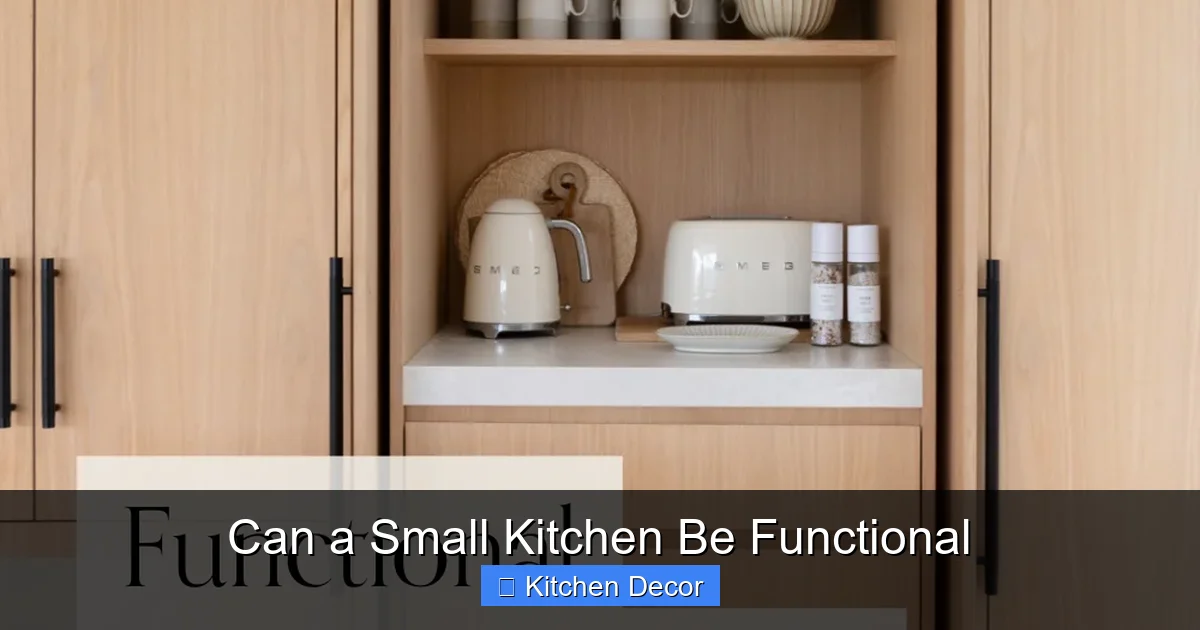
Choose appliances that do double or triple duty. A stand mixer with various attachments, an air fryer that also toasts, or an Instant Pot that pressure cooks, slow cooks, and sautés are excellent examples. Store them in a cabinet when not in use if possible. This helps your small kitchen *can* be functional without being cluttered.
Rolling Carts & Islands
A slim rolling cart can serve as extra prep space, a mobile serving station, or even a mini pantry. Look for carts with shelves or drawers for added storage. If your kitchen allows, a small, narrow island with built-in storage can dramatically increase your functional space.
Sink Covers & Cutting Boards
Invest in a cutting board that fits over your sink. This instantly expands your usable prep area. Some designs even come with colanders or bowls, adding to their functionality. Similarly, a custom-fitted counter extension or a cutting board designed to sit over unused hob space can make a small kitchen functional.
Step 4: Smart Appliance Selection
Appliances are essential, but in a small kitchen, their size and placement are critical.
Compact & Integrated Appliances
Consider apartment-sized refrigerators, 18-inch dishwashers, or combo washer/dryers if your kitchen also houses laundry. Integrated appliances that blend seamlessly with cabinetry can make a space feel more cohesive and less cluttered.
Think Vertically with Appliances
If renovating, consider a wall oven/microwave combo to free up counter space. Stackable laundry units are another example of vertical appliance solutions.
Cord Management
Cluttered cords create visual noise and can be a safety hazard. Use cord organizers, ties, or discreet cable channels to keep cords tidy and out of sight.
Step 5: Lighting for Functionality and Feel
Good lighting isn’t just about aesthetics; it’s vital for safety and functionality, especially in a small kitchen.
Task Lighting is Key
Install under-cabinet lighting to illuminate your countertops effectively. This prevents shadows while you’re prepping food and makes the space feel brighter and more inviting. Over-sink lighting is also crucial.
Ambient and Accent Lighting
Overhead ambient lighting provides general illumination. Add accent lighting, like a small pendant over a compact island or a strip light along open shelving, to create depth and visual interest without taking up physical space.
Natural Light Maximization
If you have windows, keep them clear of heavy drapes. Use light, sheer blinds or curtains that can be easily pulled back to let in as much natural light as possible. Natural light makes a small kitchen feel functional and open.
Step 6: Choose Colors & Materials Wisely
Design choices play a huge role in how a small kitchen feels.
Light Colors for Openness
Light colors on walls, cabinets, and countertops reflect light, making the space feel larger and airier. Whites, light greys, and pastels are excellent choices. They create a clean, expansive backdrop that makes a small kitchen functional and visually appealing.
Reflective Surfaces
Consider materials like polished chrome, stainless steel, or glossy tiles for backsplashes. These reflective surfaces bounce light around, further enhancing the sense of space.
Consistent Color Palettes
A monochromatic or limited color palette creates a seamless look, making the eye flow easily around the room without interruption, which can make a small kitchen feel larger and more cohesive.
Step 7: Organization & Maintenance Habits
Even the most perfectly designed small kitchen will fall apart without consistent habits.
Daily Tidy-Up
Wipe down counters, load the dishwasher, and put away stray items every day. This prevents clutter from building up and ensures your small kitchen is always ready for use.
Regular Purges
Set a schedule (e.g., quarterly) to go through your pantry, fridge, and cabinets. Discard expired items, donate unused gadgets, and re-evaluate what you truly need.
Everything Has a Home
Once you’ve organized, commit to putting items back in their designated spots immediately after use. This simple habit keeps your small kitchen functional and prevents disarray.
Troubleshooting Common Small Kitchen Challenges
Even with the best intentions, small kitchens present unique hurdles. Here’s how to tackle some common ones.
Lack of Counter Space
If you’ve implemented all the tips above and still crave more prep area, consider a drop-leaf counter extension that folds down when not in use. Another trick is to use an over-the-sink cutting board or a portable kitchen island with wheels that can be tucked away when not needed. Making your sink a temporary workspace is key to how a small kitchen can be functional.
Visual guide about Can a Small Kitchen Be Functional
Image source: stylemotivation.com
Visual guide about Can a Small Kitchen Be Functional
Image source: onekindesign.com
Visual guide about Can a Small Kitchen Be Functional
Image source: images.squarespace-cdn.com
Cramped Feeling
To combat a claustrophobic vibe, focus on vertical lines (like tall, narrow shelving or vertical shiplap), bright lighting, and reflective surfaces. Keep floors clear and avoid over-stuffing open shelves. Introduce a mirror if appropriate to bounce light and create an illusion of depth, making your small kitchen feel functional and open.
Poor Flow
If you find yourself constantly bumping into things or struggling to move around, revisit your zone map. Ensure your most frequently used items are within easy reach of their respective zones. Perhaps a freestanding piece of furniture is hindering movement; could it be replaced with a wall-mounted alternative or a more compact version? A clear pathway is essential for a small kitchen to be functional.
Conclusion
Hopefully, by now, your perspective has shifted. The question “Can a small kitchen be functional?” has a resounding answer: Yes! With a thoughtful approach, strategic planning, smart storage solutions, and disciplined habits, your compact kitchen can not only be functional but also a beautiful, efficient, and enjoyable space to cook, entertain, and live.
Remember, the goal isn’t to cram more things into a small space, but to make the most of what you have. Embrace the challenge, get creative, and you’ll soon discover the true potential of your small but mighty kitchen. Happy cooking!