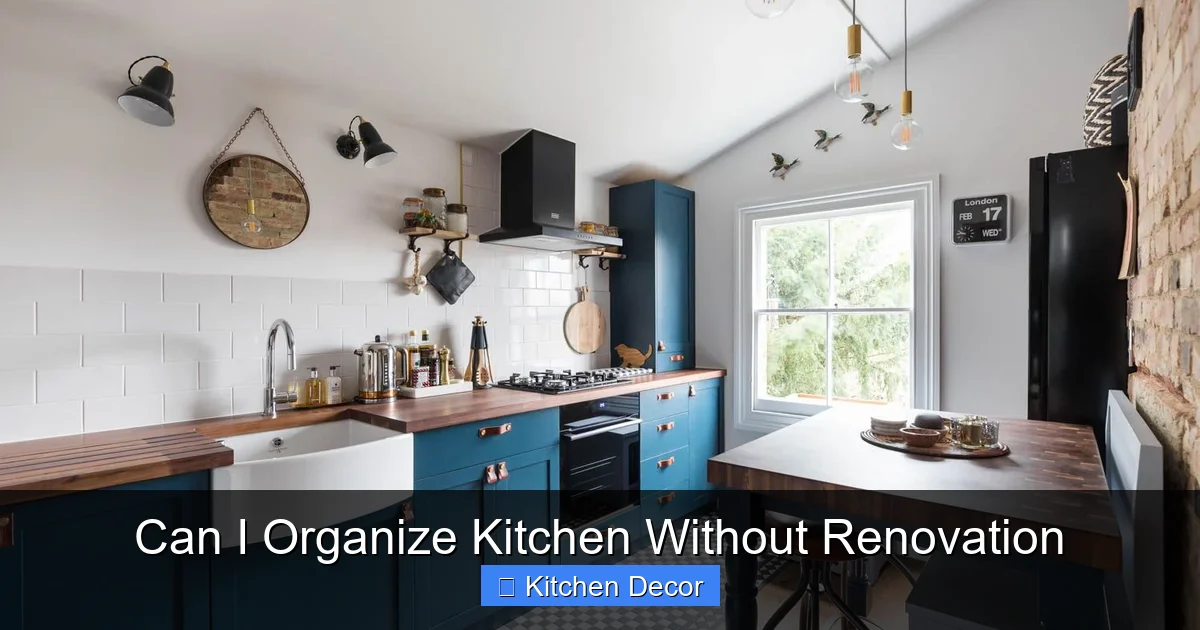
Discover how to organize your kitchen without renovation, transforming it into a functional and beautiful space without breaking the bank. This comprehensive guide provides step-by-step advice on ruthless decluttering, maximizing every inch of storage, and optimizing your layout. You’ll learn how to use budget-friendly solutions like drawer organizers, vertical storage, and smart zoning to achieve a tidy, efficient kitchen you’ll love, all without the cost and hassle of a major overhaul.
Can I Organize Kitchen Without Renovation
Do you dream of a beautiful, functional kitchen where everything has its place? Perhaps you envision neatly organized drawers, a clutter-free countertop, and a pantry that makes finding ingredients a breeze. But then reality sets in: a full kitchen renovation sounds expensive, time-consuming, and frankly, like a huge headache. What if we told you that you absolutely *can* achieve a wonderfully organized kitchen without knocking down walls, replacing cabinets, or spending a fortune?
It’s true! You can transform your kitchen into an efficient and aesthetically pleasing space using smart strategies, clever storage solutions, and a good dose of elbow grease. This comprehensive guide will walk you through every step of how to organize your kitchen without renovation, turning your vision into reality. We’ll cover everything from decluttering to maximizing every inch of space, ensuring you create a kitchen that works perfectly for you and your family. Let’s dive in!
Key Takeaways
- Start with a Deep Declutter: Before buying any organizers, empty cabinets, sort everything, and ruthlessly eliminate items you don’t use, need, or love. This foundation is crucial for effective organization.
- Maximize Vertical & Hidden Spaces: Look beyond standard shelves. Utilize wall space with hooks and racks, install shelf risers, use the back of cabinet doors, and optimize under-sink areas to gain significant storage without expanding.
- Zone Your Kitchen for Efficiency: Group similar items together and store them where they’re most often used. Create dedicated zones for prep, cooking, baking, coffee, or cleaning supplies to streamline your workflow and make items easy to find.
- Invest in Smart, Affordable Organizers: You don’t need expensive custom solutions. Budget-friendly drawer dividers, clear bins, airtight containers, and stackable shelves can dramatically improve storage and visibility within existing cabinets.
- Utilize Countertops Wisely: Keep countertops as clear as possible, only displaying essential, frequently used items. Use trays or small caddies to contain these items, maintaining a neat appearance and maximizing workspace.
- Maintain with Regular Tidying: Organization is an ongoing process. Implement daily habits like the “one-minute rule” and commit to a seasonal mini-declutter to prevent clutter from accumulating again, ensuring your efforts last.
Step 1: Declutter Ruthlessly – The Foundation of Organization
Before you buy a single organizer or label, the most important step is to declutter. Think of it as hitting the reset button. An organized kitchen isn’t about having more storage; it’s about having *less stuff* that you don’t need or use. This phase might feel overwhelming, but it’s essential for long-term success.
Empty Everything Out
Start by choosing one area, like a single cabinet, a drawer, or your pantry. Eventually, you’ll need to empty out your entire kitchen. Yes, every single item. Take everything out of your cabinets, drawers, and off your countertops. Place items on a dining table, a portable island, or even the floor. Seeing everything laid out helps you realize just how much you have.
Practical Tip: Work in sections if emptying the whole kitchen feels too big. For instance, tackle all dishes one day, then pantry items the next. This prevents total kitchen chaos and burnout.
Sort into Keep, Donate/Sell, Trash
As you empty items, create three distinct piles (or use boxes/bags for convenience):
- Keep: Items you use regularly, love, or truly need.
- Donate/Sell: Items that are still in good condition but you no longer use (e.g., duplicate utensils, rarely used appliances, extra serving dishes). Consider local charities, thrift stores, or online marketplaces.
- Trash: Broken items, expired food, empty containers, or anything unusable.
Be honest with yourself during this process. That bread maker you used once? The chipped mug? The pasta maker you inherited but never touched? It’s okay to let them go. The goal is to keep only what serves you well.
Be Honest About Usage
When deciding what to keep, ask yourself these critical questions for each item:
- When did I last use this? (If it’s been over a year, seriously consider letting it go).
- Do I truly need this?
- Does this item bring me joy or make my life easier?
- Do I have duplicates? (You likely don’t need three spatulas or five pizza cutters).
- Is it broken or expired?
For seasonal items (like holiday platters) or very rarely used items (a special punch bowl), consider if your kitchen is the best place for them or if another storage area (basement, garage, attic) makes more sense.
Step 2: Optimize Your Layout & Zones
Once you’ve decluttered, it’s time to think about how your kitchen functions. Organizing your kitchen without renovation means making the most of your current footprint. This involves creating logical zones that make cooking and cleaning more efficient.
The Work Triangle (Prep, Cook, Store)
Even in a small kitchen, thinking about the “work triangle” can be helpful. This classic kitchen design concept links your refrigerator (storage), sink (prep/clean), and stove (cook) in a triangular path. The idea is to minimize steps between these key areas. When you organize your kitchen without renovation, you can’t move these major appliances, but you can arrange items around them strategically:
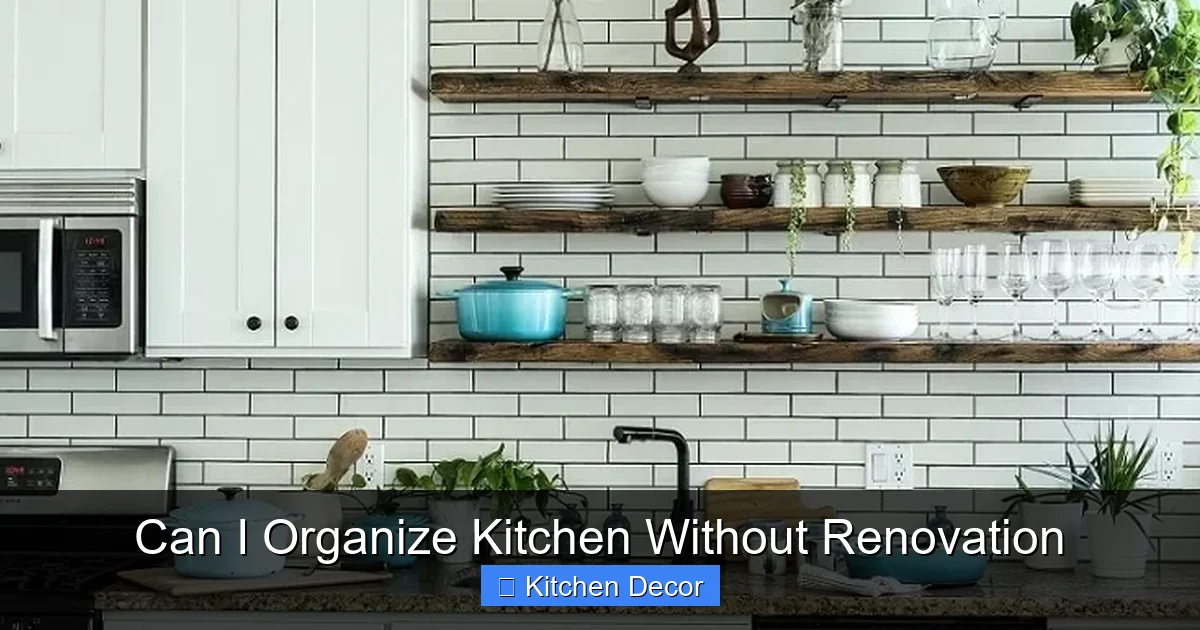
Visual guide about Can I Organize Kitchen Without Renovation
Image source: i0.wp.com
- Near the Fridge: Store breakfast items, lunchbox supplies, or grab-and-go snacks.
- Near the Sink: Keep dish soap, sponges, drying racks, and cutting boards.
- Near the Stove: Store pots, pans, cooking utensils, spices, and oils.
Create Functional Zones
Beyond the work triangle, create specific zones for different activities. This makes it easier to find what you need and put things away. Examples include:
- Baking Zone: Group flour, sugar, baking powder, measuring cups, mixing bowls, and cookie sheets together in a pantry or designated cabinet.
- Coffee/Tea Station: Dedicate a corner of your counter or a small shelf to your coffee maker, mugs, coffee, tea, and sugar.
- Prep Station: Keep knives, cutting boards, and frequently used prep bowls near your main chopping area.
- Cleaning Zone: Consolidate all cleaning supplies, rags, and scrubbers under the sink or in a utility cabinet.
- Kids’ Zone: If applicable, a low drawer or cabinet for kids’ plates, cups, and snacks can empower them to help themselves.
When you organize kitchen without renovation, mapping out these zones mentally (or even on paper) helps you decide where each “keep” item should go.
Store Items Where They’re Used
This is a golden rule of kitchen organization. Don’t store your cooking oils across the kitchen from the stove. Don’t keep your coffee mugs next to the oven. Place items closest to where you’ll actually use them. This saves time and reduces frustration during daily tasks.
- Pots and pans: Near the stove.
- Plates and bowls: Near the dining area or dishwasher for easy unloading.
- Food storage containers: Near the fridge or food prep area.
- Spices: Within arm’s reach of your cooking surface.
Step 3: Maximize Vertical & Hidden Space
One of the best ways to organize your kitchen without renovation is to think vertically and explore unused spaces. You have more storage potential than you realize!
Shelf Risers & Dividers
Many cabinets have wasted vertical space between shelves. Shelf risers (or “expandable shelves”) allow you to create a second layer of storage, perfect for plates, bowls, cups, or small pantry items. Similarly, shelf dividers can help you stack items like cutting boards, baking sheets, or platters vertically, preventing messy piles and making retrieval easy.
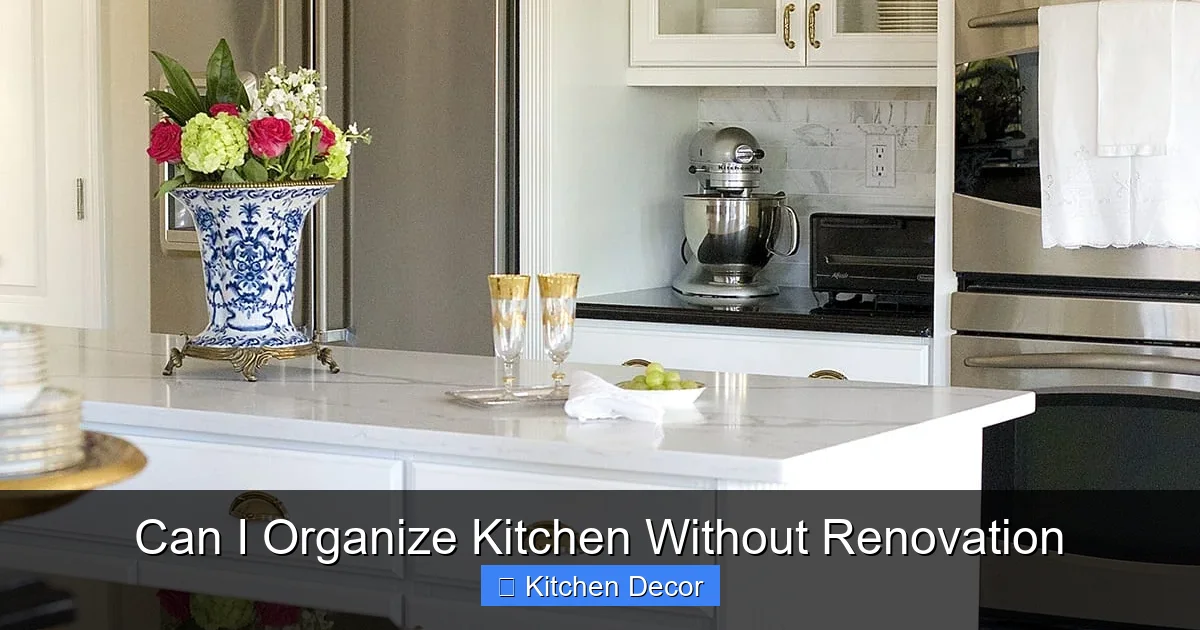
Visual guide about Can I Organize Kitchen Without Renovation
Image source: designthusiasm.com
- Use for: Plates, bowls, mugs, spices, small pantry items, cutting boards, baking sheets.
- Benefit: Doubles vertical space and keeps stacks tidy.
Wall-Mounted Solutions (Racks, Hooks, Pegboards)
Don’t forget your walls! They are prime real estate for extra storage. There are many renter-friendly options that don’t require drilling, like adhesive hooks or over-the-door solutions.
- Magnetic Knife Strips: Frees up drawer space and keeps knives safely accessible.
- Pot Racks: Ceiling-mounted or wall-mounted racks can hold pots and pans, a great solution for small kitchens. If you can’t drill, consider a freestanding baker’s rack.
- Hooks: Install hooks on the backsplash for frequently used utensils, oven mitts, or even small pots.
- Pegboards: A versatile option that can be customized with hooks, shelves, and containers to store anything from utensils to spices.
These solutions help organize kitchen without renovation by utilizing untapped vertical space.
Back-of-Door Storage
The back of cabinet doors is often overlooked. They’re perfect for shallow items:
- Spice Racks: Mount slim spice racks to the inside of your pantry or cabinet doors.
- Wrap Organizers: Holders for aluminum foil, plastic wrap, and parchment paper can be screwed onto the inside of a pantry door.
- Measuring Spoon/Cup Hooks: Attach small hooks for quick access to measuring tools.
- Trash Bag Rolls: A small bar or hook can hold a roll of trash bags.
Under-Sink Solutions
The space under the sink often becomes a jumbled mess. To organize kitchen without renovation, tackle this spot with specific solutions:
- Pull-Out Organizers: C-shaped pull-out shelves are designed to fit around pipes.
- Stackable Bins/Drawers: Plastic bins can help categorize cleaning supplies, sponges, and dish soap.
- Tension Rod: A small tension rod can be used to hang spray bottles, freeing up the bottom of the cabinet.
Step 4: Smart Storage Solutions – Containers & Organizers
Once you’ve decluttered and planned your zones, it’s time to bring in some affordable organization tools. These items aren’t just for aesthetics; they make your kitchen more functional and easier to maintain.
Drawer Organizers
Messy drawers are a common kitchen woe. Drawer organizers, whether bamboo, plastic, or adjustable, are game-changers. They keep utensils, gadgets, and odds and ends neatly separated. This makes finding what you need instant and prevents items from rolling around.
Visual guide about Can I Organize Kitchen Without Renovation
Image source: i.pinimg.com
- Utensil Trays: Essential for forks, spoons, and knives.
- Adjustable Dividers: Great for larger gadgets or specialized tools.
- Small Bins: Perfect for containing small items like twist ties, rubber bands, or corn on the cob holders.
Pantry Organization (Airtight Containers, Bins)
A well-organized pantry saves money (by preventing food waste) and time. To organize kitchen without renovation, focus on visibility and accessibility.
- Airtight Containers: Transfer staples like pasta, rice, flour, sugar, and cereals into clear, airtight containers. They keep food fresh, look uniform, and allow you to see exactly how much you have.
- Clear Bins/Baskets: Use these to group similar items: “snacks,” “baking ingredients,” “canned goods,” “breakfast.” This prevents small items from getting lost on shelves.
- Tiered Risers: Ideal for canned goods or spices, allowing you to see items at the back.
- Lazy Susans (Turntables): Perfect for oils, vinegars, sauces, or spices, especially in corner cabinets, making items easily accessible.
Pot & Pan Organizers
Pots and pans can be bulky and awkward to store. Instead of nesting them precariously, try these solutions:
- Pot and Pan Racks: These can be adjustable wire racks that sit inside your cabinet, allowing you to store pans vertically.
- Vertical Dividers: Similar to shelf dividers, these are great for baking sheets, cutting boards, and shallow pans.
- Drawer Organizers: If you have deep drawers, custom dividers can keep pots and lids separated.
- Lid Racks: Wire racks can hold lids vertically in a cabinet or deep drawer.
- Command Hooks: Attach hooks to the inside of a cabinet door to hang pot lids by their handles.
- Coffee maker/tea kettle
- Toaster
- Knife block (if no magnetic strip)
- A small fruit bowl
- Often-used oil/salt and pepper shakers
- Utensil Crocks: Keep cooking utensils in a decorative crock instead of sprawling them out.
- Two-Tier Fruit Baskets: Store more fruit in less footprint.
- Small Shelves: A small, open shelf can add a touch of decor while holding spices or small jars.
Lid Organizers
Lids are notorious for creating clutter. Dedicated lid organizers are a simple solution:
Roll-Outs (DIY or Simple Add-ons)
While full custom roll-out shelves are part of a renovation, you can add simple, freestanding roll-out drawers or baskets to existing cabinets. These are fantastic for deep lower cabinets, bringing items at the back within easy reach. Many companies offer universal roll-out shelves that simply slide into your cabinet and attach to the base.
Step 5: Utilize Countertop Space Wisely
Countertops are often the first place clutter accumulates. An organized kitchen without renovation means having clear, functional countertops that facilitate cooking, not hinder it.
Only Essentials on Counters
Resist the urge to store everything on your counters. Keep only the items you use daily or almost daily, such as:
Everything else should be put away. A clear countertop instantly makes your kitchen feel larger and more organized.
Trays & Baskets for Containment
Even for essential items, use trays or small decorative baskets to group them. A small tray under your coffee maker and mugs, or a basket holding your salt, pepper, and olive oil, keeps items contained and makes cleaning easier. It also creates a cohesive, intentional look.
Vertical Storage on Counters
For items that must live on the counter, think vertically. For example:
Step 6: Aesthetic Touches & Maintenance
Organizing your kitchen without renovation isn’t just about functionality; it’s also about creating a space you enjoy being in. And once it’s organized, you’ll want to keep it that way!
Labels & Uniformity
Labels aren’t just for type-A personalities; they are incredibly useful for maintaining organization, especially in the pantry. You can easily see what’s what, and family members know where to put things back. Using uniform containers (like matching airtight jars) also creates a visually appealing and cohesive look that screams “organized!”
Add Greenery or Decor
Once your kitchen is decluttered and organized, add a few personal touches. A small plant, a framed piece of art, or a decorative bowl can elevate the space and make it feel more welcoming. Just remember the “less is more” rule to avoid reintroducing clutter.
The One-Minute Rule & Regular Tidying
The secret to keeping your organized kitchen pristine is consistent maintenance. Implement the “one-minute rule”: if a task takes less than a minute, do it immediately. Wipe down the counter after cooking, put dishes directly into the dishwasher, or put away groceries as soon as you bring them in.
Make tidying up a daily ritual. Before bed, do a quick sweep of the kitchen, putting stray items away and wiping down surfaces. This prevents small messes from turning into big ones.
Seasonal Decluttering
Even with daily maintenance, items can slowly creep back in. Schedule a mini-decluttering session every few months or seasonally. Go through one drawer or cabinet at a time, checking for expired items, duplicates, or things you no longer use. This prevents your hard work from unraveling.
Troubleshooting Common Kitchen Organization Challenges
Even with the best intentions, you might hit a few snags. Here are some common problems when you try to organize kitchen without renovation, and how to address them:
“I still feel like I have too much stuff.”
Solution: Go back to Step 1. You likely haven’t decluttered enough. Consider the “one in, one out” rule for new purchases. For every new item you buy (like a new mug), let go of an old one. If space is truly at a premium, ask yourself if an item *must* live in the kitchen or if it can be stored elsewhere in the house (e.g., formal serving dishes in a dining room cabinet, bulk paper towels in a garage).
“My cabinets are deep, and I can’t reach the back.”
Solution: This is where pull-out solutions shine! As mentioned, you can add simple, freestanding roll-out shelves or baskets. Lazy Susans are also excellent for corners or deep shelves, bringing items to the front with a spin. Store less frequently used items at the very back, or invest in shelf bins with handles that allow you to pull out the whole bin to access contents.
“I have very limited countertop space.”
Solution: Embrace verticality even more! Use wall-mounted solutions for things like knife blocks or spice racks. A slim over-the-sink drying rack can save counter space. Consider a small, portable kitchen cart or island with storage if you have floor space. Only keep items on the counter that are used multiple times *daily*, and group them on a small tray to create visual order.
“My kitchen has awkward spaces or no pantry.”
Solution: Get creative! An awkward corner might be perfect for a narrow rolling cart. If you don’t have a pantry, create one. This could be a tall, narrow bookshelf against an empty wall, a dedicated cabinet, or even a freestanding hutch. Use clear containers and labels to make this “make-shift” pantry highly functional. Under-stair closets or unused nooks can also be repurposed.
Conclusion
You absolutely can organize your kitchen without renovation! It might take some time and effort, but the payoff is immense. By systematically decluttering, creating functional zones, maximizing every inch of your existing space, and investing in smart, affordable storage solutions, you can transform your kitchen into a highly efficient, beautiful, and enjoyable space.
Remember, the goal isn’t perfection; it’s progress and creating a system that works for *you*. Start small, be patient, and celebrate each step. Your journey to an organized kitchen without renovation is entirely achievable, leading to a calmer, more productive home life. Happy organizing!