Bolded Quick Summary:
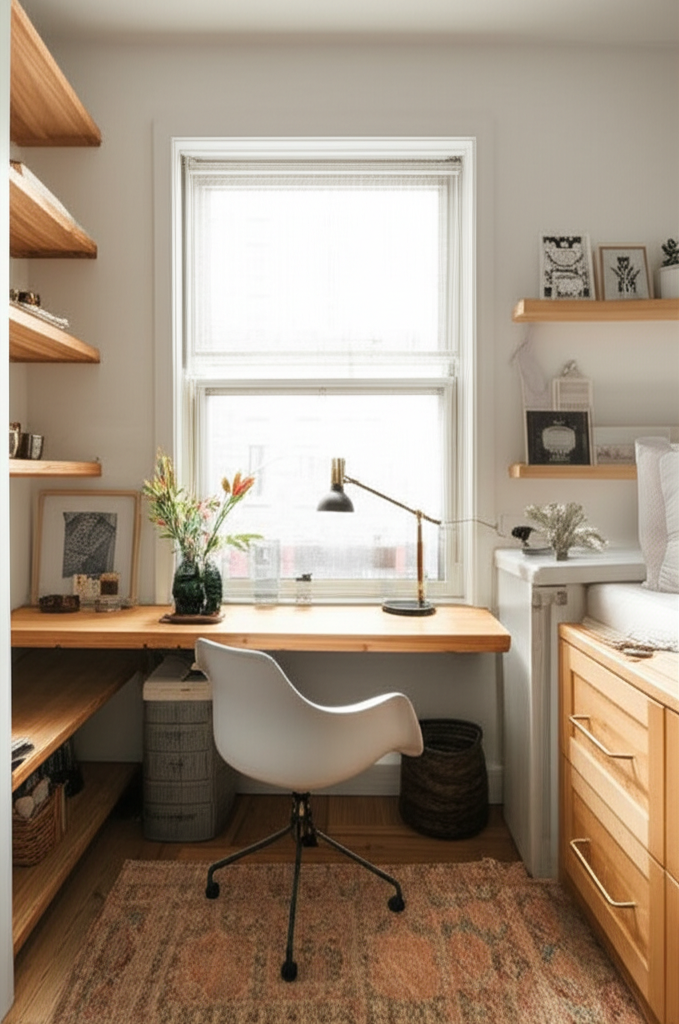
Decorating a tiny room is achievable with smart strategies. Focus on multi-functional furniture, light colors, strategic lighting, vertical space utilization, and decluttering. These clever solutions maximize perceived space, making your small room feel bigger, brighter, and more stylish.
How To Decorate A Tiny Room: Clever Solutions
Feeling a bit squeezed in your living space? You’re not alone! Many of us dream of spacious rooms, but reality often means working with cozy quarters. Don’t let a small footprint cramp your style. Decorating a tiny room can be a fun challenge, and with the right tricks, you can transform it into a comfortable, chic, and functional haven.
It’s easy to feel overwhelmed when you have limited square footage. But the good news is, you don’t need a huge budget or a professional designer to make your small space feel amazing. We’ll walk through simple, effective methods that anyone can use.
Get ready to discover how to make your tiny room feel expansive and welcoming. Let’s dive into some clever decorating solutions!
1. Embrace Light Colors and Mirrors for an Airy Feel
One of the oldest and most effective tricks in the book for making a small room feel larger is using light colors. Think whites, creams, pale grays, and soft pastels. These hues reflect light, making walls seem to recede and the room feel more open and airy.
Don’t be afraid to paint your ceiling a lighter shade than your walls, or even a crisp white. This draws the eye upward, creating an illusion of height. Consider a satin or eggshell finish, which bounces light around the room more effectively than a matte finish.
Mirrors are your best friend in a tiny room. They bounce light, create depth, and can even reflect a beautiful view, making the room feel significantly larger. Strategically place a large mirror opposite a window to maximize natural light and the illusion of space.
Mirror Placement Tips:
- Opposite a Window: This is the golden rule. It reflects the natural light and the view outside, doubling the perceived space and brightness.
- Behind Furniture: A large mirror placed behind a sofa or console table can add depth without feeling cluttered.
- As Wall Art: A collection of smaller decorative mirrors can add sparkle and dimension to a plain wall.
- Full-Length Mirror: Essential for checking your outfit, a full-length mirror leaning against a wall can also make the room feel taller.
2. Maximize Vertical Space: Think Upwards!
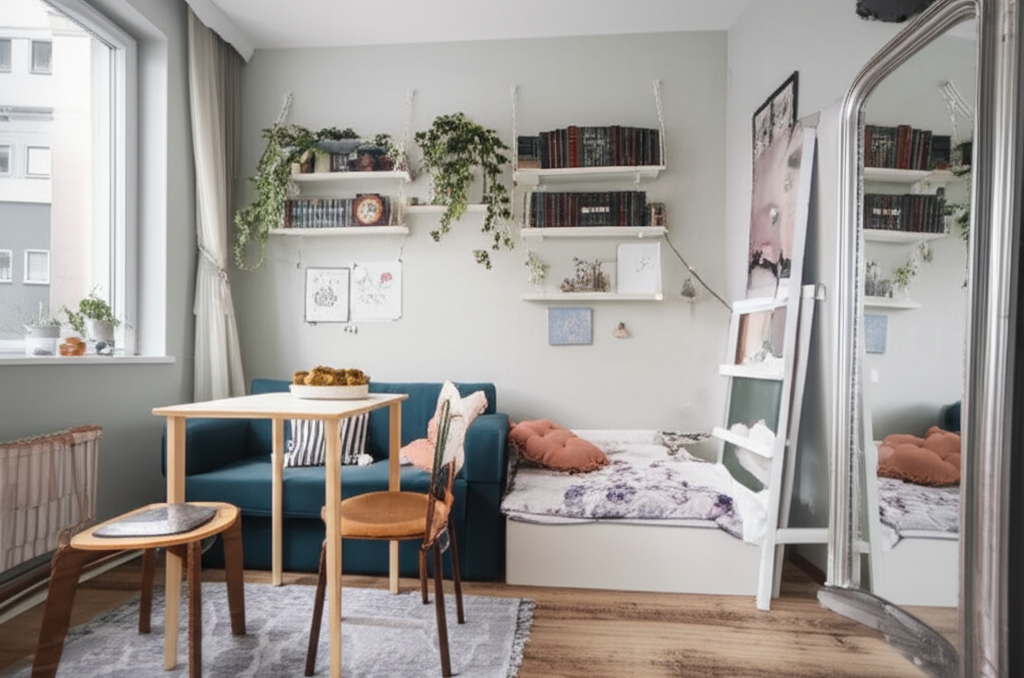
When you can’t spread out horizontally, you have to go vertical! Utilizing the height of your room is crucial in a small space. This means drawing the eye upwards and using wall space efficiently for storage and decor.
Tall, slender bookshelves or wall-mounted shelving units are fantastic for this. They provide ample storage for books, decorative items, or even everyday essentials without taking up much floor space. The vertical lines also help to make the ceiling appear higher.
Consider wall-mounted desks or fold-down tables. When not in use, they disappear, freeing up valuable floor space. Wall-mounted lighting, like sconces or track lighting, also keeps surfaces clear and adds to the upward visual flow.
Vertical Storage Ideas:
- Floating Shelves: Simple, elegant, and versatile. Install them above beds, sofas, or even in corners.
- Tall Bookcases: Choose slim profiles to avoid overwhelming the room. Anchor them securely to the wall for safety.
- Wall-Mounted Cabinets: Ideal for kitchens or bathrooms where you need enclosed storage.
- Hanging Organizers: Over-the-door or closet organizers can hold shoes, accessories, or cleaning supplies.
- Pegboards: Great for craft rooms or kitchens, allowing you to hang tools, utensils, or supplies.
3. Choose Furniture Wisely: Multi-Functional is Key
In a tiny room, every piece of furniture needs to work hard. Opt for pieces that serve more than one purpose. This is where smart design meets practicality.
A sofa bed is a classic for a reason, instantly turning your living room into a guest room. Storage ottomans can hide blankets, magazines, or toys while also providing extra seating or a footrest. A coffee table with built-in drawers or shelves offers valuable storage without adding another bulky item.
Look for furniture with a smaller scale and clean lines. Avoid bulky, overstuffed pieces that can visually shrink the room. Furniture with exposed legs can also make a space feel more open, as you can see the floor underneath, creating an illusion of more space.
Multi-Functional Furniture Examples:
| Furniture Type | Tiny Room Solution | Benefits |
|---|---|---|
| Sofa/Seating | Sofa bed, futon, ottoman with storage, benches with storage | Dual purpose (sleeping/storage/seating), saves space |
| Table | Nesting tables, drop-leaf table, coffee table with storage, console table that extends | Adaptable to needs, hidden storage, space-saving |
| Bed | Storage bed (drawers or lift-up mechanism), daybed with storage drawers | td>Maximizes under-bed space for clothing, linens, or other items|
| Desk | Wall-mounted fold-down desk, narrow console desk | Saves floor space, can be hidden when not in use |
4. Strategic Lighting: Brighten Up Your Space
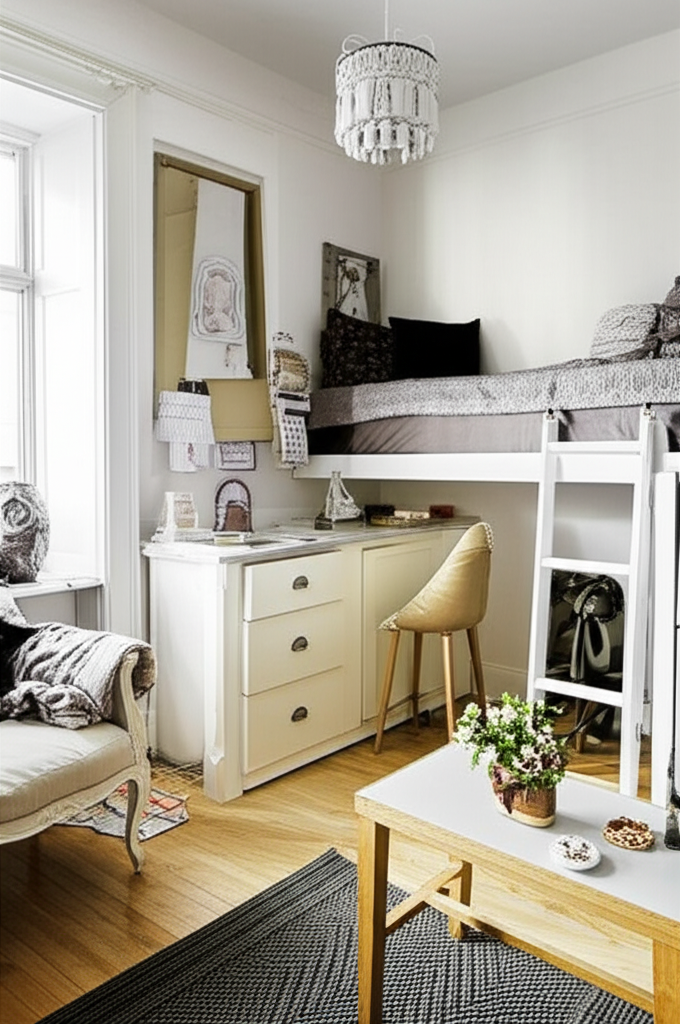
Good lighting can completely transform a small room, making it feel larger and more inviting. Relying solely on one overhead light can leave corners dark and the room feeling dim and cramped.
Layer your lighting by incorporating multiple light sources. This includes ambient lighting (general illumination), task lighting (for specific activities like reading or working), and accent lighting (to highlight features or create mood).
Wall sconces, floor lamps, and table lamps can all add brightness without taking up valuable surface or floor space. Consider dimmer switches so you can adjust the mood and brightness as needed. Natural light is also your best friend; keep window treatments light and airy.
Lighting Layering Breakdown:
- Ambient Lighting: A ceiling fixture (consider a flush-mount or semi-flush mount for lower ceilings) or strategically placed floor lamps.
- Task Lighting: Desk lamps, under-cabinet lighting in kitchens or workspaces, or reading lamps next to a sofa or bed.
- Accent Lighting: Picture lights, small spotlights to highlight artwork or plants, or strip lighting behind furniture for a soft glow.
For more on lighting principles, check out the U.S. Department of Energy’s guide on lighting choices, which offers tips on energy efficiency and types of lighting.
5. Declutter Ruthlessly: Less is More
This is perhaps the most critical step for any small space. Clutter is the enemy of small rooms; it makes them feel even smaller, more chaotic, and less functional. Be honest with yourself about what you truly need and use.
Implement a regular decluttering routine. A good rule of thumb is the “one in, one out” policy: for every new item you bring into your home, get rid of something similar.
Invest in smart storage solutions that keep things organized and out of sight. Baskets, bins, drawer organizers, and cabinets can help maintain a tidy appearance. Everything should have a designated place.
Decluttering Strategy: The KonMari Method (Simplified)
- Gather by Category: Collect all items of the same type (e.g., all clothes, all books) in one place.
- Hold and Thank: Pick up each item and ask yourself if it “sparks joy.” If not, thank it for its service and prepare to let it go.
- Discard Properly: Donate usable items, recycle what you can, and dispose of the rest responsibly.
- Organize What Remains: Find a home for everything you decide to keep, prioritizing vertical storage and multi-functional furniture.
According to the U.S. Environmental Protection Agency (EPA), reducing waste at home is a key step towards sustainability and can directly impact your living space by reducing clutter.
6. Smart Layout and Furniture Arrangement
How you arrange your furniture can dramatically impact how large a room feels. Avoid pushing all your furniture against the walls. Sometimes, pulling a sofa or chair slightly away from the wall can create a sense of breathing room.
Create zones within your small room. Even in a studio apartment, you can define areas for sleeping, working, and lounging. Use rugs, furniture placement, or even a strategically placed screen to delineate these spaces without adding walls.
Think about traffic flow. Ensure there are clear pathways to move around the room easily. Avoid placing large pieces of furniture in a way that blocks doorways or creates awkward bottlenecks.
Layout Tips for Small Rooms:
- Float Furniture: Pulling a sofa or chairs a few inches away from the wall can make the room feel more spacious.
- Define Zones: Use area rugs to visually separate different functional areas.
- Corner Power: Utilize corners for furniture like a floor lamp, a small armchair, or a plant stand.
- Clear Pathways: Ensure at least 3 feet of clearance for main walkways.
7. Utilize Wall Space Creatively
Beyond just shelving, walls offer a blank canvas for making a tiny room feel bigger and more personal. Think about how you can use your walls to add visual interest without taking up floor space.
Hanging curtains high and wide can make windows appear larger and ceilings taller. Use curtains that extend from just above the window frame to the ceiling, and ensure they are wider than the window itself. This draws the eye up and out.
Art can also play a role. Instead of scattering small pieces, consider one or two larger pieces of art. This can create a focal point and make the wall feel more expansive. Gallery walls can work, but keep the frames cohesive and the spacing tight to avoid a cluttered look.
Creative Wall Uses:
- High Curtain Rods: Install curtain rods close to the ceiling to create an illusion of height.
- Large-Scale Art: A single, impactful piece can make a bigger statement and feel less cluttered than many small items.
- Wallpaper Accents: Use a bold wallpaper on one accent wall to add depth and personality without overwhelming the space.
- Wall-Mounted Planters: Bring in greenery without using precious floor or surface space.
8. Color Psychology and Tricks
Color has a powerful psychological effect on how we perceive space. As mentioned, light, cool colors are best for making a room feel larger because they reflect light and create a sense of openness.
However, this doesn’t mean your tiny room has to be boring! You can introduce pops of color through accessories like throw pillows, artwork, rugs, or a statement accent chair. This adds personality without making the room feel visually heavy.
Consider monochromatic color schemes, where you use different shades and tints of a single color. This creates a cohesive and seamless look that can make the room feel more expansive. For example, a room with light blue walls, a navy blue sofa, and sky-blue accents can feel very unified and spacious.
Color Palette Ideas for Tiny Rooms:
- Monochromatic Blues: Light sky blue walls, a mid-tone blue sofa, and navy blue accents.
- Warm Neutrals: Cream walls, beige upholstery, and subtle terracotta or blush pink accessories.
- Soft Greens: Mint green or sage green walls paired with natural wood tones and pops of brighter green from plants.
- Whites and Grays: Crisp white walls, light gray furniture, and black or charcoal accents for contrast.
9. Smart Furniture Choices: Scale and Proportion
Choosing furniture that is the right size for your room is crucial. Oversized furniture will dwarf a small space, making it feel cramped and uncomfortable. Conversely, furniture that is too small can look lost and out of proportion.
Opt for furniture with a lower profile. Pieces that sit closer to the ground can make the ceiling appear higher. Slim, streamlined designs are also better than chunky, ornate pieces.
When choosing a sofa, look for one with clean lines and perhaps exposed legs. For a dining area, a round table often works better in a small space than a rectangular one, as it has no sharp corners to bump into and allows for easier circulation.
Scale and Proportion Guide:
| Room Element | Small Room Choice | Why it Works |
|---|---|---|
| Sofa | Loveseat, slim-profile sofa, apartment-sized sofa | Takes up less floor space, fits better in proportion |
| Dining Table | Round table, pedestal table, drop-leaf table | Easier to navigate around, adaptable size, less visual bulk |
| Bed | Platform bed, bed frame with minimal headboard/footboard | Lower profile, less visually dominant |
| Chairs | Armless chairs, accent chairs with slim frames | Less visual weight, easier to move around |
10. Keep Windows Unobstructed
Natural light is essential for making any room feel larger and more welcoming. Avoid heavy, dark curtains that can block light and make the room feel gloomy.
Opt for lightweight, sheer curtains in light colors. If you need privacy, consider blinds or shades that can be fully raised during the day. Hanging your curtain rod higher and wider than the window frame can also create the illusion of a larger window and more light.
If you have a great view, make sure nothing obstructs it. Keep window sills clear of clutter to maximize the sense of openness and connection to the outdoors.
Frequently Asked Questions (FAQ)
Q1: What is the best color to paint a tiny room?
Light, cool colors like white, off-white, pale gray, and soft blues or greens are best. They reflect light and make walls appear to recede, creating a sense of spaciousness.
Q2: How can I make a small bedroom feel bigger?
Use light colors, mirrors, multi-functional furniture (like a storage bed), vertical storage (tall bookshelves), and ensure good lighting. Keep clutter to a minimum.
Q3: Can I use dark colors in a tiny room?
Yes, but sparingly. Dark colors can make a room feel cozy and intimate. Use them as accents in accessories, artwork, or on one small feature wall, and balance them with plenty of light colors and good lighting.
Q4: What kind of furniture should I avoid in a small room?
Avoid oversized, bulky furniture with heavy frames or dark upholstery. Also, steer clear of pieces with no visible legs, as they can make the room feel closed off. Avoid too many small, scattered pieces, which can look cluttered.
Q5: How important is lighting in a small room?
Extremely important! Good lighting can make a small room feel significantly larger and more welcoming. Layering light sources (ambient, task, accent) and maximizing natural light are key strategies.
Q6: What are some clever storage ideas for tiny rooms?
Utilize vertical space with shelves and wall units. Invest in furniture with built-in storage (ottomans, beds, coffee tables). Use drawer organizers and decorative baskets. Over-the-door organizers are also very effective.
Q7: How do I make a small living room feel more functional?
Focus on multi-functional furniture like a sofa bed or storage ottoman. Arrange furniture to create clear pathways and define zones for different activities. Choose appropriately scaled pieces and keep clutter under control.
Conclusion
Decorating a tiny room doesn’t have to be a daunting task. By implementing these clever solutions, you can transform your small space into something truly special. Remember to focus on light colors, strategic use of mirrors, maximizing vertical space, and choosing multi-functional furniture.
Decluttering ruthlessly is non-negotiable; a tidy space is a spacious-feeling space. Smart lighting and thoughtful furniture arrangement will further enhance the illusion of size and comfort. Don’t be afraid to experiment with color and texture through accessories to add personality without overwhelming the room.
For small kitchen spaces, consider exploring 10 Cozy Small Kitchen Ideas: Amazing Makeovers for compact yet stylish solutions.
With these practical tips and creative ideas, you’re well on your way to making your tiny room a stylish, functional, and inviting sanctuary. Happy decorating!