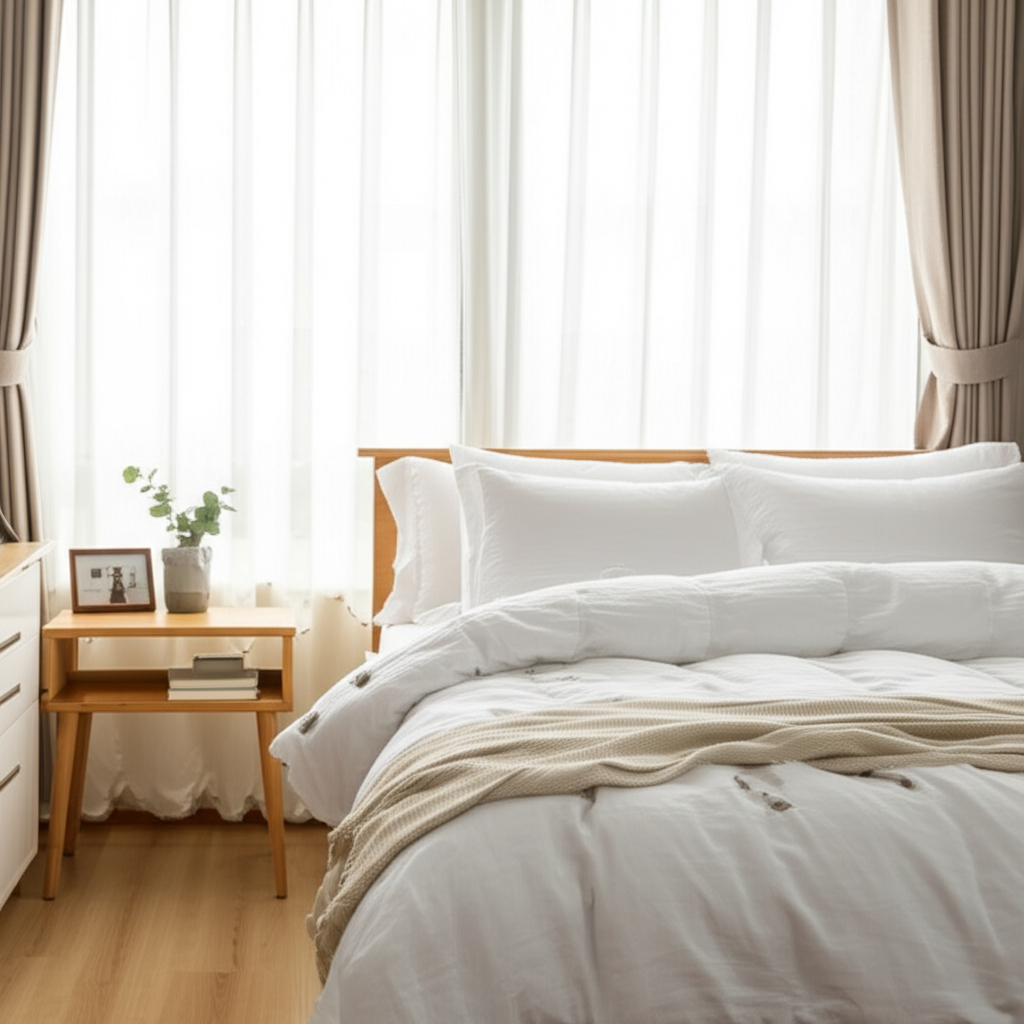
Bedroom decorating can feel overwhelming, but with these essential tips, you can create a stylish, cozy sanctuary on any budget. Focus on key elements like color, furniture, lighting, and personal touches to transform your space into a dream retreat.
Your bedroom should be your personal oasis, a place where you can truly relax and recharge. But if yours feels more like a cluttered storage unit or a space that just doesn’t “feel right,” you’re not alone! Many of us struggle with knowing where to start when it comes to decorating, especially on a budget or in a small space.
It’s easy to get lost in endless Pinterest boards and design magazines, feeling like you need a huge budget or expert skills to make your bedroom look amazing. But I’m here to tell you that’s not true!
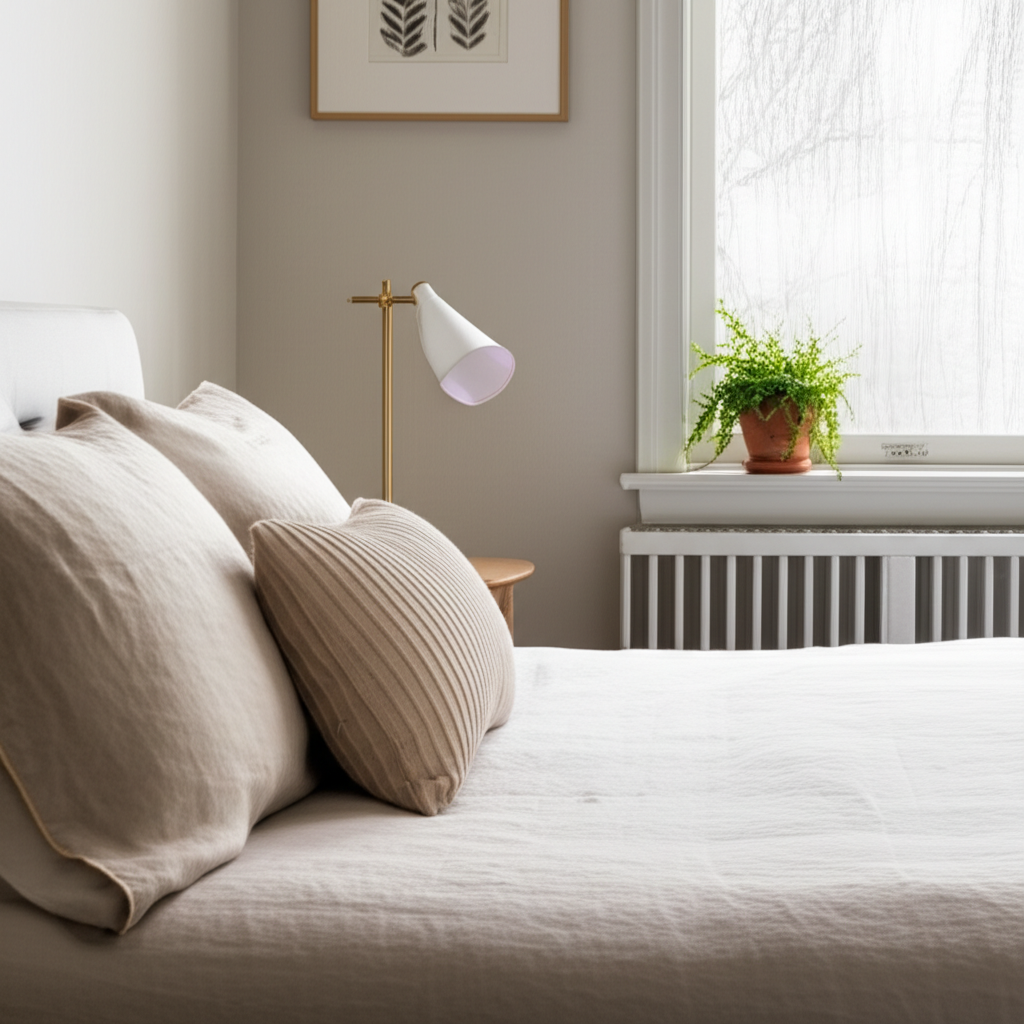
With a few smart strategies and a sprinkle of creativity, you can transform your bedroom into a space you’ll absolutely love. We’ll break down the process step-by-step, making it simple, fun, and totally achievable.
Ready to dive in and discover how to decorate your bedroom ideas into reality? Let’s get started!
How to Decorate Your Bedroom: A Beginner’s Guide
Decorating your bedroom is all about creating a space that reflects your personality and promotes rest and relaxation. It doesn’t require a massive budget or professional design skills. By focusing on a few key elements, you can achieve a beautiful and functional room.
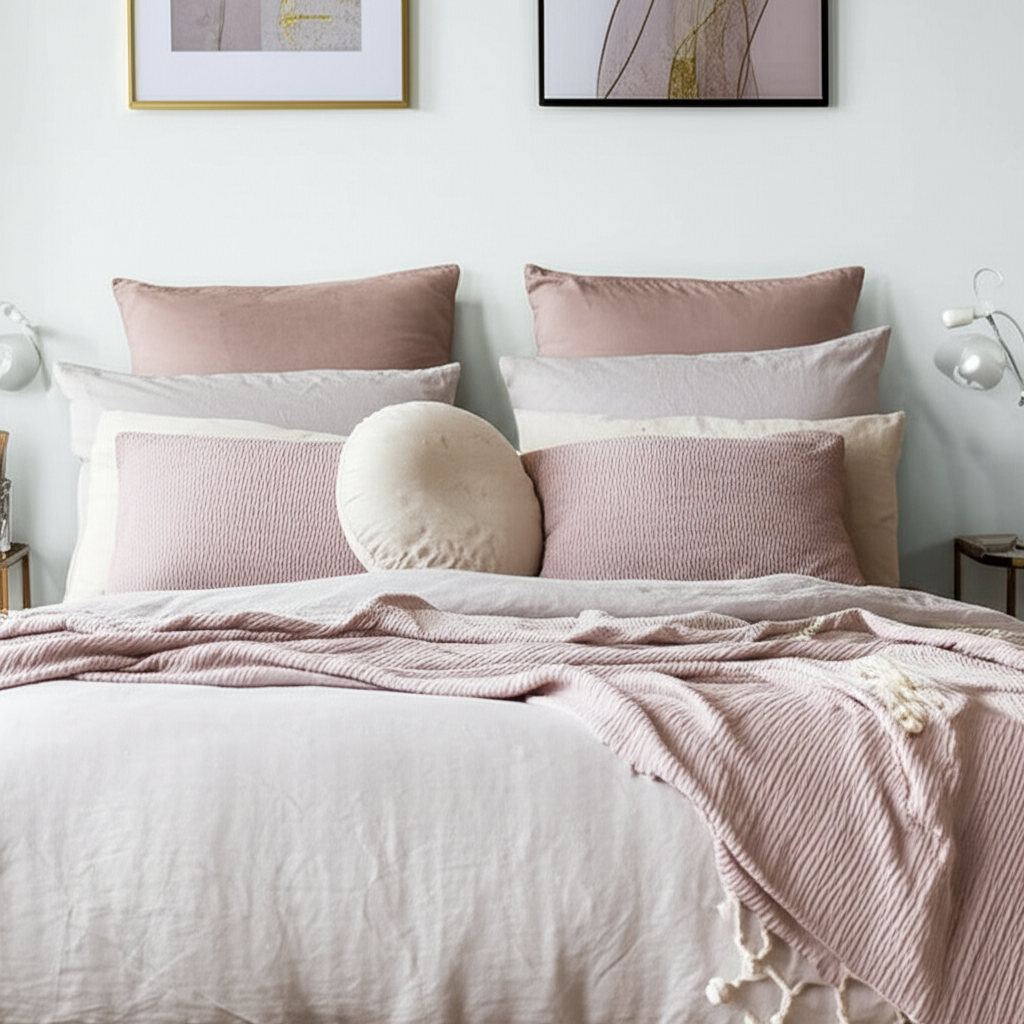
1. Define Your Style and Mood
Before you buy anything, think about how you want your bedroom to feel. Do you dream of a calm, minimalist escape, a cozy bohemian haven, or a vibrant, energetic space?
Calm & Serene: Think soft colors, natural textures, and minimal clutter.
Cozy & Warm: Imagine rich textures, layered blankets, and warm, inviting colors.
Modern & Chic: Opt for clean lines, a neutral palette with pops of bold color, and sleek furniture.
Bohemian & Eclectic: Embrace patterns, plants, vintage finds, and a free-spirited vibe.
Consider your favorite colors and what makes you feel most at ease. This will be your guiding star throughout the decorating process. If you’re drawn to clean, uncluttered spaces, you might enjoy exploring minimalist design principles for inspiration that can extend beyond the kitchen.
2. Start with a Color Palette
Color is one of the most powerful tools in decorating. It sets the mood and can make a small room feel larger or a large room feel more intimate.
For a Relaxing Vibe: Soft blues, greens, grays, and muted pastels are excellent choices. These colors are known for their calming properties.
For a Cozy Feel: Earthy tones like warm browns, terracotta, deep reds, and mustard yellows can create a sense of warmth and comfort.
For a Bright & Airy Space: Whites, creams, and light grays can make your room feel bigger and more open. You can add pops of color with accessories.
Pro Tip: Use the 60-30-10 rule. 60% of your room should be a dominant color, 30% a secondary color, and 10% an accent color. This creates a balanced and harmonious look.
3. Choose Your Foundation: Paint or Wallpaper?
Your walls are the largest canvas in your room, so their treatment is crucial.
Paint: This is the most budget-friendly and versatile option.
Pros: Easy to apply, wide range of colors, simple to change, affordable.
Cons: Can be time-consuming to paint, might require multiple coats for deep colors.
Wallpaper: Adds instant texture, pattern, and personality.
Pros: Unique designs, can hide minor wall imperfections, can create a dramatic focal point.
Cons: Can be more expensive, trickier to apply, harder to change frequently.
For beginners, a fresh coat of paint in a calming color is a fantastic starting point. If you want to add a statement wall, consider removable wallpaper for a renter-friendly option.
4. Furniture Placement: The Art of Flow
How you arrange your furniture significantly impacts the room’s functionality and feel.
Bed Placement: The bed is usually the focal point. Ideally, place it against the most solid wall, facing the door but not directly in line with it. This provides a sense of security.
Traffic Flow: Ensure there’s enough space to walk comfortably around your bed and other furniture. Aim for at least 2-3 feet of walking space.
Scale Matters: Choose furniture that fits the size of your room. Oversized pieces can make a small room feel cramped, while tiny furniture can get lost in a large space.
Consider the Room’s Layout:
| Room Size | Recommended Furniture | Placement Tips |
| :——– | :——————– | :————- |
| Small | Twin/Full Bed, Nightstand, Dresser | Place bed against the longest wall. Use vertical storage. |
| Medium | Queen Bed, Two Nightstands, Dresser, Accent Chair | Center bed on a wall. Create a reading nook. |
| Large | King Bed, Two Nightstands, Dresser, Armoire, Sitting Area | Anchor furniture with a rug. Define zones with furniture arrangement. |
5. Lighting: Setting the Mood
Good lighting is essential for both function and ambiance. Layering your lighting will give you flexibility.
Overhead Lighting: This is your main light source. A stylish pendant light or a flush mount can make a statement.
Task Lighting: Think bedside lamps for reading or a desk lamp if you have a workspace.
Ambient Lighting: String lights, fairy lights, or a dimmer switch can create a warm, cozy glow for winding down.
Tip: Opt for warm-toned bulbs (around 2700K) for a cozy, relaxing atmosphere, especially in the bedroom. You can learn more about bulb types and Kelvin temperatures at the U.S. Department of Energy’s lighting basics page.
6. Textiles: Adding Comfort and Style
Soft furnishings are key to making your bedroom feel cozy and inviting.
Bedding: Invest in comfortable sheets and a duvet or comforter that suits your style and the season. Don’t be afraid to mix and match patterns and textures.
Rugs: A rug can anchor your furniture, add warmth underfoot, and introduce color or pattern. A rug should be large enough that at least the front legs of your bed and nightstands sit on it.
Curtains: These add privacy, control light, and contribute to the room’s overall aesthetic. Choose fabrics and colors that complement your palette.
Throw Pillows & Blankets: Layering these adds texture, color, and extra coziness.
7. Storage Solutions: Tidy Space, Tidy Mind
Clutter is the enemy of a relaxing bedroom. Smart storage is crucial.
Under-Bed Storage: Use bins or drawers to store extra linens, out-of-season clothes, or anything else you need to tuck away.
Vertical Storage: Tall bookshelves or wall-mounted shelves can maximize space without taking up much floor area.
Nightstand Drawers/Shelves: Keep essentials organized and out of sight.
Declutter Regularly: A good purge of items you no longer need or use is the first step to better storage. For clever organization hacks, check out these stylish storage solutions that can inspire bedroom upgrades too.
8. Personal Touches: Make It Yours!
This is where your personality shines through. Add elements that bring you joy.
Artwork: Hang pieces that resonate with you. This could be prints, photographs, or even your own creations.
Photos: Frame pictures of loved ones or memorable moments.
Plants: Greenery adds life, color, and can even improve air quality.
Mirrors: They can make a room feel larger and brighter by reflecting light.
Decorative Objects: Display items that hold meaning for you, like souvenirs or cherished heirlooms.
9. Wall Decor: Beyond Paint
While paint is a great start, walls offer more opportunities for expression.
Gallery Wall: Create a curated collection of art, photos, and decorative items.
Wall Hangings: Macrame, tapestries, or fabric banners can add texture and interest.
Shelving: Floating shelves are great for displaying books, plants, and small decor items.
Statement Mirror: A uniquely framed mirror can act as a piece of art itself.
10. Don’t Forget the Details
The small things can make a big difference.
Hardware: Swapping out basic drawer pulls or knobs for something more stylish can instantly update furniture.
Scent: A pleasant aroma can enhance the relaxing atmosphere. Consider a diffuser with essential oils or a subtly scented candle.
Organization: Use trays or decorative boxes to keep small items like jewelry or remotes tidy.
Budget-Friendly Bedroom Decorating Ideas
Decorating doesn’t have to break the bank! Here are some smart ways to save money while still creating a beautiful bedroom.
DIY Projects
Paint an Accent Wall: A quart of paint can transform a wall for under $30.
Upcycle Furniture: Give an old dresser or nightstand a new life with a coat of paint or new hardware.
Create Your Own Art: Frame interesting fabric scraps, create a pressed flower collage, or paint a simple abstract piece.
Sew Pillow Covers: If you can sew a straight line, you can make custom pillow covers from affordable fabric.
Thrift Store & Secondhand Finds
Lamps: Often found in great condition for a fraction of the retail price.
Mirrors: Unique frames are abundant at thrift stores.
Dressers & Nightstands: These can be painted or refinished to match your decor.
Decorative Items: Vases, trays, and picture frames are often treasures waiting to be discovered.
Smart Shopping Strategies
Sales & Clearance: Keep an eye out for seasonal sales at your favorite home decor stores.
Discount Retailers: Stores like HomeGoods, TJ Maxx, and Marshalls offer stylish items at lower prices.
Focus on Key Pieces: Invest more in items you use daily, like your mattress and bedding, and save on accent pieces.
Buy What You Need, When You Need It: Don’t feel pressured to buy everything at once. Build your room over time.
Decorating Small Bedrooms
Small bedrooms present unique challenges, but with clever tricks, you can make them feel spacious and stylish.
Maximize Vertical Space
Tall, Slim Furniture: Opt for dressers and bookshelves that are tall rather than wide.
Wall-Mounted Shelving: Use the space above your bed or desk for storage and display.
Hanging Organizers: Utilize closet space with hanging shelves and shoe organizers.
Light and Bright Colors
White or Light Neutral Walls: This is the classic trick to make a room feel bigger.
Monochromatic Schemes: Using different shades of the same color can create a seamless, expansive look.
Mirrors: Strategically placed mirrors, especially opposite windows, can double the perceived space.
Multifunctional Furniture
Storage Beds: Beds with built-in drawers or lift-up storage are a lifesaver.
Ottomans with Storage: Use them as a footrest, extra seating, and hidden storage.
Wall-Mounted Desk: A fold-down desk can disappear when not in use.
Keep it Minimal
Declutter Ruthlessly: Only keep what you truly need and love.
Less is More: Avoid overcrowding the room with too many decorative items.
Clear Surfaces: Keep nightstands and dressers as clear as possible.
Decorating Large Bedrooms
Large bedrooms can sometimes feel cavernous and impersonal. The goal here is to create cozy zones and a sense of intimacy.
Create Zones
Sitting Area: Use a rug to define a space for a chair, small sofa, or chaise lounge. This creates a cozy nook for reading or relaxing.
Reading Corner: A comfortable armchair with a floor lamp and a small side table can make a corner feel intentional and inviting.
Anchor with Rugs
Larger Rugs: In a big room, a larger rug can help anchor the bed and surrounding furniture, making the space feel more cohesive.
Multiple Rugs: You can use smaller rugs to define different zones, like one by the bed and another in a sitting area.
Focal Points
Statement Headboard: A large, upholstered headboard can add a luxurious feel and become a strong focal point.
Artwork: Don’t be afraid to use larger pieces of art or create a significant gallery wall.
Accent Wall: Consider wallpaper or a bold paint color on the wall behind your bed to add depth.
Layering and Texture
Abundant Textiles: Layer throws, pillows, and curtains to add warmth and coziness.
Variety of Textures: Mix smooth with rough, soft with firm, to create visual interest.
Consider Scale
Larger Furniture: You can often accommodate larger furniture pieces, like a king-size bed or a wider dresser, without the room feeling cramped.
Balance: Ensure your furniture is scaled appropriately for the room’s size so it doesn’t look too small or too overwhelming.
FAQ: Your Bedroom Decorating Questions Answered
Here are some common questions beginners have about decorating their bedrooms:
Q1: What’s the best way to start decorating my bedroom if I have no idea where to begin?
Start by thinking about how you want your bedroom to feel (e.g., calm, cozy, energetic). Then, choose a simple color palette that supports that mood. Look for inspiration online or in magazines, but focus on what you personally love rather than trying to copy a specific look exactly. Begin with the basics: paint, your bed, and lighting.
Q2: How much should I spend on bedroom decor?
There’s no set amount! You can decorate beautifully on any budget. Prioritize spending on essentials like a comfortable mattress and quality bedding. For other items, explore DIY projects, thrift stores, and sales. Focus on one or two key pieces you love and build around them. Smart shopping and patience are key.
Q3: I have a very small bedroom. How can I make it feel bigger?
Use light colors on your walls and for your main furniture. Maximize vertical space with tall, slim storage and wall-mounted shelves. Incorporate mirrors to reflect light and create an illusion of depth. Opt for furniture that serves multiple purposes, like a storage bed, and keep surfaces as clear as possible.
Q4: What are the most important pieces of furniture for a bedroom?
The most important pieces are typically the bed (which is the focal point), a nightstand for essentials, and adequate storage (like a dresser or wardrobe) to keep clutter at bay. If space allows, a comfortable chair or small seating area can enhance the room’s comfort.
Q5: Is it okay to mix different styles in my bedroom?
Absolutely! Mixing styles can create a unique and personal space. The key is to do it intentionally. Choose a dominant style and then incorporate elements from another style sparingly. Using a consistent color palette or repeating certain textures can help tie different elements together harmoniously.
Q6: How can I add personality to my bedroom without making it look cluttered?
Focus on a few meaningful items rather than many small knick-knacks. Display a few cherished photos, a piece of art you love, or a plant. Use decorative items that are functional, like a beautiful tray for your jewelry or a stylish storage basket. Curate your display items thoughtfully.
Q7: What’s the role of lighting in bedroom decor?
Lighting is crucial for setting the mood. Layered lighting (overhead, task, and ambient) provides flexibility. Warm-toned bulbs create a cozy, relaxing atmosphere. Dimmers allow you to adjust the light intensity, making it easy to transition from bright and functional to soft and intimate.
Conclusion
Decorating your bedroom is a journey, not a race. By breaking it down into simple steps – defining your style, choosing colors, arranging furniture, and adding personal touches – you can create a space that truly feels like your own sanctuary.
Remember, your bedroom should be a reflection of you. Don’t be afraid to experiment, mix and match, and most importantly, have fun with it! Whether you’re working with a small space, a tight budget, or just starting out, these essential tips will guide you toward creating a bedroom that’s both beautiful and incredibly livable.
So, take a deep breath, gather your inspiration, and start transforming your bedroom into the cozy, stylish retreat you deserve. Happy decorating! For more home decor inspiration, explore our guide on creating cohesive design themes that can elevate every room in your home.