How to Decorate Your Room DIY: Essential Tips
Ready to transform your space on a budget? This guide offers essential DIY room decorating tips for beginners. Learn how to personalize your room with smart strategies, creative ideas, and easy-to-follow steps. Get ready for a stylish, comfortable, and uniquely you space!
Feeling a bit overwhelmed by the thought of decorating your room? You’re not alone! Many of us dream of a stylish sanctuary but get stuck before we even start. The endless options, the fear of making a mistake, or the worry about costs can be paralyzing.
But what if I told you that creating a beautiful, personalized room is totally achievable, even on a shoestring budget? It’s all about smart choices, a little creativity, and knowing where to begin. We’re going to break down the process into simple, actionable steps.
This guide is packed with easy DIY decorating ideas that will make your room feel brand new. We’ll cover everything from picking a style to adding those perfect finishing touches. Let’s get started on making your dream room a reality!
1. Discover Your Style: The Foundation of Your DIY Decor
Before you buy a single thing, let’s figure out what you love! Understanding your personal style is the first and most crucial step in decorating. It’s like having a map for your design journey, ensuring everything you choose feels cohesive and truly “you.”
Think about what makes you feel relaxed, inspired, or happy. Are you drawn to cozy textures and warm colors, or do you prefer clean lines and minimalist vibes? Pinterest and Instagram are fantastic places to gather inspiration. Create a mood board by saving images of rooms, furniture, colors, and decor items that catch your eye.
Consider these popular styles to see what resonates with you:
- Bohemian (Boho): Eclectic, layered, and full of personality. Think natural materials, vibrant patterns, plants, and vintage finds.
- Minimalist: Clean lines, uncluttered spaces, and a neutral color palette. Focus on functionality and intentionality.
- Modern Farmhouse: A blend of rustic charm and contemporary sleekness. Features natural wood, shiplap, cozy textiles, and neutral tones.
- Scandinavian: Bright, airy, and functional. Emphasizes natural light, light wood tones, simple furniture, and cozy elements (hygge).
- Coastal: Light, breezy, and inspired by the sea. Uses blues, whites, natural textures like rattan, and beach-inspired accents.
Don’t feel pressured to pick just one! Many beautiful rooms blend elements from different styles. The goal is to create a space that reflects your personality and makes you feel good.
2. Set Your Budget: Decorating Smartly
Decorating your room doesn’t have to break the bank. Setting a realistic budget from the start will help you make smart purchasing decisions and avoid overspending. This is where the “DIY” magic really shines!
Start by listing out the areas or items you want to update. For example, you might want to repaint a wall, get new bedding, or add some decorative accents. Estimate the cost for each item. Remember to include potential costs for tools or materials if you’re planning any DIY projects like painting or building.
Here’s a simple way to start budgeting:
- List Desired Items: Write down everything you want to change or add.
- Research Prices: Look up approximate costs for new items, DIY materials, or secondhand finds.
- Prioritize: Decide which items are most important. You might need to spread your decorating over a few months.
- Allocate Funds: Assign a budget to each category (e.g., bedding, wall art, lighting).
- Contingency Fund: Add a small buffer (10-15%) for unexpected expenses.
Many affordable retailers offer stylish decor. Think IKEA, Target, HomeGoods, and even dollar stores for smaller accents. Don’t forget the power of secondhand shopping at thrift stores, flea markets, or online marketplaces like Facebook Marketplace. For more budget-friendly inspiration, check out our guide on minimal decor ideas that prove simplicity can be stunning.
3. Declutter and Organize: The Essential First Step
Before any decorating can happen, a good declutter is absolutely essential. A messy or disorganized room can make even the most beautiful decor look chaotic. Clearing out the excess will give you a fresh canvas and help you see your room’s true potential.
Take a weekend to tackle this. Go through your belongings category by category. Ask yourself: Have I used this in the last year? Does it bring me joy? Is it broken? Be ruthless but also realistic. Donate items you no longer need, sell what you can, and discard the rest.
Once decluttered, focus on organization. Good storage solutions can make a huge difference in maintaining a tidy space:
- Vertical Space: Use shelves and wall-mounted organizers to maximize vertical space. This is especially helpful in smaller rooms.
- Storage Bins & Boxes: Invest in attractive bins or boxes to store items like extra blankets, books, or accessories. Label them clearly!
- Multi-functional Furniture: Consider ottomans with storage, beds with built-in drawers, or coffee tables that lift for hidden storage.
- Drawer Organizers: Keep drawers tidy with dividers for clothes, stationery, or other small items.
A clean, organized room feels instantly more peaceful and inviting. It’s the perfect foundation for bringing in your new decor!
4. Paint Power: A High-Impact, Low-Cost Transformation
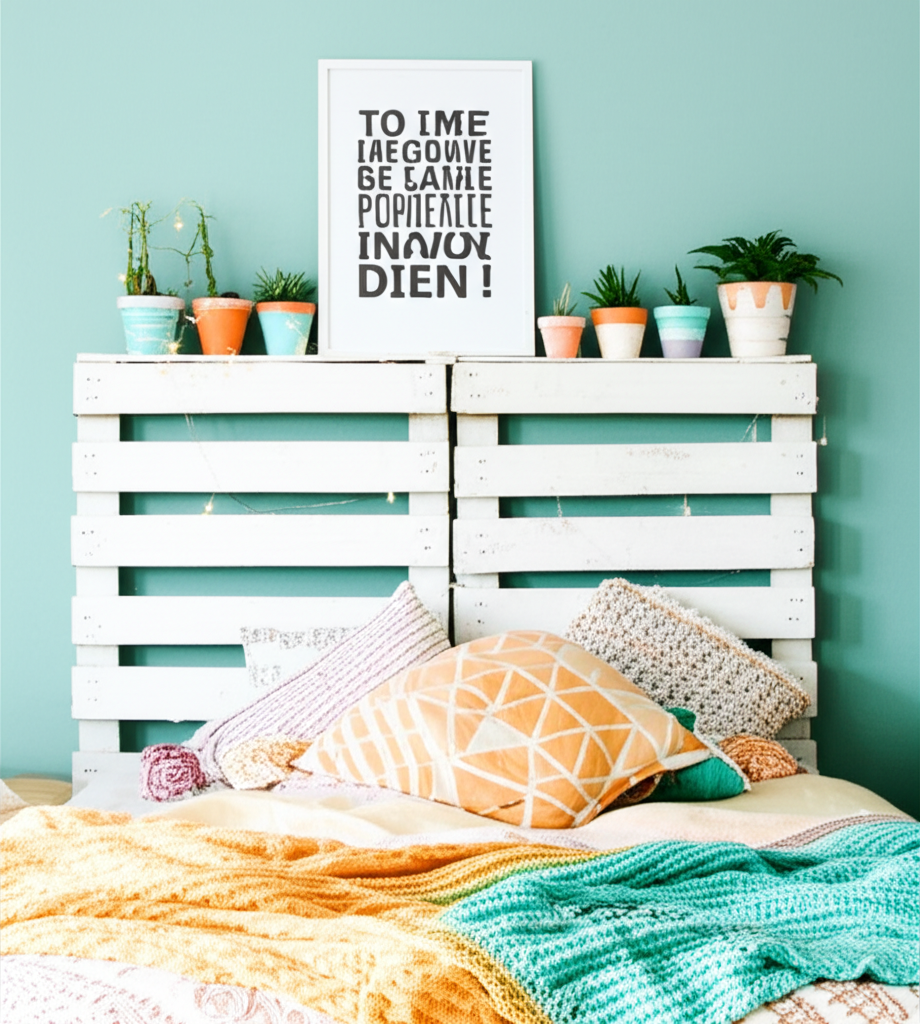
Paint is one of the most powerful and budget-friendly tools in your DIY decorating arsenal. A fresh coat of paint can completely change the mood and feel of your room. It’s a relatively easy project that offers a dramatic impact.
Choosing the right color is key. Consider the mood you want to create. Lighter colors like soft blues, greens, or warm neutrals can make a room feel larger and more serene. Bolder colors can add personality and drama. Always get paint samples and test them on your walls in different lighting conditions before committing to a full can.
Don’t limit yourself to just the walls! Consider these creative painting ideas:
- Accent Wall: Paint one wall a different color or use a bold pattern to create a focal point.
- Ceiling Color: Painting the ceiling a soft color can add an unexpected touch and influence the room’s atmosphere.
- Furniture Refresh: Give old furniture a new life with a coat of paint. An old dresser or bookshelf can look brand new!
- DIY Wall Art: Use painter’s tape to create geometric patterns or stripes on a wall for a modern, custom look.
For a professional finish, proper preparation is crucial. Clean your walls, fill any holes or cracks, and use painter’s tape to protect trim and edges. Watching online tutorials from reputable sources like This Old House can provide excellent guidance on techniques.
5. Furniture Focus: Smart Choices for Style and Function
Your furniture is the backbone of your room’s design. Choosing the right pieces can make a big difference in both aesthetics and usability. For DIY decorators, prioritizing smart, versatile, and budget-friendly furniture is key.
Secondhand Savvy: Thrift stores, flea markets, and online marketplaces are goldmines for unique and affordable furniture. Don’t be afraid of pieces that need a little love. A fresh coat of paint, new hardware, or reupholstered cushions can work wonders.
Multi-functional Marvels: Especially in smaller spaces, furniture that serves more than one purpose is invaluable. Think about:
- Ottomans with hidden storage
- Sofa beds or daybeds for guest accommodation
- Nesting tables that can be tucked away
- Beds with built-in drawers or shelving
Layout Matters: Before you buy, measure your space and plan your furniture layout. Use painter’s tape on the floor to map out where your furniture will go. This helps you visualize the scale and flow of the room and avoid buying pieces that are too large or too small.
DIY Furniture Upgrades: You don’t always need to buy new. Consider updating existing furniture. For example, swapping out old drawer pulls for stylish new hardware can instantly modernize a dresser or cabinet. You can find excellent guides on furniture restoration and upcycling from resources like Popular Mechanics.
6. Lighting: Setting the Mood
Lighting is often overlooked, but it’s incredibly important for creating ambiance and making your room feel welcoming. Good lighting can transform a space, making it feel cozy, dramatic, or bright and airy, depending on your preference.
Layering your lighting is the secret to a well-lit room. This means using a combination of different light sources:
- Aambient Lighting: This is your main light source, usually a ceiling fixture. Consider a dimmer switch for flexibility.
- Task Lighting: This is for specific activities, like reading or working. Think desk lamps, floor lamps next to an armchair, or under-cabinet lighting.
- Accent Lighting: This highlights specific features, like artwork or architectural details. Picture lights or small spotlights work well here.
Don’t forget the power of lamps! Table lamps and floor lamps add warmth and can be decorative elements in themselves. Look for unique lamp bases at thrift stores or update existing ones with new shades.
Consider the color temperature of your bulbs. Warm white bulbs (around 2700K) create a cozy, inviting atmosphere, while cooler white bulbs (4000K+) are more energizing and can make a space feel brighter. You can explore bulb options and their effects on sites like the U.S. Department of Energy’s Energy Saver website.
7. Textiles and Textures: Adding Warmth and Comfort
Textiles are where you can really inject personality and coziness into your room. Think about fabrics, patterns, and textures that appeal to you. They add depth, warmth, and visual interest, making your space feel more lived-in and inviting.
Rugs: A rug can anchor a space, define zones, and add color and pattern. Even a small rug can make a big difference. Consider layering rugs for a bohemian or eclectic look.
Curtains: Window treatments aren’t just for privacy; they frame your windows and add softness. Opt for fabrics that complement your style. Lighter, sheer fabrics can maximize natural light, while heavier drapes can add drama and insulation.
Throw Pillows & Blankets: These are the easiest and most affordable way to add color, pattern, and texture. Mix and match different sizes, shapes, and fabrics for a layered, inviting look. Cozy throws draped over a sofa or bed instantly add a sense of comfort.
Bedding: Your bedding is a major visual element in a bedroom. Invest in comfortable sheets and a duvet cover or comforter that matches your style. Don’t be afraid to mix patterns and textures here too!
When choosing textiles, consider the overall feel you want. Soft, plush textures create a cozy vibe, while natural materials like linen and cotton offer a more relaxed, airy feel. Mixing textures – like a chunky knit throw with a smooth velvet pillow – adds visual richness. For even more inspiration on creating inviting spaces, explore our tips on cozy small space ideas that translate beautifully to bedrooms.
8. Wall Art & Decor: Personalize Your Space
Your walls are a blank canvas waiting for your personal touch! Wall art and decor are fantastic ways to express your personality and tie your room’s theme together. The best part? You can create amazing pieces yourself.
DIY Wall Art Ideas:
- Framed Photos: Print your favorite photos and frame them in a gallery wall. Mix frame styles and sizes for an eclectic look.
- Pressed Flowers/Leaves: Frame beautiful pressed botanicals for a natural, delicate touch.
- Fabric Wall Hangings: Stretch interesting fabric over a canvas or frame it for a unique piece of art.
- Paint Your Own: Don’t consider yourself an artist? Abstract painting is forgiving! Splatter paint, create bold strokes, or use geometric stencils.
- Macrame or Woven Art: Learn a new craft and create your own bohemian-inspired wall hanging.
Mirrors: Mirrors are not only decorative but also functional. They can make a small room feel larger and brighter by reflecting light. Look for mirrors with interesting frames at thrift stores.
Shelving: Floating shelves or decorative shelves can display your favorite items – books, plants, photos, or small collections. This adds personality and visual interest to your walls.
Plants: Greenery breathes life into any space! Indoor plants add color, texture, and a sense of calm. If you don’t have a green thumb, consider low-maintenance options like snake plants or ZZ plants.
When arranging decor, think about balance and focal points. Don’t overcrowd your walls. Sometimes, a few well-chosen pieces have more impact than many small items.
9. Greenery: Bringing Nature Indoors
Adding plants to your room is one of the simplest and most effective ways to bring life, color, and a sense of tranquility into your space. Plants can purify the air and boost your mood, making them a fantastic addition to any DIY decor project.
If you’re new to plant care, start with easy-to-care-for varieties. These plants are forgiving and can tolerate a range of conditions:
- Snake Plant (Sansevieria): Tolerates low light and infrequent watering.
- ZZ Plant (Zamioculcas zamiifolia): Extremely drought-tolerant and can handle low light.
- Pothos (Epipremnum aureum): Comes in various colors and is very adaptable.
- Spider Plant (Chlorophytum comosum): Easy to propagate and adds a cascading effect.
- Succulents & Cacti: Require bright light and minimal watering.
Don’t forget about the pots! Planters can be decorative elements in themselves. You can find affordable pots at garden centers, home goods stores, or even repurpose items like old mugs or jars (ensure they have drainage).
Consider where you’ll place your plants based on their light needs. A sunny windowsill is perfect for succulents, while a shadier corner might be ideal for a snake plant. Hanging plants can also add dimension and save floor space.
For more information on selecting and caring for houseplants, the Royal Horticultural Society (RHS) offers excellent, authoritative advice. You might also enjoy our collection of kitchen plant decor ideas for inspiration on styling greenery in unexpected ways.
10. Finishing Touches: The Details That Matter
Once the main elements are in place, it’s time for the finishing touches that truly make a room feel complete and personalized. These small details can elevate your space from good to great!
Scent: Consider adding a pleasant scent to your room with candles, diffusers, or room sprays. Choose a fragrance that you find relaxing or invigorating.
Personal Items: Display items that have meaning to you – souvenirs from trips, cherished photos, or handmade crafts. These are what make your space uniquely yours.
Books: Bookshelves aren’t just for storage; they add character and color. Arrange books by color, size, or mix them with decorative objects.
Hardware Updates: As mentioned, changing out knobs and pulls on cabinets, dressers, or doors is a quick and inexpensive way to update the look of your furniture and room.
Washi Tape: This decorative tape can be used for endless DIY projects, from creating temporary wall art to decorating photo frames or organizing cables.
Take a step back and look at your room with fresh eyes. What feels a little off? What could use a spark of personality? These final touches are where your room truly comes to life and reflects your individual style.
DIY Room Decorating Budget Breakdown Example
Here’s a sample budget for a small room refresh. Prices are approximate and can vary greatly based on location and whether you buy new, secondhand, or DIY materials.
| Item Category | Estimated Cost (New) | Estimated Cost (DIY/Secondhand) | Notes |
|---|---|---|---|
| Paint (1 Gallon) | $30 – $50 | $10 – $30 (for supplies like tape, rollers) | Covers accent wall or small room. |
| Throw Pillows (Set of 2) | $40 – $80 | $10 – $30 (DIY covers or thrifted pillows) | Add color and texture. |
| Area Rug (Small/Medium) | $50 – $150 | $20 – $60 (sales, secondhand) | Defines space, adds warmth. |
| Curtains/Blinds | $30 – $70 | $15 – $40 (DIY sewing or thrifting) | Enhances light and privacy. |
| Wall Art (DIY Supplies) | $10 – $50 | $5 – $25 (frames, prints, craft supplies) | Personalize your walls. |
| Table Lamp/Floor Lamp | $25 – $75 | $10 – $30 (thrifted lamp base, new shade) | Adds ambient/task lighting. |
| Plants & Pots | $20 – $60 | $10 – $30 (small plants, repurposed pots) | Brings life and color. |
| Miscellaneous Decor (Vases, Candles, etc.) | $20 – $50 | $5 – $20 (dollar store, thrift finds) | Finishing touches. |
| Total Estimated Cost | $225 – $585 | $75 – $285 | Significant savings with DIY/secondhand! |
Frequently Asked Questions (FAQ)
Q1: How do I choose a color scheme for my room?
A1: Start by looking at inspiration images and identifying colors you’re drawn to. Consider the mood you want to create – calm, energetic, cozy. A simple approach is the 60-30-10 rule: 60% of your room in a dominant color, 30% in a secondary color, and 10% in an accent color. You can find great color palette ideas on design blogs or Pinterest.
Q2: What if I have a very small room? How can I decorate it effectively?
A2: For small rooms, focus on maximizing space and light. Use light paint colors, mirrors to create an illusion of space, and multi-functional furniture. Vertical storage solutions like shelves are your best friend. Keep decor minimal and intentional to avoid clutter.
Q3: Is it better to buy new furniture or look for secondhand pieces?
A3: Both have their advantages! New furniture offers modern styles and warranties, but can be expensive. Secondhand furniture is budget-friendly, unique, and sustainable. For DIY decorating, hunting for treasures at thrift stores or online marketplaces can lead to amazing finds that you can then customize.
Q4: How can I make my DIY wall art look professional?
A4: Preparation is key! Ensure your canvas or surface is clean and smooth. Use painter’s tape for crisp lines and geometric designs. If framing, invest in decent frames (even if secondhand) and ensure your artwork is mounted neatly. Practice your technique on scrap material first.
Q5: What are some easy DIY projects for beginners?
A5: Painting walls or furniture, creating a gallery wall with framed photos, updating hardware on cabinets, sewing simple cushion covers, or arranging plants in decorative pots are all great beginner-friendly projects. Simple updates like adding a new rug or throw blankets also make a big impact.
Q6: How much time should I allocate for decorating my room DIY?
A6: This depends on the scope of your project! Decluttering and planning might take a weekend. Painting can take a day or two, including drying time. Assembling furniture and hanging art can be done over a few evenings or a weekend. Allow for flexibility, especially if sourcing secondhand items.
Conclusion
Decorating your room yourself is a rewarding journey that allows you to create a space that truly reflects who you are. By following these essential DIY tips, you’ve learned how to set a foundation with style discovery and budgeting, tackle transformations with paint and smart furniture choices, and add personality with lighting, textiles, and art.
Remember, the goal is progress, not perfection. Embrace the process, have fun with your creativity, and don’t be afraid to experiment. Every little change, from a fresh coat of paint to a new throw pillow, adds up to a room you’ll love spending time in.
Your beautifully decorated, personalized room is within reach. Go forth, get creative, and enjoy making your space your own!