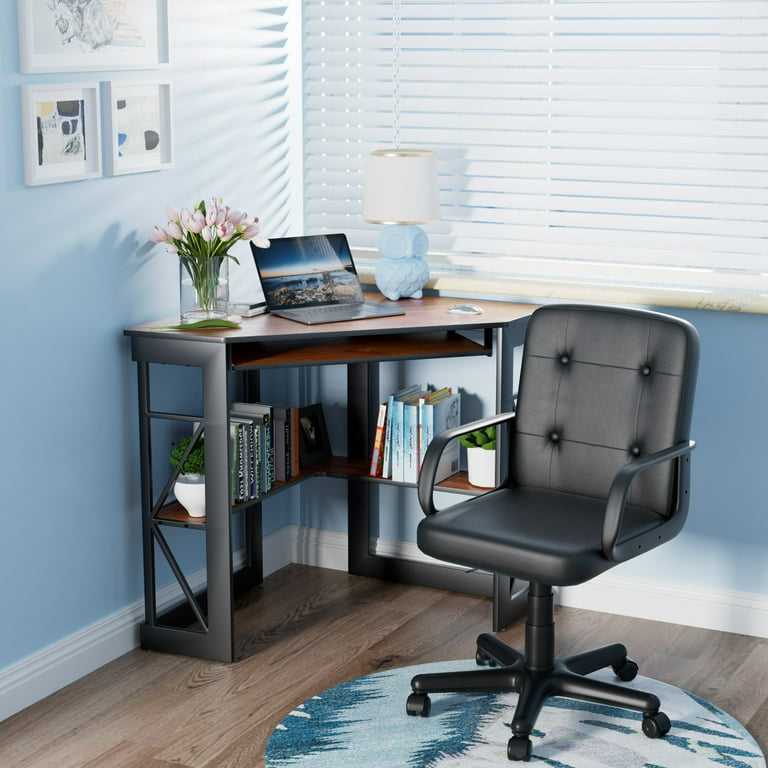
Looking for the perfect ergonomic seating solution to maximize your small home office corner? The key is choosing compact, adjustable chairs that provide comfort and proper support without overwhelming your space. With thoughtful selection, you can create a cozy, efficient workspace that promotes good posture and productivity.
In short, the best ergonomic seating for small home office corners combines size, adjustability, and support to suit limited spaces. Opt for slim-profile chairs with customizable features to ensure comfort without sacrificing style or functionality. These options can help you stay comfortable and focused, even in a tight workspace.
If your home office corner feels cramped but you still want to work comfortably and healthily, selecting the right ergonomic chair is essential. Small spaces require clever choices that blend form and function, ensuring you don’t compromise on posture or support while making the most of every inch available. Today’s market offers many compact yet ergonomic options that fit seamlessly into tight spots, helping you create a productive environment without clutter.

Ergonomic seating for small home office corners
Understanding the importance of ergonomic seating in small spaces
Working in a tiny corner of your home doesn’t mean you should compromise on comfort. Ergonomic seating helps reduce strain and improves posture, even in limited spaces. Proper chairs support your back and neck, preventing common discomforts like back pain and headaches.
Challenges of small home office corners
Small spaces often mean limited room for large, bulky furniture. Finding chairs that fit comfortably yet provide adequate support is essential. Additionally, multi-purpose furniture can save space while offering ergonomic benefits.
Choosing the right ergonomic chair for limited space
Selecting a chair that fits well in a small corner requires attention to size, adjustability, and design. Look for chairs that are compact but offer features like adjustable height and lumbar support. Materials should be lightweight yet durable for easy maneuvering.
Size considerations
Measure the available space carefully before purchasing. Opt for slim-profile chairs that do not overcrowd your workspace. Compact designs make it easier to move and store the chair when not in use.
Adjustability features
Adjustable seat height ensures your feet rest flat on the ground. Lumbar support can be customized to fit the curve of your back. Armrest adjustment helps keep shoulders relaxed and prevents strain.
Design tips for optimizing small office corners
Maximize your space with smart furniture choices. Use vertical storage options and minimalistic designs to keep the area tidy and functional. Choose chairs with sleek profiles to avoid feeling cramped.
Multi-purpose furniture
Consider chairs that can double as decorative items or extra seating for visitors. Folding chairs or stackable stools work well in small corners. Look for models with hidden storage or lightweight frames for easy movement.
Color and style choices
Light colors and simple designs create an open, airy feel. Match your chair style with existing decor to maintain a cohesive look. Visual harmony makes the space feel larger and more inviting.
Ergonomic features to prioritize in small chairs
Focus on key ergonomic elements to maximize comfort and support. Features like adjustable lumbar support, seat depth, and tilt mechanisms are essential. Prioritize chairs that promote proper posture and reduce physical strain.
Lumbar support
A supportive lower back cushion helps maintain the spine’s natural curve. Adjustable lumbar support allows customization for personal comfort. Proper lumbar support reduces back fatigue during long work sessions.
Seat height and depth
The chair height should allow your feet to sit flat on the floor. Seat depth should provide support without pressing into the back of your knees. Adjustable mechanisms ensure the best fit for different body types.
Tilting and recline features
A tilting function helps you shift positions easily, reducing stiffness. A recline lock feature can keep your back supported at a comfortable angle. These features encourage movement and improve circulation.
Additional ergonomic accessories for small home offices
Enhance your seating experience with accessories that support comfort and health. Footrests, seat cushions, and monitor stands complement ergonomic chairs and improve overall workspace ergonomics.
Footrests
A footrest offers additional support for your feet, especially if the chair height can’t be perfectly matched. It helps reduce pressure on the thighs and improves circulation.
Seat cushions
Memory foam or gel cushions add extra comfort and pressure relief. They are especially useful for hard or unpadded chairs. Choose cushions with ergonomic contours to support proper posture.
Monitor stands and document holders
Position your screen at eye level to prevent neck strain. Document holders keep reference materials within easy reach, reducing repetitive head and eye movements.
Maintaining ergonomic habits in small spaces
Even with the right chair, your habits influence comfort and health. Take regular breaks, adjust your position often, and set up your workspace ergonomically to prevent discomfort.
Proper seated posture
Sit with your back fully supported and shoulders relaxed. Keep feet flat on the ground and knees at a 90-degree angle. Avoid slouching or leaning forward for extended periods.
Taking frequent breaks
Stand, stretch, and change positions every 30 minutes. Short breaks boost circulation and reduce muscle fatigue. Use reminders or timers to stay consistent.
Workspace organization
Keep essential tools within arm’s reach to minimize stretching or twisting. Use wall-mounted shelves or compact storage units to save space and stay organized.
Top ergonomic chairs suited for small home office corners
Several models excel in small spaces while offering excellent support. Look for chairs with adjustable features, lightweight frames, and compact footprints.
Model A: The SpaceSaver ergonomic chair
This chair features adjustable height, lumbar support, and a slim profile. Its breathable mesh back keeps you cool during long work periods. It is easy to assemble and move around.
Model B: The Compact Comfort chair
Designed for small spaces, this chair offers adjustable tilt, seat depth, and armrests. It comes with a cushioned seat that adapts to various body shapes. Its modern design complements small office aesthetics.
Model C: The Minimalist ergonomic stool
Ideal for limited space, this stool encourages active sitting with a slight wobble base. It has adjustable height and a comfortable padded seat. Perfect for short tasks or secondary seating.
Innovative solutions for small ergonomic seating needs
Creative options like standing desks with ergonomic stools or sit-stand desks provide alternatives to traditional chairs. These solutions encourage movement and reduce prolonged sitting.
Standing desks paired with ergonomic stools
Adjustable height desks allow you to switch between sitting and standing. Ergonomic stools give support when seated, reducing pressure on your lower back. This setup promotes active work habits.
Convertible furniture options
Some chairs fold easily or convert into small desks, saving space when not in use. Look for versatile furniture that adapts to your needs and fits snugly into tight corners.
Creating an ergonomic workspace in a small home office corner is entirely possible with the right chair and accessories. Focus on selecting furniture that adapts to your space and provides proper support. Establish good habits and organize your workspace to stay comfortable and healthy. Even in tight spots, ergonomic seating can make your work-from-home experience more enjoyable and productive.
Ergonomics Expert Explains How to Set Up Your Desk | WSJ Pro Tip
Frequently Asked Questions
How can I maximize space when choosing an ergonomic chair for a small corner?
Select a compact chair with adjustable features that allow you to customize its size and support. Opt for models with a slim profile and multi-functional design, such as foldable or stackable options, to save space when not in use. Position the chair strategically to make the most of the available area without obstructing movement or access to other essentials.
What features should I look for in an ergonomic seat suitable for limited spaces?
Prioritize adjustable lumbar support, seat height, and armrests to promote proper posture within a confined area. Breathable materials help maintain comfort during long work sessions. Choose chairs with a small footprint but capable of providing full ergonomic benefits, such as tilt mechanisms and removable components that can be customized or stored easily.
How do I ensure proper support in a small home office corner without sacrificing comfort?
Use an ergonomic chair with adjustable features and proper lumbar support to maintain spinal alignment. Incorporate additional accessories like footrests or cushions for personalized comfort. Position the chair close to your desk, ensuring that your feet rest flat on the floor and your arms can comfortably reach your workspace without strain.
Are there specific design tips to make ergonomic seating blend well in a small home workspace?
Choose chairs with sleek, minimal designs and neutral colors to match your decor. Select models with space-saving bases or hidden mechanisms to keep the area clean and uncluttered. Incorporate matching accessories or furniture pieces that complement the chair, creating a cohesive and efficient workspace aesthetic.
What maintenance tips can help prolong the life of ergonomic seating in tight spaces?
Regularly clean and inspect your chair for wear and tear, especially moving parts and upholstery. Adjust the settings as needed to prevent strain and maintain support. Keep the area free of dust and debris to ensure smooth operation, and store or cover the chair if you have limited space to prevent damage or dust buildup when not in use.
Final Thoughts
Ergonomic seating for small home office corners offers practical comfort without sacrificing space. Compact designs with adjustable features support good posture and reduce fatigue. Choosing the right chair enhances productivity and creates a welcoming environment. In small spaces, these options prove essential for working efficiently.