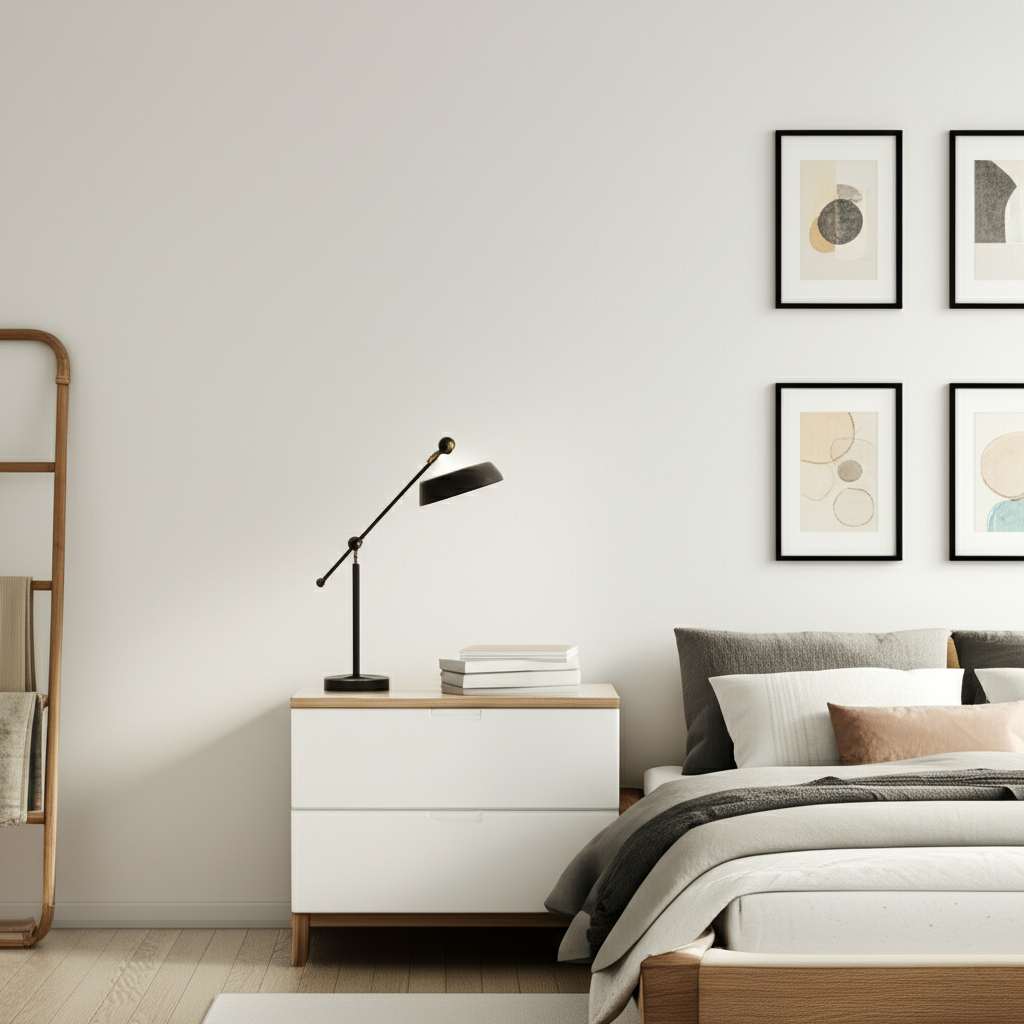
To decorate your simple room effortlessly, focus on a few key elements: decluttering, strategic furniture placement, adding personality with textiles and art, utilizing lighting, and incorporating greenery. Start small, choose a theme or color palette, and don’t be afraid to experiment.
Does your room feel a little… plain? You’re not alone! Many of us have spaces that are functional but lack that special spark. It’s easy to feel overwhelmed by all the design choices out there, wondering where to even begin.
But decorating doesn’t have to be complicated or expensive. With a few simple strategies, you can transform your basic room into a cozy, stylish haven that reflects your personality.
This guide is here to break it all down. We’ll walk through easy, actionable steps to make your simple room feel like you.
Your Simple Room Makeover: The Effortless Guide
Decorating your room should be fun, not stressful! Think of it as giving your personal space a little glow-up. We’ll focus on making impactful changes that don’t require a huge budget or professional skills. Get ready to fall in love with your room all over again!
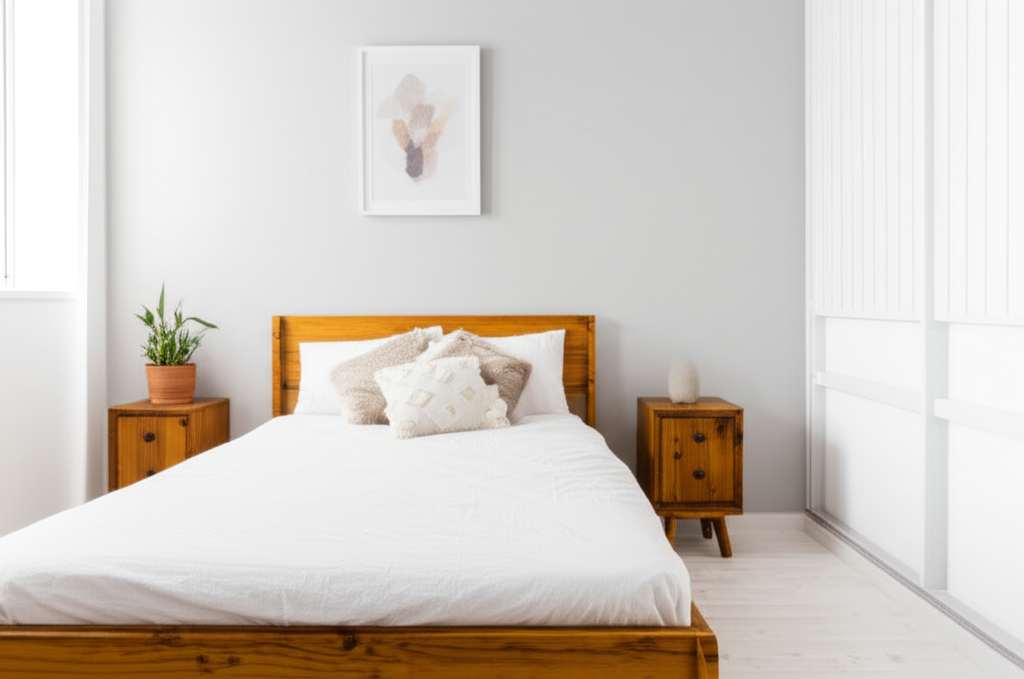
Step 1: Declutter and Organize – The Foundation of Style
Before you even think about adding new items, let’s tackle the clutter. A tidy room instantly looks better and feels more spacious. It’s the most budget-friendly and impactful first step!
- The Purge: Go through everything. Ask yourself: Do I use this? Do I love this? If the answer is no, it might be time to donate, sell, or toss it.
- Everything Has a Home: Once you’ve decluttered, assign a specific spot for everything you keep. This could be a drawer, a shelf, a basket, or a box.
- Smart Storage Solutions: Utilize vertical space with shelves, use decorative boxes or baskets to hide less attractive items, and consider under-bed storage.
Step 2: Furniture Placement – Creating Flow and Function
How you arrange your furniture can dramatically change how a room feels and functions. The goal is to create a comfortable flow and make the most of your space.
For Small Rooms:
- Define Zones: Even in a small space, try to create distinct areas for sleeping, working, and relaxing. A rug can help define a living area.
- Keep it Light: Opt for furniture with legs that allow you to see the floor underneath. This creates an illusion of more space.
- Multi-functional Pieces: Think ottomans with storage, sofa beds, or nesting tables.
For Larger Rooms:
- Create Conversation Areas: Arrange seating to encourage interaction. Don’t push all furniture against the walls.
- Anchor with a Rug: A large rug can define a central area and make the room feel more cohesive.
- Balance is Key: Distribute visual weight evenly. If you have a large piece of furniture on one side, balance it with something of similar visual impact on the other.
A good starting point for furniture arrangement is to consider the natural pathways through the room. You should be able to walk around easily without bumping into things. For more ideas on layout, check out the Houzz guide on furniture arrangement.
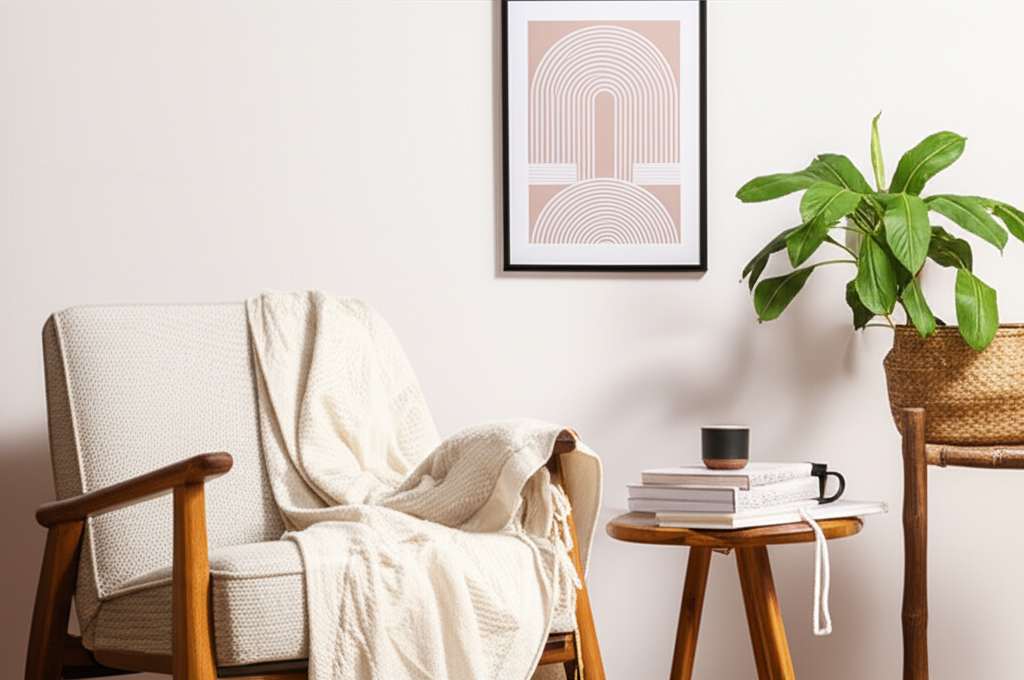
Step 3: Color Palette and Walls – Setting the Mood
Color is a powerful tool in interior design. It can affect your mood and the perceived size of a room.
Choosing a Color Scheme:
- Start with Neutrals: Whites, grays, beiges, and even soft blues are great for walls as they create a calming backdrop and make a room feel larger.
- Add Accent Colors: Introduce pops of color through accessories like throw pillows, blankets, artwork, or a statement lamp.
- Consider the Feeling: Cool colors (blues, greens) tend to be calming, while warm colors (reds, oranges, yellows) can be energizing.
Wall Decor:
- Artwork: A few well-chosen pieces can add personality. Don’t feel you need to fill every wall.
- Mirrors: These are fantastic for making a room feel bigger and brighter by reflecting light.
- Gallery Wall: Group smaller frames together for a stylish focal point.
- Wallpaper Accents: Consider a bold wallpaper for one accent wall if you want to make a statement without overwhelming the space.
For those renting, removable wallpaper or large-scale art can provide a big impact without damaging walls. Many companies offer stylish, renter-friendly options.
Step 4: Textiles and Soft Furnishings – Adding Warmth and Texture
Soft elements are crucial for making a room feel cozy and inviting. They add layers of comfort and visual interest.
- Rugs: A rug anchors a space, defines areas, and adds warmth underfoot. Choose a size that fits your furniture arrangement – at least the front legs of your main furniture pieces should sit on it.
- Curtains: They frame windows, control light, and add a significant amount of softness. Hang them high and wide to make windows appear larger.
- Throw Pillows and Blankets: These are your secret weapon for adding color, pattern, and texture. Mix and match different sizes and fabrics for a layered look.
Think about the textures you introduce. A chunky knit throw, a velvet cushion, or a jute rug can add depth and sophistication.
Step 5: Lighting – The Unsung Hero of Room Decor
Good lighting can transform the ambiance of any room. Don’t rely on just one overhead light!
- Layer Your Lighting: Combine ambient (general) lighting, task lighting (for reading or working), and accent lighting (to highlight artwork or architectural features).
- Table and Floor Lamps: These add warmth and allow you to control the mood. Choose lamps with stylish shades that complement your decor.
- Dimmers: Installing dimmers on overhead lights gives you ultimate control over the room’s atmosphere.
- Natural Light: Maximize natural light by keeping windows clear and using sheer curtains.
The right lighting can make a simple room feel more luxurious and inviting. Consider the color temperature of your bulbs, too – warmer tones (around 2700K) create a cozier feel.
Step 6: Personal Touches – Making it Yours
This is where your room truly comes to life! Injecting your personality is what makes a space feel like home.
- Photos: Display cherished memories in attractive frames.
- Collections: If you collect something, display it proudly. Grouping items often looks better than scattering them.
- Books: Arrange books by color, size, or simply how you like them. They add personality and can be decorative.
- Hobbies: Display items related to your hobbies, whether it’s musical instruments, art supplies, or sports memorabilia.
Don’t be afraid to mix old and new items. A vintage find can add character and a story to your room.
Step 7: Greenery – Bringing Life Indoors
Plants are a fantastic way to add color, life, and a sense of calm to any room. They also help purify the air!
- Low-Maintenance Options: If you’re new to plant care, start with easy-to-care-for plants like snake plants, ZZ plants, or pothos.
- Variety of Sizes: Use a mix of small desk plants, medium floor plants, and hanging plants to add dimension.
- Stylish Pots: Choose pots that complement your decor.
For a beginner-friendly guide to indoor plants, the Royal Horticultural Society (RHS) offers excellent resources on choosing and caring for houseplants.
Budget-Friendly Decorating Strategies
Decorating doesn’t have to break the bank. Here are some smart ways to get a stylish room on a budget:
| Strategy | Description | Impact |
|---|---|---|
| DIY Projects | Repaint old furniture, create your own art, or sew cushion covers. | High – can be very unique and cost-effective. |
| Thrift Stores & Flea Markets | Find unique furniture, decor, and accessories at a fraction of the retail price. | High – treasures can be found! |
| Sales & Clearance Sections | Shop for new items during holiday sales or check clearance aisles. | Medium to High – requires patience and timing. |
| Focus on Accessories | Instead of buying new furniture, update the look with new throws, pillows, or decor items. | Medium – easy to change and update the feel of a room. |
| Repurpose Items | Give old items new life. An old ladder can become a bookshelf, or jars can become storage. | Medium – creativity is key! |
Remember, patience is key when decorating on a budget. You can build your dream room piece by piece.
Putting It All Together: A Simple Room Checklist
To help you visualize and plan, here’s a simple checklist. Think of it as your decorating roadmap:
- Declutter & Organize: Clear out the excess.
- Assess Furniture: Is it functional? Does it fit the space?
- Choose a Color Scheme: Decide on your main and accent colors.
- Plan Wall Decor: What art, mirrors, or shelves will you add?
- Select Textiles: Pick out a rug, curtains, pillows, and throws.
- Consider Lighting: Where will you place lamps?
- Add Personal Touches: Gather photos, books, and meaningful items.
- Incorporate Greenery: Choose a plant or two.
- Final Touches: Arrange everything, step back, and enjoy!
It’s okay to take your time with each step. The goal is to create a space you love, not to rush through it.
Frequently Asked Questions About Decorating a Simple Room
Q1: My room is very small. How can I make it feel bigger?
A1: Use light colors on walls and furniture, choose pieces with visible legs, incorporate mirrors to reflect light, and keep clutter to a minimum. Vertical storage also helps maximize space.
Q2: I’m a renter and can’t paint. What can I do?
A2: Focus on temporary solutions! Use removable wallpaper, large artwork, textiles like rugs and curtains, and decorative accessories. You can also bring in furniture that adds color and personality.
Q3: I don’t have a lot of money to spend. How can I decorate affordably?
A3: Embrace DIY projects, shop at thrift stores and flea markets, look for sales, and focus on updating with affordable accessories like throw pillows and blankets. Repurposing old items is also a great option.
Q4: How do I choose a style for my room?
A4: Look for inspiration online (Pinterest, Instagram), in magazines, or even in places you visit. Think about what colors, textures, and moods you’re drawn to. Start with a few key pieces or a color palette and build from there.
Q5: What’s the most important thing to consider when decorating?
A5: Functionality and comfort. Your room should not only look good but also serve your needs and make you feel relaxed and happy. Always consider how you use the space.
Q6: How much decor is too much?
A6: It’s a balance! Too little can feel stark, while too much can feel cluttered. Aim for intentionality. Every item should have a purpose or bring you joy. Start with a few key pieces and add more slowly if needed.
Conclusion: Your Beautifully Decorated Simple Room Awaits
Decorating your simple room doesn’t require a design degree or a huge budget. By focusing on decluttering, smart furniture placement, adding personality through textiles and art, optimizing lighting, and bringing in some greenery, you can create a space that feels both stylish and welcoming.
Remember to have fun with the process! Your room is a reflection of you, so let your personality shine through. Start with one or two steps, see how they transform your space, and then continue to build on that. You’ve got this!