
Transforming your small kitchen’s spice situation can feel daunting, but it’s entirely achievable with the right strategies. This guide will walk you through decluttering, choosing innovative storage solutions, and implementing a logical organization system to maximize every inch. Learn to keep your spices fresh, accessible, and beautifully displayed, making cooking a joy in your compact space.
How Can I Organize Spices in a Small Kitchen
Welcome, fellow home cooks! If you’re reading this, chances are you love to cook, but your tiny kitchen is putting up a fight. Specifically, your spice collection might be a chaotic mess, overflowing shelves, or simply taking up precious counter space that you just don’t have. Organizing spices in a small kitchen isn’t just about aesthetics; it’s about making your culinary life easier, more efficient, and more enjoyable.
A well-organized spice collection means no more rummaging through a mountain of jars, no more buying duplicates of spices you already own (but couldn’t find!), and no more sacrificing valuable prep space. In a small kitchen, every inch counts, and spices, despite their small size, can quickly become a big problem if not managed properly.
This comprehensive guide is designed to transform your spice storage from frustrating to fantastic. We’ll cover everything from decluttering your current collection to exploring innovative, space-saving storage solutions and implementing a system that truly works for you. By the end of this, you’ll know exactly how to organize spices in a small kitchen, creating a functional, beautiful, and envy-worthy spice haven. Let’s get started on reclaiming your kitchen!
Key Takeaways
- Declutter ruthlessly: Start by removing expired spices, consolidating duplicates, and identifying your essential collection to free up valuable space.
- Utilize overlooked areas: Think beyond cabinets and drawers. Walls, pantry doors, and even under-cabinet spaces offer prime real estate for spice organization in a small kitchen.
- Embrace uniform containers: Switching to matching jars creates a cohesive, streamlined look and allows for more efficient storage, especially when paired with clear labels.
- Choose clever storage solutions: Opt for tiered risers, pull-out racks, magnetic strips, or slim wall-mounted shelves to make the most of vertical and horizontal dimensions.
- Implement a logical system: Organize spices by frequency of use, alphabetically, or by cuisine to ensure quick access and maintain your tidy setup.
- Label everything clearly: Legible labels are non-negotiable for finding spices quickly and returning them to their designated spots, preventing future clutter.
- Maintain regularly: Periodically check expiration dates and tidy your collection to keep your organized spice system functional and efficient long-term.
Step 1: Declutter and Inventory Your Spice Collection
Before you buy a single organizer or label maker, the most crucial first step is to assess what you currently have. This process isn’t just about neatness; it’s about efficiency and making sure you’re not dedicating precious small kitchen space to unnecessary items.
Gather Your Spices
Pull every single spice jar, bag, tin, and bottle out of your cabinets, drawers, and pantry. Yes, even that dusty jar of cream of tartar you used once for a science experiment. Lay them all out on a counter, table, or even the floor. Seeing everything together will give you a clear picture of the scale of your collection and help you identify duplicates.
Check Expiration Dates
Spices don’t last forever. While they might not “spoil” in the same way food does, they certainly lose their potency, flavor, and aroma over time. A good rule of thumb:
- Ground spices: 2-3 years
- Whole spices: 3-4 years
- Dried herbs: 1-3 years
Check the best-by dates on your jars. If there isn’t one, use your senses. Give the spice a sniff – if it smells faint or like nothing at all, it’s probably past its prime. Toss anything that’s expired, has lost its smell, or has questionable contents. Don’t feel guilty; you’re making room for fresh, flavorful spices that will actually enhance your cooking. This is a key step to effectively organize spices in a small kitchen.
Consolidate and Toss
Once you’ve removed the expired items, look for duplicates. Do you have three half-empty jars of paprika? Consolidate them into one jar. This immediately frees up space. If you have tiny amounts of a spice you rarely use, consider if it’s worth keeping or if you can just buy a fresh small batch next time you need it. Also, consider the types of spices you actually use. If you bought a specific spice for one recipe and haven’t touched it since, it might be time to let it go.
Make a Master List
After decluttering, create a list of all the spices you’re keeping. This list will be invaluable when you go shopping for new containers or organizers. It will also help you remember what you have, preventing accidental duplicate purchases in the future. Categorize them if it helps (e.g., frequently used, baking, international).
Step 2: Choose Your Storage Location Wisely

Visual guide about How Can I Organize Spices in a Small Kitchen
Image source: onecrazymom.com
In a small kitchen, every nook and cranny is a potential storage spot. The key is to think creatively and strategically about where your spices will live.
Consider Proximity to Cooking Area
Ideally, your most frequently used spices should be within arm’s reach of your stovetop or prep area. This saves time and makes cooking much more enjoyable. Less frequently used spices (like those holiday-specific baking spices) can be stored a bit further away.
Evaluate Available Space
This is where your small kitchen truly demands creative thinking.
- Cabinets: Do you have a slim cabinet next to the stove? A deep pantry cabinet?
- Drawers: Is there a shallow drawer that isn’t being used efficiently?
- Walls: Do you have any empty wall space, even a small strip?
- Pantry Doors/Cabinet Doors: Often overlooked, the inside of doors can provide fantastic vertical storage.
- Under Cabinets: The space beneath your upper cabinets can be utilized.
- Countertops: In a small kitchen, this should be a last resort for minimal, highly used spices, as countertop space is precious.
Avoid Heat and Light
Regardless of where you decide to store your spices, keep them away from direct sunlight, excessive heat, and humidity. These elements can degrade the flavor and shelf life of your spices much faster. This means avoiding spots directly above or next to the stove, or near a window. A dark, cool cabinet or pantry is ideal. This consideration is vital when you organize spices in a small kitchen to maintain their quality.
Step 3: Select the Right Spice Organization Solutions

Visual guide about How Can I Organize Spices in a Small Kitchen
Image source: ice.edu
Now for the fun part: choosing the tools that will help you master your small kitchen spice organization. There’s a myriad of clever products designed to maximize space.
Drawer Organizers
If you have a spare drawer, this can be an excellent way to keep spices out of sight but easily accessible.
In-Drawer Spice Racks
These are typically angled inserts that hold jars horizontally, allowing you to see the labels at a glance. They prevent jars from rolling around and make it easy to grab what you need. They come in various sizes and can often be trimmed to fit your specific drawer.
Custom Drawer Dividers
You can also use adjustable drawer dividers to create custom compartments for your spice jars, keeping them neatly lined up.
Cabinet Organizers
Cabinets are a common spot for spices, but without organization, they can quickly become a jumbled mess.
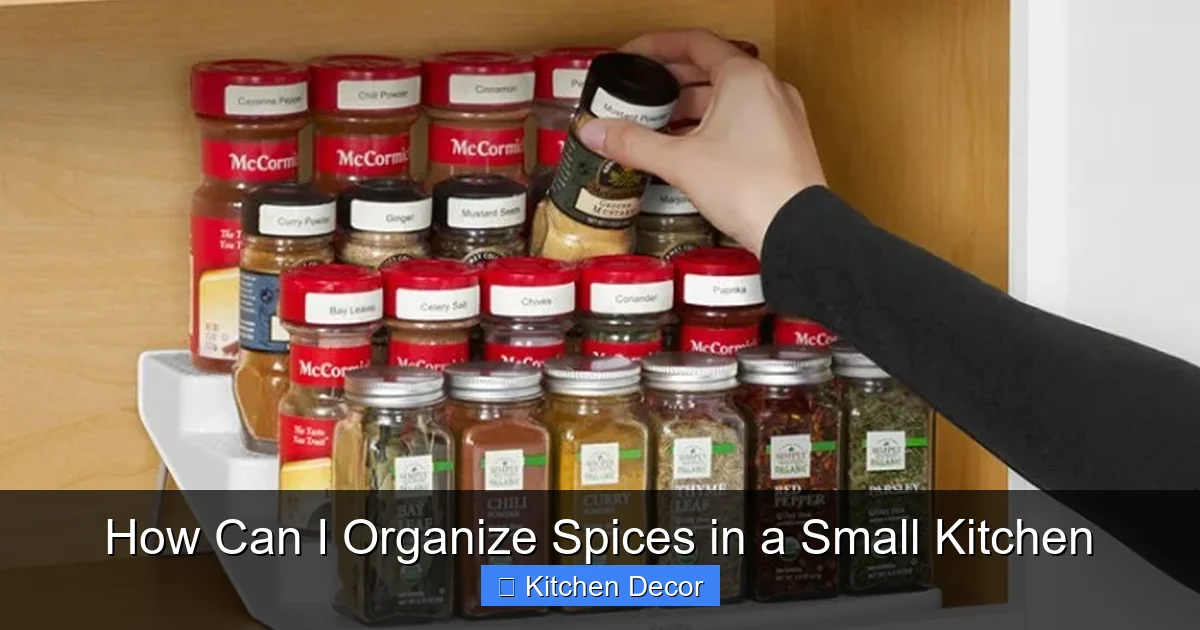
Tiered Shelves (Risers)
These are perhaps the most popular and effective cabinet solution. Tiered risers allow you to see bottles in the back of your cabinet without having to pull everything out. They come in plastic, wood, or metal and can be expandable.
Pull-Out Racks
If you have a deep cabinet, a pull-out spice rack can be a game-changer. These slide out, bringing all your spices forward, making them incredibly easy to access. They can be installed in base cabinets or pantry cabinets.
Door-Mounted Racks
The inside of a cabinet door is prime real estate in a small kitchen. Slim racks that attach to the door can hold a surprising number of small jars without taking up internal shelf space. Just make sure your spice jars aren’t too deep to prevent the door from closing.
Lazy Susans (Turntables)
Perfect for corner cabinets or deeper shelves, a Lazy Susan allows you to spin your spices around to find the one you need without reaching into the depths of the cabinet. They come in various diameters and materials.
Wall-Mounted Solutions
When counter and cabinet space are non-existent, look to your walls! This is a brilliant way to organize spices in a small kitchen.
Wall-Mounted Spice Racks
These come in many styles, from simple metal or wood shelves to elaborate magnetic systems. They free up horizontal space and add a decorative element to your kitchen. Install them near your cooking zone for maximum convenience.
Magnetic Strips
Install a magnetic knife strip or a dedicated magnetic spice rack on an empty wall. You’ll need magnetic spice jars (or jars with magnetic bottoms) for this, but it’s an incredibly space-efficient and visually appealing solution.
Pegboards
A pegboard system offers incredible flexibility. Mount a pegboard on an empty wall and use hooks and small shelves to hang spice jars, measuring spoons, and other small kitchen tools. You can rearrange it as your needs change.
Countertop Solutions (Use Sparingly)
In a small kitchen, countertop space is usually sacred. Only use countertop solutions for your absolute most-used spices, or if you have a very specific, unused corner.
Small Countertop Racks
If you have a tiny sliver of unused counter space, a compact, multi-tiered countertop spice rack can hold 6-12 frequently used spices.
Uniform Jars with a Tray
A collection of uniform spice jars on a small, decorative tray can look neat and tidy, especially if they are aesthetically pleasing.
Jar and Container Uniformity
This is a critical tip for making your small kitchen spice organization truly shine.
Benefits of Uniform Jars
- Space Efficiency: Identical jars stack or line up more neatly, preventing wasted space due to odd shapes and sizes.
- Aesthetics: A collection of matching jars looks incredibly clean, cohesive, and professional, elevating the look of your kitchen.
- Consistency: It makes labeling easier and helps you quickly identify gaps in your collection.
Types of Jars
Glass jars with airtight lids are most common. Look for ones with shakers and pour spouts. Magnetic jars are excellent for wall storage. Square jars tend to utilize space more efficiently than round ones.
Labeling is Key
Once you’ve transferred your spices to uniform jars, label them clearly! Don’t rely on memory. Use a label maker, pre-printed labels, or even write directly on the jar with a permanent marker (or a chalk marker if you want to be able to change them). Consider labeling the tops of the lids if they are stored in a drawer or from above.
Step 4: Implement a Logical Organization System
Visual guide about How Can I Organize Spices in a Small Kitchen
Image source: cdn.onecrazyhouse.com
Now that you have your solutions in place, it’s time to decide *how* you’ll arrange your spices. The best system is one that makes sense to you and facilitates quick access.
Alphabetical Order
This is a classic for a reason – it’s straightforward and easy to navigate, especially if you have a large collection. You just need to know the name of the spice you’re looking for.
Group by Cuisine/Usage
If you frequently cook specific types of cuisine, this method can be very efficient. For example, have a section for “Italian Herbs” (oregano, basil, thyme), “Indian Spices” (cumin, coriander, turmeric), or “Baking Spices” (cinnamon, nutmeg, cloves).
Frequency of Use
Keep your most used spices (salt, pepper, garlic powder, onion powder, paprika) front and center, or closest to your cooking area. Less frequently used spices can be stored in more out-of-the-way spots. This is often a blend of alphabetical and frequency for optimal results.
Label Everything Clearly
We mentioned this before, but it bears repeating. Clear, legible labels are non-negotiable. Whether you’re using uniform jars, their original containers, or innovative wall storage, ensure every spice is clearly identified. If you’re storing them in a drawer, label the tops of the jars. If on a rack, label the sides. Good labeling prevents frustration and ensures your system remains tidy.
Step 5: Maintain Your Organized Spice System
Organizing your spices is a big achievement, but maintaining that order is just as important, especially in a small kitchen where clutter can quickly creep back in.
Regular Check-ins
Once or twice a year, do a quick audit of your spices. Check expiration dates, sniff for freshness, and tidy up any jars that have strayed from their designated spots. This prevents buildup and ensures your system remains functional.
“One In, One Out” Rule
When you buy a new spice, try to ensure it has a designated spot. If you’re replacing an old spice, discard the old one before placing the new one. This prevents your collection from growing unmanageably.
Keep it Clean
Wipe down your spice racks, shelves, and jars periodically. Spills and dust can accumulate, especially near the stove. A clean system looks better and makes you more likely to keep it organized.
Troubleshooting Common Small Kitchen Spice Challenges
Even with the best intentions, small kitchens present unique hurdles. Here are solutions to common problems.
“No Counter Space at All”
Solution: Go Vertical and Inside Doors
Embrace wall-mounted racks, magnetic strips, and pegboards. Look at the inside of your pantry door or cabinet doors for slim, over-the-door organizers or screw-in racks. Even the side of a refrigerator can be a magnetic spice canvas. Consider under-cabinet mounting options.
“My Spices Keep Falling Over”
Solution: Use Non-Slip Liners and Compartmentalize
Line drawers and shelves with non-slip mats. For cabinet shelves, use tiered risers or small bins to keep jars contained. In drawers, dedicated angled inserts or adjustable dividers are essential to prevent rolling and topple-overs.
“I Can’t Find Anything!”
Solution: Re-evaluate Your Labeling and System
Are your labels clear enough? Are they visible from how you store the spices (e.g., top labels for drawers, side labels for racks)? Revisit your organization system – maybe alphabetical works better for you than by cuisine, or vice-versa. Consistency is key.
“My Collection is HUGE!”
Solution: Prioritize and Store Less-Used Off-Site
First, be honest about how often you use every single spice. For very specialty or rarely used spices, consider storing them in airtight bags (labeled!) in a cool, dark pantry or even a basement cupboard if space is critically tight in your main kitchen. Keep only your essentials and frequently used items in the immediate kitchen area. You can also explore bulk spice purchases that come in resealable bags, reducing the need for many small jars.
Conclusion
Organizing spices in a small kitchen can feel like a daunting task, but with a strategic approach, it’s entirely achievable. By dedicating time to declutter, choosing smart, space-saving storage solutions, and implementing a logical system, you can transform a chaotic collection into a beautifully functional one.
Remember, the goal isn’t just a tidy kitchen; it’s a more enjoyable and efficient cooking experience. No more rummaging, no more buying duplicates, and every spice you need will be right at your fingertips. Embrace the challenge, get creative with your space, and soon you’ll be enjoying the benefits of a perfectly organized spice collection in your small kitchen, proving that even the coziest spaces can be highly functional and stylish. Happy cooking!